


Introduction
British culture is one of the world’s most recognizable and influential cultural traditions. Shaped by centuries of history, royal heritage, literature, music, industrial development, immigration, and global connections, it represents a fascinating combination of traditional values and modern lifestyles.
From afternoon tea and historic castles to Premier League football, Shakespearean theatre, British rock music, and multicultural cities, the United Kingdom offers an extraordinary variety of cultural experiences. Its traditions have influenced education, politics, fashion, entertainment, architecture, and everyday social behavior across the world.
However, understanding the country’s identity requires looking beyond familiar symbols such as red telephone boxes, double-decker buses, and royal ceremonies. England, Scotland, Wales, and Northern Ireland each have distinct histories, languages, customs, and cultural identities. Together, they contribute to a diverse national landscape that continues to evolve.
Whether someone is planning a trip, studying British history, exploring international traditions, or simply learning about everyday life in the UK, understanding British culture provides valuable insight into how the country developed and why its influence remains significant.
What Is British Culture and What Makes It Unique?
British culture refers to the shared traditions, historical influences, social customs, artistic achievements, languages, and everyday practices associated with the United Kingdom. It includes both long-established customs and contemporary expressions shaped by changing communities and international influences.
One of its defining characteristics is its regional diversity. England is known for its historic universities, royal landmarks, literary heritage, and major metropolitan centers. Scotland has distinctive Gaelic and Scots traditions, Highland culture, and an internationally recognized musical heritage. Wales maintains a strong Welsh-language identity, while Northern Ireland reflects a complex combination of Irish and British historical influences.
Another defining feature is the relationship between tradition and innovation. The UK preserves historic ceremonies and institutions while remaining influential in modern science, technology, fashion, entertainment, and popular music.
This balance makes the country particularly interesting. A visitor might attend a centuries-old ceremonial event in the morning and experience a contemporary music festival or international food market in the evening.
The History and Evolution of British Identity
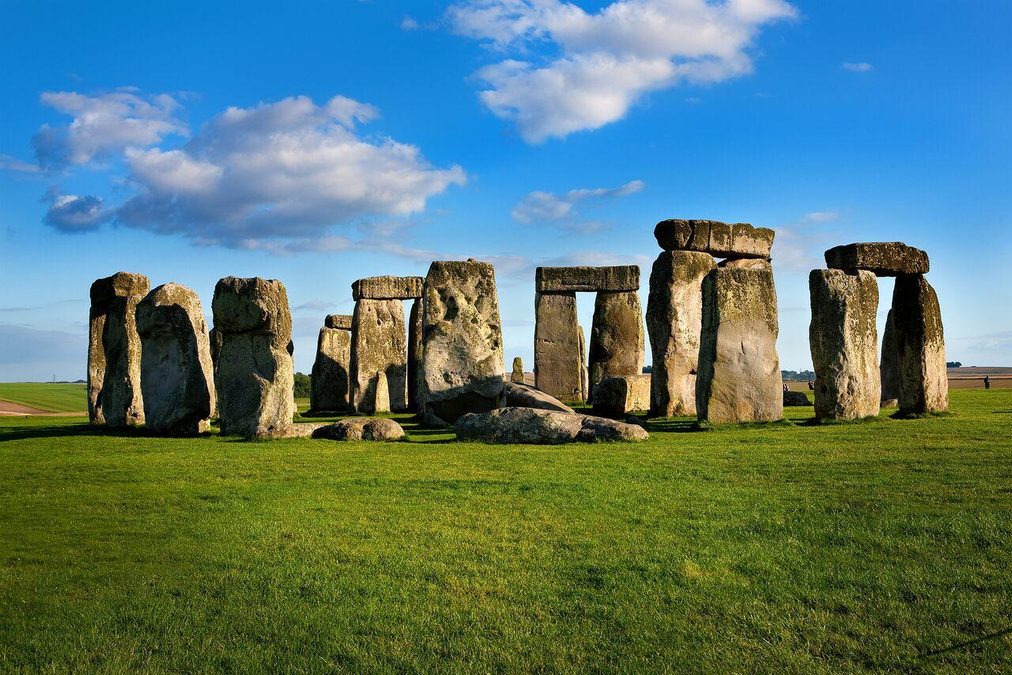
The history of Britain stretches back thousands of years. Prehistoric monuments such as Stonehenge demonstrate the existence of complex communities long before written historical records.
Roman occupation beginning in AD 43 introduced new infrastructure, urban development, roads, and administrative systems. Later, Anglo-Saxon settlements, Viking invasions, and the Norman Conquest of 1066 shaped language, political institutions, architecture, and social structures.
During the medieval period, castles, monasteries, and trading towns became important features of the landscape. The development of Parliament and the gradual evolution of constitutional government helped establish political traditions that influenced other countries.
The Industrial Revolution transformed Britain during the eighteenth and nineteenth centuries. Manufacturing, railway networks, engineering, and international trade changed the economy and everyday life. Cities such as Manchester, Birmingham, and Liverpool became major industrial centers.
The twentieth century brought two world wars, the development of the welfare state, decolonization, and increasing immigration. These changes contributed to the multicultural society visible across modern Britain.
British Royal Family and National Traditions


The monarchy remains one of the most recognizable institutions associated with the United Kingdom. The British royal family represents a long historical tradition, although its constitutional role is largely ceremonial and governed by established democratic institutions.
King Charles III became monarch following the death of Queen Elizabeth II in September 2022. Royal ceremonies, state occasions, official celebrations, and historic residences continue to attract international attention.
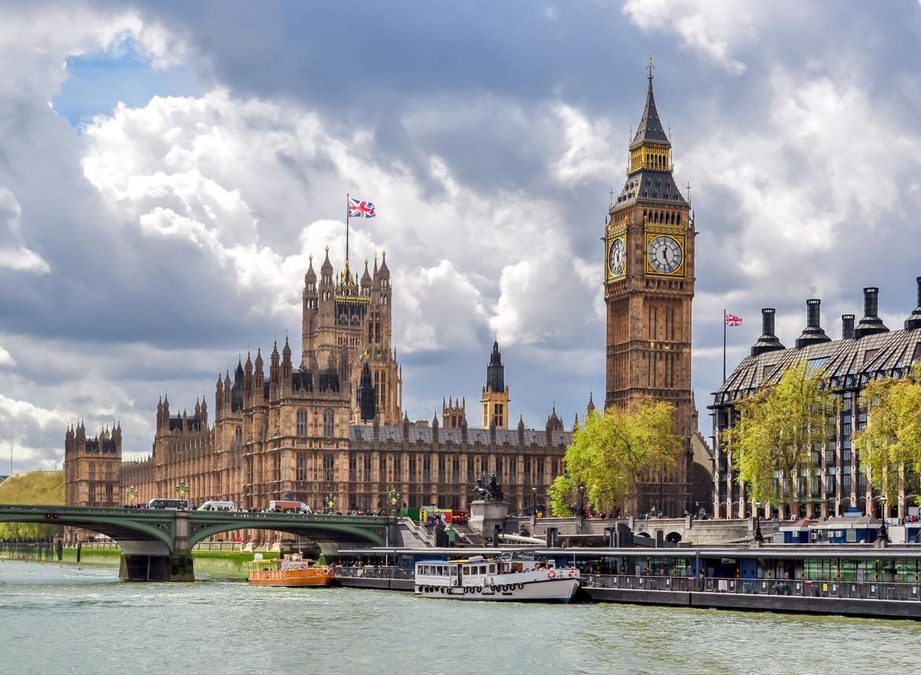
Important royal landmarks include Buckingham Palace, Windsor Castle, and the Palace of Westminster. Events such as Trooping the Colour and the State Opening of Parliament demonstrate how historical ceremonies remain part of contemporary public life.
Royal traditions also contribute to tourism and international recognition. Visitors from around the world travel to London to witness the Changing of the Guard, explore royal collections, and experience historic ceremonial locations.
British Food, Traditional Dishes, and Afternoon Tea

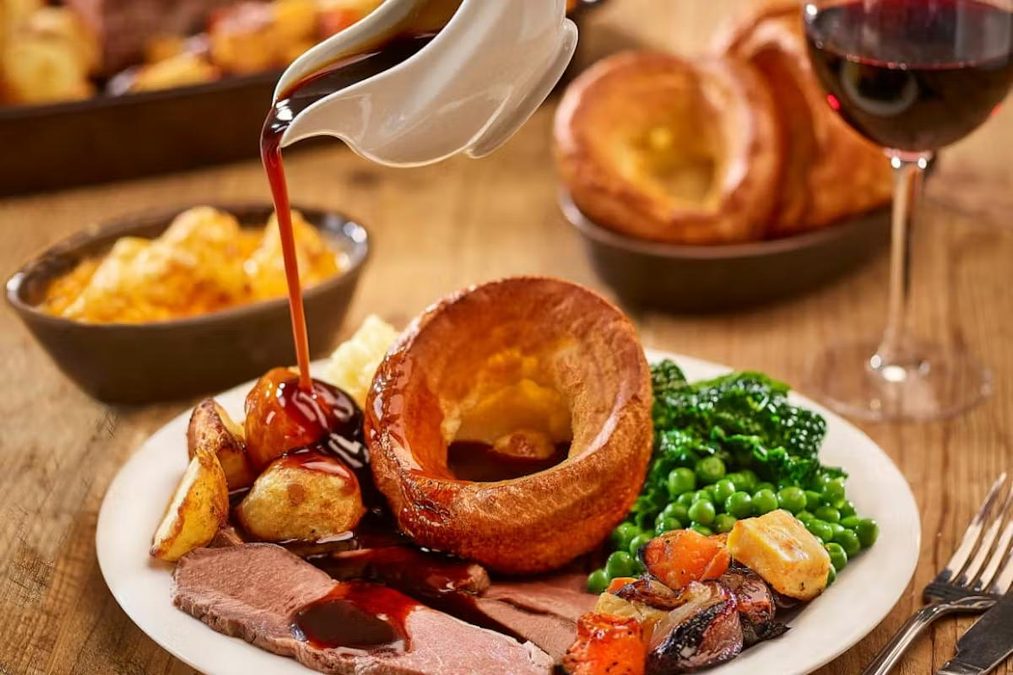
Food is an important expression of regional identity, social interaction, and historical change. Traditional British cuisine is often associated with hearty meals, seasonal ingredients, baked goods, and comforting dishes that developed through centuries of agricultural and culinary practices.
Some of the best-known traditional dishes include:
| British food | Main ingredients | Cultural significance |
|---|---|---|
| Fish and chips | Battered fish and potatoes | Traditional takeaway food |
| Sunday roast | Roasted meat, vegetables, gravy | Family and weekend dining |
| Full English breakfast | Eggs, bacon, sausages, beans | Traditional cooked breakfast |
| Shepherd’s pie | Minced lamb and mashed potatoes | Classic comfort food |
| Yorkshire pudding | Flour, eggs, milk | Traditional Sunday roast accompaniment |
| Cornish pasty | Pastry, meat, vegetables | Regional food heritage |
| Scones | Flour, butter, milk | Afternoon tea tradition |
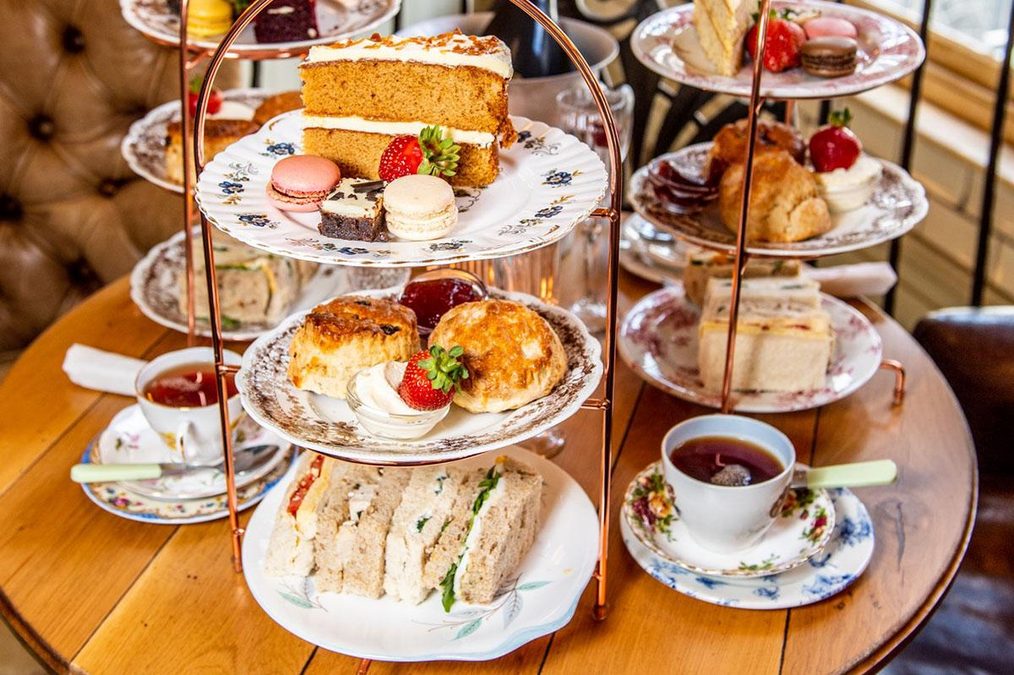
Afternoon tea is another recognizable British custom. It typically includes tea served with finger sandwiches, scones, clotted cream, jam, and small cakes. Although its popularity is often associated with nineteenth-century aristocratic society, it has become a widely recognized hospitality experience.
Modern British cuisine is also highly multicultural. Indian, Chinese, Caribbean, Middle Eastern, and European influences have transformed restaurant culture, particularly in cities such as London, Birmingham, and Manchester.
British Language, Accents, and Communication Styles
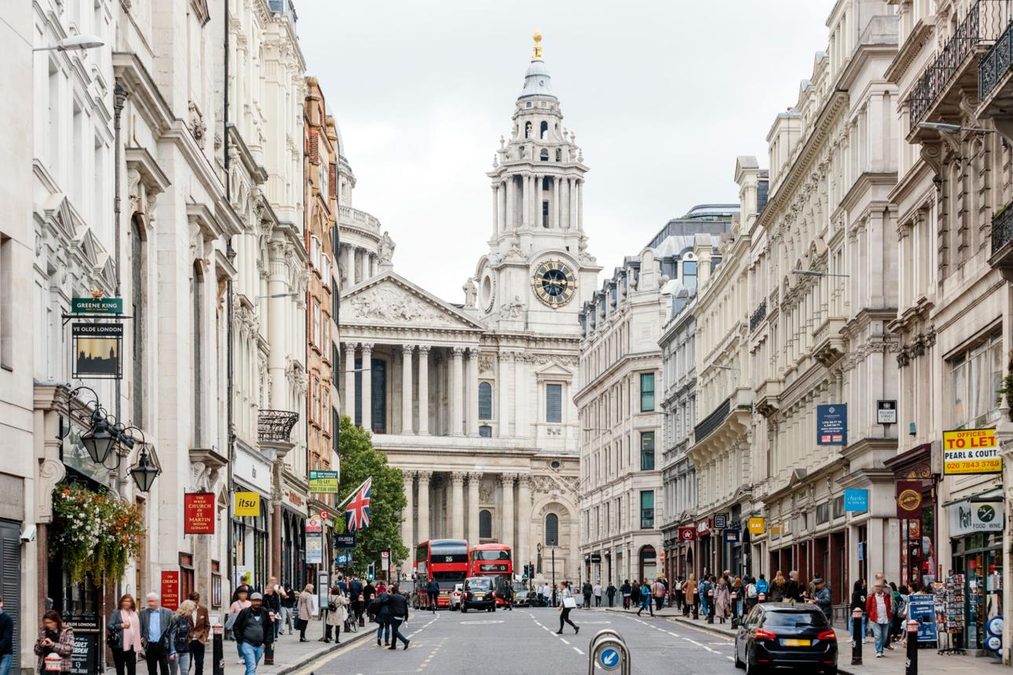
English is the main language used across the United Kingdom, but British English contains considerable regional variation. Accents, vocabulary, pronunciation, and expressions can change significantly between cities, counties, and nations.
For example, people in Liverpool speak with a distinctive Scouse accent, while Newcastle is associated with Geordie speech. Glasgow has its own recognizable Scottish accent, and Cardiff reflects distinctive Welsh English influences.
The UK also has other important languages. Welsh is widely visible in Wales, Scottish Gaelic has historical importance in Scotland, and Irish and Ulster Scots have cultural significance in Northern Ireland. British Sign Language is also an important language used within the deaf community.
Communication styles are another interesting aspect of everyday life. Politeness, indirect expressions, understatement, and humor frequently feature in British conversations. Phrases such as “Would you mind?” or “Sorry” can communicate courtesy even in relatively ordinary situations.
However, communication varies considerably by personality, region, generation, and social setting. There is no single way that all British people speak or behave.
British Music, Literature, and Entertainment



Britain has made an extraordinary contribution to global entertainment. Its musicians, writers, actors, and filmmakers have influenced international audiences and helped shape popular culture across generations.
British music has produced internationally successful artists across several genres. The Beatles transformed popular music during the 1960s, while Queen, David Bowie, Elton John, Adele, Ed Sheeran, and The Rolling Stones have achieved worldwide recognition. British rock, punk, electronic music, and contemporary pop continue to influence the international music industry.
Literature is equally important. William Shakespeare remains one of the most influential writers in history, with works such as Hamlet, Macbeth, and Romeo and Juliet performed around the world. Other internationally recognized British writers include Jane Austen, Charles Dickens, J.R.R. Tolkien, and J.K. Rowling.
British television and cinema have also achieved international success. Productions such as Doctor Who, Sherlock, and Downton Abbey have attracted global audiences, while the James Bond franchise has become one of the most recognizable entertainment brands in film history.
British Sports and the Passion for Football
Sport plays an important role in British society, bringing communities together and creating shared national experiences. Football is particularly popular, with the English Premier League attracting millions of viewers internationally.
Clubs such as Manchester United, Liverpool FC, Arsenal, and Chelsea have developed enormous international fan bases. Matchdays often involve local traditions, stadium gatherings, team merchandise, and passionate discussions among supporters.
However, football is only one part of the sporting landscape. Cricket has deep historical roots, while rugby union and rugby league have strong regional followings. Tennis receives international attention during Wimbledon in London, one of the world’s most prestigious sporting competitions.
Other popular activities include golf, athletics, horse racing, cycling, and Formula One. These sports contribute to the country’s international sporting reputation and provide opportunities for participation at professional and community levels.
British Festivals, Holidays, and Celebrations
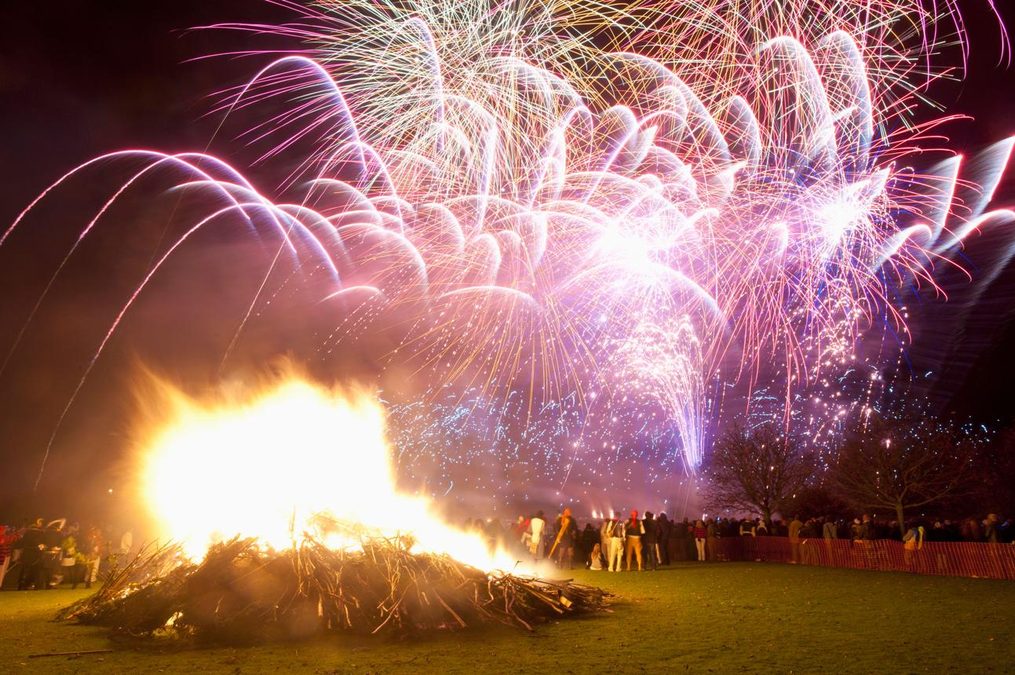

Festivals and public celebrations provide an opportunity to understand regional traditions, historical events, and community identity. Throughout the year, towns and cities across the UK organize events that combine music, food, performance, and local heritage.
Some important celebrations include:
- Christmas: A major holiday featuring decorated homes, family meals, Christmas markets, and gift exchanges.
- Bonfire Night: Celebrated on November 5 with fireworks and bonfires, commemorating the failure of the Gunpowder Plot of 1605.
- Notting Hill Carnival: A major London celebration of Caribbean culture, featuring music, dancing, costumes, and street food.
- Edinburgh Festival Fringe: An internationally recognized arts festival featuring theatre, comedy, music, and experimental performances.
- St David’s Day: Celebrated on March 1, recognizing the patron saint of Wales and Welsh heritage.
- Burns Night: A Scottish celebration held on January 25 in honor of poet Robert Burns.
These events illustrate the diversity of regional and multicultural identities. They also provide opportunities for visitors to experience local food, music, traditional clothing, and community activities.
British Social Customs, Etiquette, and Everyday Lifestyle


Everyday social customs offer another interesting perspective on the country. Queuing, respecting personal space, using polite expressions, and maintaining courtesy in public places are commonly associated with British etiquette.
Punctuality is generally valued in professional and social settings, although expectations differ depending on the occasion. Saying “please,” “thank you,” and “sorry” is common in everyday interactions. A simple greeting or friendly conversation can help establish a positive social connection.
Pubs are another important part of community life. Traditional public houses have historically served as places where people gather to socialize, watch sports, enjoy meals, and meet friends. Many pubs also preserve historic architecture and local traditions.
Humor is particularly distinctive. British comedy often relies on sarcasm, irony, understatement, and self-deprecating jokes. Television programs such as Fawlty Towers, The Office, and Mr Bean demonstrate how these styles have become recognizable internationally.
British Fashion, Architecture, and Art
The United Kingdom has influenced international fashion through its designers, tailoring traditions, textile industries, and creative institutions. London is particularly important as a global fashion center, hosting London Fashion Week and attracting designers, models, and fashion journalists.
Traditional British tailoring is associated with Savile Row in London, known for its bespoke suits and craftsmanship. Brands such as Burberry have also helped popularize recognizable British fashion styles, including the trench coat and distinctive check pattern.
Architecture provides another visual connection to the country’s history. Medieval castles, Gothic cathedrals, Georgian townhouses, Victorian railway stations, and modern skyscrapers reflect different periods of social and economic development.
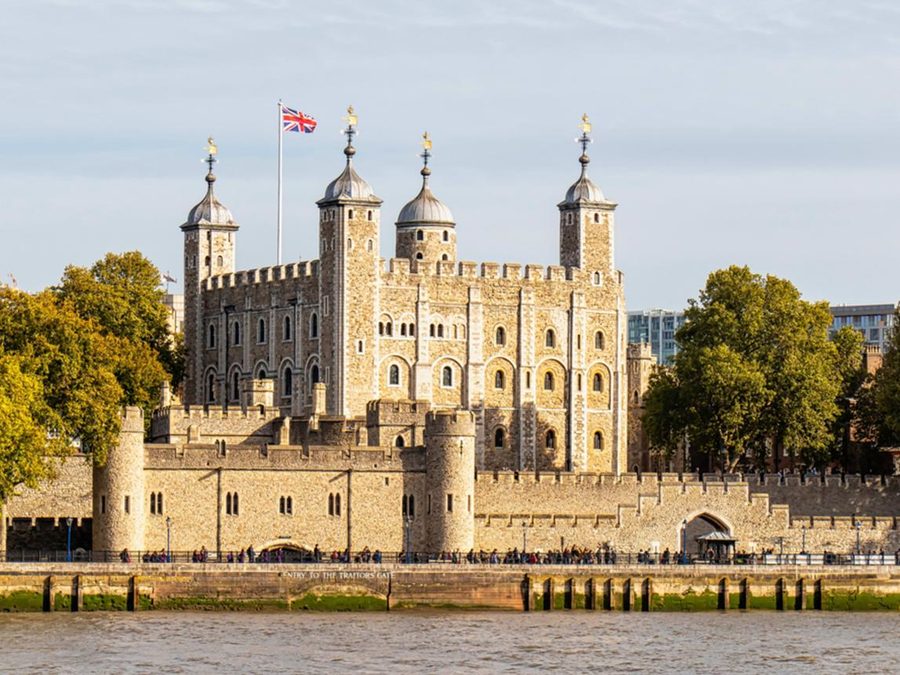
Important examples include Westminster Abbey, St Paul’s Cathedral, the Tower of London, and the contemporary skyline of Canary Wharf. Art institutions such as the National Gallery and Tate Modern preserve historic collections while supporting contemporary creative expression.
Multicultural Britain and Modern Society
Modern British society has been shaped by centuries of migration, trade, international connections, and cultural exchange. Immigration from South Asia, the Caribbean, Africa, Europe, and other regions has contributed to the country’s languages, food, music, fashion, and everyday social experiences.
London is one of the clearest examples of this diversity, with communities representing numerous nationalities and cultural backgrounds. Birmingham, Manchester, Leicester, and Glasgow also have distinctive multicultural identities.
This diversity can be seen in everyday experiences, from Indian restaurants and Caribbean festivals to international supermarkets, religious celebrations, and multilingual neighborhoods.
Contemporary British identity is therefore not defined by a single tradition or background. It continues to evolve through the contributions of different communities, changing social attitudes, and new generations.
Famous Places to Experience British Heritage and Traditions
Exploring historic destinations is one of the best ways to understand the country’s heritage. Each region offers different architectural styles, landscapes, traditions, and cultural experiences.
Some notable destinations include:
| Destination | Location | Cultural importance |
|---|---|---|
| Big Ben | London | Political and architectural heritage |
| Edinburgh Castle | Scotland | Scottish royal and military history |
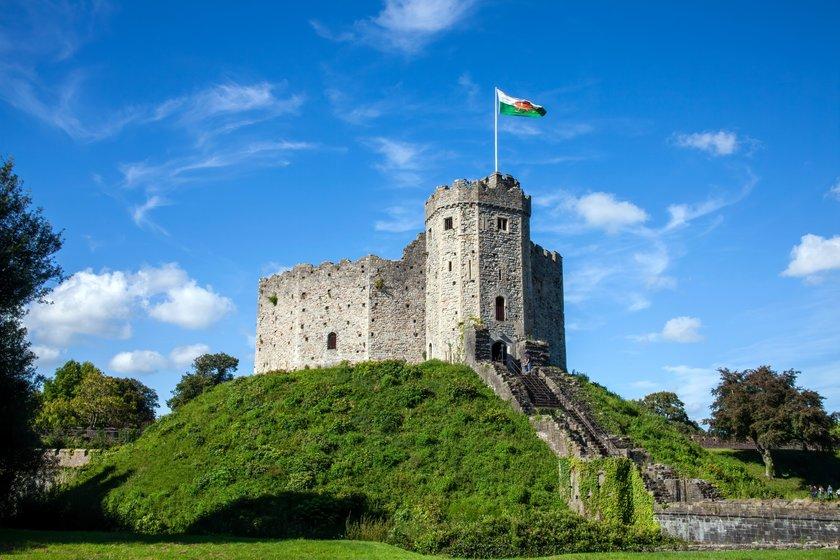
| Cardiff Castle | Wales | Medieval and Victorian heritage |
| Giant’s Causeway | Northern Ireland | Natural and geological heritage |
| Bath | England | Roman history and Georgian architecture |
| Stonehenge | England | Prehistoric heritage |
These places offer more than attractive scenery. They help visitors understand historical events, architectural development, regional identities, and the relationship between Britain’s past and present.
For travelers, combining major landmarks with local markets, museums, traditional pubs, and cultural festivals can provide a much richer experience than visiting famous attractions alone.
Frequently Asked Questions
What is British culture famous for?
British culture is famous for its royal heritage, literature, traditional food, football, music, historic architecture, afternoon tea, and distinctive social customs. It has also influenced global entertainment, education, fashion, politics, and language.
What are the main traditions in the United Kingdom?
Popular traditions include afternoon tea, Sunday roasts, Christmas celebrations, Bonfire Night, royal ceremonies, Burns Night, and traditional sporting events. Customs differ across England, Scotland, Wales, and Northern Ireland.
What is traditional British food?
Traditional dishes include fish and chips, full English breakfast, shepherd’s pie, Sunday roast, Yorkshire pudding, Cornish pasties, and scones. Modern British cuisine also incorporates influences from international communities.
What languages are spoken in Britain?
English is the main language, but Welsh, Scottish Gaelic, Scots, Irish, and Ulster Scots are also important. British Sign Language is used by many members of the deaf community.
What makes British social etiquette distinctive?
Commonly recognized customs include queuing, using polite expressions, respecting personal space, and appreciating understated humor. However, social behavior varies between individuals, generations, and regions.
How has immigration influenced British society?
Immigration has influenced food, music, fashion, languages, religion, business, and community life. Caribbean, South Asian, African, and European communities have contributed significantly to modern British society.
What are the most important British cultural landmarks?
Notable landmarks include Buckingham Palace, Westminster Abbey, the Tower of London, Edinburgh Castle, Cardiff Castle, Stonehenge, and the Giant’s Causeway. Each represents a different aspect of the country’s historical or regional heritage.
Why is British culture influential worldwide?
Its influence comes from centuries of international trade, literature, political institutions, education, music, cinema, and sporting achievements. English-language media and internationally recognized British institutions have also helped spread its influence.
Conclusion
British culture represents a fascinating combination of historical traditions, regional identities, artistic achievements, and modern multicultural influences. From royal ceremonies and medieval castles to Premier League football, contemporary music, and international cuisine, the United Kingdom offers an extraordinary range of cultural experiences.
Its importance lies not only in its historical achievements but also in its ability to evolve. England, Scotland, Wales, and Northern Ireland maintain distinctive identities while contributing to a wider national story shaped by generations of cultural exchange.
For visitors, understanding these traditions makes exploring the country more meaningful. For students and history enthusiasts, it provides valuable insight into the development of British society and its international influence.
Ultimately, British culture is not simply a collection of old customs or famous landmarks. It is a living expression of history, creativity, diversity, and everyday life that continues to shape the United Kingdom in 2026 and beyond.