



Goa is one of India’s most captivating holiday destinations, known for its golden beaches, swaying palm trees, Portuguese-influenced architecture, lively markets, and relaxed coastal atmosphere. Located along the Arabian Sea on India’s western coast, it offers a distinctive blend of Indian traditions and European heritage that makes every visit feel different.
Whether you want peaceful beach days, adventurous water sports, historic churches, colourful festivals, or fresh seafood by the sea, this coastal state has something to suit different travel styles. Beyond its popular nightlife, visitors can discover quiet villages, forested landscapes, spice plantations, traditional markets, and centuries-old landmarks.
Why Goa Is One of India’s Most Popular Travel Destinations
The appeal of Goa comes from its variety. Some visitors arrive for beach parties and music festivals, while others prefer quiet coastal villages, heritage walks, yoga retreats, or family holidays. Its relatively compact size also makes it possible to combine beaches, cultural attractions, and nature experiences during one trip.
The atmosphere changes significantly between the northern and southern parts of the state. North Goa is generally associated with energetic beaches, restaurants, shopping streets, and nightlife. South Goa tends to offer a slower pace, with quieter stretches of sand, scenic resorts, and a more peaceful setting. Neither region is exclusively one type of experience, but understanding the difference helps travellers choose accommodation that matches their expectations.
Best Beaches and Coastal Experiences
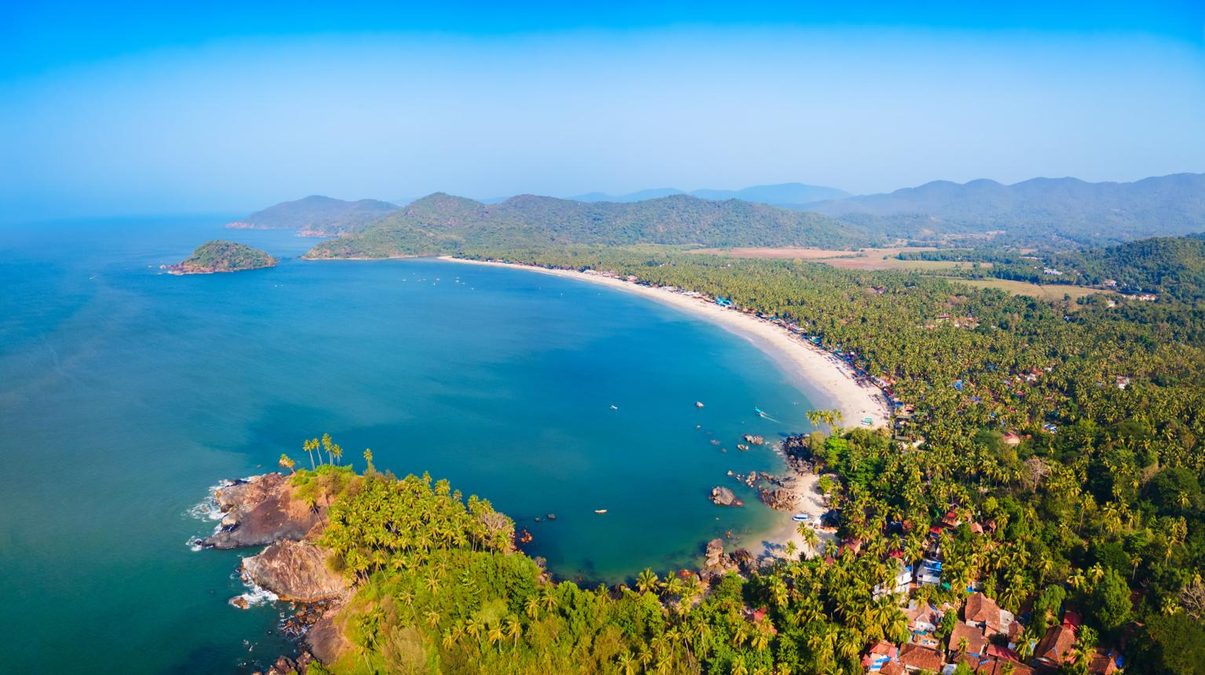
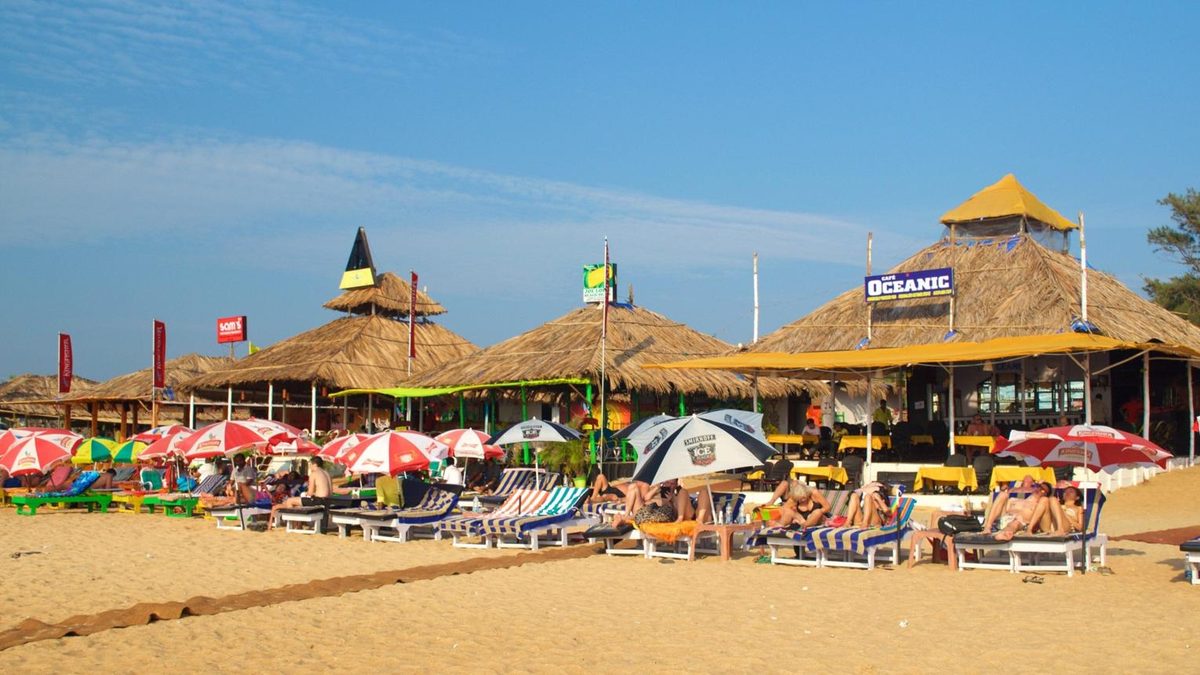
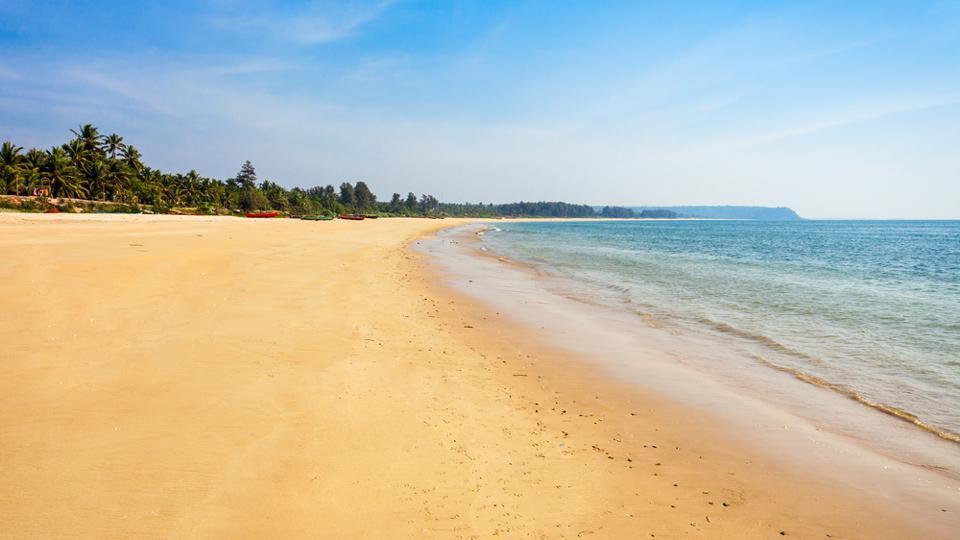
The coastline is the main attraction for many visitors. Baga Beach and Calangute Beach in the north are popular for beach shacks, water sports, restaurants, and lively evenings. They are convenient choices for travellers who want plenty of facilities close by, although they can become crowded during peak holiday periods.
For a quieter atmosphere, Palolem Beach and Agonda Beach in the south are appealing alternatives. Palolem is known for its curved shoreline and scenic setting, while Agonda offers a more relaxed environment. Vagator Beach, with its dramatic red cliffs and views over the Arabian Sea, is another favourite for photography and sunset watching.
Water activities include parasailing, kayaking, jet skiing, boat trips, and dolphin-watching excursions, depending on local conditions and operator availability. Choose licensed operators, check safety equipment before participating, and pay attention to sea warnings. Swimming conditions can change with tides and seasonal weather, so a beautiful beach is not automatically a safe swimming spot.
Portuguese Heritage, Historic Churches, and Architecture

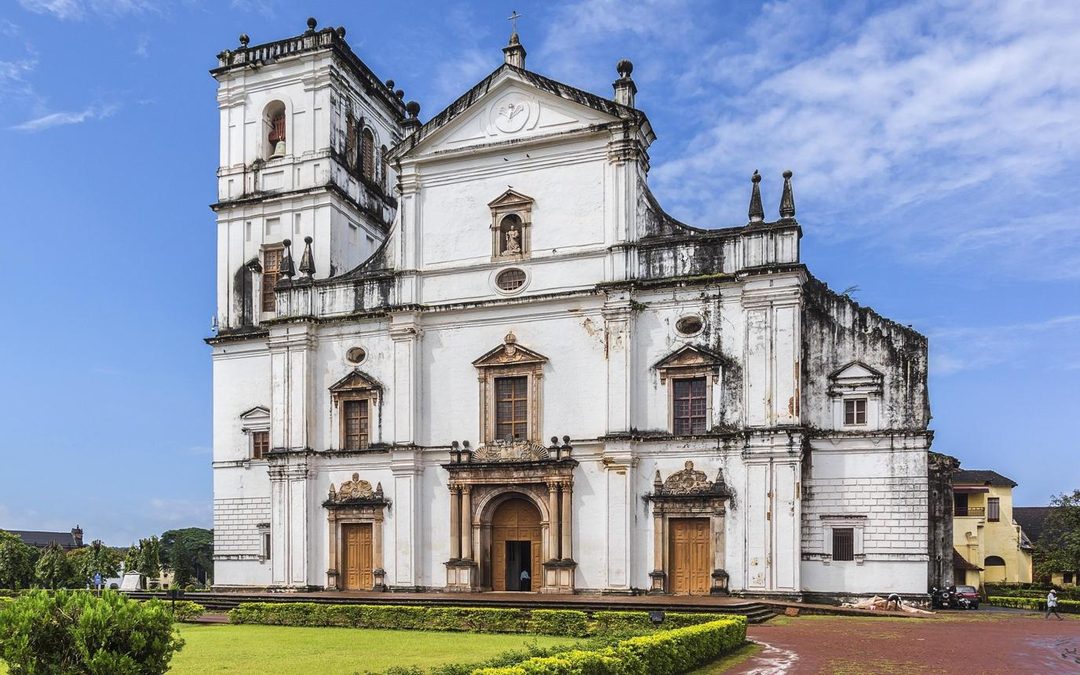
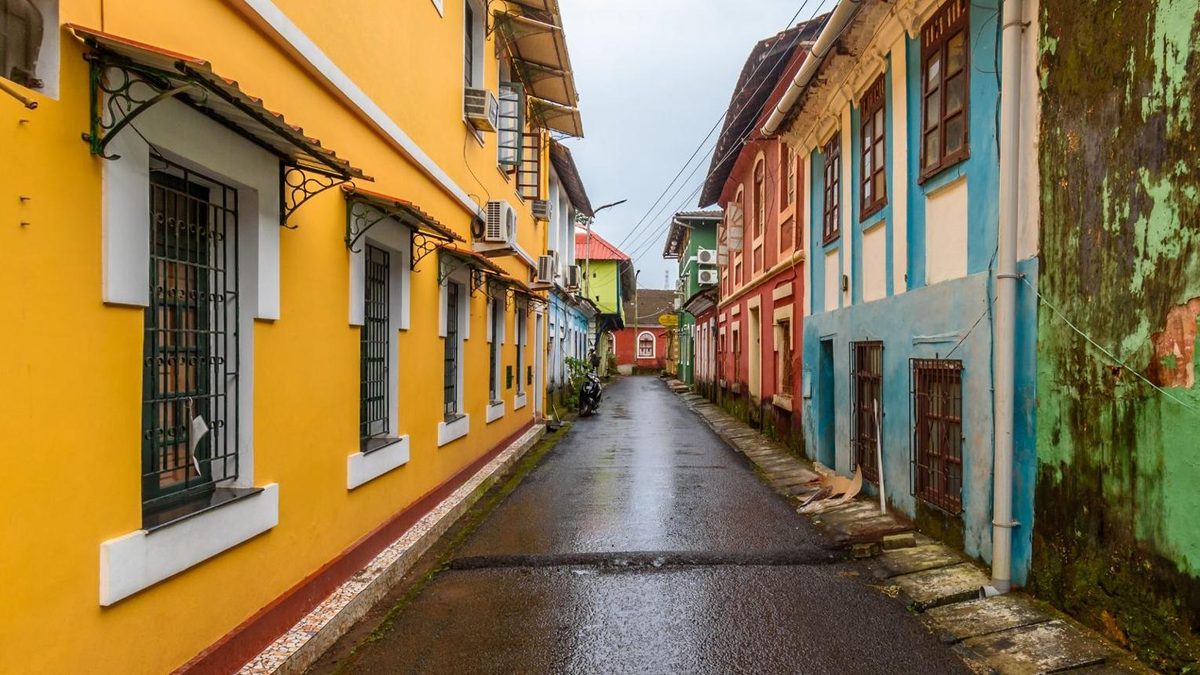
The region’s history is one of its most distinctive features. Portuguese rule lasted for more than four centuries, leaving a visible influence on architecture, religion, food, language, and local customs. Old Goa is particularly important for understanding this legacy and is home to several remarkable historic buildings.
The Basilica of Bom Jesus, a UNESCO World Heritage Site within the Churches and Convents of Goa, is among the best-known landmarks. The nearby Se Cathedral is another impressive example of Portuguese-era religious architecture. Both offer insight into the area’s colonial history and the development of Christianity along India’s western coast.
In Panaji, the Fontainhas Latin Quarter features colourful houses, narrow lanes, balconies, and traditional architectural details. Walking through this neighbourhood provides a different perspective from the beach resorts. Fort Aguada, overlooking the Arabian Sea, is another worthwhile stop, combining military history with impressive coastal views.
Local Goan Cuisine and Traditional Flavours
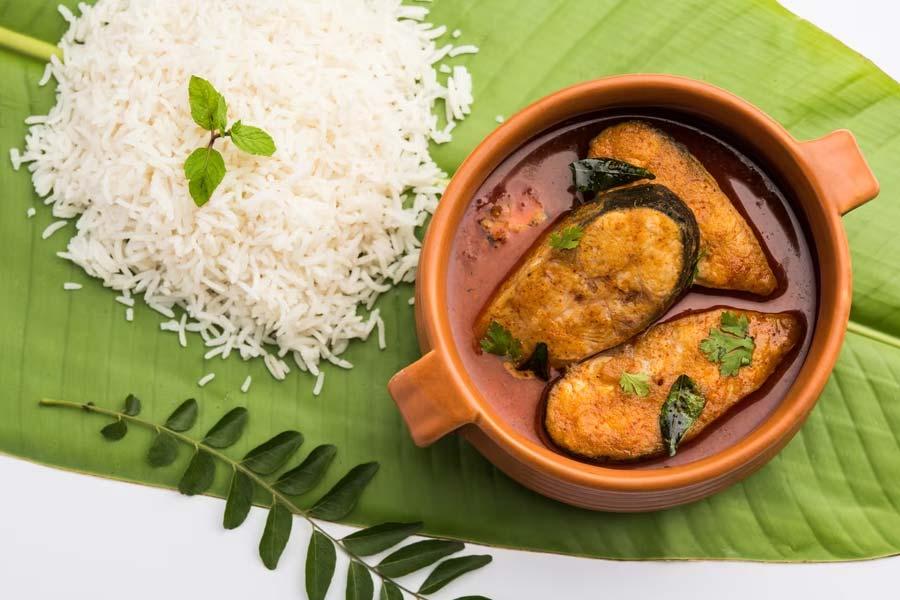


Food is an essential part of the coastal experience. Traditional cooking combines local ingredients, coconut, kokum, spices, seafood, and influences from Portuguese culinary traditions. Rice and fish curry are everyday favourites, while dishes such as prawn balchao, chicken cafreal, and pork vindaloo demonstrate the region’s distinctive flavours.
Vegetarian visitors can also find plenty to enjoy, including mushroom xacuti, vegetable curries, local breads, and coconut-based preparations. For dessert, bebinca is particularly well known. This layered sweet is traditionally prepared with ingredients such as coconut milk, eggs, sugar, and flour.
Food preferences and preparation methods vary between restaurants and households. If you have allergies or dietary restrictions, explain them clearly before ordering, particularly when dishes contain seafood, nuts, or unfamiliar spice blends. For an authentic experience, try a reputable local restaurant or family-run eatery rather than relying exclusively on resort menus.
Nature, Wildlife, Waterfalls, and Outdoor Adventures
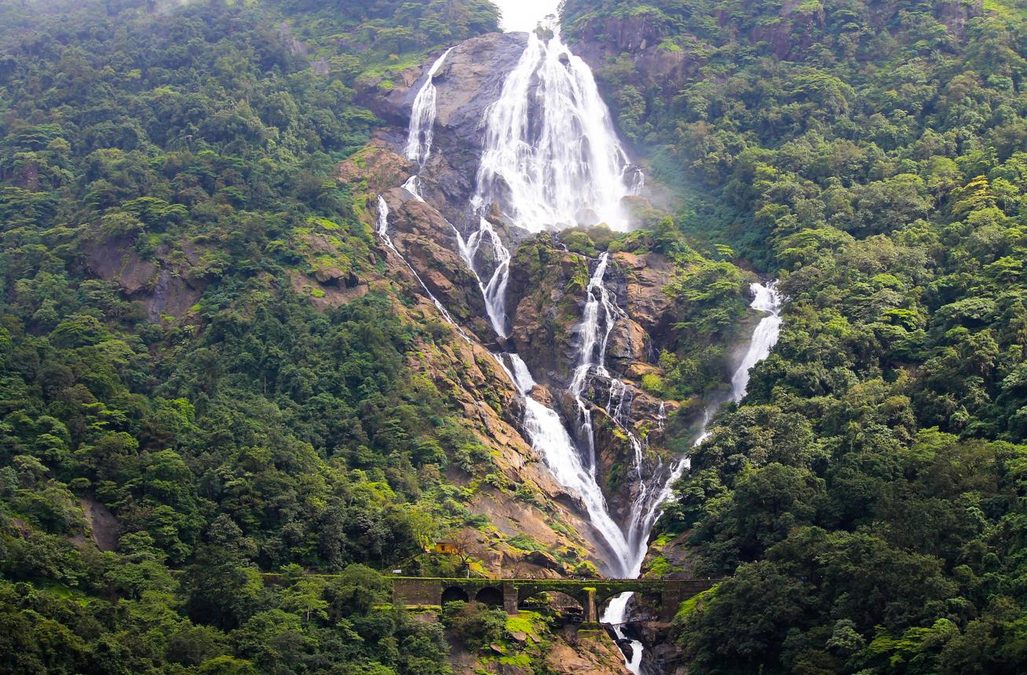
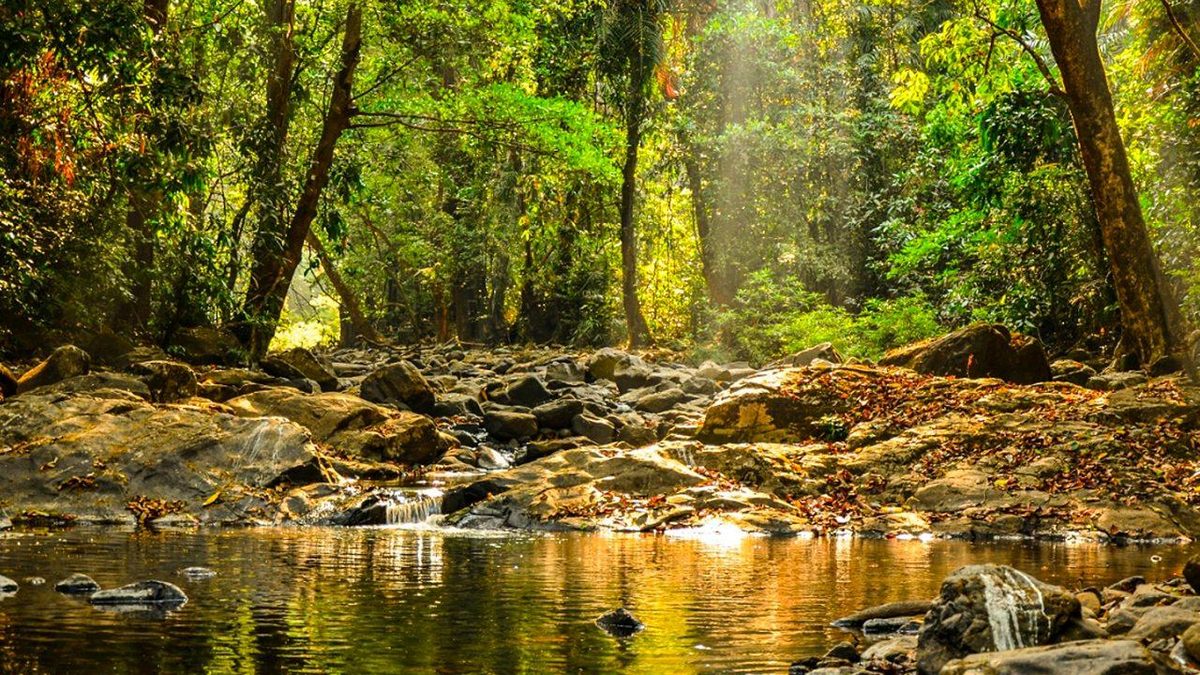
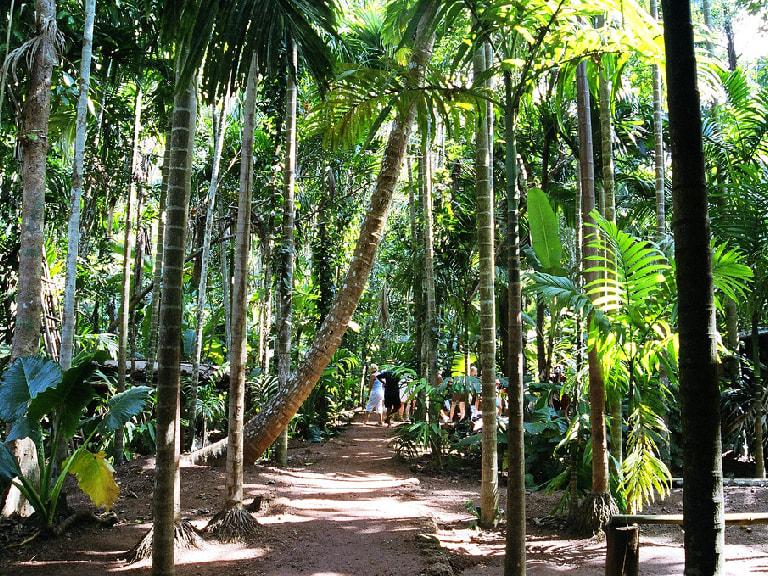
There is much more to explore beyond the shoreline. Dudhsagar Falls, located near the Goa–Karnataka border, is one of the region’s most spectacular natural attractions. Its dramatic cascade is especially impressive during and after the monsoon, although access arrangements and transport conditions can vary by season.
The Bhagwan Mahavir Wildlife Sanctuary and nearby Mollem National Park protect forest habitats and support a variety of wildlife and bird species. Nature enthusiasts can explore designated areas, take guided excursions, and learn about the Western Ghats ecosystem. Guided visits are particularly useful for understanding the landscape while respecting conservation rules.
Spice plantations offer another interesting excursion, introducing visitors to crops such as cardamom, pepper, cinnamon, and nutmeg. These visits can provide a closer look at traditional agriculture and the importance of spices in local cooking. During the rainy season, forest roads and trails may become slippery, so suitable footwear and local guidance are important.
Markets, Nightlife, Festivals, and Local Culture
Markets provide a lively introduction to everyday life. Anjuna Flea Market is known for clothing, handicrafts, accessories, souvenirs, and food stalls, while the markets around Mapusa offer a more traditional shopping experience. Visitors can look for handmade products, local spices, textiles, and decorative items, but comparing prices and checking product quality is sensible.
Nightlife is particularly prominent in parts of North Goa, including areas around Baga, Calangute, and Vagator. Beach clubs, live music venues, restaurants, and seasonal events attract visitors with different tastes. However, quieter evenings are easy to find in smaller villages and southern coastal areas.
Cultural celebrations add another dimension to the destination. Carnival, traditionally celebrated before Lent, features colourful costumes, music, dance, and street festivities. Other important events include Shigmo, a spring festival featuring folk performances and processions, and Christmas celebrations that reflect the region’s Christian heritage. Event dates and programmes can vary each year.
Best Time to Visit and How to Plan Your Trip
The most popular travel period generally runs from November to February, when conditions are usually pleasant for beach activities, sightseeing, and outdoor dining. December and January can be especially busy, so booking accommodation and transport early is advisable.
The monsoon season, typically from June to September, brings heavy rainfall and greener landscapes. It can be attractive for travellers interested in waterfalls, forests, and a quieter atmosphere, but rough seas and weather-related restrictions may limit beach activities. Summer, from March to May, is generally hotter and more humid, making early-morning sightseeing and air-conditioned accommodation useful.
| Season | Typical conditions | Best suited for |
|---|---|---|
| November–February | Generally pleasant and relatively dry | Beaches, sightseeing, festivals |
| March–May | Hotter and more humid | Relaxed stays and quieter resorts |
| June–September | Heavy monsoon rainfall | Green landscapes and waterfalls |
| October | Seasonal transition | Early-season visits and sightseeing |
A practical trip should balance travel time with the experiences you want. For example, a first-time visitor might spend several days exploring northern beaches and Panaji before travelling south for a quieter coastal stay. Those interested in history can dedicate time to Old Goa, while nature lovers may prefer an excursion towards the forested interior.
Getting Around, Accommodation, and Travel Safety
Dabolim Airport and Manohar International Airport are the main air gateways, serving different parts of the state. Rail connections and long-distance buses also link the region with major Indian cities. Once there, travellers can use taxis, app-based transport where available, rental scooters, and private vehicles. Always check licence, insurance, helmet, and rental conditions before choosing a two-wheeler.
Accommodation ranges from budget guesthouses and beach huts to boutique hotels, family resorts, and luxury villas. Staying near a busy beach can make restaurants and nightlife easier to reach, while inland accommodation may provide better value and a quieter atmosphere. Compare the property’s location, transport access, recent reviews, and cancellation policy before booking.
Basic precautions can prevent common travel problems. Keep valuables secure, use reputable transport providers, avoid isolated beaches after dark, and follow local swimming and water-sport guidance. During monsoon months, check road and weather conditions before travelling to waterfalls or forest attractions. Respect local customs, wildlife, and protected natural areas throughout your visit.
Frequently Asked Questions About Goa
What is Goa famous for?
Goa is famous for its beaches, Portuguese-influenced architecture, seafood, nightlife, colourful markets, churches, and tropical landscapes. It is also known for festivals, water sports, spice plantations, and a relaxed coastal lifestyle.
Which part of Goa is better for tourists, North or South?
North Goa is generally better for visitors seeking lively beaches, restaurants, shopping, and nightlife. South Goa is often preferred by travellers looking for quieter beaches, scenic resorts, and a slower holiday atmosphere. The best choice depends on your interests and travel style.
How many days are enough for a holiday in Goa?
Around five to seven days is a useful timeframe for a balanced visit. It allows time for beaches, historic attractions, local food, markets, and a nature excursion without making every day feel rushed. A shorter break can still be enjoyable if you focus on one area.
What is the best month to visit Goa?
December and January are popular because the weather is generally pleasant and many seasonal activities are available. November and February can also be excellent choices, sometimes offering a slightly less crowded experience than the busiest holiday weeks.
Is Goa suitable for families?
Yes. Families can enjoy quieter beaches, boat trips, historic landmarks, spice plantations, nature excursions, and family-friendly resorts. Choosing accommodation away from nightlife districts may make the stay more comfortable for visitors travelling with children.
Is Goa expensive for tourists?
Costs vary considerably according to season, accommodation, transport, and dining preferences. Budget guesthouses and local restaurants can make a trip affordable, while luxury resorts, private transfers, and premium beach clubs increase spending. Booking early during peak season can help manage costs.
Is Goa worth visiting during the monsoon?
It can be worthwhile for travellers who enjoy lush scenery, waterfalls, and a quieter atmosphere. However, heavy rain, rough seas, and seasonal restrictions may affect outdoor activities. Visitors should check local conditions and avoid entering unsafe water or restricted areas.
Conclusion: Discover the Many Sides of Goa
Goa offers far more than a traditional beach holiday. Its appeal comes from the combination of Arabian Sea coastlines, Portuguese-era landmarks, distinctive cuisine, lively markets, wildlife habitats, and festivals rooted in local traditions. Visitors can spend one day exploring historic churches and the next relaxing beside a quiet stretch of sand or discovering the green interior.
The most rewarding visit comes from choosing experiences that match your interests rather than trying to see everything at once. Explore both the popular attractions and the quieter corners, respect local communities, and leave room for unexpected discoveries. Whether you are planning a family break, a cultural journey, or an adventurous coastal escape, Goa offers a memorable introduction to India’s diverse western coastline.