



Surrounded by snow-capped Alpine peaks and the sparkling waters of Lake Lucerne, this Swiss city offers one of Europe’s most picturesque travel experiences. Historic wooden bridges, colourful medieval buildings, elegant waterfront promenades, and spectacular mountain scenery create an atmosphere that feels both timeless and welcoming.
Lucerne is an excellent destination for travellers interested in combining cultural sightseeing with outdoor adventures. Visitors can explore centuries-old landmarks in the morning, enjoy a relaxing boat cruise in the afternoon, and travel into the Swiss Alps for panoramic views the following day. Its convenient transport connections also make it a practical base for exploring central Switzerland.
Why Lucerne Is One of Switzerland’s Most Beautiful Destinations
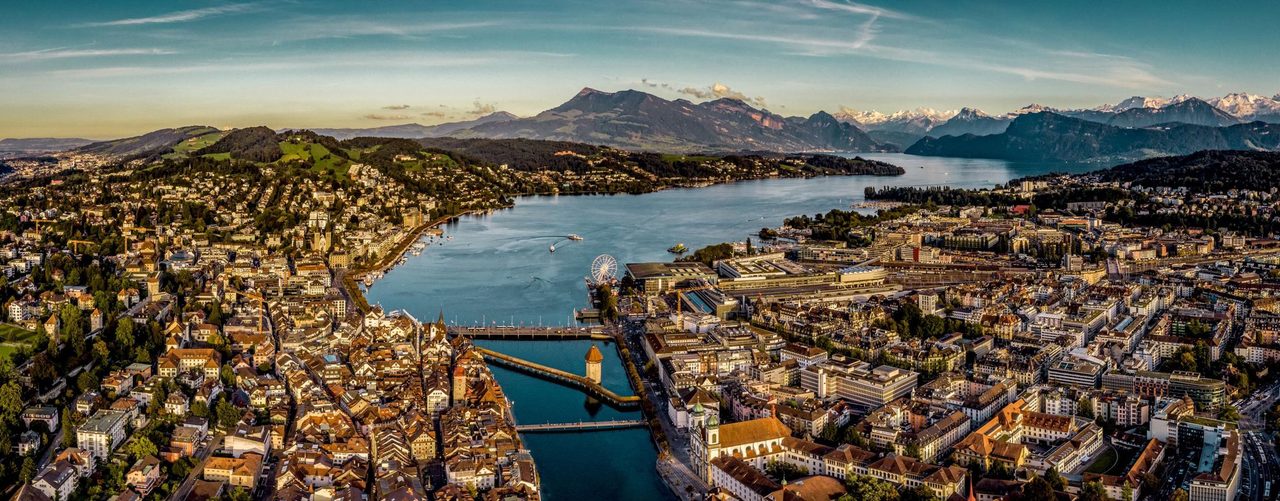
Located in central Switzerland, Lucerne sits beside Lake Lucerne, also known as Vierwaldstättersee, with mountains rising dramatically around the surrounding landscape. Its location makes it especially attractive for visitors who want to experience traditional Swiss scenery without staying in a remote mountain village. The city combines an accessible urban centre with easy connections to lakeside communities, hiking routes, and Alpine destinations.
What makes the destination particularly appealing is the balance between heritage and nature. The Old Town preserves historic architecture and traditional squares, while the lakefront offers open views of the surrounding mountains. Unlike larger European cities where sightseeing can involve long journeys between attractions, many of the central landmarks are within comfortable walking distance of one another.
Chapel Bridge and the Historic Old Town
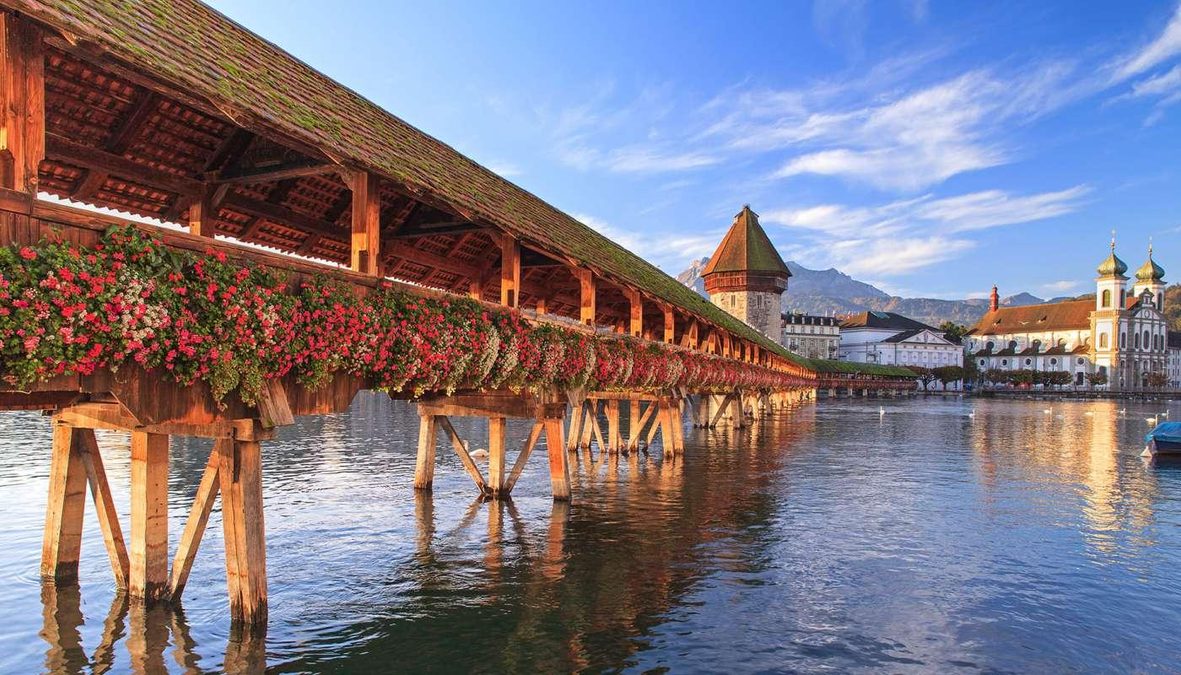

The most recognisable landmark is Chapel Bridge (Kapellbrücke), a covered wooden pedestrian bridge crossing the Reuss River. Originally constructed in the fourteenth century, it is one of Switzerland’s best-known historic structures. Its roofed walkway features triangular paintings depicting scenes from local and Swiss history, although some original sections were lost in a major fire in 1993 before restoration work returned much of the bridge to public use.
Beside the bridge stands the distinctive Water Tower (Wasserturm), an octagonal structure that has served different purposes throughout its history. Together, these landmarks create one of the city’s most photographed views, especially when flowers decorate the bridge during the warmer months.
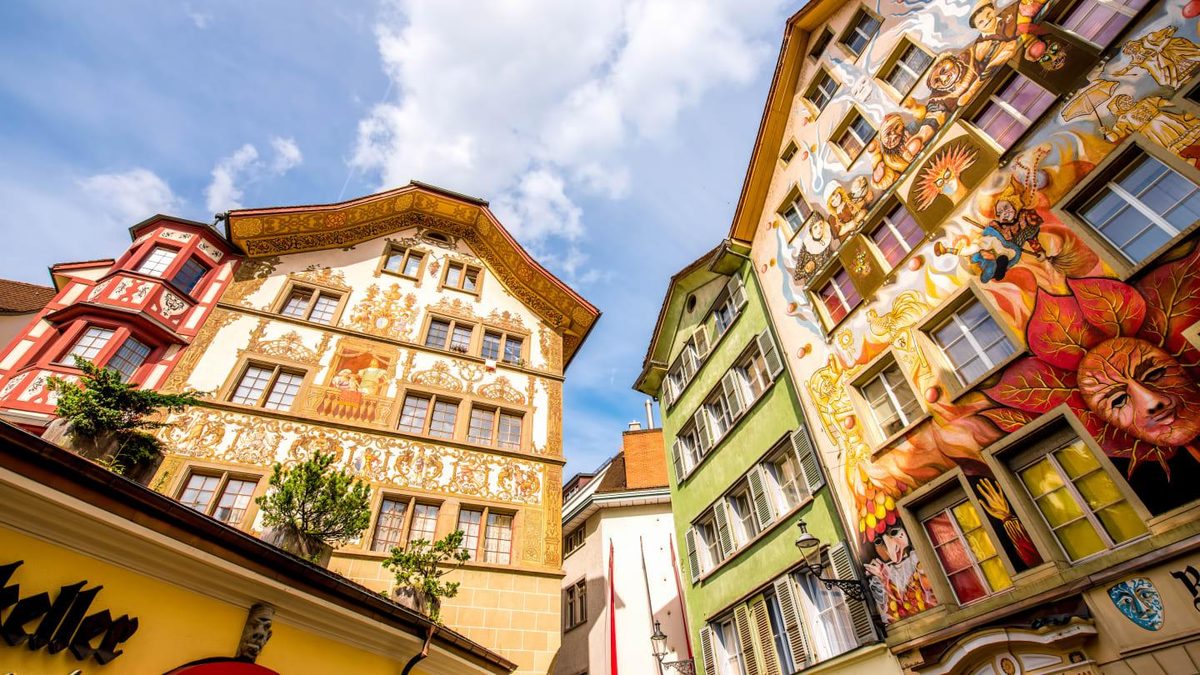
The nearby Old Town is equally rewarding. Narrow cobbled streets lead to colourful buildings decorated with painted façades, fountains, and historic signs. Weinmarkt, Hirschenplatz, and Kornmarkt are particularly attractive squares for walking, photography, and café stops. Exploring on foot allows visitors to appreciate architectural details that are easy to miss when travelling quickly between major attractions.
Lake Lucerne Cruises and Waterfront Experiences
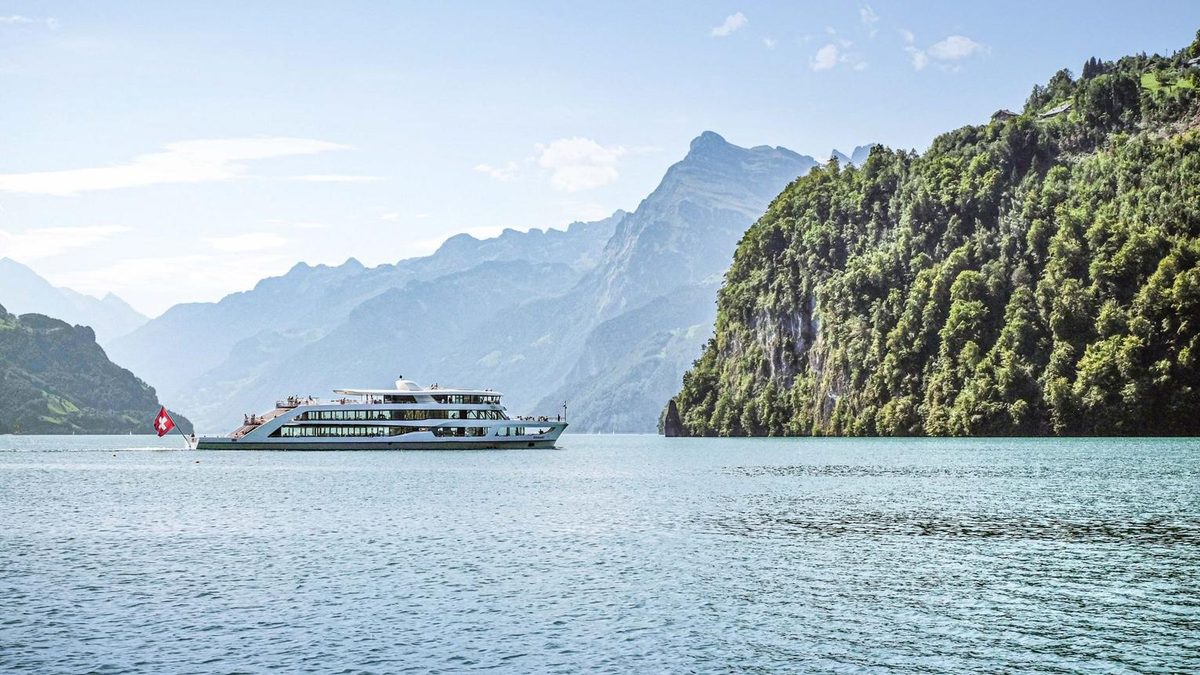

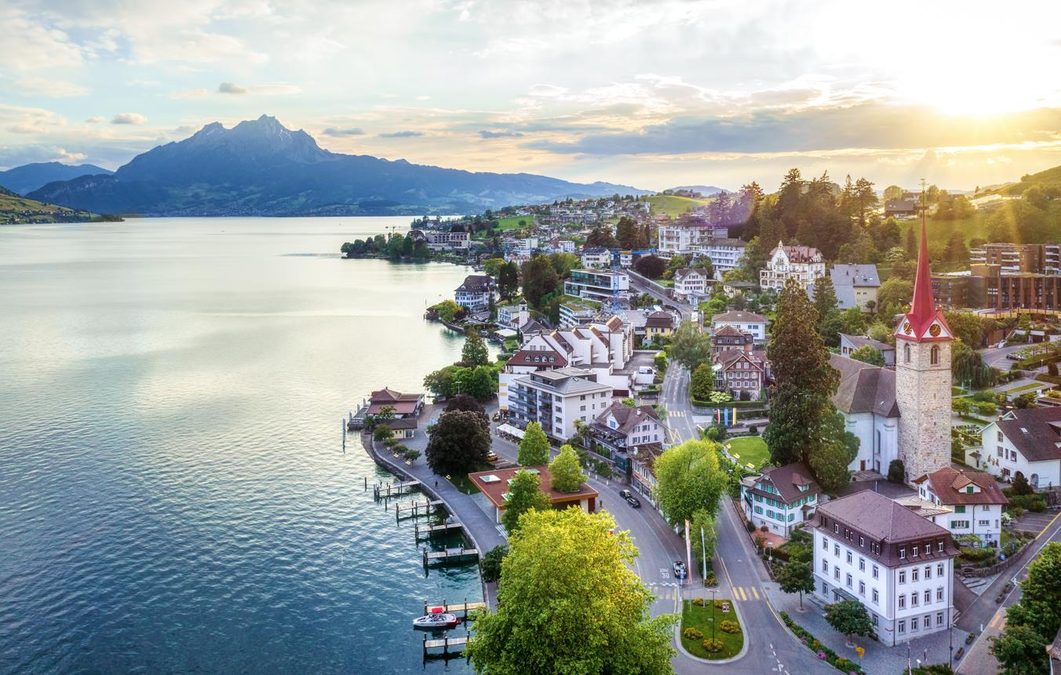
Lake Lucerne is one of the region’s defining attractions. Its irregular shoreline, sheltered bays, steep mountainsides, and picturesque villages create scenery that changes with every turn of the water. A boat cruise is one of the best ways to appreciate the landscape, particularly for visitors who want to see the surrounding mountains without undertaking a demanding hike.
Boat services connect the city with destinations such as Weggis, Vitznau, and other lakeside communities. Some routes use historic paddle steamers, offering a more traditional experience, while modern vessels provide comfortable sightseeing journeys. Travellers can combine a cruise with a mountain excursion, creating a varied day without needing to organise separate road transfers.
The lakefront promenade is another pleasant place to spend time. Visitors can enjoy views of the water, watch boats depart, or relax at a lakeside café. Weather can change quickly around the Alps, so checking the forecast and boat timetable before departure helps prevent unnecessary delays.
Mount Pilatus and Mount Rigi: Unforgettable Alpine Excursions
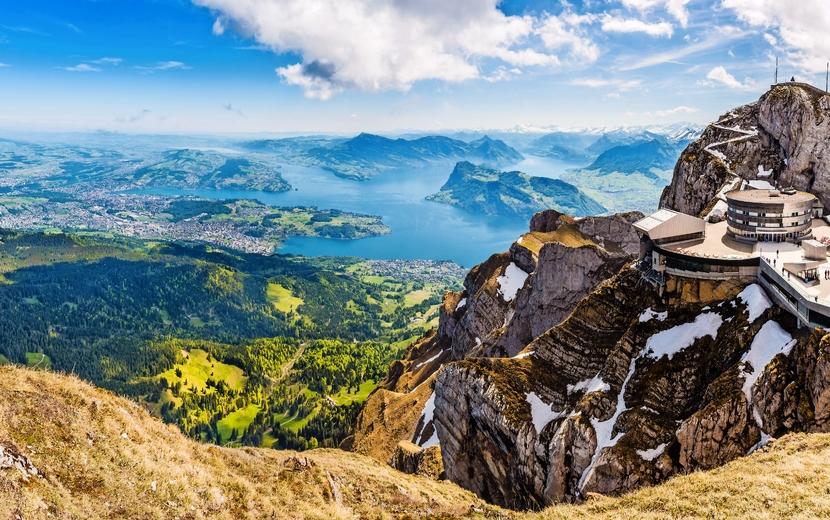


One of the most popular excursions from the city is Mount Pilatus, a mountain overlooking Lake Lucerne. Its summit area offers expansive views across central Switzerland, with hiking paths, viewpoints, and seasonal activities. Visitors can reach the mountain using a combination of cable cars and the famous cogwheel railway from Alpnachstad, whose steep gradient makes the journey an attraction in itself.
The Golden Round Trip is a popular way to experience different forms of transport, typically combining a boat journey, mountain railway, and cable car, depending on the operating season and timetable. It is important to check current schedules because services and route combinations can vary throughout the year.
Another excellent choice is Mount Rigi, often called the Queen of the Mountains. It is accessible by mountain railway and offers panoramic viewpoints, walking trails, and connections to lakeside villages. Rigi can be particularly attractive for travellers who prefer gentle hikes and broad landscape views rather than more demanding Alpine routes.
Museums, Monuments, and Swiss Cultural Heritage

The Lion Monument (Löwendenkmal) is one of the city’s most moving historic attractions. Carved into a sandstone rock face, it commemorates Swiss Guards who died during the French Revolution in 1792. The sculpture depicts a wounded lion resting over a shield, creating a powerful memorial in a peaceful garden setting.
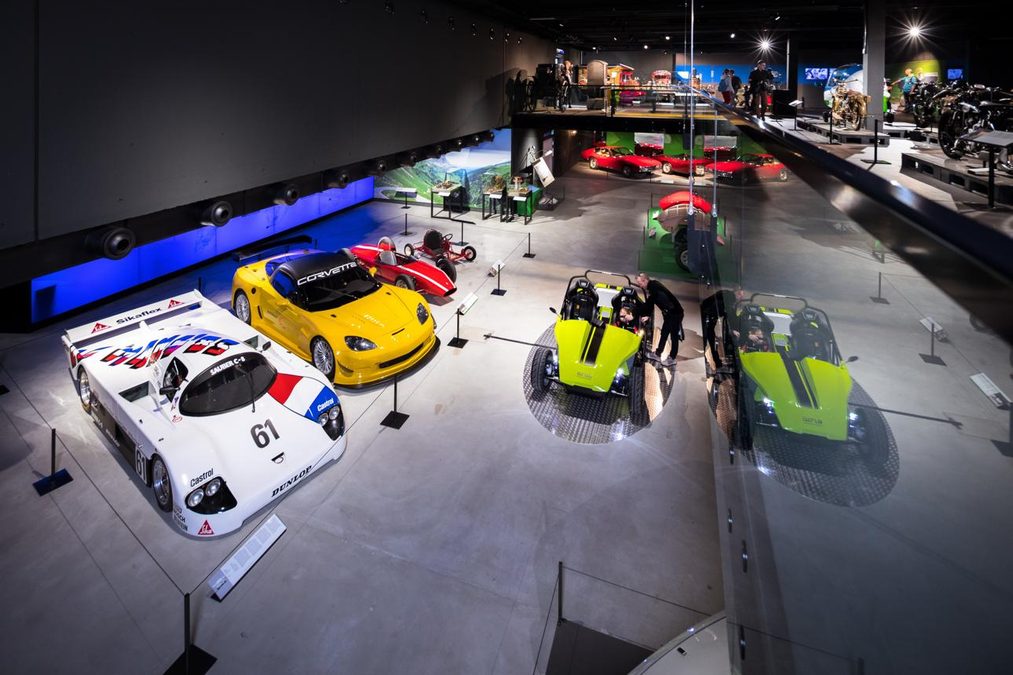
For a different experience, the Swiss Museum of Transport (Verkehrshaus der Schweiz) explores the country’s history of mobility, including railways, aviation, road transport, and space exploration. Its interactive exhibitions make it particularly suitable for families and visitors interested in engineering and technology. The museum can easily occupy several hours, so it is worth allowing sufficient time.
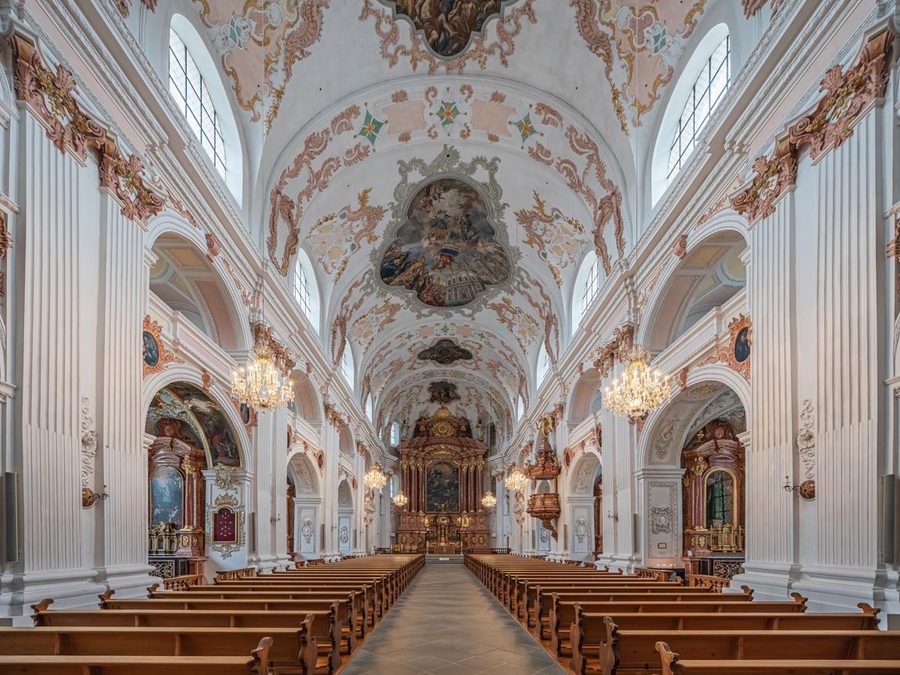
Other cultural highlights include the Jesuit Church, a striking Baroque building beside the Reuss River, and the Richard Wagner Museum, located in the former residence of the composer. These attractions reveal different aspects of Swiss religious, artistic, and musical history.
Swiss Food, Restaurants, and Traditional Experiences
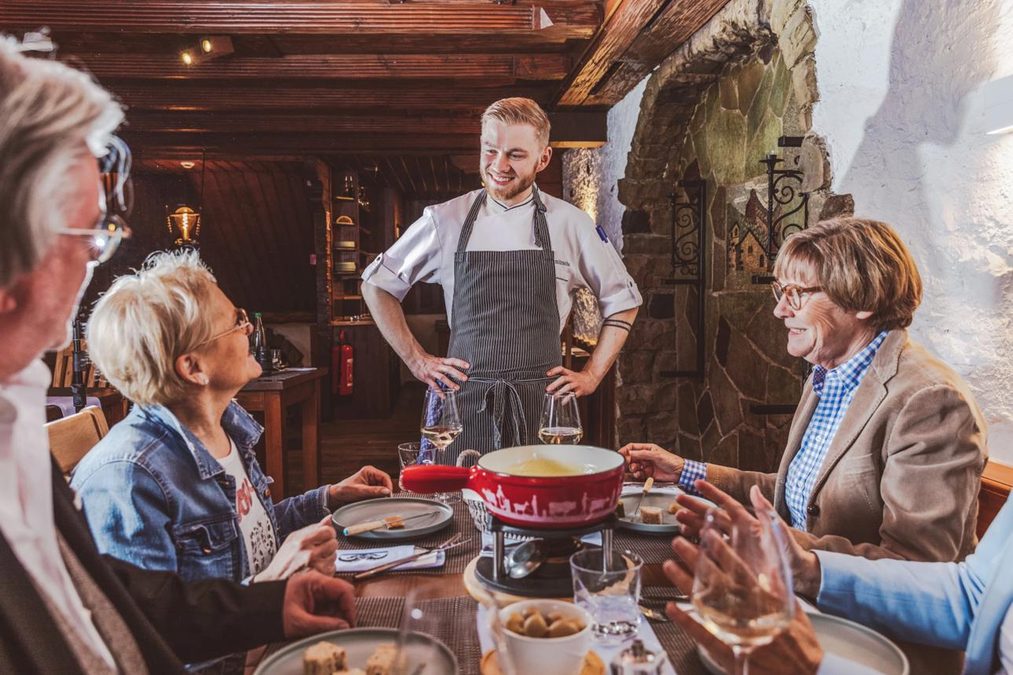


Food is another enjoyable part of a visit. Traditional Swiss dishes are especially satisfying after a day of sightseeing or mountain activities. Cheese fondue, made by melting cheese with wine and seasonings, is a classic communal meal, while raclette is served by melting cheese over potatoes and accompanying ingredients.
A regional speciality worth trying is Luzerner Chügelipastete, a pastry traditionally filled with creamy meat and mushroom preparations. Visitors can also find rösti, sausages, Alpine cheeses, fresh pastries, and Swiss chocolate in restaurants, cafés, and specialist shops. Menus vary, so checking ingredients is useful for anyone with dietary requirements.
Dining beside the lake or in the Old Town adds to the experience, although central waterfront restaurants can be more expensive. For better value, explore streets a little away from the busiest tourist areas or look for lunch menus. A local meal is not simply a break between attractions; it is an opportunity to experience regional traditions and ingredients.
Best Time to Visit and Seasonal Activities
Lucerne is a year-round destination, but the best time depends on the experiences you want. Spring and summer, generally from April to September, are popular for lake cruises, mountain excursions, cycling, and hiking. The landscape becomes greener, outdoor cafés reopen, and longer daylight hours make it easier to combine several activities in one day.
Autumn brings colourful foliage and often beautiful views across the lake, while winter offers a different atmosphere with festive decorations, cooler temperatures, and convenient access to nearby snow-covered mountains. Some high-altitude routes and mountain services operate seasonally, so visitors should confirm availability before planning a specific excursion.
| Season | Typical experience | Best activities |
|---|---|---|
| Spring | Fresh landscapes and milder weather | Old Town walks, early mountain trips |
| Summer | Longer days and warmer conditions | Lake cruises, hiking, cycling |
| Autumn | Colourful scenery and cooler air | Photography, scenic rail journeys |
| Winter | Snowy mountain views and festive atmosphere | Mountain excursions, museums, Christmas markets |
Getting Around, Accommodation, and Travel Costs
The historic centre is compact enough to explore on foot, while buses and trains provide convenient connections to other neighbourhoods and nearby destinations. Lucerne railway station is centrally located beside the lake, making it easy to arrive from major Swiss cities such as Zurich. Switzerland’s public transport network is generally reliable, but mountain services may follow seasonal schedules.
Accommodation ranges from luxury waterfront hotels and historic properties to guesthouses and budget-friendly options outside the busiest central streets. Staying near the railway station or Old Town is convenient for short visits, while accommodation in surrounding villages can provide quieter scenery. However, travellers should consider transfer costs and journey times before choosing a more distant property.
Switzerland is relatively expensive compared with many European destinations. Restaurant meals, hotels, mountain excursions, and transport can quickly increase the budget. The Swiss Travel Pass may be useful for visitors planning frequent public transport journeys and selected museum visits, but it is important to compare the current pass conditions and individual ticket prices before purchasing.
Frequently Asked Questions About Lucerne
How many days are enough to explore Lucerne?
Two to three days is a good starting point for most visitors. This allows time to explore the Old Town, Chapel Bridge, Lake Lucerne, and at least one mountain excursion. Travellers interested in museums, hiking, or nearby villages may benefit from staying longer.
What is Lucerne famous for?
The city is famous for Chapel Bridge, the Water Tower, Lake Lucerne, the Lion Monument, and its dramatic Alpine surroundings. It is also known for historic architecture, traditional Swiss cuisine, and easy access to Mount Pilatus and Mount Rigi.
Is Lucerne worth visiting in winter?
Yes. Winter brings beautiful mountain scenery, festive decorations, and opportunities to enjoy snow-covered Alpine landscapes. Some mountain attractions remain accessible, although weather and seasonal operating schedules can affect transport and outdoor activities.
Can you visit Mount Pilatus and Mount Rigi in one trip?
It is possible to visit both, but doing so in one day may feel rushed because each mountain requires travel time and offers several activities. Visitors with limited time may find it more enjoyable to dedicate a separate excursion to each destination.
Is Lucerne expensive for tourists?
Yes, it can be relatively expensive, particularly for hotels, restaurants, and mountain transport. Travellers can manage costs by booking accommodation early, using public transport efficiently, comparing excursion tickets, and choosing casual dining options.
What is the best way to get around Lucerne?
Walking is ideal for the Old Town and central attractions. Buses, trains, and boats are useful for reaching surrounding areas, while mountain railways and cable cars connect visitors with popular Alpine viewpoints.
What food should visitors try in Lucerne?
Traditional dishes include Luzerner Chügelipastete, cheese fondue, raclette, rösti, and Swiss chocolate. Sampling regional specialities in a traditional restaurant provides a worthwhile introduction to central Swiss food culture.
Conclusion: Discover the Timeless Beauty of Lucerne
From the historic charm of Chapel Bridge and the colourful Old Town to the peaceful waters of Lake Lucerne and the spectacular heights of Mount Pilatus, this Swiss destination offers an exceptional combination of culture, scenery, and outdoor adventure. Its museums, traditional cuisine, and historic monuments add depth to a visit that might otherwise focus only on mountain views.
The best experience comes from balancing sightseeing with time to enjoy the surroundings. Walk through the old streets, take a lake cruise, explore an Alpine viewpoint, and leave room for a relaxed meal beside the water. Lucerne is more than a picturesque stop on a Swiss itinerary; it is a destination where history and nature come together, creating memories that last long after the journey ends.