


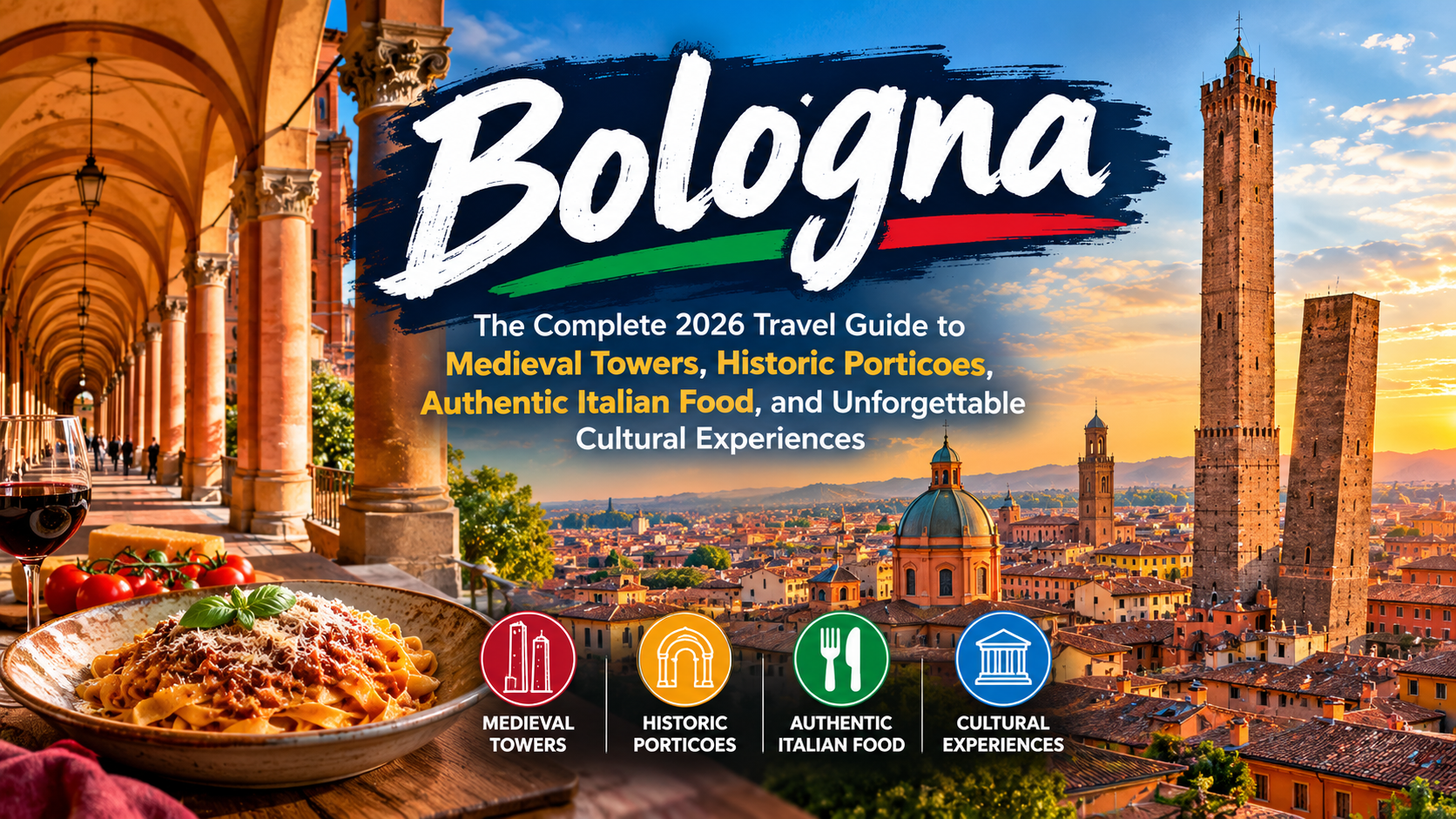
Bologna is one of Italy’s most rewarding destinations for travellers who want historic architecture, exceptional food, lively streets, and authentic local culture without the overwhelming crowds of some larger tourist cities. Located in the Emilia-Romagna region of northern Italy, it is famous for its medieval towers, extensive covered porticoes, elegant piazzas, and long-standing culinary traditions.
Often called La Dotta, La Grassa, La Rossa—the Learned, the Fat, and the Red—the city has three identities that explain much of its appeal. It is home to one of the world’s oldest universities, celebrated for rich regional cuisine, and recognised for its warm terracotta-coloured buildings. These qualities come together in a compact historic centre that is easy to explore on foot.
From tasting fresh tagliatelle al ragù to climbing historic towers and discovering Renaissance churches, there is plenty to experience. This guide covers the essential attractions, local dishes, neighbourhoods, travel seasons, and practical advice for planning a memorable visit.
Where Is Bologna and What Makes It Special?
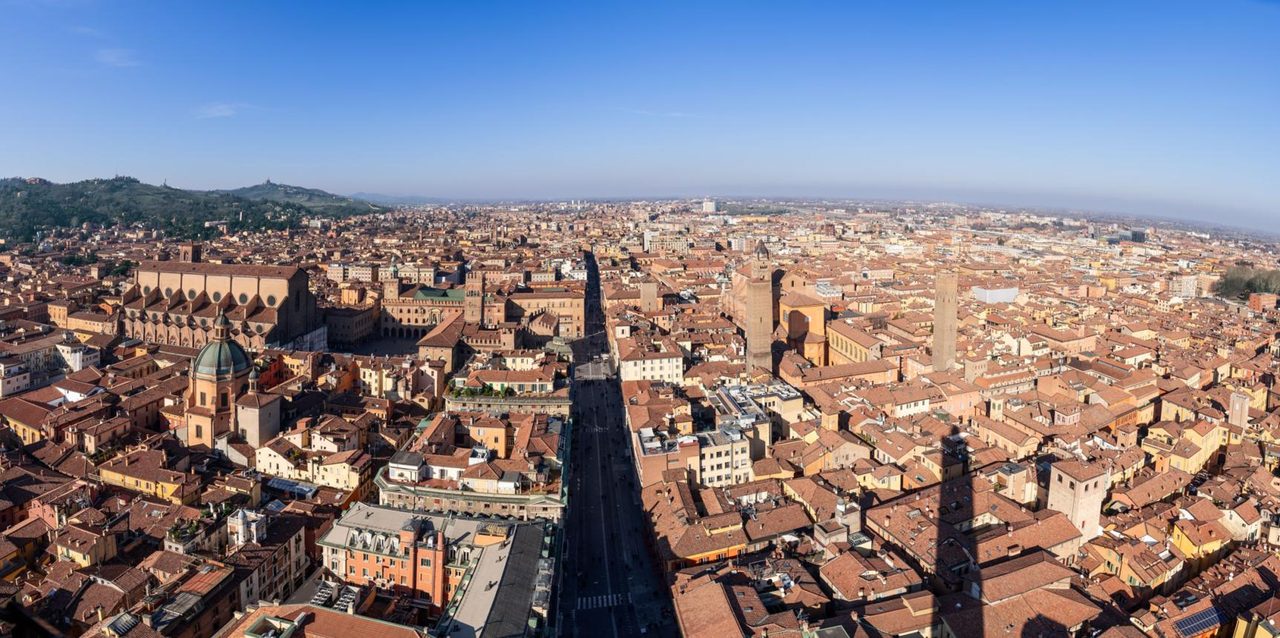


Bologna lies in northern Italy, between the Apennine Mountains and the Po Valley. It is the capital of Emilia-Romagna and an important transport and cultural hub, with direct rail connections to cities such as Florence, Milan, Venice, and Rome. Its central position makes it a convenient stop on a wider Italian itinerary, but the city deserves more than a quick station-to-station visit.
Its character comes from a combination of history and everyday life. The medieval centre is filled with narrow streets, lively markets, independent shops, traditional trattorias, and university buildings. Unlike destinations where historic landmarks feel separated from local neighbourhoods, here the old streets remain part of ordinary daily routines. Students gather in cafés, residents shop at food markets, and restaurants serve recipes that have been passed down through generations.
The city’s porticoes are one of its most recognisable features. These covered walkways stretch for many kilometres, providing shelter from rain and summer sun while connecting streets, churches, squares, and residential buildings. The porticoes of Bologna were recognised as a UNESCO World Heritage Site in 2021, highlighting their architectural and social importance.
Explore Piazza Maggiore and the Historic City Centre

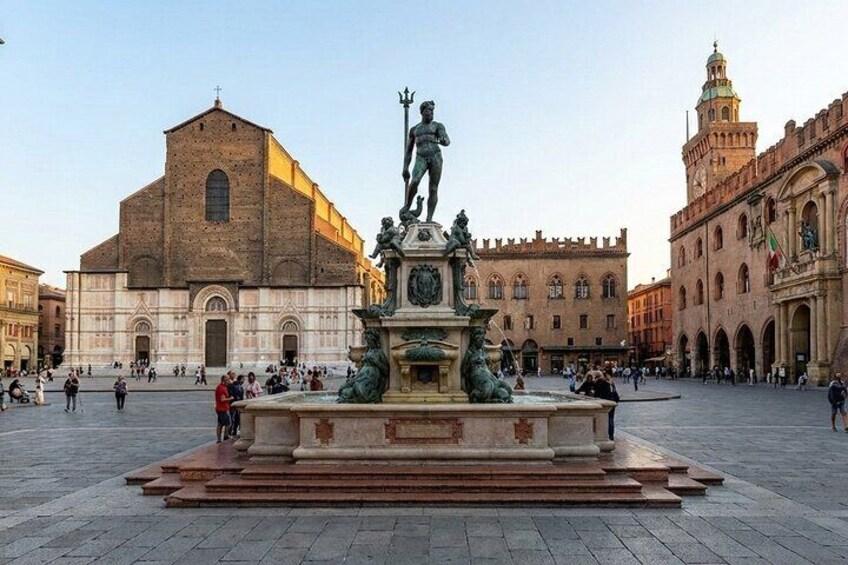

Piazza Maggiore is the natural starting point for exploring the historic centre. Surrounded by impressive medieval and Renaissance buildings, the square has served as a gathering place for civic, cultural, and public life for centuries. Its open space provides a striking contrast to the narrow streets and covered arcades nearby.
The most prominent landmark is the Basilica di San Petronio, one of the largest churches in Europe. Its unfinished façade is particularly distinctive: the lower section is decorated with marble, while the upper portion remains largely brick. Inside, visitors can admire chapels, historic artworks, and architectural details that reflect the city’s religious and artistic heritage.
Nearby, the Fontana del Nettuno, or Neptune Fountain, is another essential stop. Designed by sculptor Giambologna in the sixteenth century, it stands as an important example of Renaissance public art. The surrounding streets lead towards the Quadrilatero market district, where food shops, cafés, and traditional businesses create an energetic atmosphere throughout the day.
Discover the Two Towers and Bologna’s Medieval Skyline
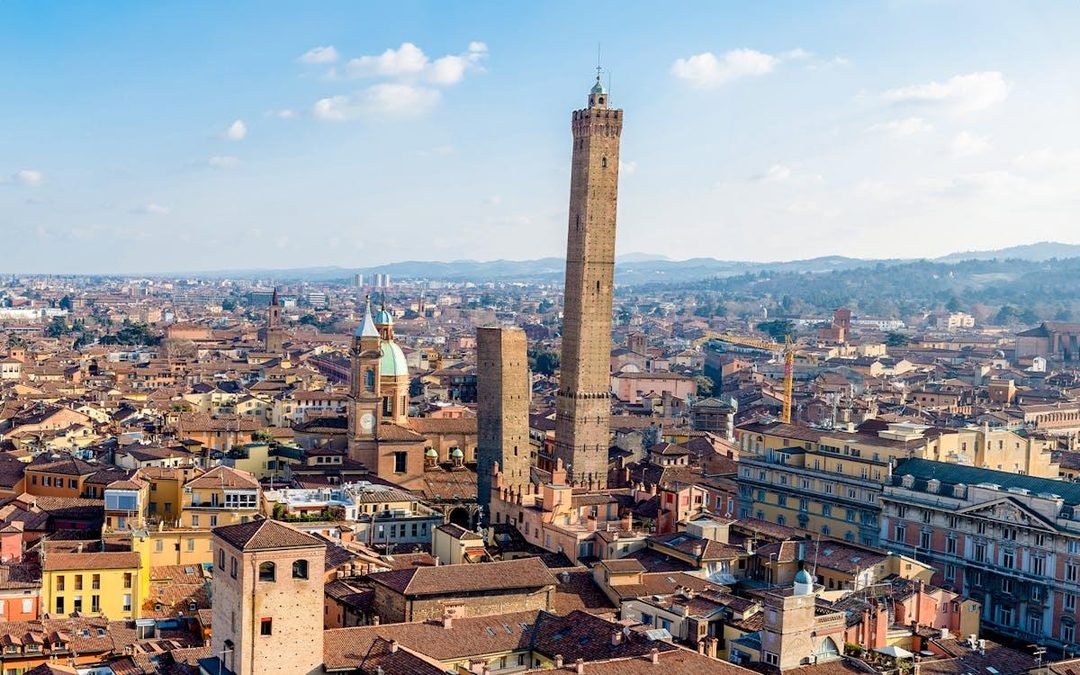


The Two Towers, known as Le Due Torri, are among the city’s most recognisable symbols. The Asinelli and Garisenda towers were built during the medieval period, when prominent families constructed tall structures as signs of wealth, influence, and defensive strength. Many towers once stood across the city, but only a smaller number survive today.
The Asinelli Tower traditionally offered visitors a chance to climb its long staircase for panoramic views across terracotta rooftops and surrounding hills. However, access arrangements can change, particularly because of conservation work and safety considerations. Check official visitor information before planning a climb. The Garisenda Tower is noticeably tilted and has been subject to monitoring and safety measures, so visitors should not assume it is accessible.
Even from street level, the towers are impressive. Their scale and unusual shapes make them a reminder of how different the medieval skyline once looked. For photographers, the surrounding streets provide excellent angles, especially when the warm afternoon light falls across the old brick buildings.
Walk Beneath the Famous Porticoes

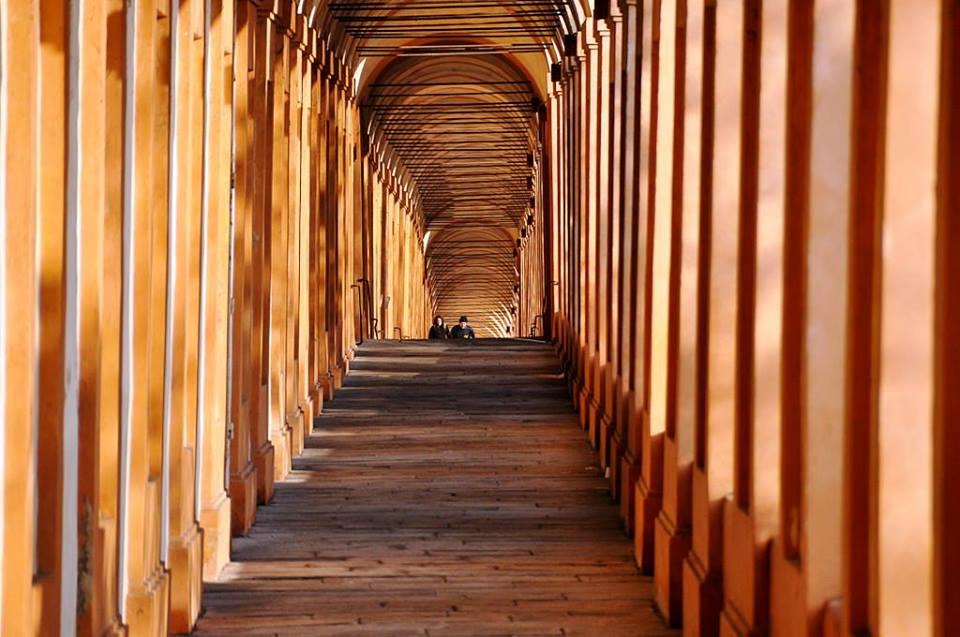
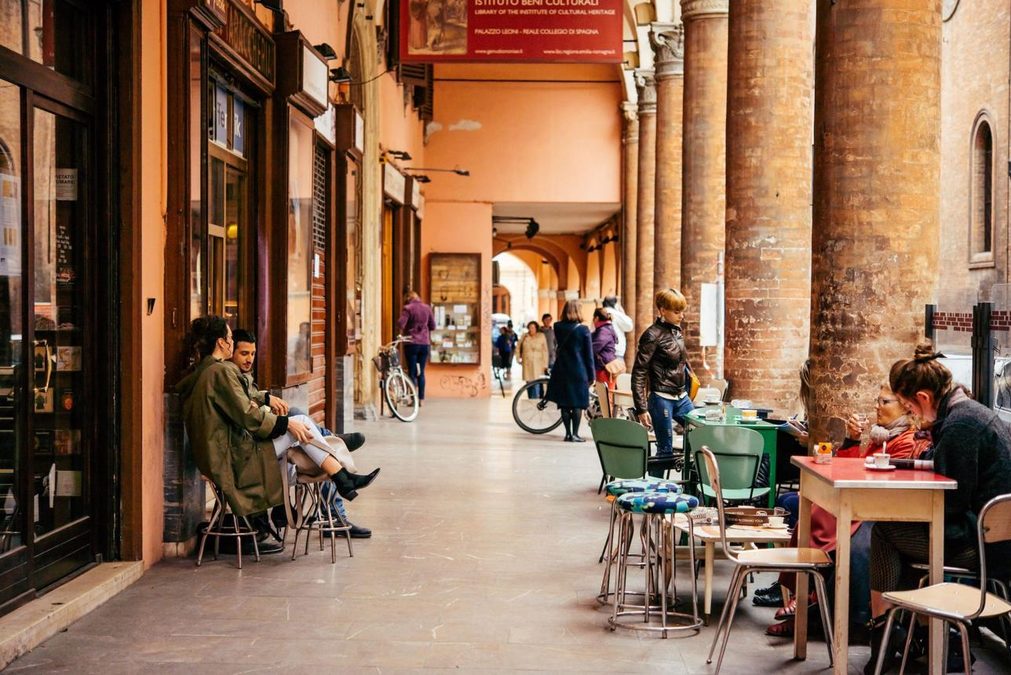
The porticoes are more than attractive architectural details; they are part of the city’s everyday identity. These covered walkways protect pedestrians from rain and strong sunlight, create sheltered spaces for shops and cafés, and connect different parts of the historic centre. Their variety is remarkable, ranging from simple medieval brick arches to elaborate Renaissance and later designs.
One of the most memorable routes leads towards the Sanctuary of the Madonna di San Luca, a hilltop church overlooking the city. The covered Portico di San Luca stretches for approximately 3.8 kilometres and includes hundreds of arches. Walking the route is a rewarding experience, although the steady uphill gradient means comfortable shoes and water are important.
The sanctuary offers sweeping views across the surrounding landscape. On clear days, the contrast between the city’s red rooftops and the green hills of Emilia-Romagna is particularly beautiful. If you prefer not to walk the full route, check local transport options for reaching the sanctuary and enjoying the viewpoint without the climb.
Taste Traditional Bolognese Food and Local Specialities
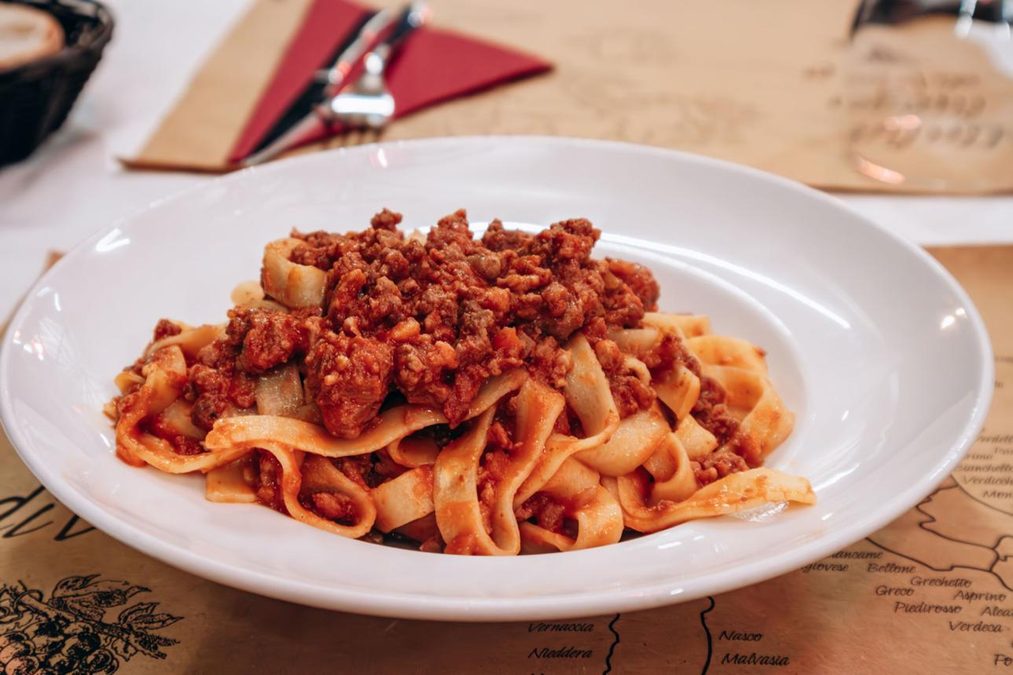
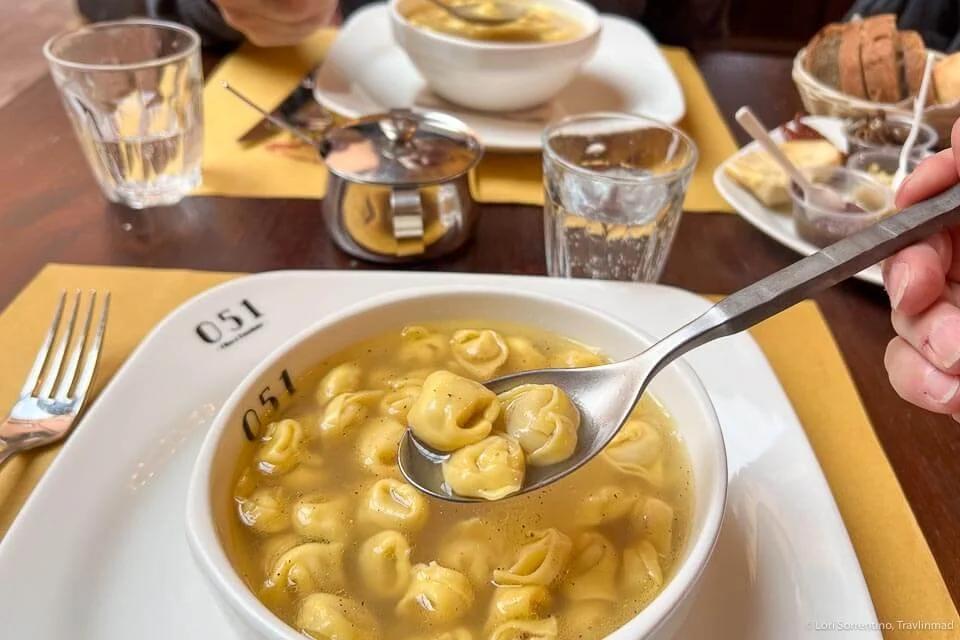
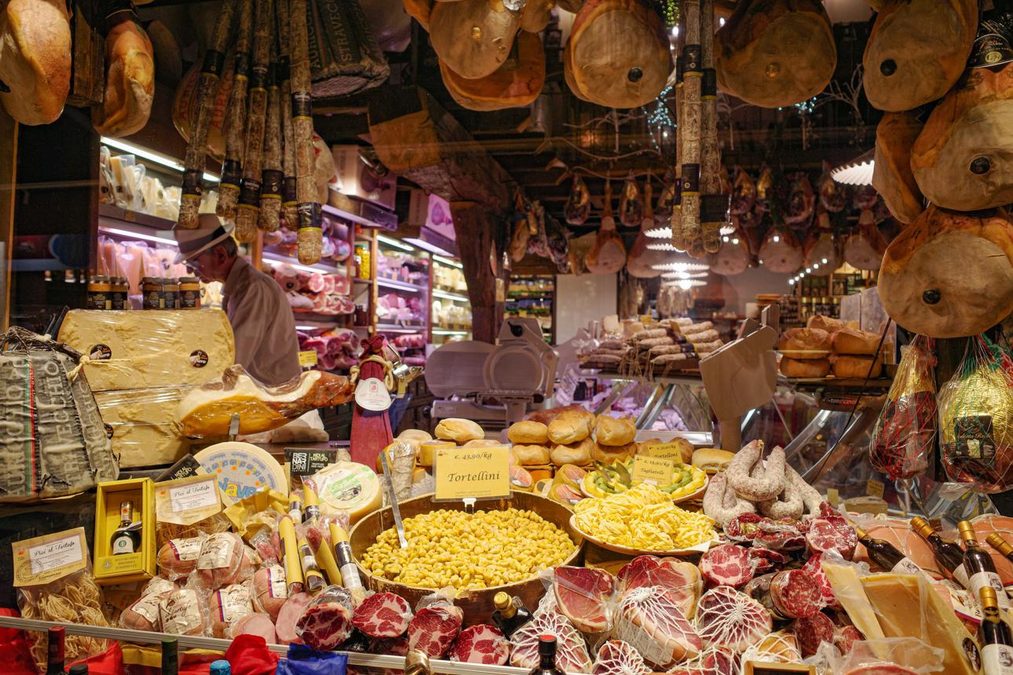
Food is one of the strongest reasons to visit Bologna. Emilia-Romagna is widely regarded as one of Italy’s great culinary regions, and the city’s traditional cooking reflects a culture built around fresh pasta, slow-cooked sauces, cured meats, cheese, and carefully prepared seasonal ingredients.
Start with tagliatelle al ragù, the local pasta dish often confused internationally with spaghetti Bolognese. Traditional ragù is a slowly cooked meat sauce, typically served with fresh egg tagliatelle. The sauce is rich rather than overly tomato-heavy, and its flavour develops through patient cooking. The Accademia Italiana della Cucina deposited an official recipe for ragù alla bolognese with the Bologna Chamber of Commerce, reflecting the importance placed on preserving the dish’s traditional identity.
Other specialities include tortellini in brodo, small filled pasta served in a clear broth; lasagne verdi, traditionally made with green spinach pasta; and mortadella, the city’s famous finely textured cured sausage. Parmigiano Reggiano cheese and traditional balsamic vinegar from nearby Modena also feature prominently in the wider regional food culture.
| Local speciality | What it is | What to expect |
|---|---|---|
| Tagliatelle al ragù | Fresh egg pasta with slow-cooked meat sauce | Rich, savoury flavour |
| Tortellini in brodo | Small filled pasta served in broth | Comforting and delicate |
| Lasagne verdi | Layered pasta with ragù and béchamel | Hearty baked dish |
| Mortadella | Traditional cooked pork sausage | Mild, aromatic, finely textured |
| Crescentine | Fried bread served with cured meats and cheese | Ideal for sharing |
| Certosino | Traditional festive cake | Rich flavours with fruit and nuts |
For a more authentic food experience, explore the Quadrilatero, the historic market area near Piazza Maggiore. Its narrow streets are lined with delicatessens, bakeries, pasta shops, and traditional food businesses. Rather than choosing the first restaurant in a busy square, look for places with seasonal menus, a clear focus on regional cooking, and a good mix of local diners and visitors.
Visit the University Quarter, Museums, and Cultural Attractions

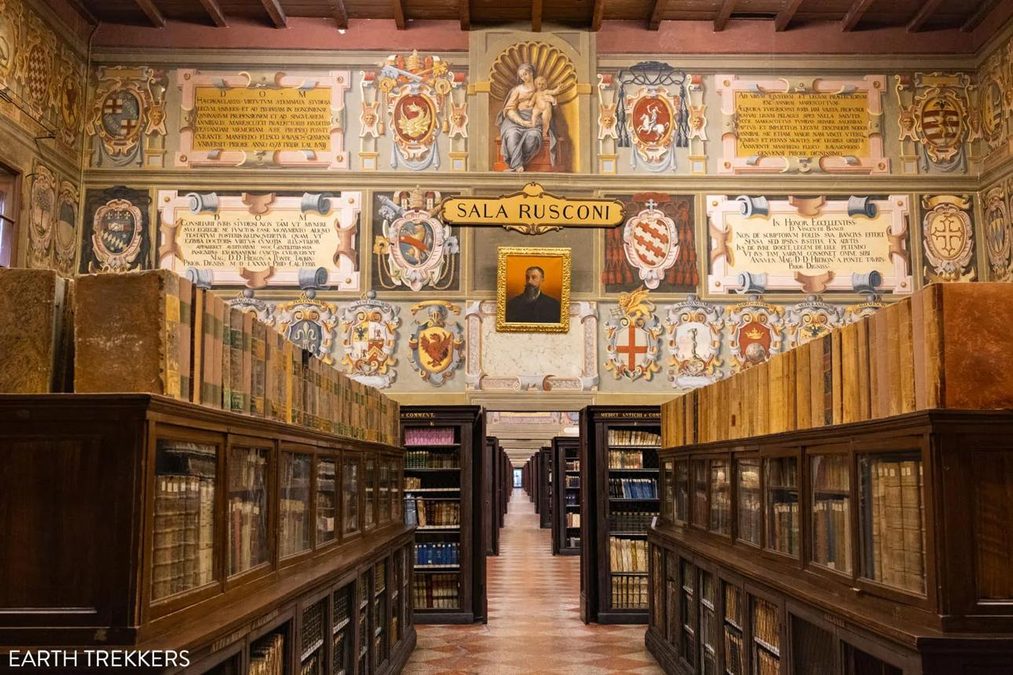
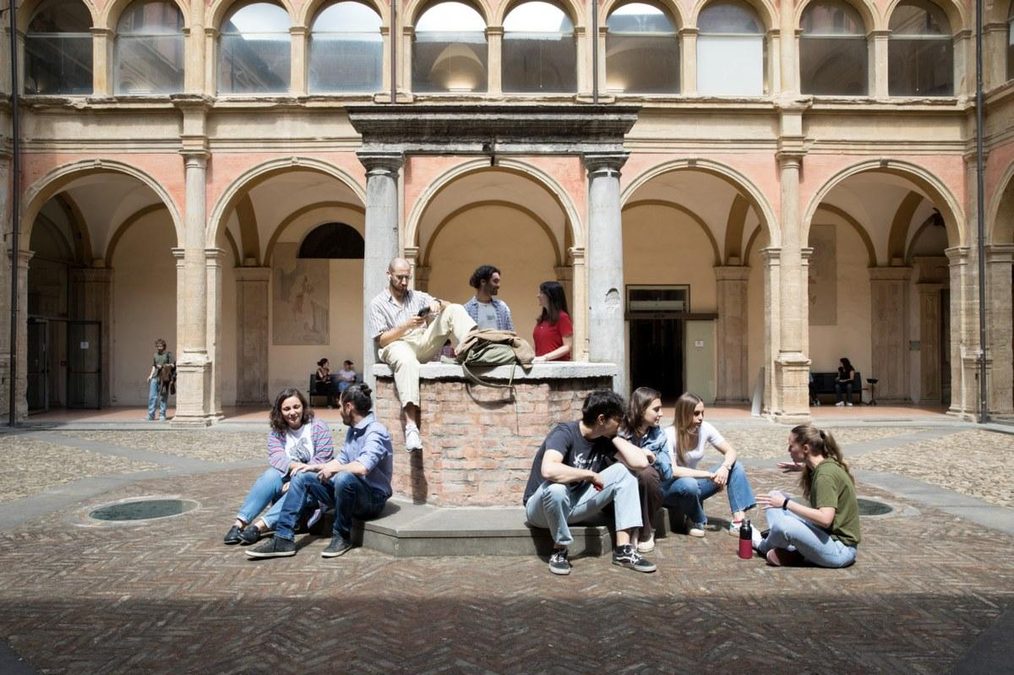
The city’s academic heritage is central to its identity. The University of Bologna, traditionally dated to 1088, is widely recognised as the oldest university in continuous operation in the Western world. Its long history helped establish the city as a centre of scholarship, law, medicine, and intellectual exchange. The university district still feels lively, with students filling cafés, bookshops, and public spaces.
One of the most fascinating places to visit is the Archiginnasio, a historic university building that once served as the institution’s main seat. Its decorated corridors display thousands of coats of arms, while the famous Anatomical Theatre reveals how medical teaching was conducted in earlier centuries. The carved wooden interior makes it one of the city’s most memorable historic rooms.
Art enthusiasts should also consider the Pinacoteca Nazionale di Bologna, which houses important works by artists associated with the region and wider Italian art history. For a more unusual cultural experience, the Museo Civico Archeologico displays archaeological collections that trace the area’s ancient past. Check museum opening hours and temporary exhibitions before visiting, particularly if you have limited time.
Explore the Best Neighbourhoods and Local Markets
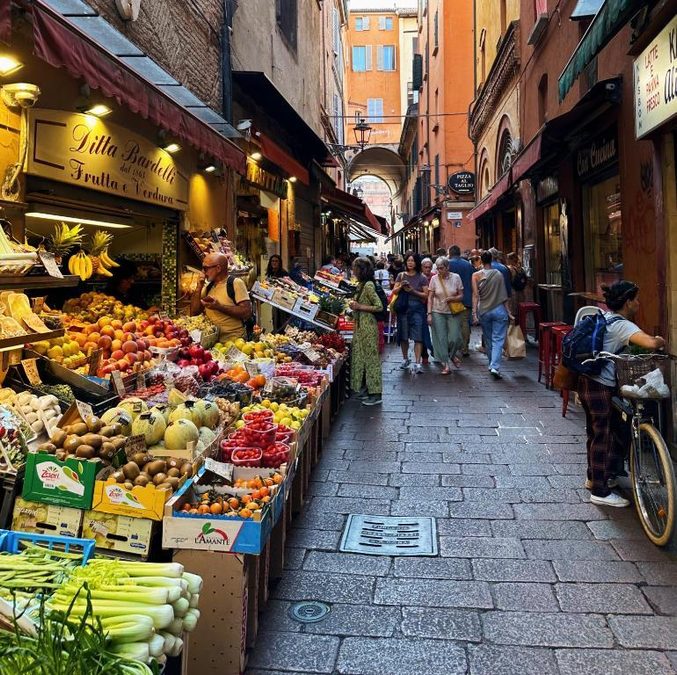
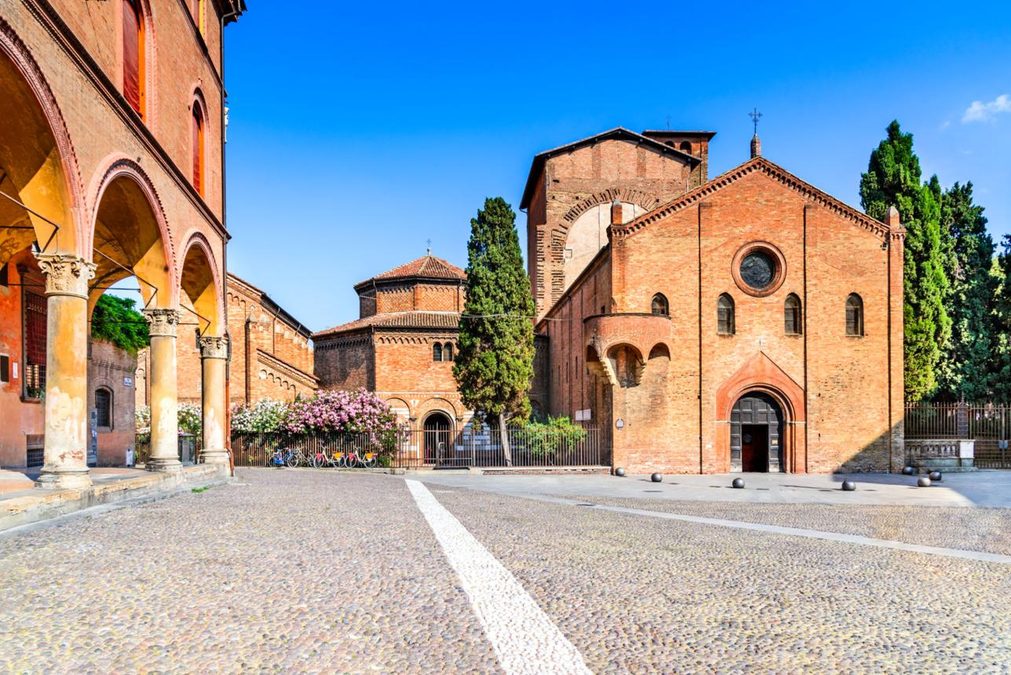
Beyond the main monuments, different neighbourhoods reveal different sides of the city. The Santo Stefano area is known for its elegant streets and the complex of religious buildings commonly called the Seven Churches. Its quieter atmosphere makes it a pleasant place for a morning walk, particularly if you want to explore historic architecture away from the busiest central squares.
The University Quarter, especially around Via Zamboni, has a youthful character shaped by students and cultural venues. Meanwhile, the Quadrilatero is best explored around lunchtime, when food shops and market streets are at their liveliest. For a more local perspective, walk beyond the main tourist routes and look for small bakeries, neighbourhood cafés, and independent shops.
Markets are particularly useful for understanding regional food culture. You can see fresh pasta being prepared, browse local cheeses and cured meats, and discover seasonal produce. If you are staying in accommodation with cooking facilities, a market visit can also become a practical way to enjoy local ingredients without dining out for every meal.
Best Time to Visit and How to Get Around
Spring and early autumn are generally the most comfortable seasons for exploring the city’s streets and nearby hills. April to June and September to October often bring pleasant walking conditions, although rain and temperature changes are possible. Summer can be hot, and the historic centre may feel especially warm during the middle of the day. Winter is quieter, with cooler weather and a more relaxed atmosphere, though daylight hours are shorter.
The city is well connected by rail, making it easy to arrive from other Italian destinations. Bologna Centrale is a major railway station with high-speed services to Florence, Milan, Venice, and Rome. From the station, the historic centre is reachable on foot or by local transport. The airport is connected to the city by the Marconi Express people mover, but travellers should check current operating details and fares before departure.
| Travel need | Practical advice |
|---|---|
| Best seasons | Spring and early autumn for comfortable walking |
| Airport connection | Marconi Express links the airport with the railway station |
| Intercity travel | High-speed trains connect major Italian cities |
| Getting around | Walk through the centre; use buses for longer distances |
| Parking | Check restricted traffic zones before driving into the centre |
| Footwear | Choose comfortable shoes for cobblestones and long walks |
A common mistake is driving directly into the historic centre without checking its Zona a Traffico Limitato (ZTL) restrictions. These restricted traffic zones are monitored, and unauthorised vehicles can receive fines. Visitors with rental cars should confirm hotel parking arrangements and use designated car parks outside restricted areas where appropriate.
Where to Stay and How Many Days to Spend
Choosing the right accommodation depends on your travel style. Staying near Piazza Maggiore puts you within easy walking distance of major landmarks, restaurants, and historic streets. The area around Bologna Centrale is convenient for travellers arriving by train or planning day trips, while the university district offers a lively atmosphere with cafés and more budget-conscious accommodation options.
Two full days are enough to explore the main historic centre, enjoy traditional food, visit a museum, and walk beneath the porticoes. Three days allow a more relaxed itinerary, including the San Luca sanctuary, additional neighbourhoods, and longer meals. If you have extra time, consider day trips to nearby Modena, Parma, or Ravenna, each offering its own cultural and culinary attractions.
Frequently Asked Questions About Bologna
Is Bologna worth visiting?
Yes. The city offers a rewarding combination of medieval architecture, historic porticoes, renowned food traditions, museums, and a lively university atmosphere. It is also a practical base for exploring Emilia-Romagna and travelling to other major Italian cities. Visitors who enjoy food, culture, and walkable historic destinations will find plenty to appreciate.
How many days do you need in Bologna?
Two days are usually enough to see the main attractions, including Piazza Maggiore, the Two Towers area, the Archiginnasio, and the Quadrilatero food district. Three days provide more time for the San Luca sanctuary, museums, neighbourhood walks, and relaxed meals. A longer stay is worthwhile if you want to explore nearby towns.
What food is Bologna famous for?
The city is particularly known for tagliatelle al ragù, tortellini in brodo, lasagne verdi, mortadella, and crescentine. These dishes reflect the culinary traditions of Emilia-Romagna, where fresh pasta, cured meats, cheese, and slow-cooked sauces are important parts of local cuisine.
What is the best time to visit Bologna?
Spring and early autumn are generally the most comfortable periods for sightseeing, with milder temperatures suited to walking. Summer can be hot, especially around midday, while winter is cooler and often quieter. Travellers should check seasonal opening hours and local event dates before finalising their plans.
Is Bologna easy to explore without a car?
Yes. The historic centre is compact and highly walkable, and its extensive porticoes make exploring on foot convenient in different weather conditions. Local buses help with longer journeys, while the railway station provides excellent connections to other Italian cities. A car is unnecessary for most city-centre sightseeing.
What is Bologna famous for besides food?
It is known for its medieval towers, UNESCO-listed porticoes, the University of Bologna, historic churches, and terracotta-coloured architecture. Its cultural identity also reflects centuries of academic activity, civic traditions, and artistic development. The combination of heritage and everyday student life gives the city a distinctive atmosphere.
Can you visit Bologna as a day trip from Florence?
Yes. High-speed trains connect Florence and Bologna, making a day trip practical. You can explore the main square, visit the Two Towers area, enjoy a traditional lunch, and walk through the historic centre. However, staying overnight allows more time for museums, markets, and the city’s evening dining scene.
Conclusion: Discover the Historic and Culinary Heart of Emilia-Romagna
Bologna offers a memorable Italian experience built around more than famous pasta dishes. Its medieval towers, UNESCO-recognised porticoes, historic university, atmospheric markets, and elegant piazzas reveal a city with a strong sense of identity. The surrounding Emilia-Romagna region adds even more possibilities through its food traditions, historic towns, and excellent rail connections.
For the most rewarding visit, explore the centre on foot, take time to enjoy local cooking, and look beyond the busiest landmarks to discover neighbourhood streets and everyday life. The real appeal of Bologna lies in how naturally its history, food, and contemporary culture fit together—making it a destination worth experiencing slowly rather than simply checking off a list of attractions.