



Discovering Ottawa: Canada’s Capital City
Ottawa is Canada’s capital, a destination where national history, impressive architecture, cultural institutions, and outdoor experiences come together along the Ottawa River. Located in southeastern Ontario, close to the Quebec border, the city combines the atmosphere of a historic European-style capital with the green spaces and modern attractions of a contemporary Canadian centre.
Unlike cities known primarily for nightlife or shopping, its appeal lies in its variety. Visitors can explore the country’s political landmarks, discover Indigenous and Canadian history in major museums, walk beside the Rideau Canal, and enjoy lively neighbourhoods filled with restaurants, independent shops, and cafés. Its bilingual character also creates a distinctive cultural atmosphere, with English and French both prominent in everyday life.
Whether planning a weekend break or a longer Canadian holiday, understanding the city’s neighbourhoods, seasons, transport, and major attractions makes it easier to build a rewarding itinerary.
Parliament Hill and Canada’s National Landmarks
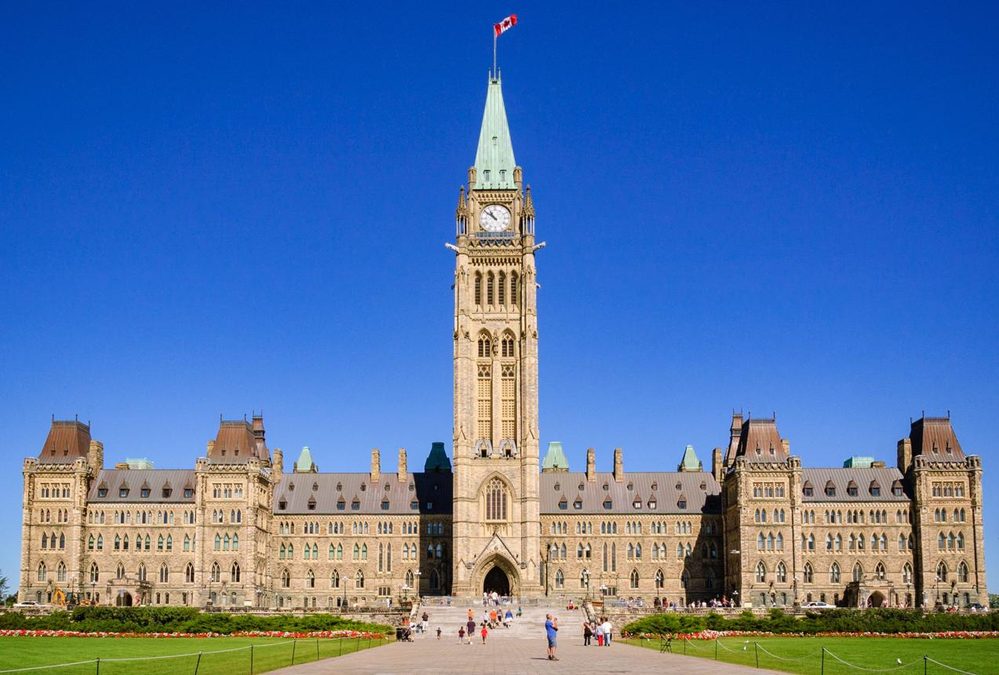

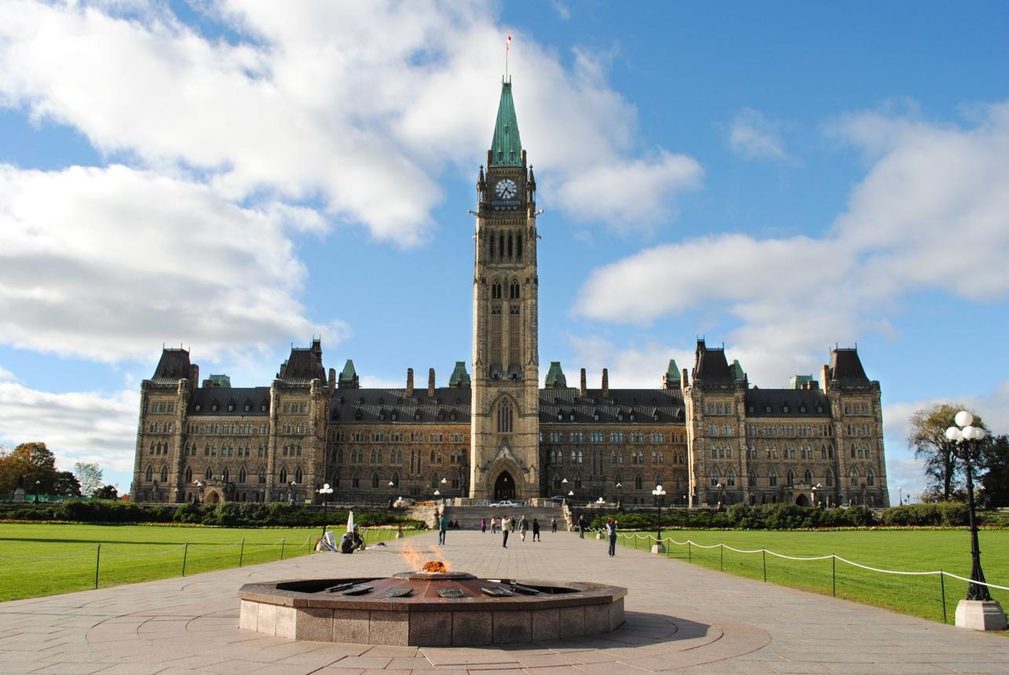
Parliament Hill is the defining landmark of the capital and one of the most recognisable places in Canada. Rising above the Ottawa River, its Gothic Revival buildings house the federal Parliament and represent the country’s democratic institutions. The Centre Block, Peace Tower, and surrounding parliamentary buildings create an impressive architectural setting, particularly when viewed from the riverfront.
Visitors traditionally explore the grounds, admire the historic façades, and attend guided experiences when available. Access to buildings, tours, and ceremonial events can change because of restoration work, parliamentary schedules, and security arrangements. Checking official visitor information before arriving is therefore essential. Even when interior access is limited, the exterior architecture and surrounding views make the area worth exploring.
Nearby landmarks add context to the national story. The National War Memorial honours Canadians who served in military conflicts, while Confederation Square provides a central point for understanding the capital’s ceremonial landscape. Together, these sites help explain how history, public memory, and national identity shape the city.
The Rideau Canal and Ottawa’s Outdoor Attractions
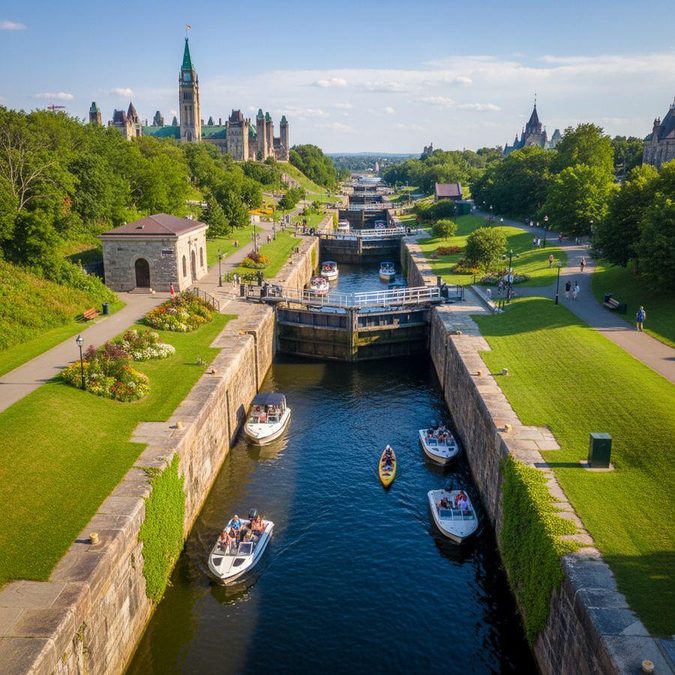


The Rideau Canal is one of the capital’s most celebrated attractions and a UNESCO World Heritage Site. Completed in the nineteenth century as a strategic transportation route, it connects the Ottawa River with Lake Ontario at Kingston. Today, its historic locks, waterways, walking paths, and recreational opportunities make it an important part of local life.
In warmer months, visitors can walk or cycle along the canal, watch boats pass through the locks, or enjoy views from nearby bridges. Boat cruises provide another perspective on the city’s landmarks and historic waterfront. The scenery changes considerably through the seasons, making the canal attractive to photographers and outdoor enthusiasts throughout the year.
Winter creates a particularly distinctive experience. When weather and ice conditions allow, sections of the Rideau Canal Skateway open for public skating. It is widely recognised as one of the world’s largest naturally frozen skating rinks, although operating conditions depend on sustained cold temperatures and official safety assessments. Visitors should always check current opening information rather than assume the full route is available.
Canada’s National Museums and Cultural Experiences


One of the strongest reasons to visit the capital is its concentration of national museums. The Canadian Museum of History, located across the river in Gatineau, Quebec, explores the country’s human history, Indigenous cultures, and changing national identity. Its architecture and riverside location also provide excellent views towards Parliament Hill.
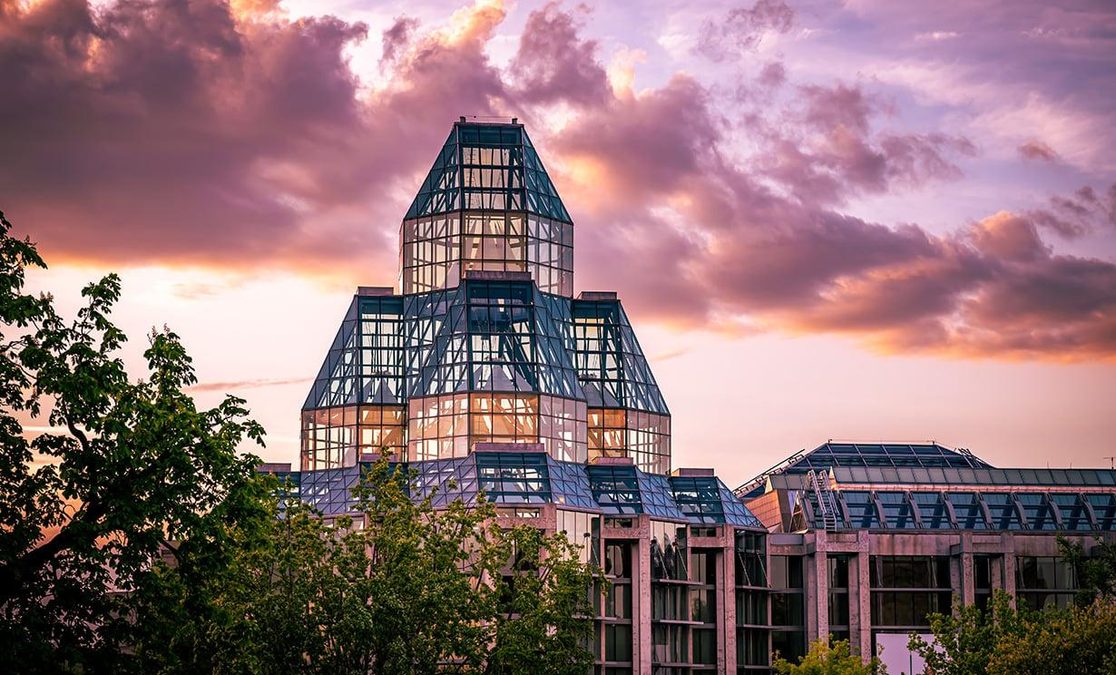
The National Gallery of Canada is another major cultural destination, recognised for its extensive collection of Canadian and international art. Its exhibitions introduce visitors to Indigenous artists, historical works, contemporary creativity, and influential movements from around the world. The Canadian Museum of Nature, meanwhile, offers engaging displays covering wildlife, geology, fossils, and natural history.
Families and curious travellers can also explore the Canada Science and Technology Museum, which presents scientific discoveries and technological developments through interactive exhibits. Museum visits are especially useful during colder or rainy days, providing an educational alternative to outdoor sightseeing. Before visiting, check admission prices, opening hours, temporary exhibitions, and any reservation requirements.
ByWard Market, Local Food, and Neighbourhood Life
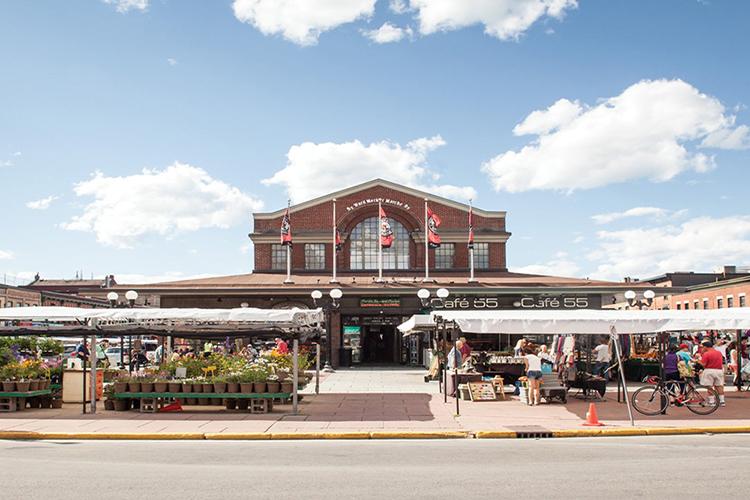
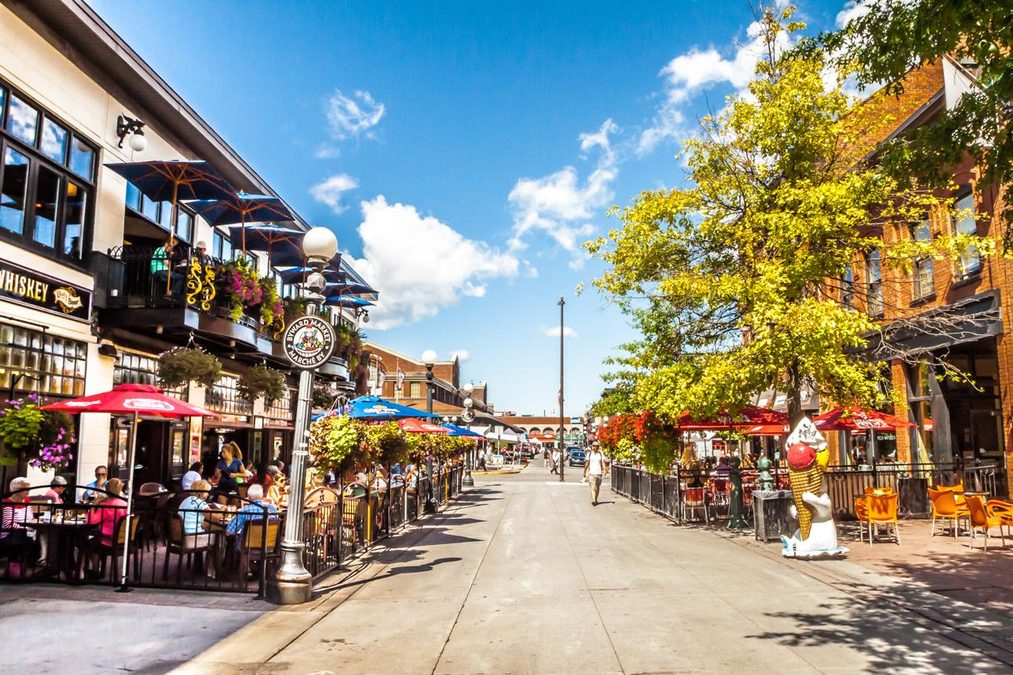

ByWard Market is one of the city’s best-known neighbourhoods, combining a historic public market with restaurants, cafés, boutiques, galleries, and lively streets. Its location near Parliament Hill makes it convenient for visitors exploring the central attractions. During warmer months, outdoor patios and market stalls create a particularly welcoming atmosphere.
Food is an important part of the experience. Canadian favourites such as poutine, maple-inspired desserts, and BeaverTails pastries are popular choices, while the city’s diverse population supports restaurants serving cuisines from around the world. Travellers can also discover French-Canadian influences, locally sourced ingredients, craft beverages, and contemporary Canadian dining.
For a more relaxed experience, explore areas beyond the market. Elgin Street offers restaurants, pubs, and cafés, while Wellington West and Hintonburg are known for independent businesses, creative spaces, and neighbourhood dining. Exploring these districts provides a more rounded picture of everyday urban life than staying exclusively around the major tourist attractions.
Gatineau Park and Scenic Natural Escapes
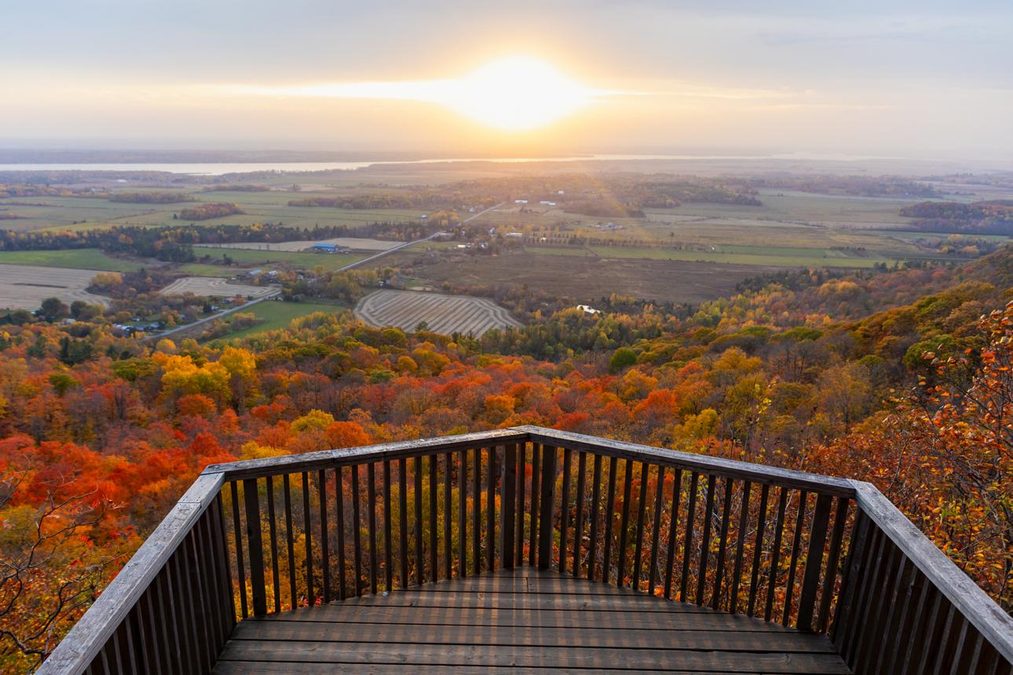
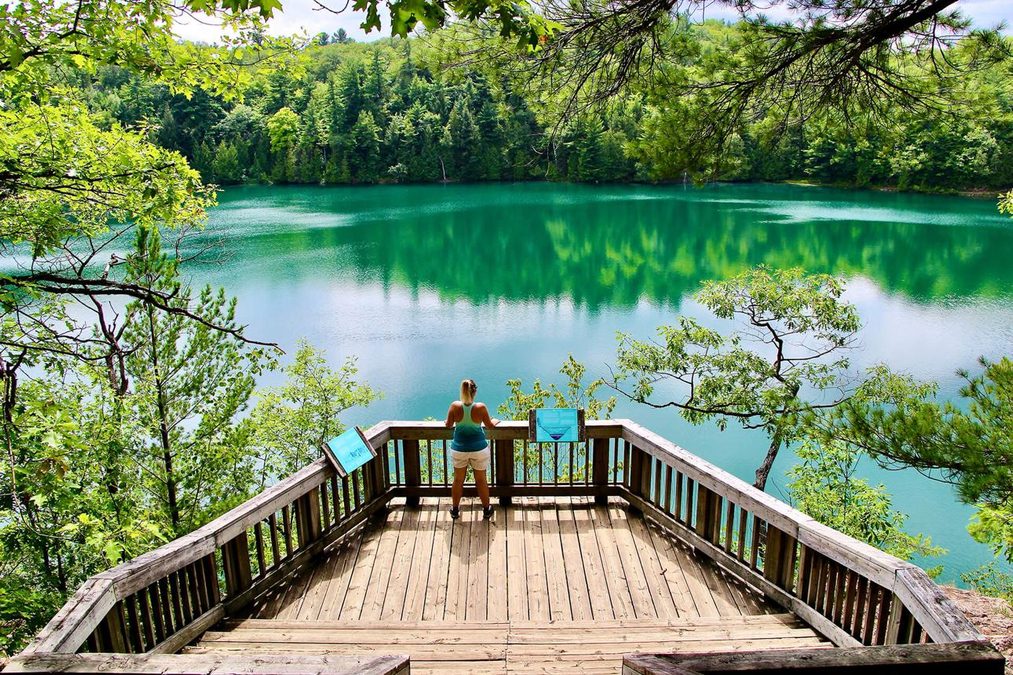
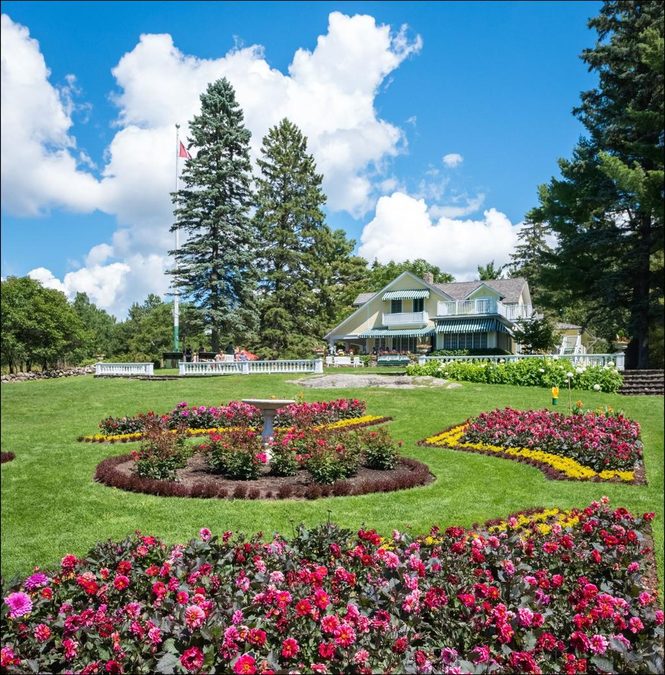
Just across the river in Quebec, Gatineau Park offers a striking natural contrast to the capital’s government buildings and busy streets. The protected area includes forests, lakes, hiking routes, cycling roads, and scenic viewpoints. It is a popular destination for people looking to spend time outdoors without travelling far from the city centre.
Pink Lake is one of the park’s best-known natural features. Despite its name, the lake is generally greenish-blue rather than pink, and its distinctive appearance is associated with the movement and growth of algae in its waters. Marked trails allow visitors to appreciate the surrounding forest while learning about the local environment.
Mackenzie King Estate adds a historical dimension, with heritage buildings, landscaped grounds, and garden features connected to former Canadian prime minister William Lyon Mackenzie King. Seasonal conditions influence which trails and facilities are accessible, so checking park notices is important before setting out.
Best Time to Visit and Seasonal Highlights
The best time to visit depends on the experiences you want. Summer, particularly June through August, is popular for outdoor dining, festivals, cycling, canal cruises, and exploring parks. Longer daylight hours make it easier to combine several attractions in one day, although accommodation prices and visitor numbers can increase during busy periods.
Autumn brings colourful foliage to city parks and nearby Gatineau Park, making September and October attractive for scenic walks and photography. Spring can be pleasant as temperatures rise and outdoor spaces become greener, while winter offers snow-covered scenery, seasonal celebrations, and the possibility of canal skating when conditions are suitable.
| Season | Typical experience | Practical consideration |
|---|---|---|
| Spring | Blossoms, parks, outdoor walks | Weather can change quickly |
| Summer | Festivals, cycling, canal cruises | Book popular accommodation early |
| Autumn | Colourful foliage, hiking, photography | Bring layers for cooler evenings |
| Winter | Snow activities and possible canal skating | Dress for freezing temperatures |
A useful planning principle is to choose activities around the season rather than trying to fit every attraction into every trip. For example, a winter itinerary should prioritise museums and indoor experiences, with skating included only if the canal is officially open.
Getting Around and Planning Your Stay
The central attractions are relatively close together, and many can be explored on foot. Walking between Parliament Hill, the National Gallery, ByWard Market, and the Rideau Canal is practical for most visitors who are comfortable with urban walking. Comfortable shoes are worthwhile because sightseeing often involves uneven historic surfaces, long museum visits, and extended outdoor routes.
For longer journeys, OC Transpo operates the city’s public transport network, including buses and the O-Train light rail system. Service routes, schedules, fares, and construction-related changes should be checked through official sources before travelling. Taxis and ride-hailing services provide alternatives, particularly for late journeys or trips to attractions outside the central area.
Accommodation ranges from full-service hotels near the business district to boutique properties and short-term stays in residential neighbourhoods. Staying downtown can reduce travel time to major landmarks, while areas such as the Glebe, Centretown, and Wellington West offer different dining and neighbourhood experiences. Compare location, transport access, cancellation policies, and seasonal rates before booking.
Practical Travel Tips for a Smooth Visit
A little preparation can make a Canadian capital-city break much easier. Canada uses the Canadian dollar (CAD), and credit and debit cards are widely accepted. English and French are the official languages of federal institutions, and visitors will encounter both throughout the region. Most tourist-facing businesses operate comfortably in English, while basic French greetings can be useful when exploring nearby Gatineau.
Weather preparation is particularly important. Summer can be warm and humid, while winter temperatures can fall well below freezing, with snow and icy pavements affecting walking conditions. Pack clothing appropriate to the forecast, carry water during summer sightseeing, and allow extra travel time during winter storms. If visiting several museums, check their individual schedules because opening days and admission arrangements vary.
Frequently Asked Questions About Ottawa
What is Ottawa famous for?
The city is best known as Canada’s capital and the home of Parliament Hill, the Rideau Canal, and several national museums. It also attracts visitors with its historic architecture, bilingual culture, public festivals, green spaces, and food scene. Its combination of political landmarks and outdoor attractions makes it different from many other major Canadian cities.
How many days are enough to explore Ottawa?
Two or three days are generally enough to see the main central attractions, including Parliament Hill, the National Gallery of Canada, ByWard Market, and the Rideau Canal. A longer stay allows time for the Canadian Museum of History, Gatineau Park, and neighbourhoods outside the downtown area. Travellers interested in museums and outdoor activities may benefit from four or five days.
Is Ottawa worth visiting in winter?
Yes, winter can be an appealing time to visit, particularly for travellers interested in snow-covered scenery, seasonal events, museums, and skating. The Rideau Canal Skateway is a famous winter attraction when ice conditions permit. However, temperatures can be extremely cold, so warm clothing, suitable footwear, and checking official skating updates are essential.
What is the best area to stay in Ottawa?
Downtown is convenient for first-time visitors because it provides relatively easy access to Parliament Hill, the canal, museums, and ByWard Market. Centretown offers a mix of accommodation, cafés, and restaurants, while Wellington West and Hintonburg appeal to travellers interested in independent shops and neighbourhood culture. The best location depends on budget, transport needs, and planned activities.
Is Ottawa easy to explore without a car?
Yes. Many central attractions are within walking distance of one another, and public transport provides connections to areas farther away. The O-Train and bus network can be useful for reaching different neighbourhoods, while taxis and ride-hailing services offer additional flexibility. A car is more useful for exploring regional destinations beyond the main urban area.
What food should visitors try in Ottawa?
Popular choices include poutine, a Canadian dish of fries topped with cheese curds and gravy, and BeaverTails, a well-known fried pastry associated with Canadian food culture. Visitors can also try maple-flavoured desserts, French-Canadian dishes, international cuisine, and meals prepared with regional ingredients. ByWard Market and neighbourhood restaurants provide plenty of opportunities to explore the local food scene.
Is Ottawa suitable for families?
The city offers several family-friendly attractions, including the Canadian Museum of Nature, Canada Science and Technology Museum, and National Gallery of Canada. Gatineau Park provides outdoor opportunities, while the canal and public parks offer space for walks and seasonal activities. Families should check age recommendations, accessibility, admission costs, and opening schedules before visiting.
Conclusion: Experience Canada’s Capital Beyond the Landmarks
Ottawa offers much more than government buildings and political history. Its historic architecture, world-class museums, lively food markets, scenic waterways, and nearby natural landscapes create a varied destination for travellers with different interests. From exploring Parliament Hill to discovering the cultural collections across the river in Gatineau, there is plenty to experience without travelling far between attractions.
The most rewarding itinerary balances famous landmarks with neighbourhood exploration and outdoor time. Summer brings festivals and canal activities, autumn offers beautiful foliage, and winter introduces a distinctly Canadian atmosphere. Ultimately, Ottawa is worth discovering for the way it combines national heritage, multicultural life, and accessible natural beauty in one memorable city.