



Discovering Coimbra: Portugal’s Historic University City
Coimbra is one of Portugal’s most historically significant and culturally distinctive cities. Situated along the Mondego River in central Portugal, it is internationally recognized for its centuries-old university, medieval architecture, traditional music, and strong academic identity. Once the country’s medieval capital, it combines royal heritage with a youthful atmosphere shaped by generations of students.
The city’s character is closely connected to the University of Coimbra. Founded in 1290 and permanently established in the city in 1537, it is among Europe’s oldest universities. Its historic buildings, ceremonial traditions, impressive library, and elevated position above the old town make it one of the country’s most remarkable cultural attractions. The university and surrounding historic area are collectively recognized as a UNESCO World Heritage Site.


Beyond academic heritage, visitors can discover botanical gardens, ancient churches, traditional Portuguese restaurants, riverside parks, and atmospheric streets. Whether planning a weekend break or a longer Portuguese itinerary, this destination offers a rewarding combination of history, culture, architecture, and everyday local life.
University of Coimbra: A Landmark of European Education
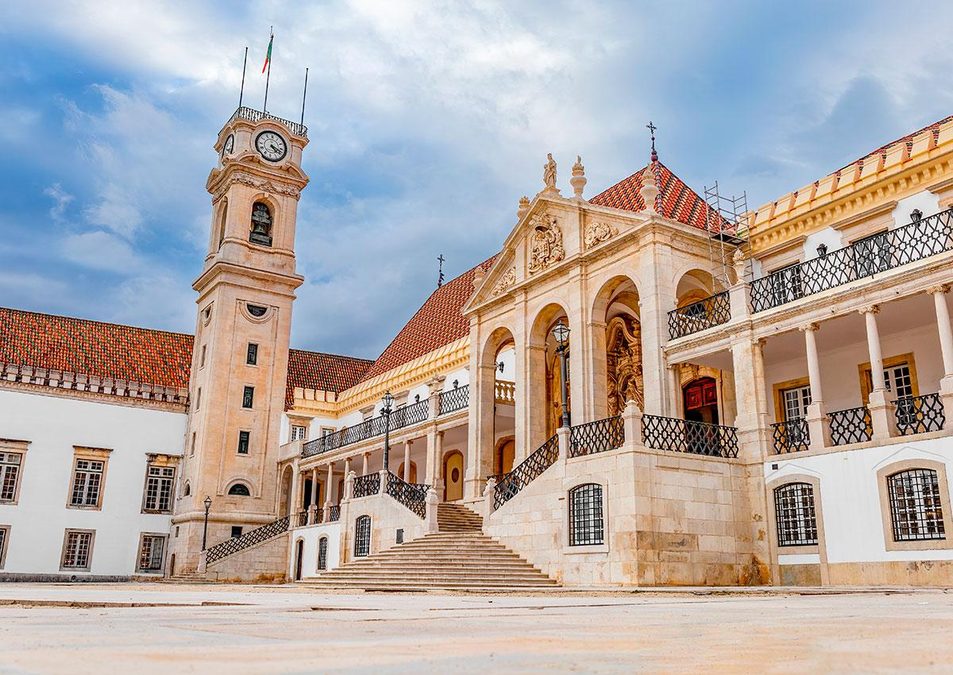
The university is the city’s defining landmark and a major reason travelers visit. Its historic campus occupies buildings associated with Portugal’s royal and academic history, including the former Royal Palace, known as the Paço das Escolas. The complex contains grand courtyards, ceremonial spaces, historic classrooms, and architectural details reflecting different periods of Portuguese history.
The university’s importance extends beyond its appearance. For centuries, it has influenced Portuguese education, literature, science, politics, and cultural life. Its academic traditions remain visible through formal ceremonies, student clothing, and long-established customs. Visitors may encounter students wearing traditional black capes, particularly during academic celebrations and graduation events.
A guided visit can help explain the institution’s development and the role it played in shaping Portuguese society. Travelers should check current admission arrangements and access restrictions because certain historic spaces require timed tickets or separate entry.
Joanina Library: A Masterpiece of Baroque Architecture

The Biblioteca Joanina is one of the most extraordinary historic libraries in Europe. Built during the eighteenth century under King João V, it is celebrated for its richly decorated Baroque interior, carved wooden bookshelves, painted ceilings, and gilded details. Its collections include rare historical books and manuscripts that reflect centuries of intellectual activity.
The library is particularly impressive because its decoration creates an atmosphere closer to an elaborate royal chamber than a conventional reading room. Every detail, from the ornamental woodwork to the ceiling paintings, contributes to its architectural character. It demonstrates how knowledge, royal patronage, and artistic craftsmanship were closely connected in early modern Portugal.
Visitors should understand that the library is a protected heritage environment rather than an ordinary public reading space. Photography and access rules may be restricted, and advance booking is advisable during busy periods. The experience is most rewarding when combined with a broader tour of the university’s historic buildings.
Exploring the Medieval Old Town and Historic Streets
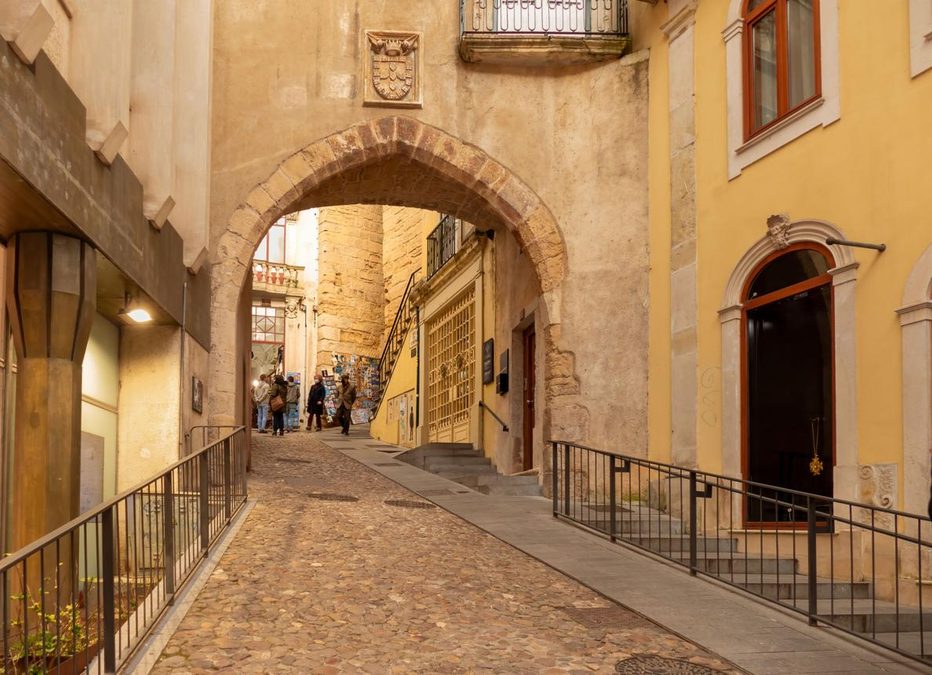
The historic center is best explored on foot, although its steep hills and cobbled streets require comfortable footwear. Narrow lanes, traditional houses, historic squares, and small shops create a sense of continuity with the city’s medieval past. The contrast between the elevated university district and the lower commercial streets also gives the urban landscape its distinctive character.
One of the most recognizable entrances to the old medieval quarter is the Arco de Almedina. This historic gateway once formed part of the city’s defensive walls and now provides an atmospheric entrance into the older streets. Nearby, visitors can discover traditional cafés, independent shops, and buildings that reveal the architectural evolution of the city.
Rather than following only the busiest tourist routes, spend time exploring side streets and quieter squares. These areas often reveal small architectural details, traditional businesses, and everyday scenes that make a visit feel more personal.
Sé Velha and Sé Nova: Discovering Religious Heritage
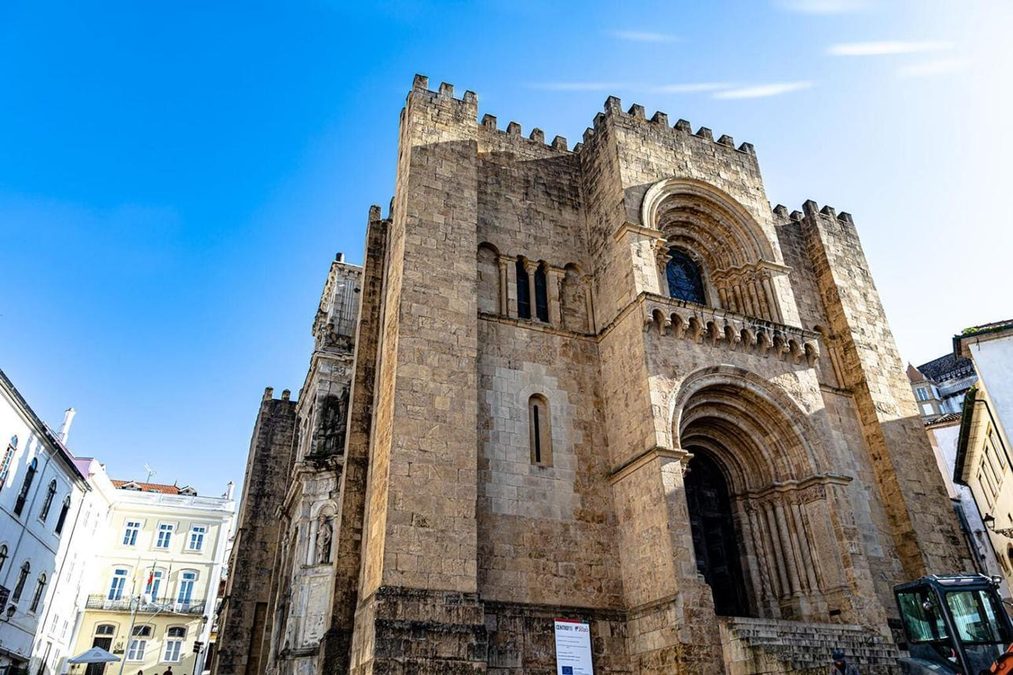
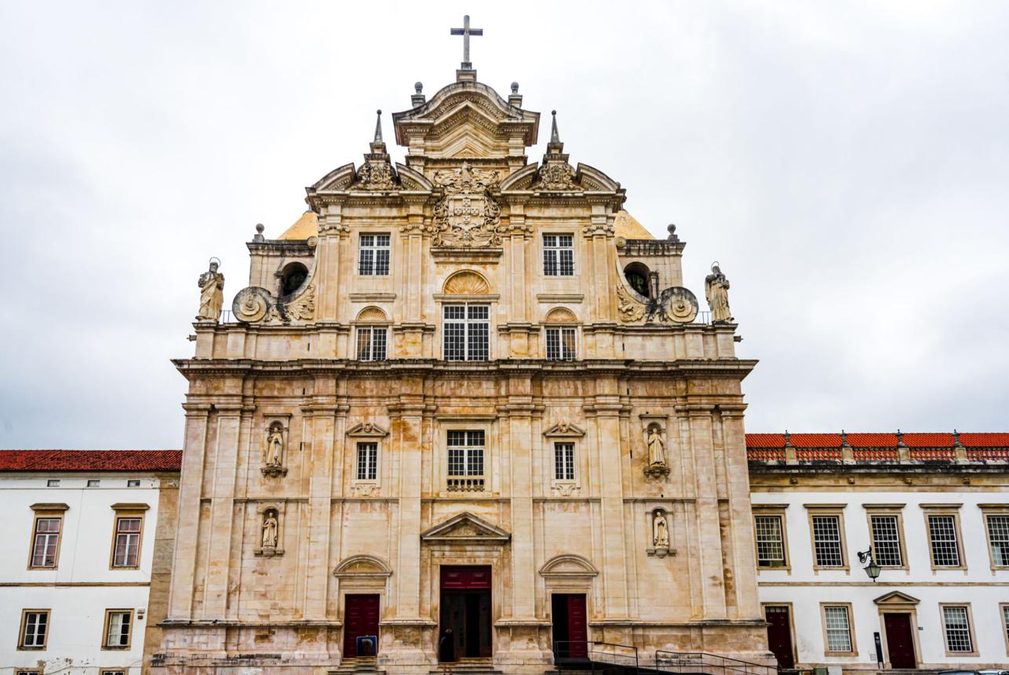
The Sé Velha is one of Portugal’s most important Romanesque religious buildings. Constructed during the twelfth century, its fortress-like exterior reflects a period when religious architecture also served defensive purposes. Its stone walls, narrow windows, and imposing appearance create a striking contrast with more decorative churches found elsewhere in Portugal.
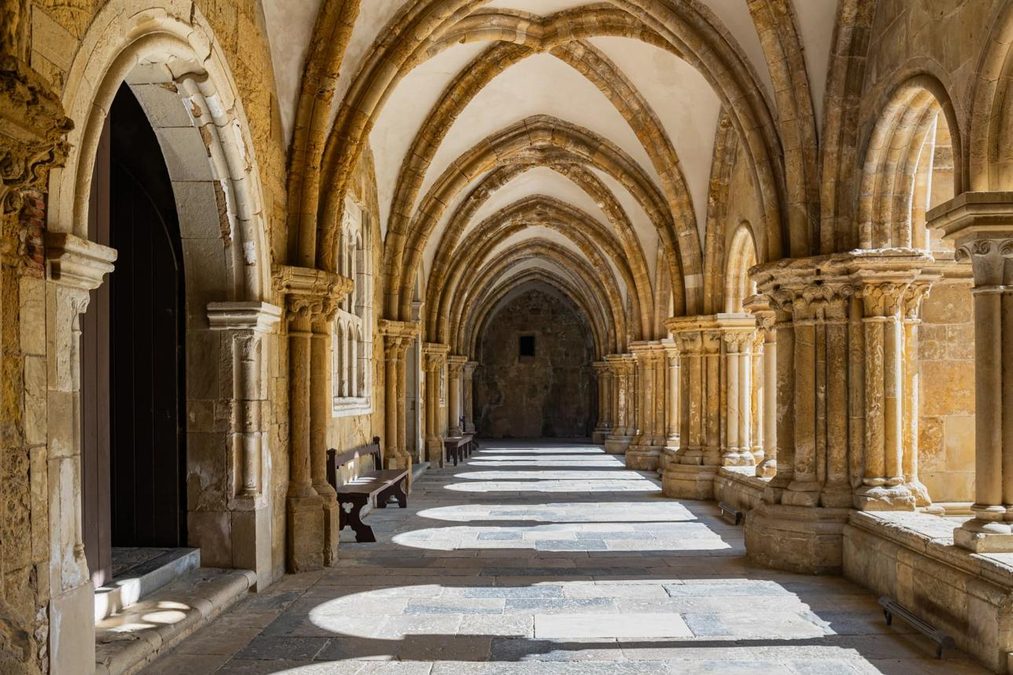
Inside, visitors can admire historic chapels, religious artwork, and architectural features that reveal the building’s long development. The cloister is another important attraction, offering a quieter space to appreciate medieval craftsmanship and the relationship between architecture and religious life.
The Sé Nova provides a different architectural experience. Originally associated with the Jesuits, it features a more elaborate design and reflects later religious and artistic influences. Visiting both cathedrals helps illustrate how Portuguese sacred architecture changed over several centuries.
Botanical Garden and Natural Green Spaces

The Botanical Garden of the University of Coimbra is an excellent place to escape the busy historic streets. Established in the eighteenth century, the garden contains a diverse collection of plants, mature trees, landscaped terraces, and greenhouse environments. Its design combines scientific importance with the peaceful atmosphere of a traditional botanical garden.
Visitors can enjoy shaded pathways, explore different plant collections, and appreciate the garden’s role in botanical research and education. The variety of vegetation also makes it an appealing attraction for photographers and nature enthusiasts.
The garden is particularly useful during warmer afternoons when climbing the historic streets becomes tiring. It provides a relaxed alternative to intensive sightseeing while still offering an important connection to the city’s academic heritage.
Portugal dos Pequenitos and Family Attractions

The Portugal dos Pequenitos is a distinctive family attraction featuring miniature buildings representing Portuguese architecture, monuments, and cultural heritage. It was created to introduce visitors, particularly children, to Portugal’s history and geography through scaled architectural displays.
The attraction includes miniature examples of traditional houses, historic landmarks, and buildings associated with Portuguese-speaking cultures. It offers an engaging way for younger visitors to learn about architectural styles and national heritage without requiring lengthy museum visits.
Families should check current opening times, ticket prices, and seasonal activities before visiting. Allowing enough time to explore the different sections makes the experience more enjoyable, particularly for children interested in interactive outdoor attractions.
Portuguese Cuisine and Traditional Food Experiences



Food is another important reason to explore the region. Central Portugal has a distinctive culinary identity, with hearty meat dishes, traditional pastries, fresh ingredients, and recipes shaped by rural traditions. Dining locally provides a useful insight into the region’s culture beyond its historical monuments.
One famous regional specialty is chanfana, a slow-cooked goat dish traditionally prepared with wine and aromatic ingredients in a clay pot. The nearby Bairrada region is celebrated for leitão à Bairrada, a traditional roasted suckling pig dish with crisp skin and tender meat. Coimbra is also associated with pastéis de Tentúgal, delicate pastries filled with sweet egg cream.
Visitors can discover these dishes in traditional restaurants and regional eateries. For a more affordable experience, local cafés and bakeries often provide excellent pastries, sandwiches, and coffee. Exploring restaurants away from the busiest tourist streets can also lead to better value and a more relaxed atmosphere.
Fado de Coimbra: Music, Tradition, and Student Culture

Fado is an essential part of Portuguese cultural identity, but the local tradition has a distinctive character. Known as Fado de Coimbra, this musical style is strongly associated with university life and student traditions. Unlike the more widely recognized Lisbon style, it has historically been performed by male university students, often wearing traditional black academic clothing.
The music frequently explores themes of love, nostalgia, friendship, academic experiences, and the passage of time. Portuguese guitar and classical guitar are central to its sound, creating an expressive atmosphere that connects performance with the city’s intellectual and emotional heritage.
Attending a live performance can be one of the most memorable cultural experiences during a visit. Travelers should look for reputable venues and cultural programs rather than assuming performances take place every evening. The experience is especially meaningful when accompanied by an understanding of the university traditions behind the music.
Best Time to Visit and Seasonal Experiences
The city has a Mediterranean-influenced climate, with warm, relatively dry summers and cooler, wetter winters. Spring and autumn are often comfortable for walking, exploring historical buildings, and enjoying outdoor spaces. Summer offers long days and lively student-related events, although temperatures can become high during the afternoon.
May is particularly interesting because of Queima das Fitas, a major academic celebration associated with university traditions. The event includes music, processions, and festivities, creating an energetic atmosphere. However, accommodation demand can increase, and travelers seeking a quieter cultural visit may prefer another period.
| Season | Typical conditions | Best experiences |
|---|---|---|
| Spring | Mild weather and flowering gardens | Walking tours and sightseeing |
| Summer | Hot, sunny, longer days | Outdoor attractions and festivals |
| Autumn | Comfortable temperatures | Historic exploration and food |
| Winter | Cooler and wetter | Museums, churches, and cafés |
For many visitors, April to June and September to October offer a good balance between comfortable weather and sightseeing opportunities. Regardless of the season, comfortable walking shoes are important because the historic center contains steep streets and uneven paving.
Getting Around and Planning Your Visit
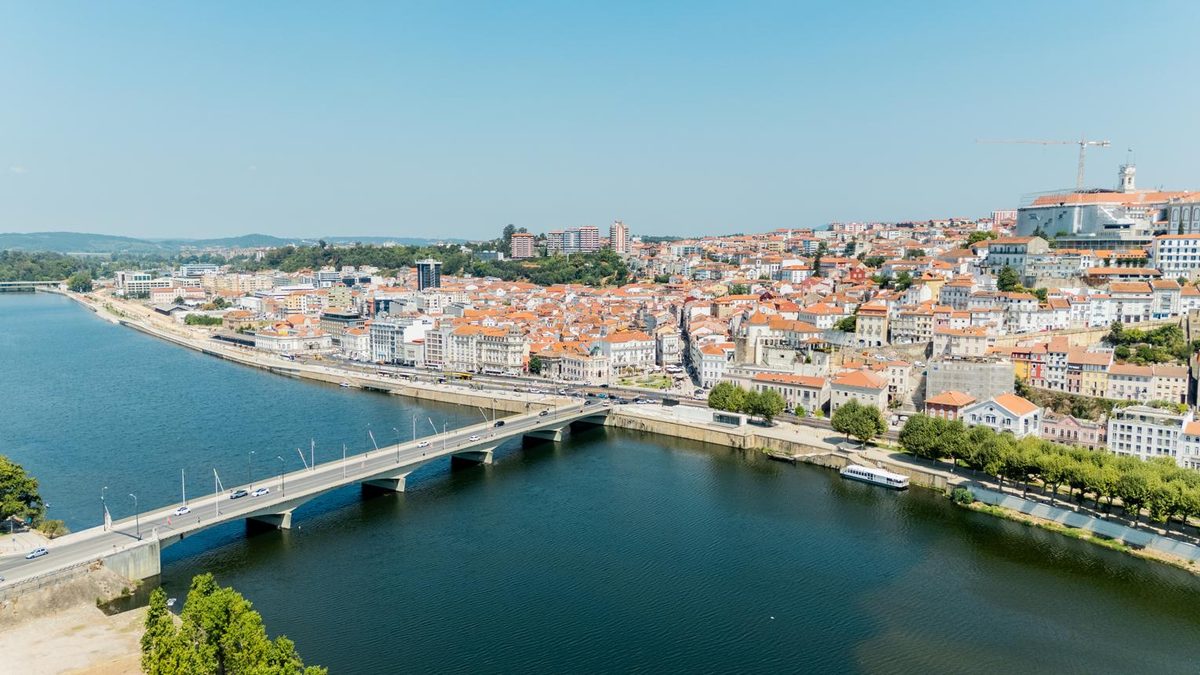
The city is relatively compact, and many major attractions can be reached on foot. However, the difference in elevation between the riverfront and university district means some routes involve steep climbs. Visitors with limited mobility may prefer taxis or local transport for journeys between the lower town and higher historic areas.
The railway station provides connections to major Portuguese cities, including Lisbon and Porto. Train travel is a convenient option for visitors planning a wider itinerary, although checking departure stations and schedules in advance is important. Coimbra has more than one railway station, and long-distance services generally use Coimbra-B, with onward connections to the central station depending on the service.
Planning accommodation near the historic center or a convenient transport connection can reduce unnecessary travel. Travelers arriving by car should also consider parking arrangements because narrow streets and restricted access can make driving through the oldest neighborhoods difficult.
Day Trips and Nearby Attractions
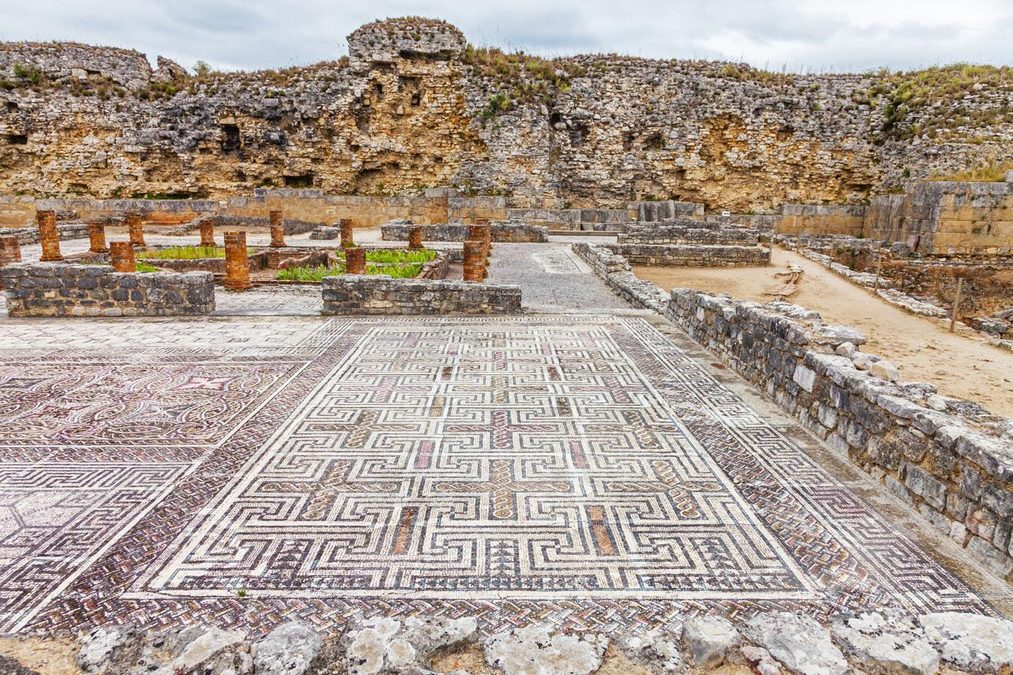
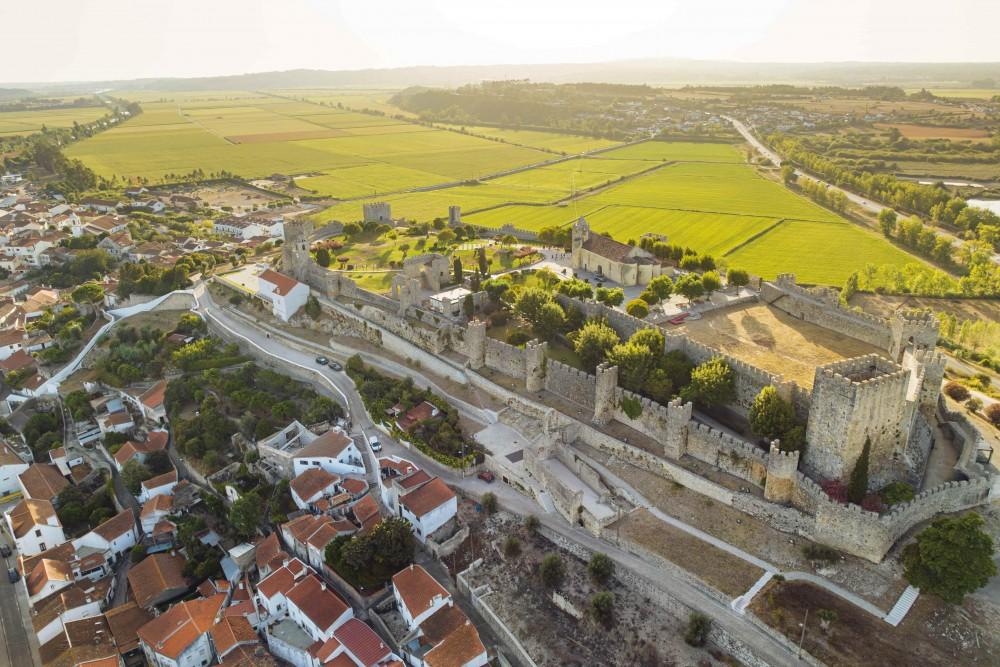
The surrounding region offers several worthwhile excursions. Conímbriga is among Portugal’s most important Roman archaeological sites. Its remains include ancient streets, houses, mosaics, and public buildings that provide insight into life in Roman Lusitania. It is particularly rewarding for travelers interested in archaeology and ancient history.
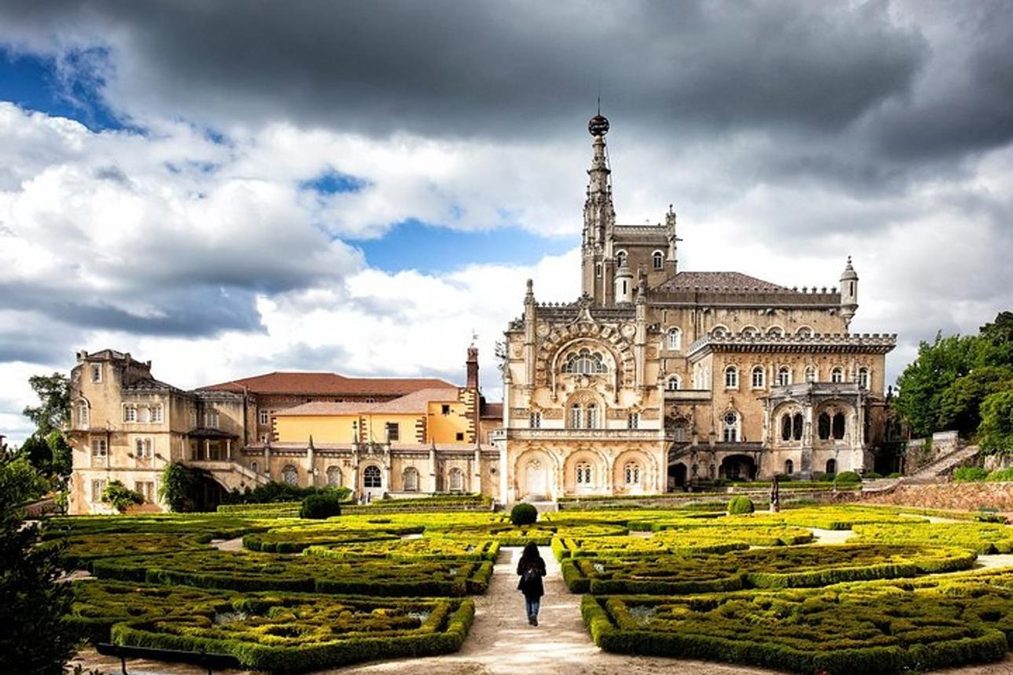
Another attractive destination is Buçaco National Forest, known for its woodland paths, historic structures, and beautiful landscapes. Visitors can combine nature walks with a visit to the impressive Palace Hotel of Buçaco.
For a coastal experience, Figueira da Foz offers sandy beaches, ocean views, and a traditional seaside atmosphere. These excursions allow visitors to experience the wider region without needing to relocate.
Travel Costs, Safety, and Practical Tips
Portugal is generally more affordable than several Western European destinations, although prices vary by season and accommodation category. The cost of a visit depends on hotel location, restaurant choices, transport, and entrance fees. Staying slightly outside the busiest historic streets can sometimes provide better value while maintaining convenient access to attractions.
The city is generally suitable for independent travelers, but normal precautions remain important. Keep valuables secure in crowded areas, use reputable transport providers, and take care on steep or slippery cobbled streets. During hot weather, carry water and avoid strenuous uphill walks during the hottest part of the day.
A common planning mistake is attempting to see every attraction in a single day. The university complex, historic churches, gardens, and old streets deserve time and attention. A two-day visit provides a more comfortable experience, while three days allow additional cultural activities and a regional excursion.
FAQs About Coimbra
Is Coimbra worth visiting in 2026?
Yes. Its historic university, UNESCO-listed heritage, medieval architecture, traditional music, and regional cuisine make it one of Portugal’s most rewarding cultural destinations. It is particularly appealing to travelers interested in history, education, architecture, and authentic Portuguese traditions.
How many days are enough to explore Coimbra?
Two days are generally enough to visit the university, Joanina Library, historic center, cathedrals, and botanical garden. Three days provide more time for museums, traditional music, local restaurants, and a day trip to Conímbriga or the surrounding countryside.
What is Coimbra famous for?
The city is best known for its historic university, Baroque Joanina Library, medieval Old Town, Fado de Coimbra, and traditional student culture. Its important role in Portuguese royal and academic history also makes it a significant cultural destination.
Can you visit the University of Coimbra?
Yes. Visitors can explore designated university buildings, historic courtyards, and selected cultural attractions through available admission arrangements. Some areas, including the Joanina Library, may require timed tickets or separate booking, so checking official visitor information before arrival is recommended.
What is the best time to visit Coimbra?
Spring and early autumn are generally excellent because temperatures are comfortable for walking and sightseeing. May can be particularly lively because of university celebrations, while summer is suitable for longer outdoor days but can become quite hot.
Is Coimbra a walkable city?
Yes, particularly around the historic center, where many attractions are relatively close together. However, the city has steep hills, uneven cobblestones, and staircases. Comfortable shoes are essential, and visitors with mobility limitations should plan routes carefully.
Is Coimbra suitable for a family holiday?
Yes. Families can enjoy Portugal dos Pequenitos, botanical gardens, riverside walks, historic landmarks, and nearby archaeological attractions. Planning shorter walking routes and allowing breaks can make sightseeing more comfortable for younger children.
Conclusion: Experience Portugal’s Academic Heritage and Timeless Charm
Coimbra offers a distinctive combination of medieval architecture, historic university traditions, Portuguese music, regional cuisine, and peaceful natural spaces. From the extraordinary Joanina Library and ancient cathedral to the botanical garden and lively riverside, its attractions reveal the cultural depth of central Portugal.
The most rewarding visit balances famous landmarks with smaller experiences. Explore the university’s historic buildings, listen to traditional Fado, sample regional specialties, and spend time wandering through the old streets. If your schedule allows, a trip to Conímbriga or the surrounding countryside adds another dimension to the journey.
Ultimately, the city’s greatest appeal lies in its living heritage. It is not simply a place of historic buildings and academic monuments; it is a destination where centuries of education, music, tradition, and everyday Portuguese life continue to shape the atmosphere.