


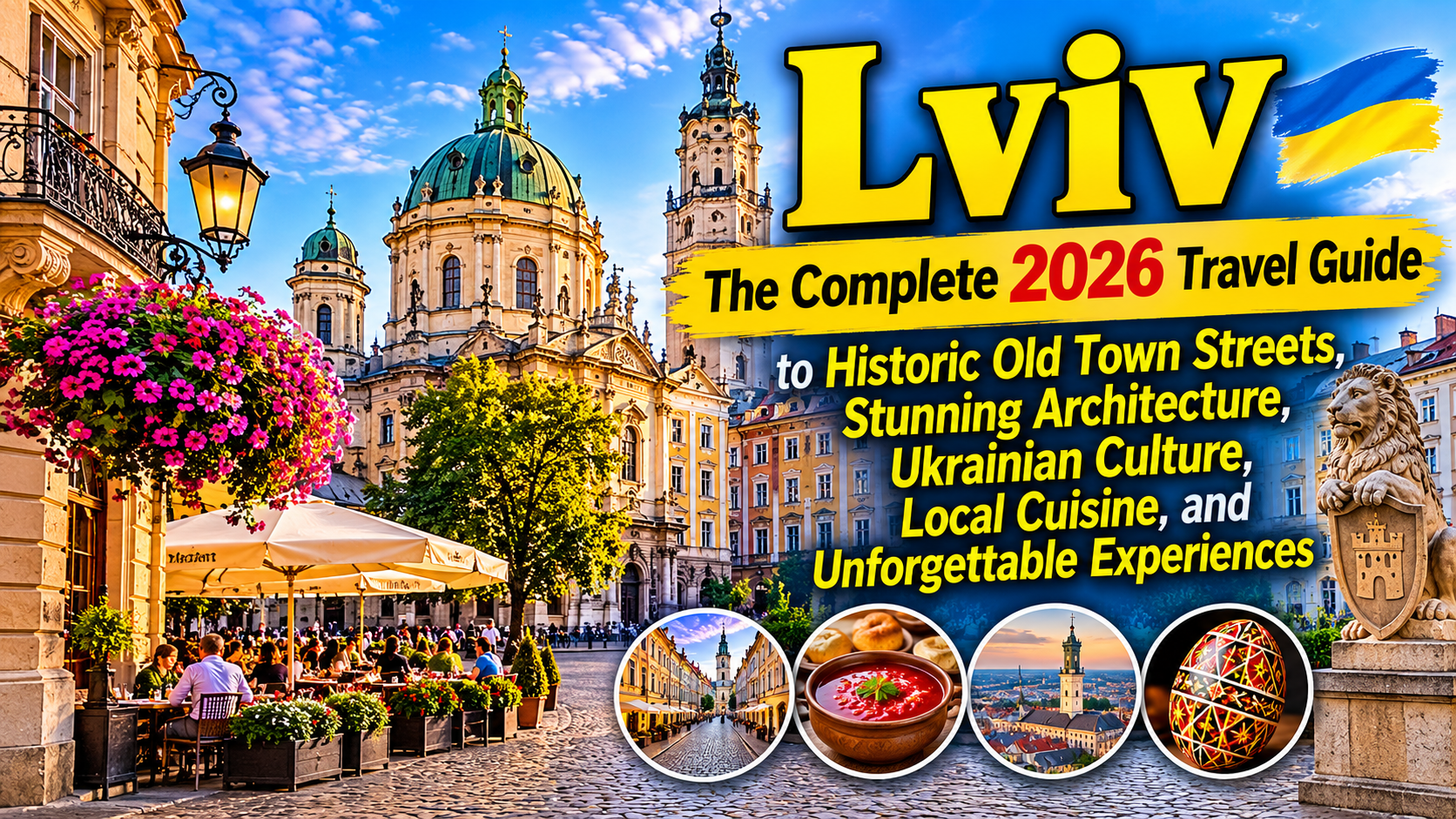
Discovering Lviv: Ukraine’s Cultural Capital
Lviv is one of Ukraine’s most distinctive destinations, celebrated for its beautifully preserved historic centre, elegant architecture, literary heritage, lively coffee culture, and strong regional identity. Located in western Ukraine near the Polish border, the city has developed through centuries of cultural exchange, leaving behind a fascinating blend of Ukrainian, Polish, Armenian, Jewish, and Central European influences.
For travellers interested in history, architecture, food, and authentic urban experiences, the city offers plenty to explore. Its cobbled streets lead past Renaissance townhouses, ornate churches, historic squares, independent bookshops, and atmospheric cafés. The result is a destination that feels different from many other Eastern European cities while remaining deeply connected to Ukraine’s national story.
However, travel planning requires particular care in 2026. Russia’s ongoing war against Ukraine creates serious security risks, and conditions can change quickly. Visitors should consult their government’s latest travel advice, understand local emergency procedures, and avoid travelling unless current safety guidance supports their plans.
The Historic Old Town and Market Square
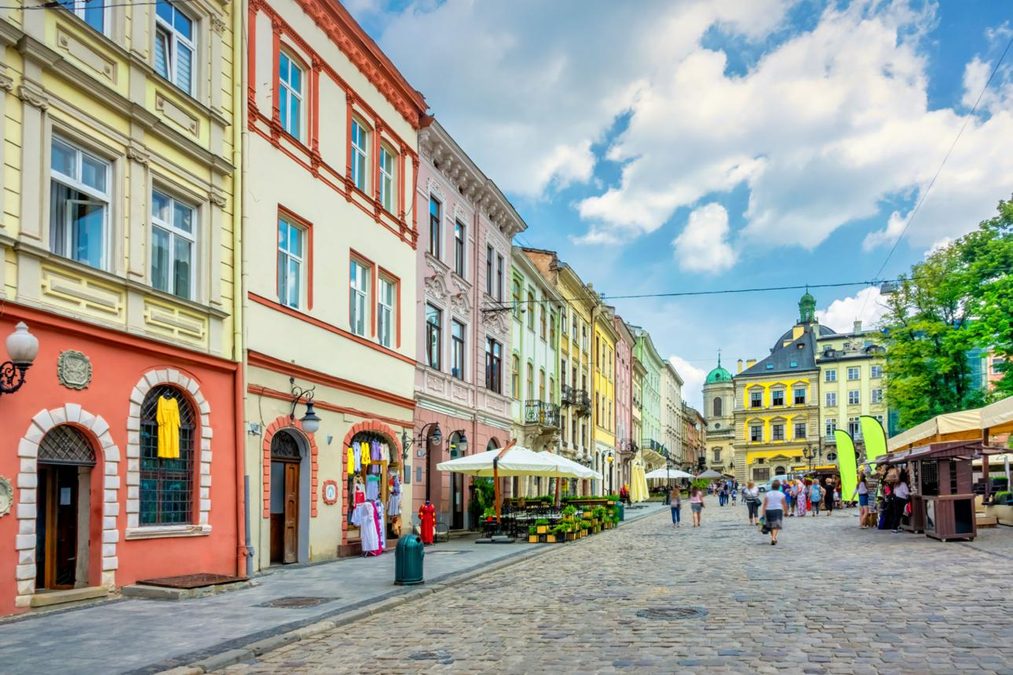
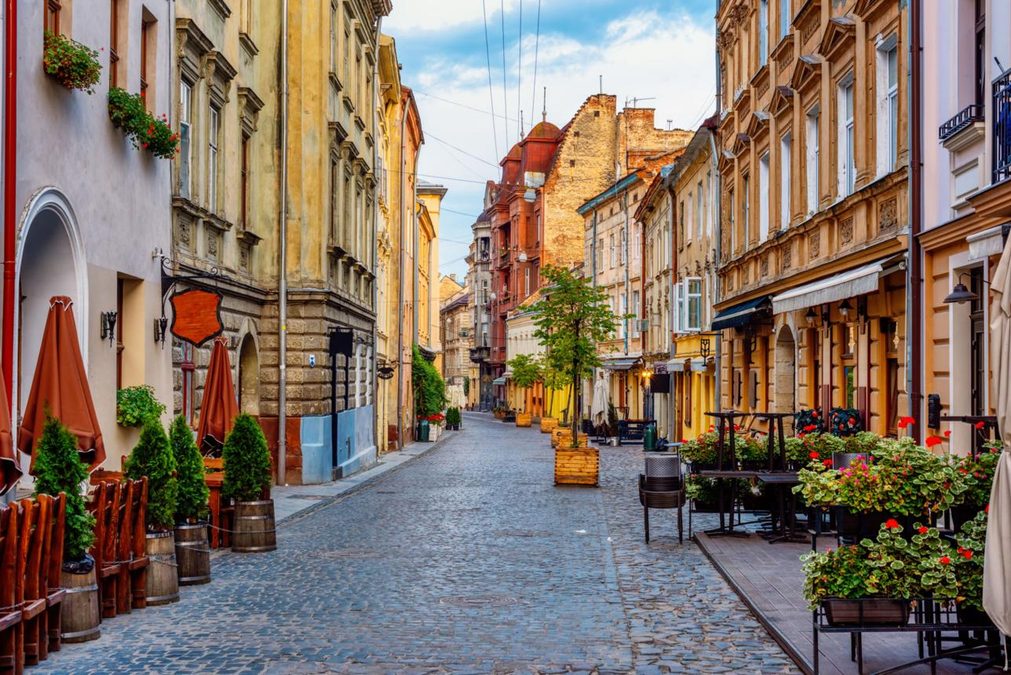
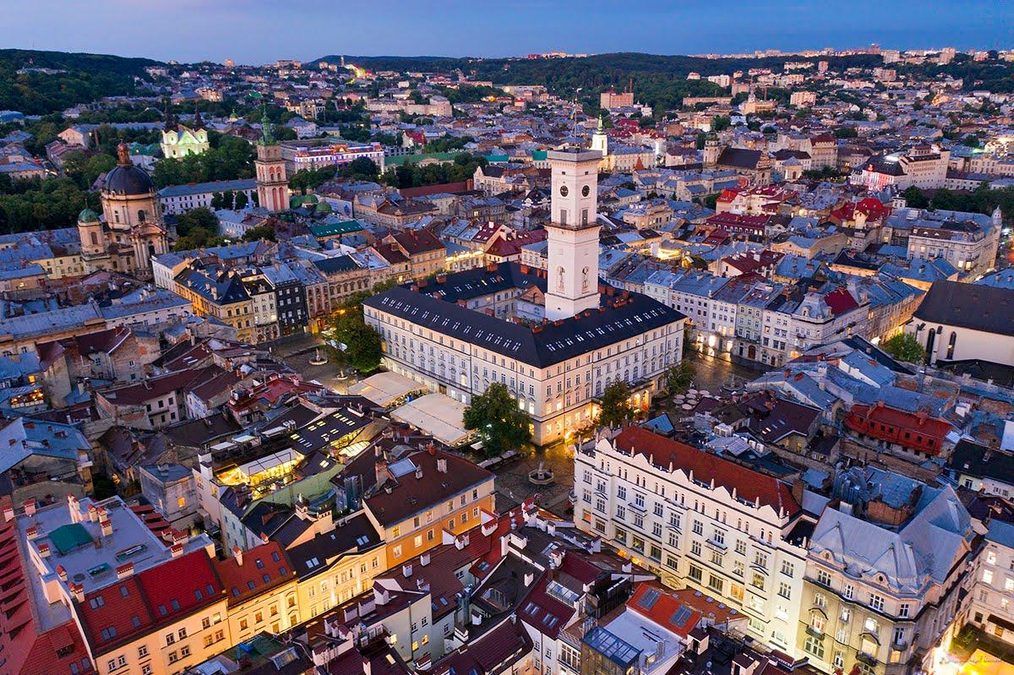
The historic centre is the natural starting point for understanding the city’s character. At its heart stands Rynok Square, a UNESCO World Heritage-listed urban space surrounded by colourful townhouses, historic merchants’ buildings, restaurants, and cafés. Its layout reflects the city’s importance as a medieval trading centre connecting different parts of Central and Eastern Europe.
Many buildings around the square feature ornate façades, decorative details, and architectural elements from different periods. The square is also home to the Town Hall, whose tower offers panoramic views when access is available. Walking through the surrounding lanes reveals quieter courtyards, small galleries, traditional shops, and architectural details that are easy to miss when rushing between major attractions.
The best way to explore this area is slowly. Rather than treating every landmark as a quick photo stop, spend time noticing the details: carved doorways, historic signs, decorative balconies, and the mixture of architectural styles that make the old centre so distinctive.
Architectural Landmarks and Historic Churches
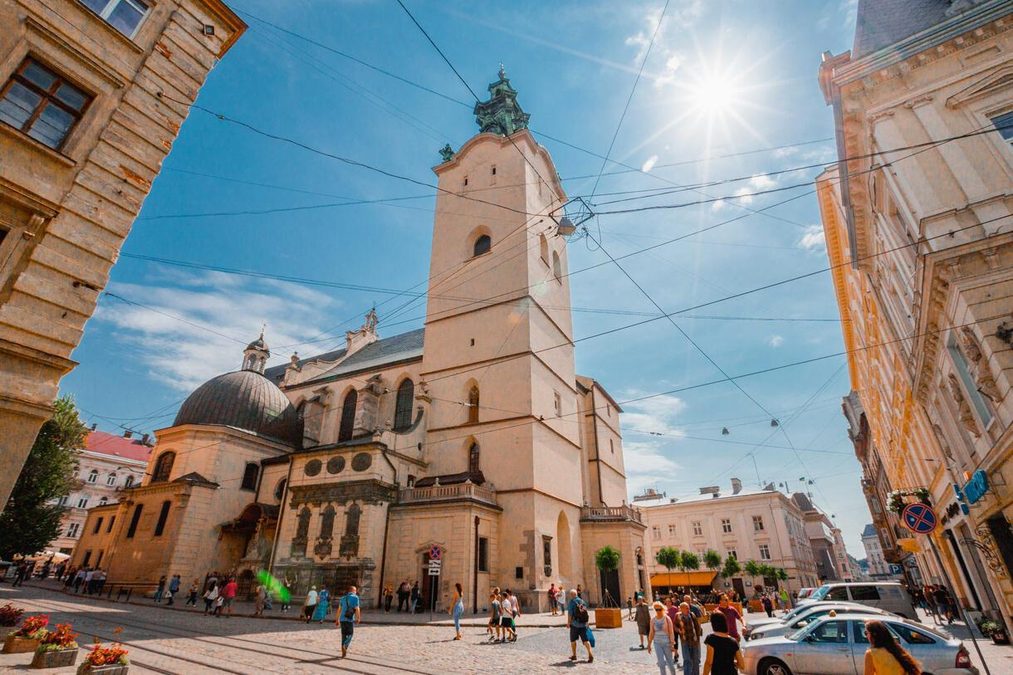
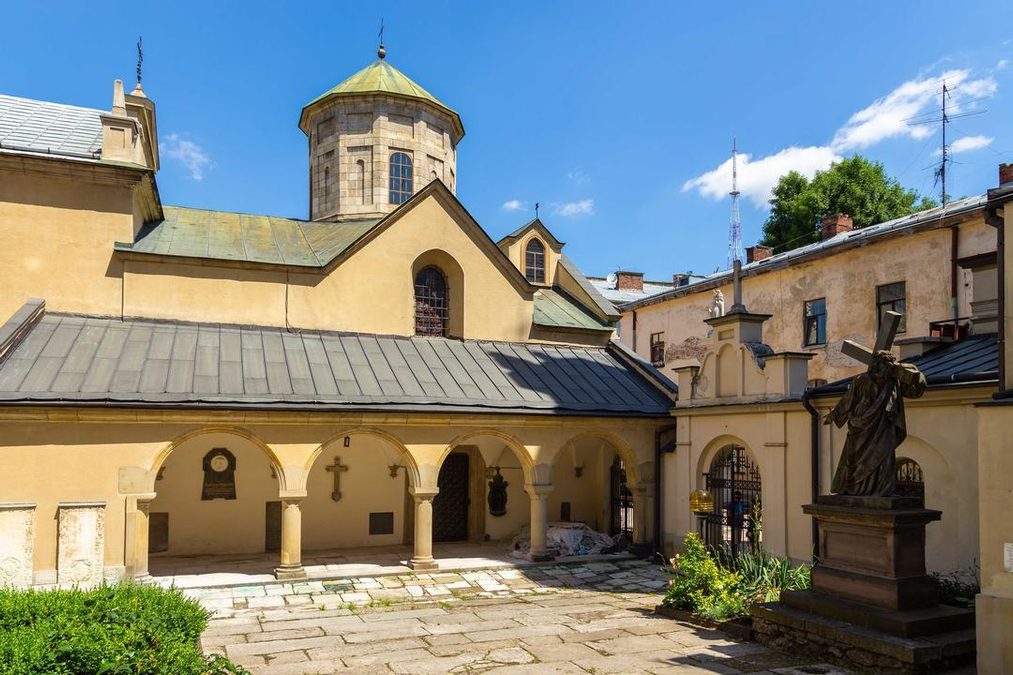
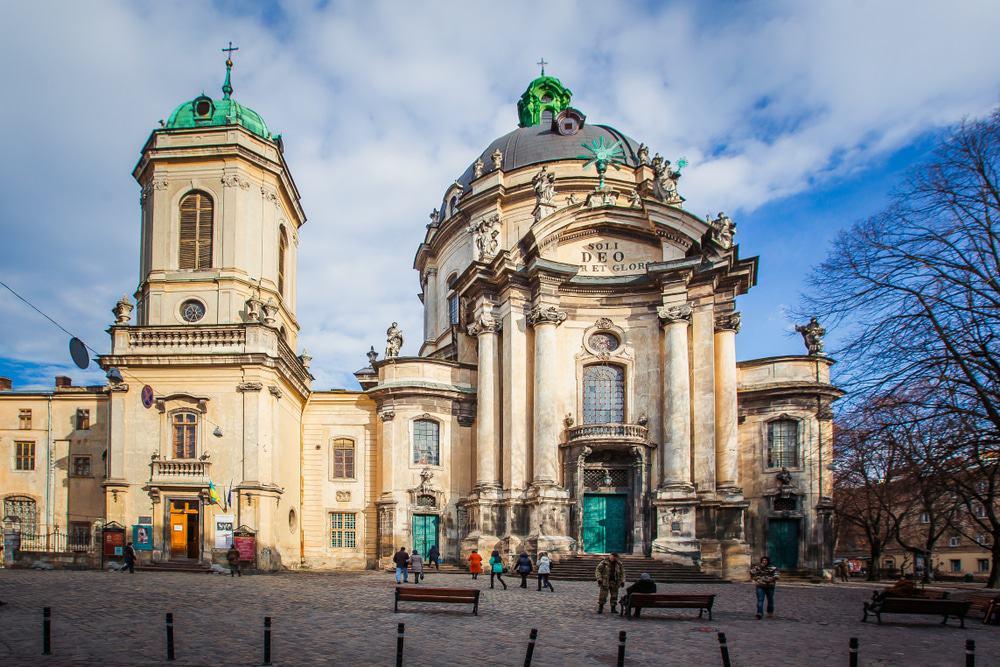
Architecture is among the strongest reasons to visit the city. Its historic centre brings together Gothic foundations, Renaissance townhouses, Baroque churches, Neoclassical buildings, and nineteenth-century European design. These styles tell the story of a place shaped by changing political borders, religious communities, and commercial relationships.
The Latin Cathedral is one of the most recognisable religious landmarks, with a history stretching back to the medieval period. The Armenian Cathedral is another important site, reflecting the influence of the Armenian community that contributed to local trade and cultural life. The Dominican Cathedral, with its dramatic Baroque design, adds another layer to the city’s architectural identity.
The Lviv National Academic Theatre of Opera and Ballet is especially impressive. Its grand exterior and richly decorated interior make it a major cultural landmark. Even when visitors cannot attend a performance, viewing the building and its surroundings provides a memorable introduction to the city’s artistic heritage.
Coffee Culture, Cafés, and Local Food
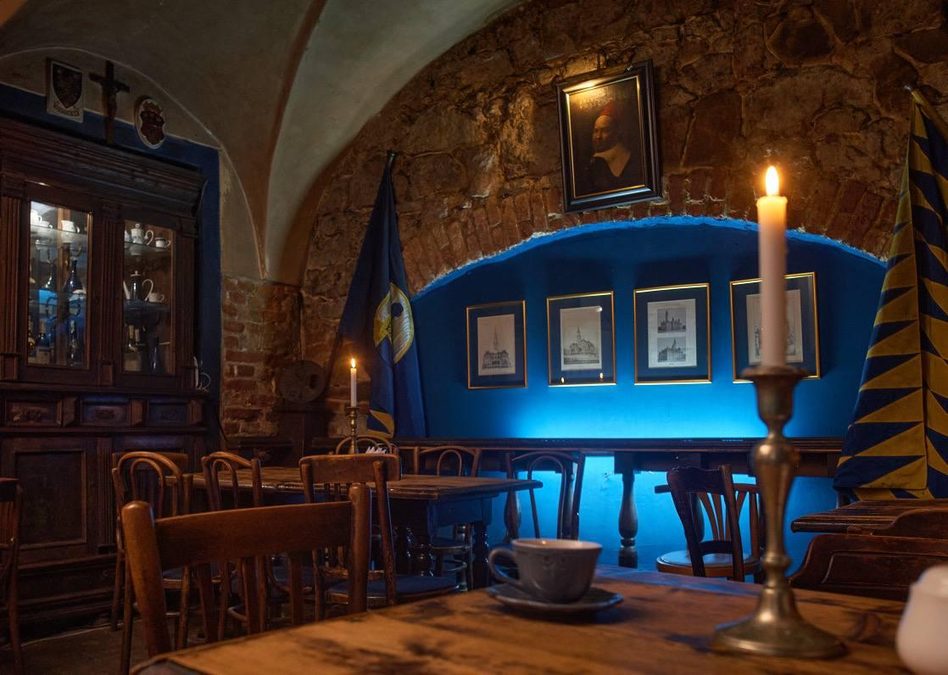


Coffee is more than a popular drink here; it is part of the city’s cultural identity. Historic cafés, independent coffee shops, and traditional coffee houses create inviting places to pause between sightseeing. The city’s coffee traditions reflect its long connections with Central European café culture, where conversation, reading, and social gatherings have always played an important role.
Food is equally rewarding. Visitors can explore Ukrainian favourites such as borscht, varenyky (filled dumplings), holubtsi (cabbage rolls), deruny (potato pancakes), and pampushky. Menus may also feature regional interpretations and influences from neighbouring culinary traditions. Local bakeries and dessert cafés provide another reason to explore beyond the main tourist streets.
A practical tip is to avoid choosing restaurants solely because they sit directly on the busiest square. Smaller establishments on nearby streets can offer a more relaxed atmosphere and a better opportunity to discover everyday dining traditions. Check current opening arrangements and local conditions before planning a meal out.
Museums, Literature, and the City’s Cultural Identity
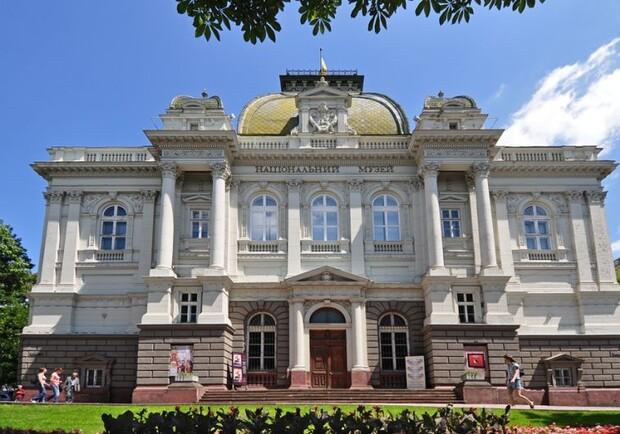
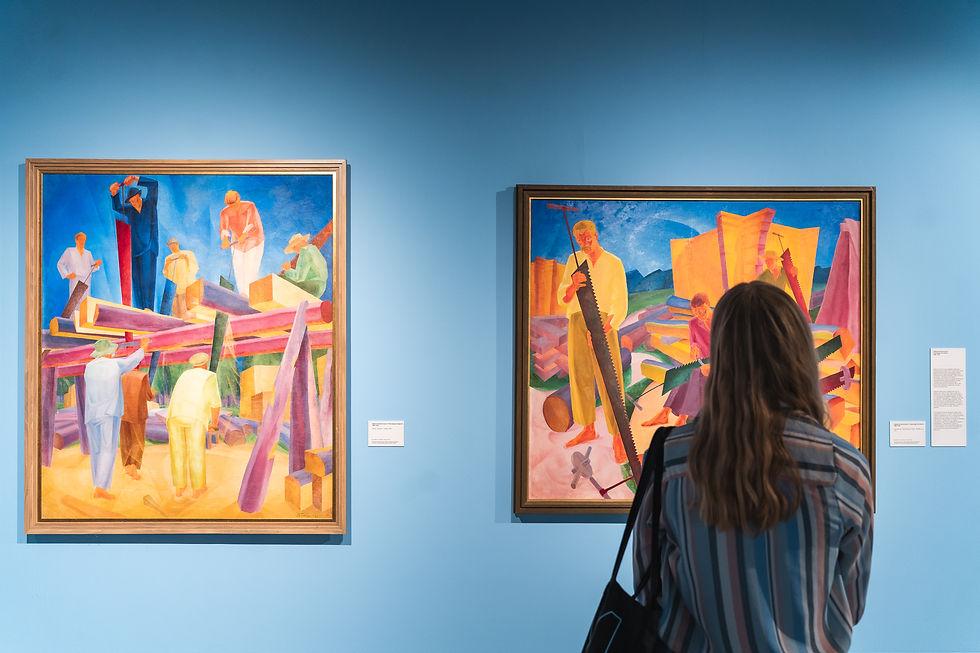
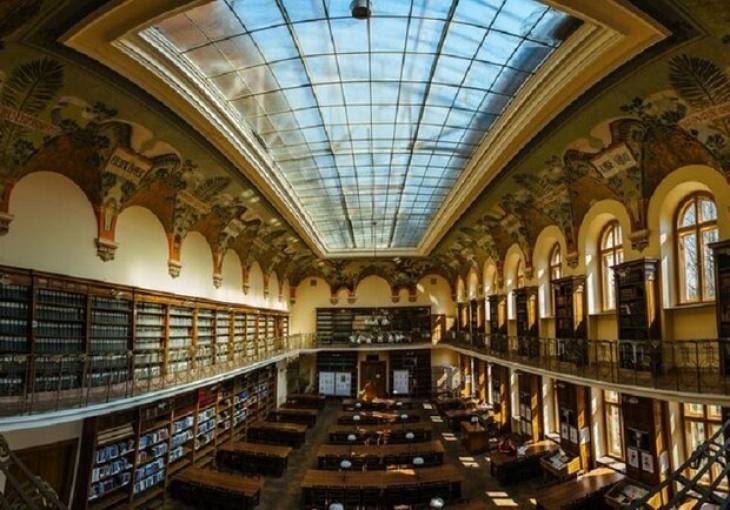
The city’s cultural life extends well beyond its churches and architecture. Museums, galleries, theatres, libraries, and literary institutions help explain its complex past and contemporary Ukrainian identity. Collections of religious art, historical documents, traditional crafts, and modern works provide different perspectives on the region’s development.
The Lviv National Museum is an important institution for understanding Ukrainian art and heritage. The Potocki Palace, associated with the National Art Gallery, is another notable cultural destination, with an impressive historic setting and art collections. Visitors interested in literature can also explore the city’s longstanding publishing and intellectual traditions.
Lviv’s multicultural history deserves thoughtful attention. Ukrainian, Polish, Armenian, and Jewish communities all contributed to its development, although war, political upheaval, and the Holocaust profoundly changed the city’s population and cultural landscape. Understanding these histories makes a visit more meaningful than simply admiring attractive buildings.
Parks, Viewpoints, and Outdoor Experiences
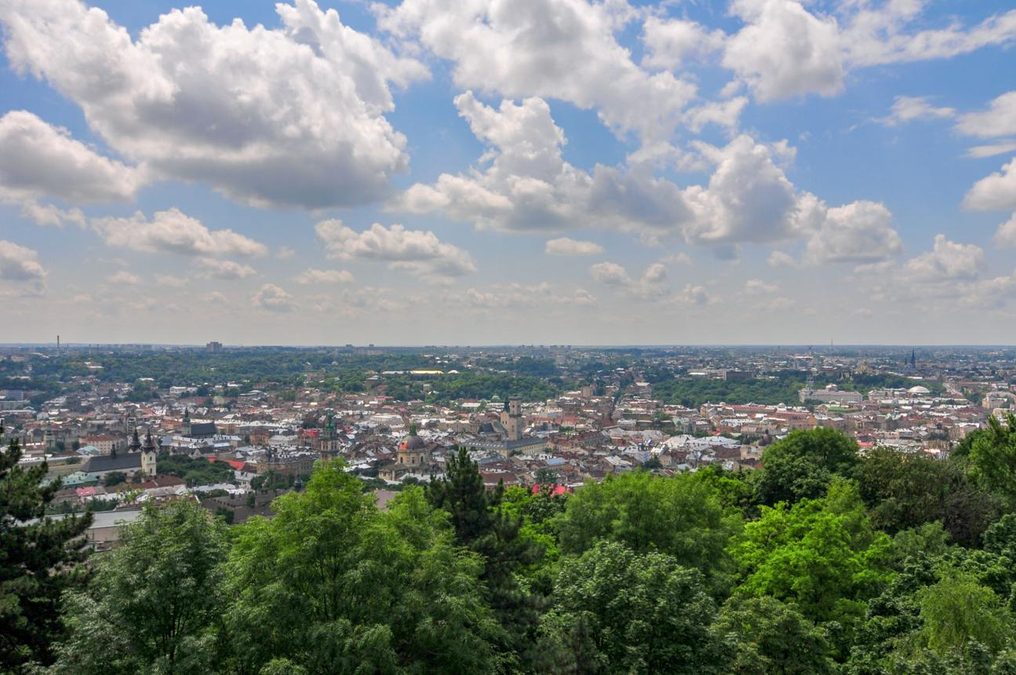
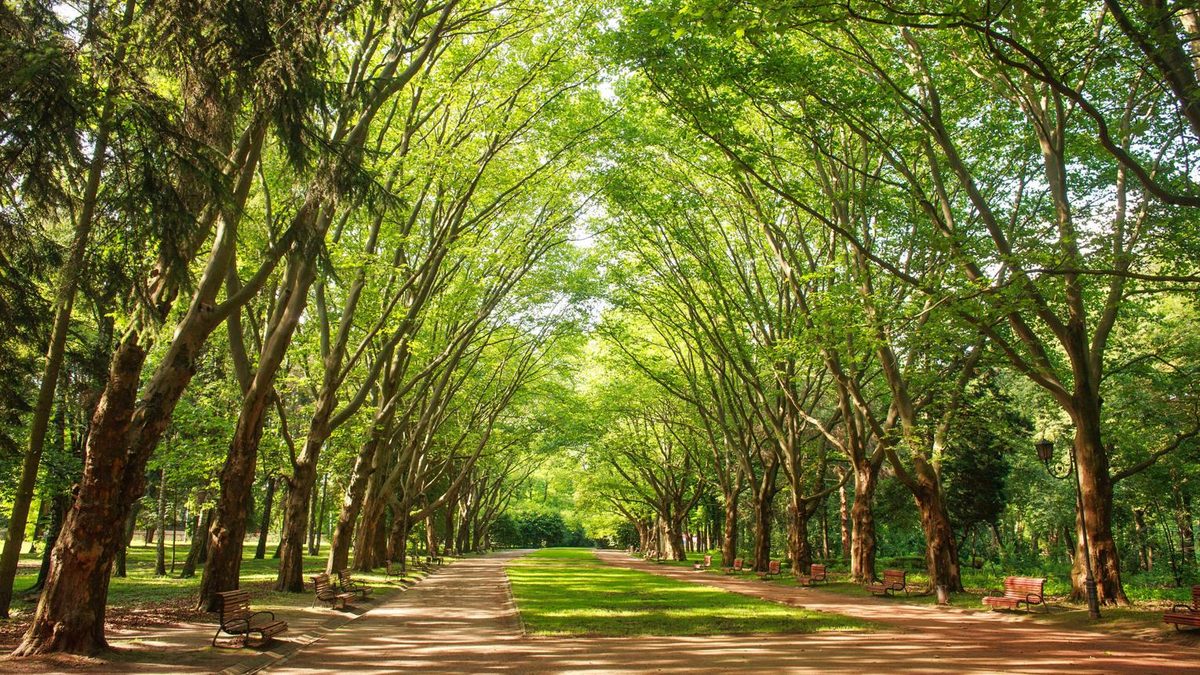
For a different perspective, explore the city’s green spaces and elevated viewpoints. High Castle Hill is historically associated with the city’s former fortifications and is known for its panoramic outlook. The climb can be rewarding for visitors who want to see the historic rooftops and surrounding landscape from above, although access and safety should always be checked before setting out.
Stryiskyi Park is one of the city’s best-known green spaces. Its paths, mature trees, landscaped areas, and peaceful atmosphere offer a welcome contrast to the busy streets of the old centre. Ivan Franko Park, close to the university, is another pleasant place for a walk or a quiet break.
These outdoor spaces are particularly appealing to travellers who enjoy combining urban sightseeing with time in nature. In spring and summer, parks provide leafy scenery, while autumn brings colourful foliage and a different atmosphere to the historic neighbourhoods.
Practical Travel Information for 2026
Planning a visit requires more than choosing attractions and accommodation. Ukraine remains affected by Russia’s full-scale invasion, and western regions are not risk-free. Air alerts, missile and drone attacks, transport disruption, curfews, and changing emergency instructions may affect daily life.
Before considering travel, check your government’s current Ukraine travel advisory, confirm whether insurance covers travel to the country, and review official local guidance. Do not assume that a destination is safe simply because it is far from the front line. If travel is not advised, postponing the trip is the most responsible decision.
| Travel consideration | Practical guidance |
|---|---|
| Location | Western Ukraine, near the Polish border |
| Main attraction area | Historic Old Town and Rynok Square |
| Language | Ukrainian is the official language |
| Currency | Ukrainian hryvnia (UAH) |
| Food to try | Borscht, varenyky, deruny, holubtsi |
| Transport | Local public transport and taxis, subject to current operations |
| Safety | Check official travel advisories and air-alert guidance |
| Planning | Confirm accommodation, transport, curfews, and emergency arrangements |
If travel is considered appropriate under current official guidance, keep plans flexible. Confirm transport schedules directly with operators, choose accommodation with clear emergency procedures, maintain access to essential documents, and know the location of the nearest shelter. Download offline maps and keep your phone charged.
Best Time to Visit and How Long to Stay
Under normal travel conditions, late spring and early autumn are popular periods for exploring the city. May and June often bring pleasant temperatures and greener parks, while September can offer comfortable sightseeing weather and seasonal cultural events. Summer generally provides longer daylight hours, although visitor numbers may be higher.
Winter brings a different atmosphere, with colder weather and the possibility of snow. Historic streets and traditional cafés can feel especially atmospheric during this season, but shorter daylight hours and winter conditions require additional planning.
For a conventional sightseeing itinerary, two or three days would usually provide enough time to explore the historic centre, visit major churches and museums, enjoy local food, and discover a few parks. A longer stay would allow more time for neighbourhood walks and cultural experiences. In 2026, however, the appropriate length and timing of any visit depend first on the security situation and official travel advice.
Getting Around and Exploring Beyond the Centre
The historic centre is compact enough to explore largely on foot, making walking the most rewarding way to appreciate its architecture and atmosphere. For longer journeys, the city has traditionally used trams, buses, and trolleybuses, while taxis and ride-hailing services can provide convenient alternatives. Transport availability and operating hours may change during wartime, so check current local information rather than relying on older travel schedules.
If conditions and official guidance permit, nearby destinations can add historical and architectural variety to a longer stay. The region around the city includes castles, historic towns, and countryside shaped by centuries of Central European history. However, excursions should never take priority over safety instructions, transport restrictions, or official alerts. Avoid approaching military facilities, critical infrastructure, or restricted areas, and follow instructions from local authorities.
Frequently Asked Questions About Lviv
What is Lviv famous for?
Lviv is known for its UNESCO-listed historic centre, colourful Market Square, distinctive churches, elegant architecture, coffee houses, and rich cultural heritage. Its history reflects Ukrainian identity alongside Polish, Armenian, Jewish, and broader Central European influences. The city is also recognised for its museums, theatres, traditional cuisine, and lively literary traditions.
Is Lviv worth visiting?
From a cultural and historical perspective, it has much to offer, particularly for travellers interested in architecture, food, museums, and European history. However, whether it is appropriate to visit in 2026 depends on the current security situation. Travellers should follow official government advice and postpone non-essential trips if authorities advise against travel.
How many days do you need in Lviv?
Under ordinary travel conditions, two or three days would be enough to see the principal attractions, including Rynok Square, the major cathedrals, the Opera House, museums, and selected parks. A longer visit would allow more time for neighbourhood exploration and regional excursions. Current safety conditions and transport arrangements should determine whether such an itinerary is practical.
What food should visitors try in Lviv?
Traditional Ukrainian dishes are a good starting point. Borscht is a beetroot-based soup often served with sour cream, while varenyky are dumplings filled with ingredients such as potato, cheese, or cherries. Deruny, holubtsi, pampushky, local pastries, and the city’s well-known coffee offerings are also worth discovering when restaurants are operating normally.
What language is spoken in Lviv?
Ukrainian is the official language and the principal language of everyday public life. Some residents may also speak English, Polish, or other languages, particularly in certain professional and visitor-facing settings. Learning a few basic Ukrainian greetings is a considerate way to engage with local culture.
Is Lviv safe for tourists in 2026?
No destination in Ukraine can be considered risk-free while Russia’s full-scale invasion continues. The city may experience air alerts, attacks, transport disruption, and emergency restrictions despite its location in western Ukraine. Check your government’s latest travel advisory, follow local authorities, and do not travel against official recommendations.
Conclusion: Understanding the Character of Lviv
Lviv stands out for the way its historic streets, religious landmarks, cafés, museums, and culinary traditions bring together different chapters of European and Ukrainian history. From the architectural details around Rynok Square to the atmosphere of its coffee houses and the collections held in its museums, the city offers a rich cultural experience for anyone interested in understanding western Ukraine.
Its appeal, however, must be considered alongside the realities of the ongoing war. In 2026, responsible planning means putting current security advice before sightseeing ambitions and being prepared to postpone travel when necessary. The lasting takeaway is that appreciating this remarkable city begins with understanding both its cultural heritage and the circumstances shaping life there today.