



Lake Como is one of Italy’s most beautiful destinations, famous for its deep blue water, dramatic Alpine scenery, elegant villas, and charming lakeside villages. Located in the Lombardy region of northern Italy, close to the Swiss border, this glacial lake has attracted artists, writers, aristocrats, and travellers for generations. Its distinctive Y-shaped shoreline creates a landscape of wooded hills, waterfront promenades, historic gardens, and small towns that seem to rise directly from the water.
The destination offers more than postcard views. Visitors can explore medieval streets, take ferries between picturesque villages, tour historic residences, enjoy mountain hikes, and discover the food traditions of Lombardy. Each lakeside town has its own character, from the lively atmosphere of Como to the refined waterfront setting of Bellagio and the quieter scenery around Varenna.
Planning matters because the lake is larger than many first-time visitors expect. Choosing the right base, understanding ferry connections, and allowing enough time between villages can make the difference between a rushed sightseeing trip and a relaxing Italian holiday.
Where Is Lake Como and What Makes It Special?
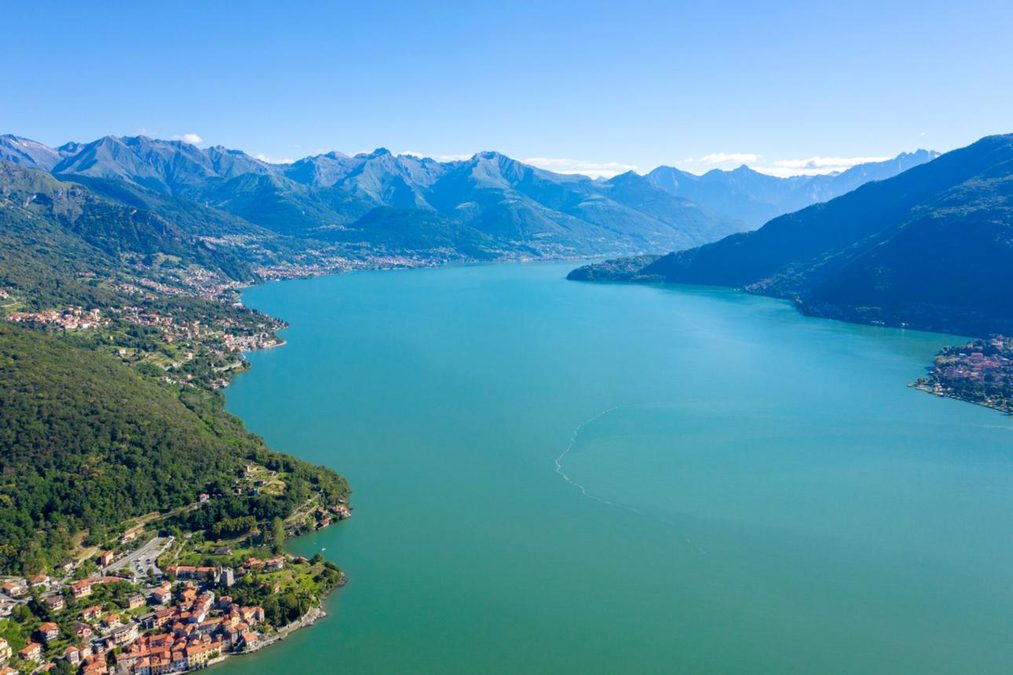
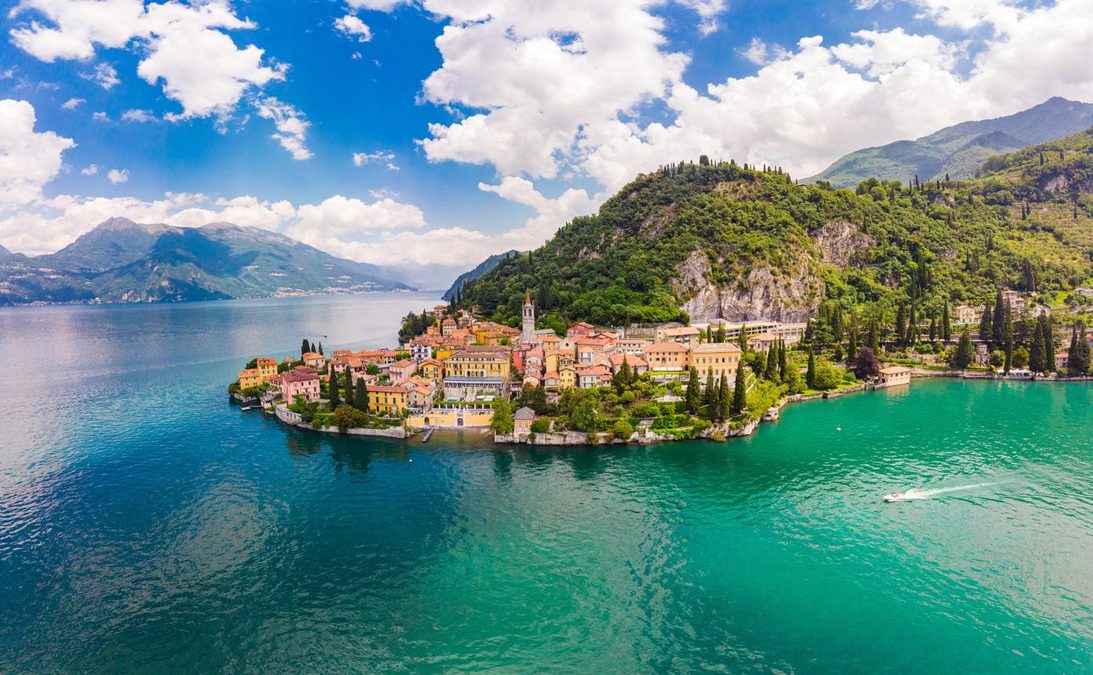

Lake Como lies in northern Italy, around 50 kilometres north of Milan, in the province of Como. It is also known by its Italian name, Lago di Como, and is one of the deepest lakes in Europe. Its distinctive inverted-Y shape creates three main branches, with the towns of Como and Lecco at the southern ends and the central lake area connecting towards Bellagio.
The scenery is shaped by the meeting of water, mountains, and architecture. Steep green slopes descend towards the shoreline, while historic villas and villages occupy narrow strips of land between the lake and surrounding hills. This geography gives many towns a dramatic setting, but it also means roads can be winding and travel times between places may be longer than distances on a map suggest.
The region’s appeal comes from variety. You can spend a morning exploring a historic town, take a ferry to another village for lunch, and finish the afternoon in a lakeside garden or mountain viewpoint. For travellers who enjoy photography, architecture, outdoor activities, and Italian food, it offers a particularly rewarding combination.
Explore Bellagio, the Pearl of the Lake
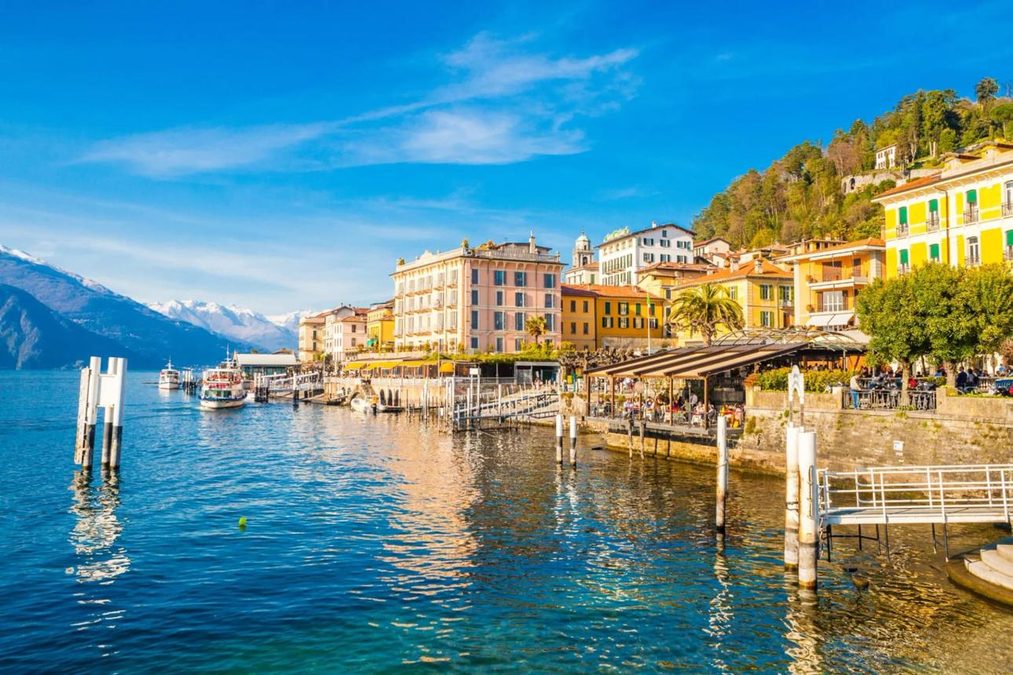


Bellagio occupies a prominent position where the lake’s three branches meet. Often called the Pearl of the Lake, it is known for its waterfront promenade, elegant villas, steep cobbled lanes, and sweeping views across the water. Its central location also makes it a convenient ferry stop for visitors exploring the surrounding towns.
The historic centre is best discovered on foot. Walk along the waterfront before heading into the narrow streets lined with cafés, boutiques, and restaurants. The climb through the old town can be steep in places, but the views from higher streets are worth the effort. Punta Spartivento, a scenic point at the end of the Bellagio peninsula, provides a memorable panorama of the surrounding mountains and water.
Bellagio can become busy during summer and on weekends, especially around the ferry terminal and central streets. Arriving earlier in the day or staying into the evening can provide a calmer experience. If you have mobility limitations, consider the steep gradients when choosing accommodation or planning walking routes.
Discover Varenna and Its Romantic Waterfront
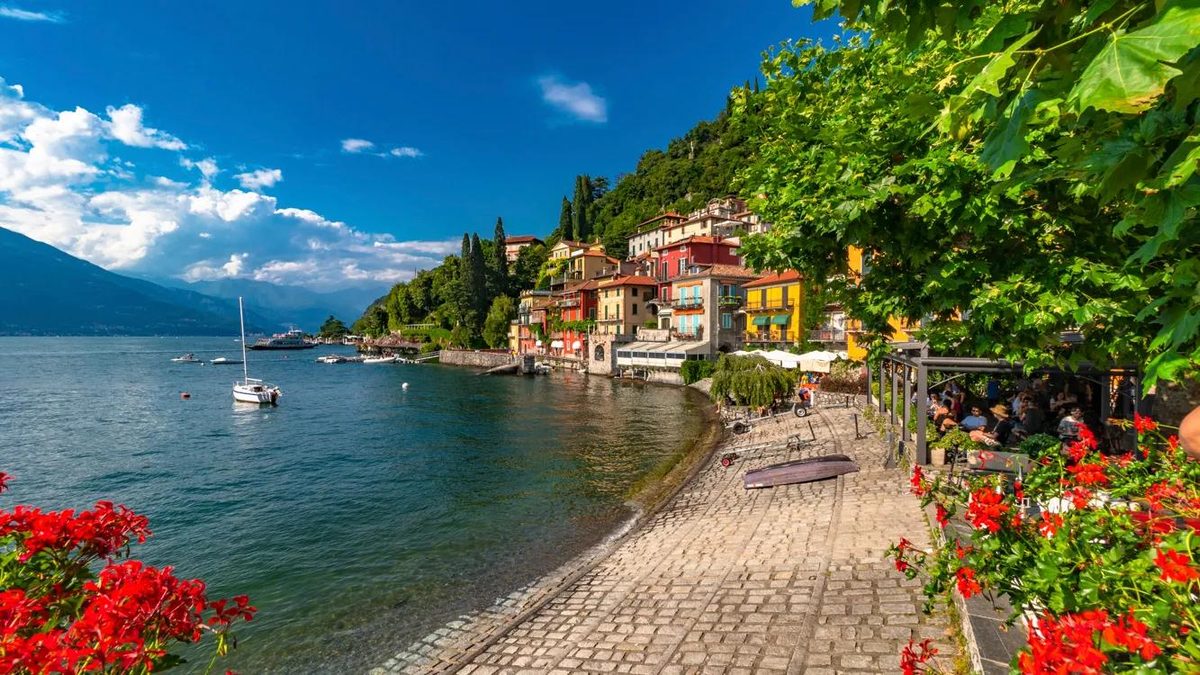
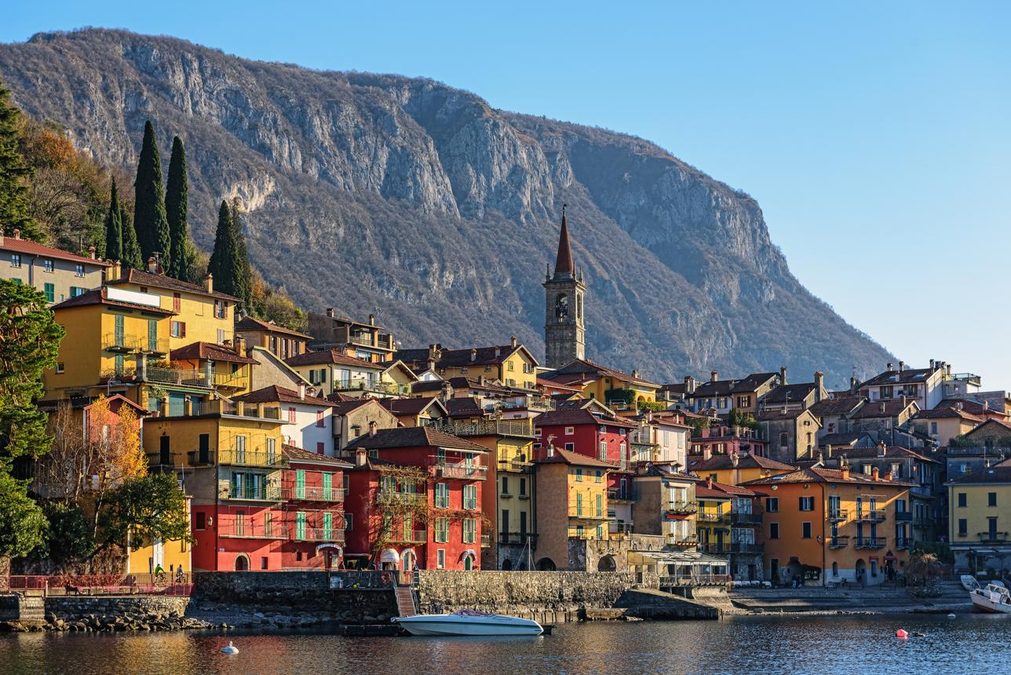
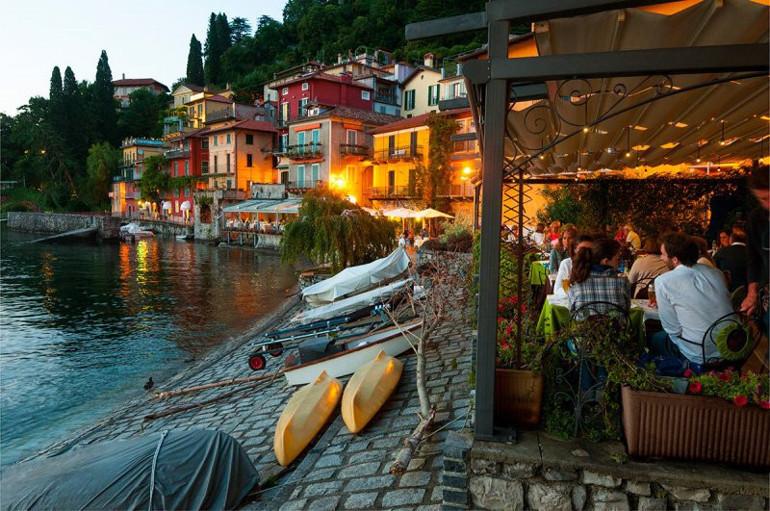
Varenna is one of the most picturesque villages on the eastern shore. Its colourful houses, small harbour, stone lanes, and peaceful waterfront create an atmosphere that feels more intimate than some of the lake’s busier destinations. The famous Passeggiata degli Innamorati, or Lovers’ Walk, is a lakeside path with red railings that curves above the water and offers beautiful views towards the opposite shore.
The village also has important historic attractions. Villa Monastero is known for its long botanical garden, which stretches along the shoreline and features terraces, sculptures, and varied plant collections. Nearby, Castello di Vezio sits above the village and offers panoramic views across the lake, although reaching it involves an uphill walk.
Varenna is especially convenient for visitors arriving by train from Milan because it has its own railway station, Varenna-Esino. This makes it a useful base for travellers who prefer not to rent a car. Ferries also connect it with central lake destinations, although schedules vary by season and weather.
Visit Como Town, Its Cathedral, and Historic Centre
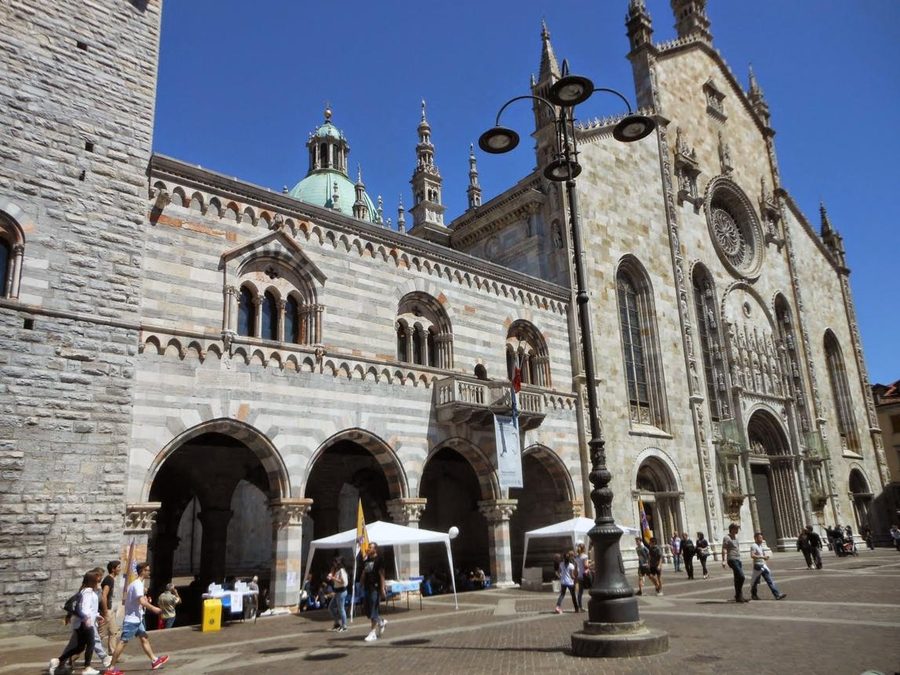
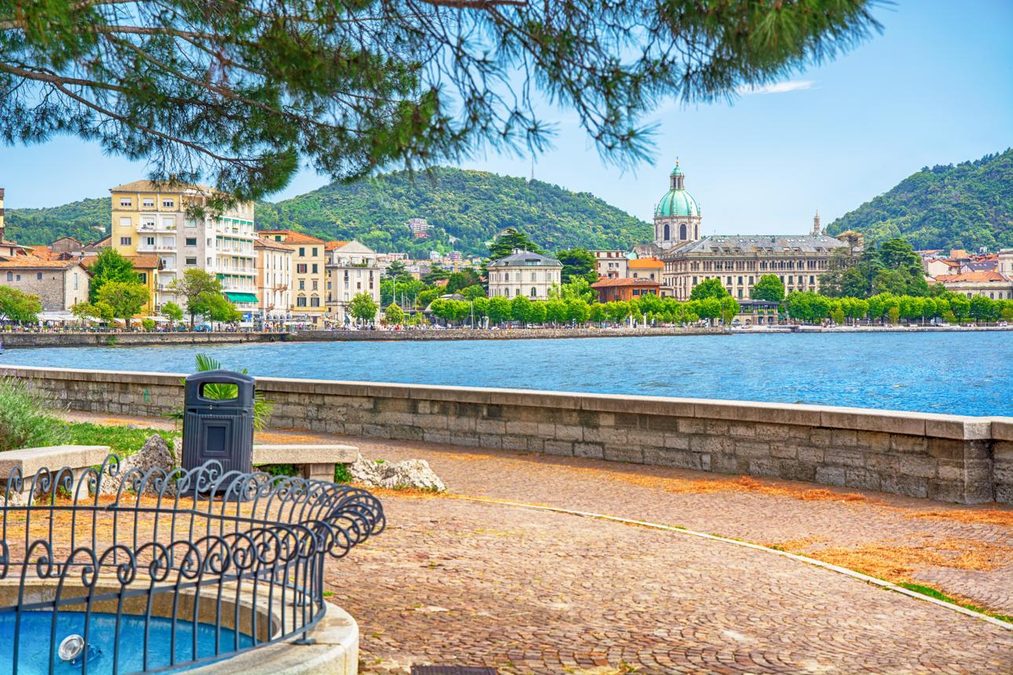
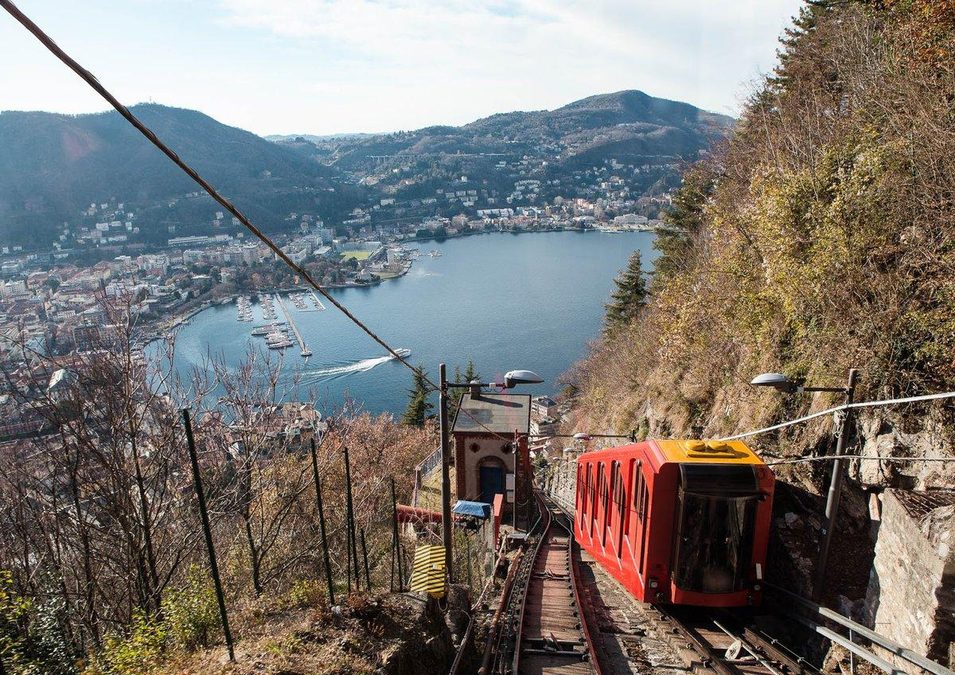
Como is the lake’s largest town and an important gateway for visitors arriving from Milan. Its historic centre combines medieval streets, elegant squares, boutiques, cafés, and waterfront parks. Compared with the smaller villages, it has a more urban atmosphere and a wider range of services, making it a practical base for longer stays.
The Como Cathedral, or Duomo di Como, is one of the town’s most impressive landmarks. Its architecture combines Gothic and Renaissance elements, and its detailed façade overlooks the lively Piazza del Duomo. Nearby, the Basilica of Sant’Abbondio and the historic city walls offer further insight into the area’s religious and medieval past.
For an elevated view, take the Como–Brunate funicular up to the hillside village of Brunate. The journey provides beautiful views over the town and water, while the upper area offers walking routes and scenic viewpoints. On clear days, the surrounding Alpine landscape becomes especially striking.
Explore Historic Villas and Beautiful Botanical Gardens
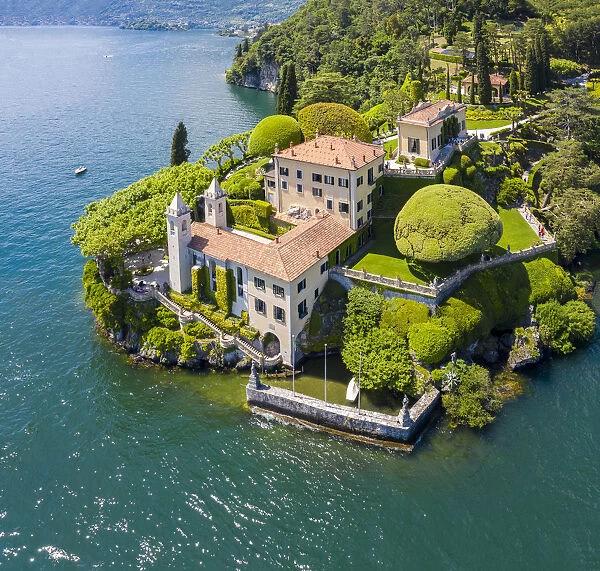

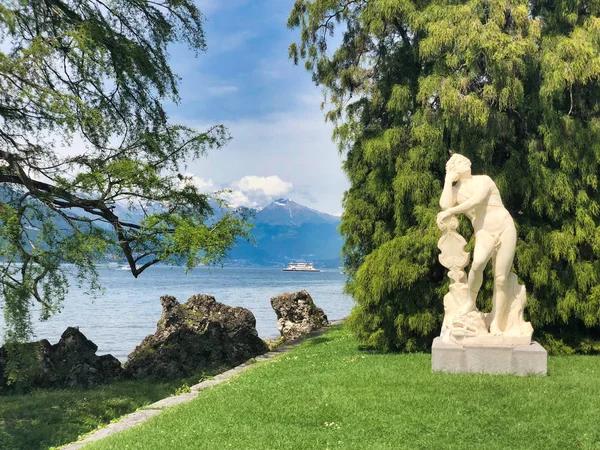
The historic villas are among the region’s greatest attractions. Many were built by wealthy families who wanted elegant summer residences overlooking the water, and their architecture, art collections, and landscaped gardens reflect centuries of wealth and cultural exchange. Visiting one or two gives you a deeper understanding of the area’s heritage beyond its famous scenery.
Villa del Balbianello, near Lenno, is particularly celebrated for its terraces, carefully maintained gardens, and spectacular peninsula setting. It has also appeared in several films, making it familiar to cinema fans. Villa Carlotta, in Tremezzina, is known for its botanical gardens and art collection, while Villa Melzi in Bellagio offers landscaped grounds, sculptures, and peaceful paths beside the water.
Villa opening dates and access arrangements can vary throughout the year. Some properties require advance reservations, and reaching them may involve a ferry followed by a walk. Check the official visitor information before setting out, especially if a guided tour or a particular garden is a priority. A slower visit is usually more rewarding than trying to fit several villas into one afternoon.
Take a Ferry Across the Lake and Enjoy the Scenery
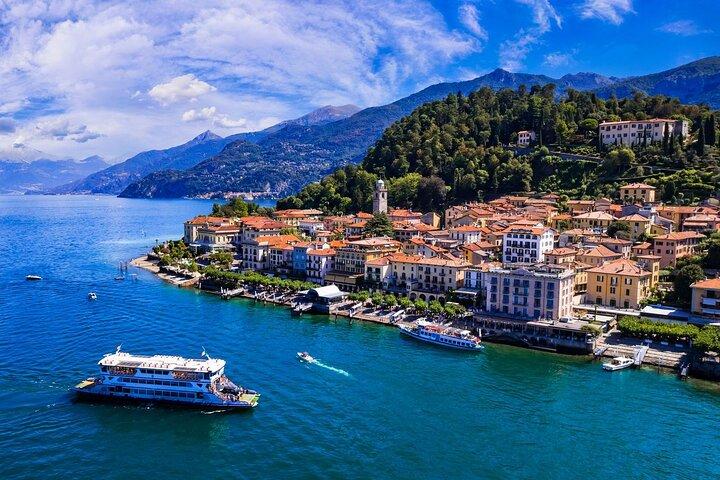

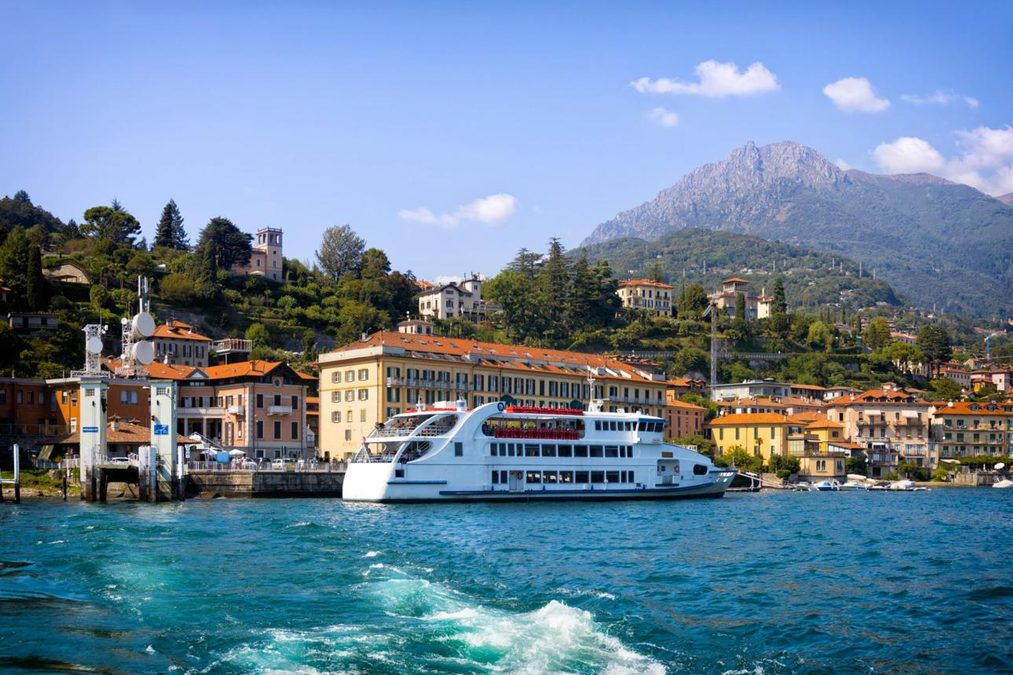
Ferries are one of the most enjoyable ways to travel between lakeside towns. They turn transportation into part of the sightseeing experience, allowing you to see colourful villages, grand villas, wooded slopes, and mountain peaks from the water. Regular services connect key destinations, while faster services can reduce journey times on selected routes.
The central lake area is especially convenient for ferry-based exploration. Bellagio, Varenna, Menaggio, and Cadenabbia are important stops, making it possible to combine several villages without driving along winding shoreline roads. Car ferries also operate on certain routes, which can be useful for visitors travelling with a vehicle.
However, ferry timetables vary by season, day, and service type. Summer departures can be busy, and bad weather may affect operations. Check the latest official navigation schedule, allow time for queues, and avoid planning a tightly timed connection if you have an important reservation. A flexible itinerary is much less stressful, particularly during peak travel months.
Discover Menaggio, Tremezzina, and the Western Shore

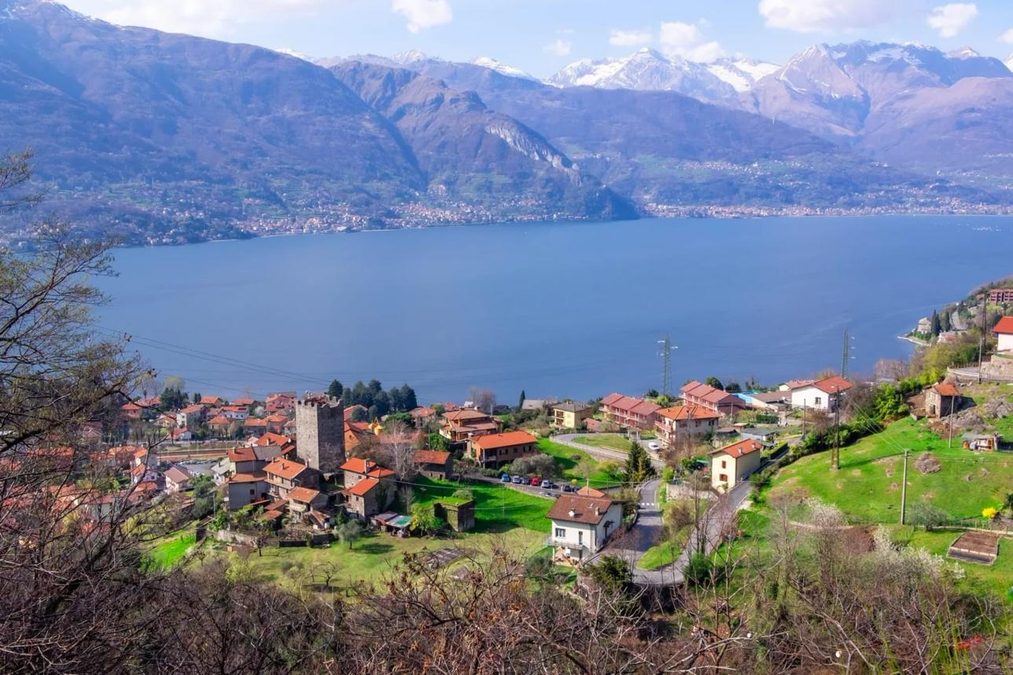
Menaggio is a welcoming town on the western shore, known for its attractive lakeside promenade, central square, and mountain backdrop. It offers a more relaxed atmosphere than some of the busiest central villages and has a good selection of cafés, restaurants, and accommodation. Its position also makes it a useful starting point for exploring nearby valleys and walking routes.
The wider Tremezzina area includes several attractive villages, including Lenno, Tremezzo, and Mezzegra. This stretch of shoreline is especially appealing to visitors interested in historic residences, gardens, and quieter waterfront walks. Villa del Balbianello and Villa Carlotta are two major highlights, but small harbours and village lanes are equally rewarding when explored without a strict schedule.
If you want a quieter stay, consider accommodation outside the busiest ferry hubs. You may find a more peaceful setting, but check how far it is from public transport, restaurants, and ferry terminals. Some hillside properties have wonderful views but involve steep walks or limited evening connections.
Best Time to Visit and What to Expect
Spring and early autumn are often the most comfortable seasons for exploring the villages, gardens, and walking routes. April to June brings fresh greenery and flowering gardens, while September and October can offer pleasant temperatures and a less intense atmosphere after the summer peak. These periods are particularly good for visitors who want to combine sightseeing with outdoor activities.
Summer is popular for boat trips, swimming, lakeside dining, and long evenings, but it also brings heavier crowds and higher accommodation prices. Winter is quieter, with a more subdued atmosphere, although some villas, gardens, hotels, and seasonal ferry services may operate on reduced schedules or close temporarily. Always check attraction opening dates before building your itinerary around a particular visit.
| Season | Main advantages | Things to consider |
|---|---|---|
| Spring (March–May) | Blooming gardens, fresh scenery, mild days | Changeable weather and seasonal opening dates |
| Summer (June–August) | Swimming, boat trips, outdoor dining | Crowds, higher prices, and busy ferries |
| Autumn (September–November) | Comfortable walking and quieter villages | Shorter days and reduced services later in the season |
| Winter (December–February) | Peaceful atmosphere and lower visitor numbers | Some attractions and ferry routes may be limited |
Local Food, Restaurants, and Lakeside Dining
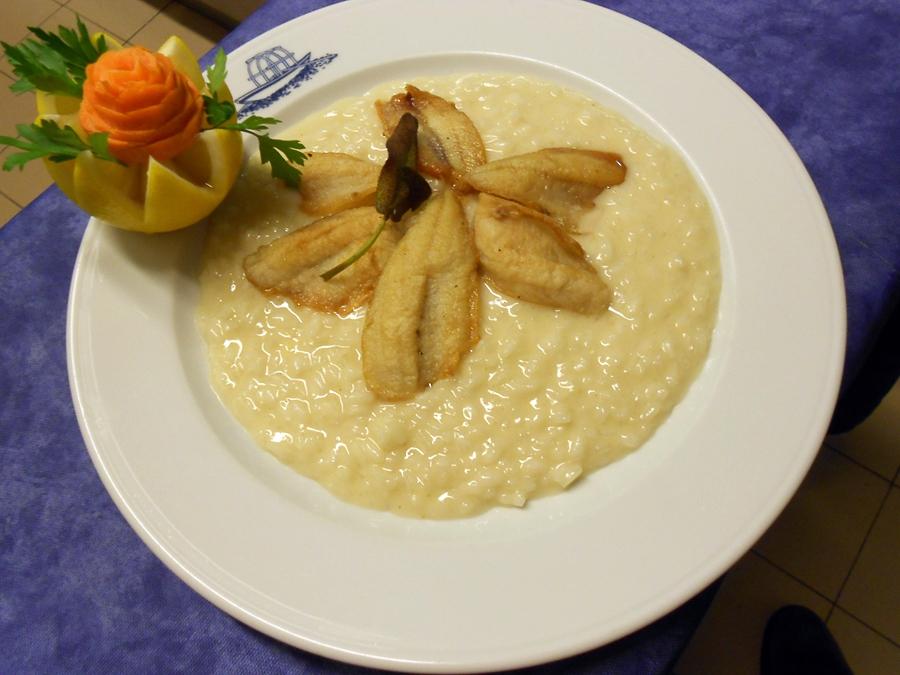

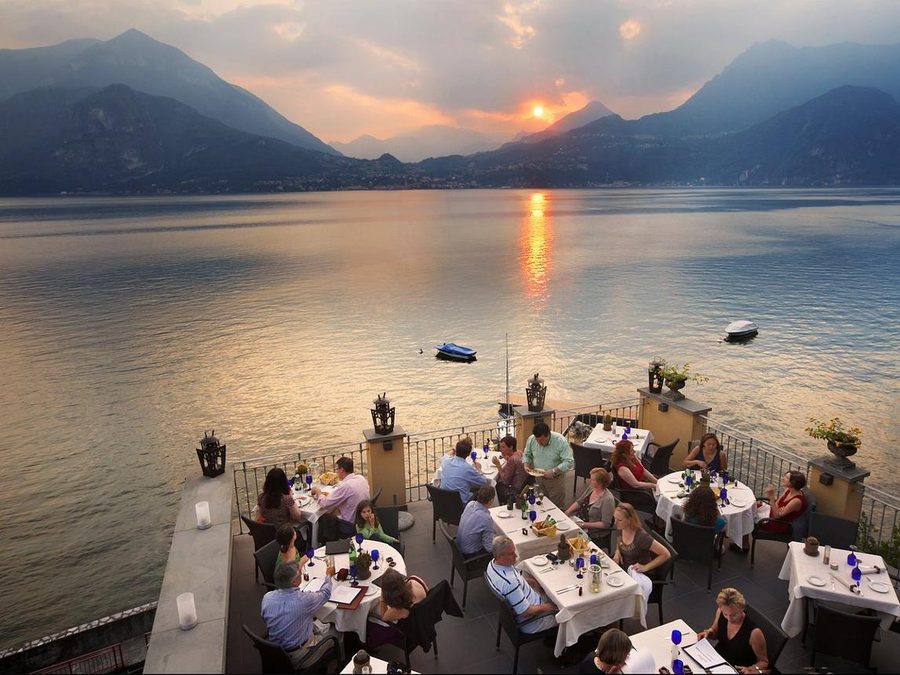
Food around the lake reflects the culinary traditions of Lombardy, with freshwater fish, rice, polenta, mountain cheeses, and seasonal ingredients featuring prominently. Menus often include dishes made with perch, lake whitefish, and other local catches. Risotto with fish is a popular choice, while polenta is a traditional accompaniment in many mountain and lakeside restaurants.
You may also find regional specialities such as missoltini, traditionally prepared dried and salted lake fish, and pizzoccheri, a buckwheat pasta dish associated with the wider Valtellina area. Local restaurants range from simple trattorias to refined dining rooms with panoramic terraces. For a memorable meal, look for seasonal menus and restaurants that identify the origin of their ingredients rather than choosing only by the view.
Dining beside the water can be wonderful, but restaurants directly around major ferry terminals may be busy and more expensive. Walking a few streets away from the busiest waterfront often reveals quieter places with a more local feel. In peak season, booking ahead for dinner is sensible, particularly in small villages where seating is limited.
Getting There, Where to Stay, and Practical Travel Tips
Milan is the most common starting point for international visitors. Trains run from Milano Centrale to Como San Giovanni, while services from Milano Centrale or Milano Porta Garibaldi can take travellers towards Varenna-Esino. Journey times depend on the service, so check the current timetable before departure. Milan Malpensa and Linate airports are also useful arrival points, with onward connections by train, bus, or private transfer.
Choosing the right base is important because the lake’s towns are spread across a large area. Como suits travellers who want urban amenities and convenient rail connections; Varenna is useful for train arrivals and ferry trips; Bellagio is ideal for central lake scenery; and Menaggio offers a quieter western-shore atmosphere. If you are travelling without a car, prioritise accommodation within a comfortable walk of a ferry terminal or railway station.
| Base | Best for | Transport advantage |
|---|---|---|
| Como | City atmosphere, shopping, restaurants | Rail links to Milan |
| Bellagio | Central lake views and village charm | Ferry connections across the central lake |
| Varenna | Romantic scenery and rail arrivals | Railway station and ferry services |
| Menaggio | Relaxed stays and western-shore exploration | Ferry links to central lake towns |
| Tremezzina | Villas, gardens, and quieter villages | Access to several western-shore attractions |
A common planning mistake is assuming every village is just a short drive from the next. The shoreline roads can be narrow, winding, and busy, especially in summer. Ferries are often more convenient for central lake sightseeing, while a car can be useful for exploring smaller inland villages. If you drive, check parking arrangements before booking accommodation and avoid entering restricted areas without understanding local rules.
Frequently Asked Questions About Lake Como
How many days do you need at Lake Como?
Three days is a good starting point for exploring the main central villages, taking ferry trips, and visiting one or two historic villas. Four or five days allow a more relaxed pace, with time for mountain viewpoints, gardens, local restaurants, and less-visited towns. A short day trip is possible, but it will cover only a small part of the region.
What is the best town to stay in?
The best base depends on your priorities. Como is convenient for rail connections and city amenities, Bellagio offers a central position and classic lakeside scenery, Varenna is practical for train arrivals, and Menaggio provides a relaxed western-shore setting. Travellers without a car should stay close to a ferry terminal or railway station.
Is Lake Como expensive to visit?
It can be relatively expensive, particularly during summer when accommodation, private boat tours, and waterfront restaurants are in high demand. Travellers can manage costs by visiting in spring or autumn, using public ferries, booking accommodation early, and eating at traditional trattorias away from the busiest waterfront areas.
Can you visit Lake Como from Milan in one day?
Yes. A day trip from Milan is practical, especially if you focus on one or two well-connected towns. Como and Varenna are popular starting points because they have railway connections. However, attempting to visit several villages, tour multiple villas, and take long boat trips in one day can make the experience rushed.
Are ferries available throughout the year?
Ferry services operate throughout much of the year, but routes, frequencies, and timetables change with the seasons. Summer generally has more frequent services, while winter schedules can be reduced. Weather and operational conditions may also affect departures, so check the latest timetable on the official navigation service before travelling.
What is Lake Como famous for?
It is known for its dramatic Alpine scenery, elegant historic villas, botanical gardens, picturesque villages, and boat trips. Bellagio, Varenna, Como, and Menaggio are among its best-known towns. The destination is also associated with Italian lakeside living, regional cuisine, and historic residences overlooking the water.
Is Lake Como suitable for families?
Yes. Families can enjoy ferry rides, lakeside promenades, gardens, boat excursions, and outdoor activities. Some villages have steep streets and steps, so visitors with pushchairs or mobility needs should check walking routes and accommodation access carefully. Choosing a convenient base can make family travel much easier.
Conclusion: Experience the Timeless Beauty of Lake Como
Lake Como combines some of northern Italy’s most memorable landscapes with historic architecture, elegant gardens, colourful villages, and excellent regional food. From Bellagio’s cobbled streets and Varenna’s romantic waterfront to Como’s cathedral and the grand villas of Tremezzina, every part of the shoreline offers a slightly different experience.
For a rewarding trip, choose a base that suits your transport plans, use ferries to explore the central villages, and allow enough time to enjoy the scenery rather than rushing between attractions. Spring and early autumn are excellent for comfortable sightseeing, while summer offers the classic boating and lakeside holiday atmosphere.
The greatest appeal of Lake Como is the balance between exploration and relaxation: a morning spent discovering historic streets can lead naturally into a slow afternoon on the water, followed by dinner overlooking the mountains. Give the destination time to unfold, and its beauty becomes more than a photograph—it becomes an experience.