



Discovering Dublin: Ireland’s Historic and Cultural Capital
Dublin is a city where centuries of Irish history meet modern creativity, lively neighborhoods, traditional music, and a welcoming pub culture. Located on Ireland’s east coast at the mouth of the River Liffey, the capital offers a distinctive mix of medieval landmarks, Georgian architecture, literary heritage, contemporary restaurants, and easy access to beautiful coastal scenery.
The best things to do in Dublin range from exploring historic institutions and learning about Ireland’s past to tasting traditional food, visiting famous breweries, and walking along the coastline. Its compact central area makes many attractions accessible on foot, while buses, trams, and suburban trains connect visitors with neighborhoods and seaside towns beyond the center.


Whether you are planning a weekend city break or a longer Irish holiday, the destination rewards travelers who balance famous attractions with local experiences. A visit becomes especially memorable when historic sightseeing is combined with traditional music, independent cafés, neighborhood markets, and time beside the sea.
Explore Trinity College and the Book of Kells

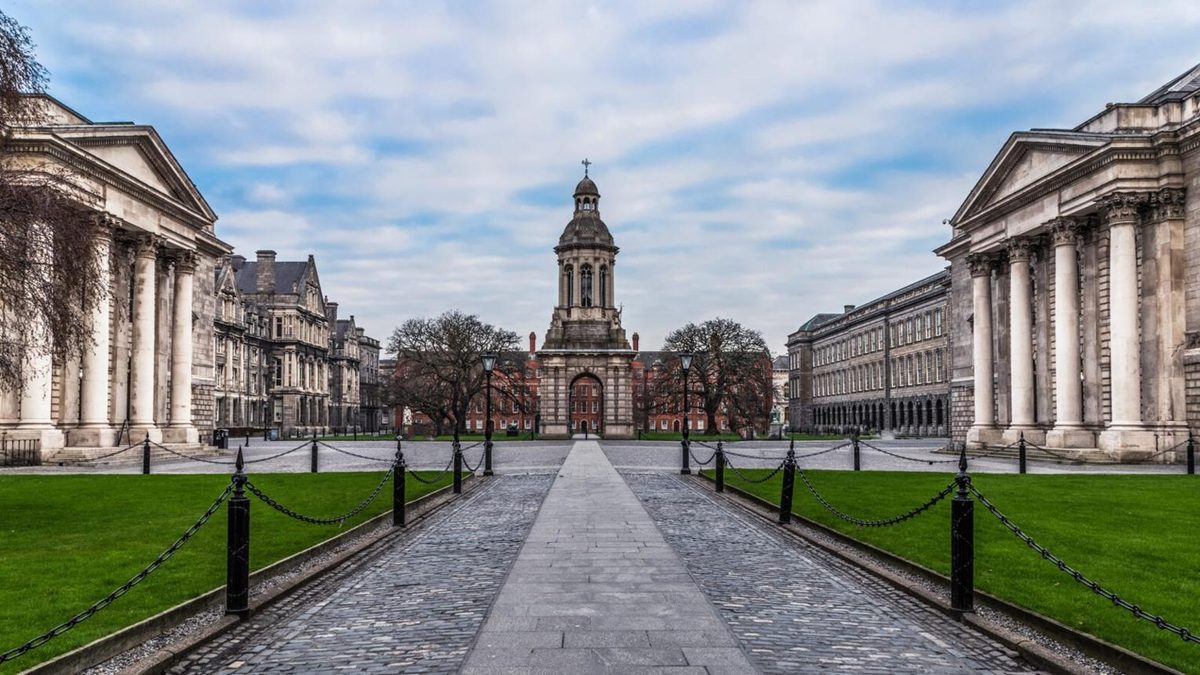
The Trinity College Dublin is one of Ireland’s most prestigious educational institutions and a major cultural landmark. Founded in 1592, its historic campus features elegant courtyards, impressive academic buildings, and landscaped spaces that offer a peaceful break from the busy city streets.
Its most celebrated attraction is the Book of Kells. This richly decorated manuscript, created by Celtic monks around the ninth century, contains the four Gospels in Latin and is famous for its intricate illustrations and elaborate lettering. The exhibition explores the manuscript’s artistic and historical importance, offering insight into Ireland’s early Christian heritage.
The Old Library has traditionally been another highlight, particularly its magnificent Long Room. However, visitors should check the current visitor experience and access arrangements before booking, as restoration and renovation work can affect which spaces are open. Advance reservations are advisable during busy travel periods.
Discover Dublin Castle and the Medieval City

The Dublin Castle is one of the city’s most important historical landmarks. Originally established in the early thirteenth century on a site associated with Viking Dublin, it served for centuries as the center of English and later British administration in Ireland. Today, its historic rooms, courtyards, gardens, and cultural exhibitions provide a fascinating introduction to the country’s political history.
Visitors can explore the State Apartments, which are used for official ceremonies, along with the medieval structures that remain from the original complex. The Chester Beatty museum, located within the castle grounds, is another worthwhile stop, featuring an internationally significant collection of manuscripts, books, and decorative arts. Allow extra time if you enjoy history and visual culture rather than treating the castle as a quick photo stop.
Experience the Guinness Storehouse

The Guinness Storehouse is among Ireland’s best-known visitor attractions. Located at the historic St. James’s Gate Brewery, it explains the story of Guinness, from its origins under Arthur Guinness in 1759 to its international reputation as one of the world’s most recognizable stout brands.
The self-guided experience takes visitors through exhibitions about brewing ingredients, production, advertising, and the brand’s cultural influence. One of its most popular features is the Gravity Bar, where visitors can enjoy panoramic views across the city. Even travelers who are not particularly interested in beer may appreciate the building’s industrial heritage and engaging presentation.
Book tickets in advance, especially for weekends and peak summer dates. The attraction is popular, and choosing a timed entry helps make the visit easier to plan. If you are organizing your itinerary around the things to do in Dublin, this experience is best paired with nearby historic streets and the Liberties neighborhood.
Walk Through Temple Bar and Enjoy Traditional Irish Music

Temple Bar is one of the city’s most recognizable entertainment districts. Its cobbled lanes, colorful pub fronts, restaurants, galleries, and cultural venues create a lively atmosphere, particularly in the evening. Although it is popular with tourists, the area also has a genuine cultural side, with independent creative spaces and events contributing to its identity.
Traditional Irish music is a major attraction. Many pubs host live sessions featuring instruments such as the fiddle, tin whistle, bodhrán, and guitar. These performances are often informal, with musicians sharing tunes rather than delivering a staged concert. As a local saying suggests, “the craic” is about good company, conversation, and enjoyment as much as entertainment.
Temple Bar can be expensive compared with other neighborhoods, particularly for drinks and meals. Visitors looking for better value can enjoy the atmosphere briefly before exploring pubs in areas such as Smithfield, Stoneybatter, or around Camden Street. This gives you a broader understanding of the city’s social life beyond its most photographed district.
Visit St Patrick’s Cathedral and Christ Church Cathedral
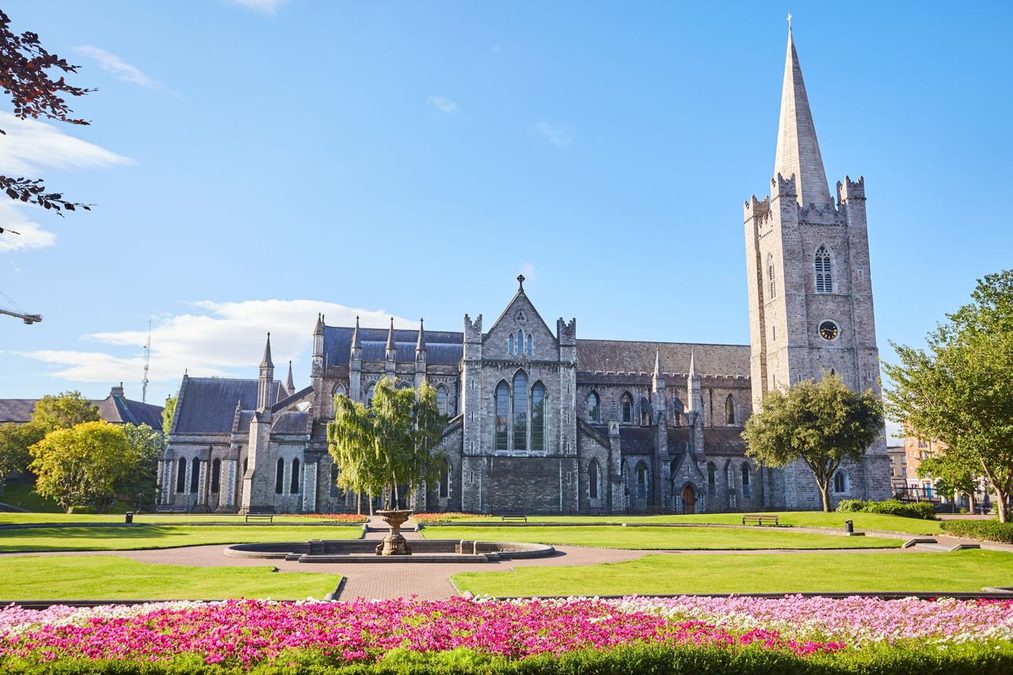

The St Patrick’s Cathedral is Ireland’s largest cathedral and one of its most significant religious buildings. Its origins date to the medieval period, and its Gothic architecture, stained-glass windows, historic memorials, and peaceful gardens make it an important cultural stop. The cathedral is also closely associated with Jonathan Swift, the author of Gulliver’s Travels, who served as its dean.
Nearby, Christ Church Cathedral offers another perspective on the city’s religious and architectural history. Founded in the eleventh century, it has undergone several phases of rebuilding and restoration. Its impressive nave, medieval crypt, and decorative details reveal the influence of different architectural periods.
Both cathedrals are worth visiting for their historical significance, even if you are not planning a religious experience. Check service times and visitor arrangements before arriving, as access to certain areas may be limited during worship or special events.
Discover Irish History at Kilmainham Gaol
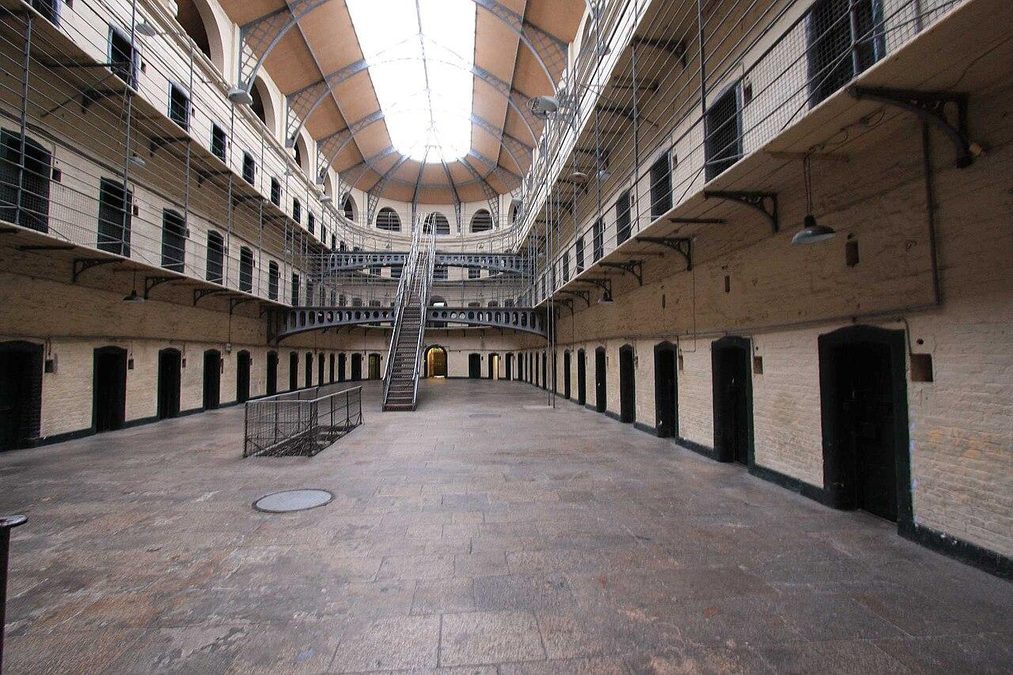
The Kilmainham Gaol provides one of the most powerful insights into Ireland’s struggle for independence. Opened in 1796, the former prison held many people involved in important political movements, including leaders of the 1916 Easter Rising. Its history is closely connected to the events that shaped modern Ireland.
Guided tours explain the conditions experienced by prisoners, the building’s changing role, and the political events associated with its most famous inmates. The stark corridors and communal cells make the experience particularly memorable. Rather than simply presenting dates and names, the tour connects individual stories with broader questions about justice, colonial rule, resistance, and national identity.
Advance booking is essential because tour capacity is limited and tickets can sell out. For travelers interested in understanding Ireland beyond its scenery and entertainment, this is one of the most meaningful historical experiences available.
Relax in St Stephen’s Green and Merrion Square


The city also offers attractive green spaces that provide a welcome break from museums and busy streets. St Stephen’s Green is a landscaped public park near Grafton Street, featuring walking paths, mature trees, flowerbeds, a lake, and open lawns. It is an excellent place to relax between sightseeing stops or enjoy a quiet lunch outdoors when the weather is pleasant.
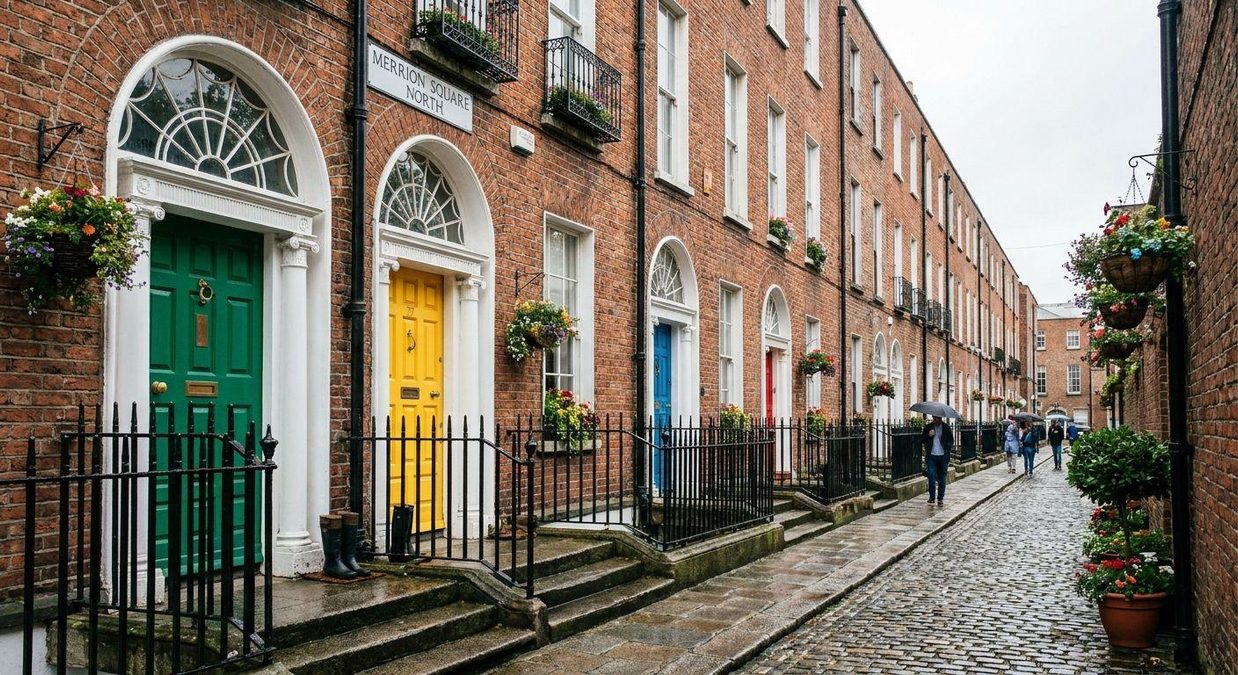
Merrion Square is another appealing green space, surrounded by elegant Georgian townhouses known for their colorful doors and architectural details. The square has literary and artistic associations, including a statue of Oscar Wilde, who lived nearby. Its peaceful paths and historic surroundings offer a different perspective on the capital’s cultural heritage.
These parks are particularly useful when planning a busy day. Instead of moving continuously between paid attractions, build in time to sit, observe local life, and enjoy the city’s outdoor spaces. This simple adjustment can make a short break feel less rushed.
Explore the National Museum and National Gallery of Ireland
The National Museum of Ireland – Archaeology is an excellent introduction to Ireland’s ancient past. Its collections include prehistoric gold objects, Viking artifacts, medieval treasures, and archaeological discoveries that reveal how people lived across different periods. The museum is especially valuable for understanding the cultural history behind the landmarks found throughout the country.
Art lovers should also visit the National Gallery of Ireland. Its collection includes Irish and European paintings, with works spanning several centuries. The galleries provide an accessible way to explore artistic movements while discovering important Irish artists and international masters.
These museums are useful options on rainy days and can add depth to a city break. Many permanent collections are free to visit, although special exhibitions may require tickets. Check current opening hours and exhibition details before planning your route.
Take a Coastal Excursion to Howth or Dalkey

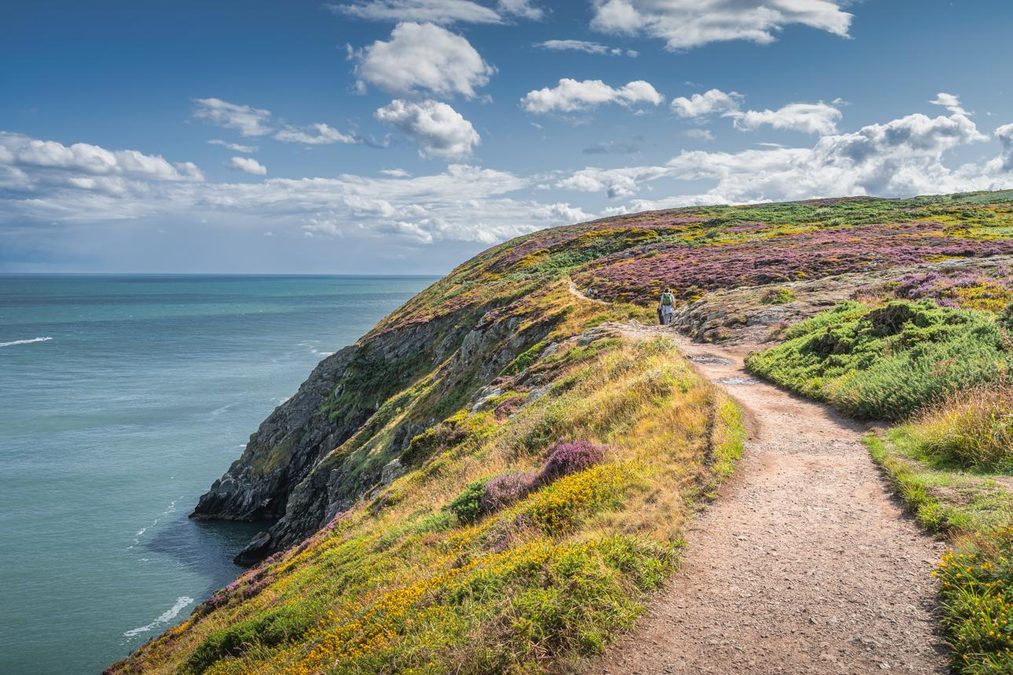

One of the advantages of visiting the capital is how easily you can reach the coast. Howth is a popular seaside destination known for its fishing harbor, seafood restaurants, cliff scenery, and walking routes. The Howth Cliff Walk offers beautiful views across Dublin Bay, although visitors should check weather conditions and trail safety before setting out.
On the southern side of the bay, Dalkey offers a quieter atmosphere, historic streets, attractive waterfront scenery, and access to coastal walks. Nearby Killiney Hill is another rewarding excursion, with elevated views across the sea and surrounding countryside.
The DART suburban rail service connects the city center with both coastal destinations, making them practical half-day trips without a rental car. If rain or strong winds make cliff walking unsuitable, enjoy the harbor, local cafés, and sheltered town streets instead.
Best Time to Visit and Seasonal Experiences
The city has a temperate maritime climate, with relatively mild winters, cool summers, and rainfall possible throughout the year. Weather can change quickly, so carrying a waterproof jacket and comfortable walking shoes is sensible even during warmer months. Long summer daylight hours make June, July, and August particularly convenient for combining city sightseeing with coastal excursions.
Spring and early autumn can offer a comfortable balance between weather and visitor numbers. March brings St Patrick’s Festival celebrations, while December adds festive lights, seasonal markets, and a lively atmosphere around the shopping streets. Major events can increase hotel demand, so early accommodation planning is recommended.
| Season | Typical conditions | Recommended experiences |
|---|---|---|
| Spring | Mild, changeable weather | Walking tours, museums, parks |
| Summer | Longer days, generally mild to warm | Coastal trips, outdoor dining |
| Autumn | Cooler temperatures and rainfall | Historic attractions, galleries |
| Winter | Short days and chilly weather | Pubs, museums, festive events |
There is no completely dry season, so flexibility matters more than choosing a supposedly perfect month. Keep indoor attractions available as alternatives when the weather changes.
Getting Around Dublin and Practical Transport Tips
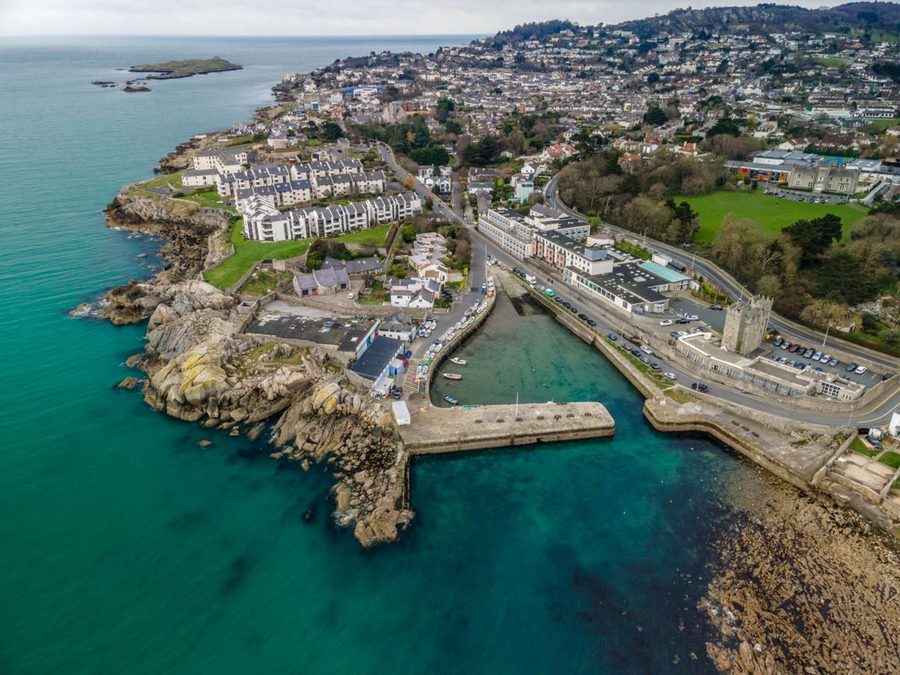

The city center is relatively compact, and many major attractions can be explored on foot. Walking is particularly convenient around Trinity College, Grafton Street, Temple Bar, Dublin Castle, and the cathedral district. However, some attractions, including Kilmainham Gaol and the coastal suburbs, are farther away and are easier to reach using public transportation.
Public transport includes Dublin Bus, the Luas tram network, and DART suburban trains. The Leap Card is a convenient option for many visitors using buses, trams, and eligible rail services. Check current fares, ticket conditions, and routes before traveling. Taxis and ride-hailing services can also help when public transport is less convenient.
For travelers planning several things to do in Dublin over a short stay, grouping attractions by neighborhood saves time and unnecessary journeys. For example, Trinity College, Grafton Street, St Stephen’s Green, and Merrion Square can be explored together, while Kilmainham Gaol works well as a separate excursion.
Irish Food, Cafés, and Traditional Dining


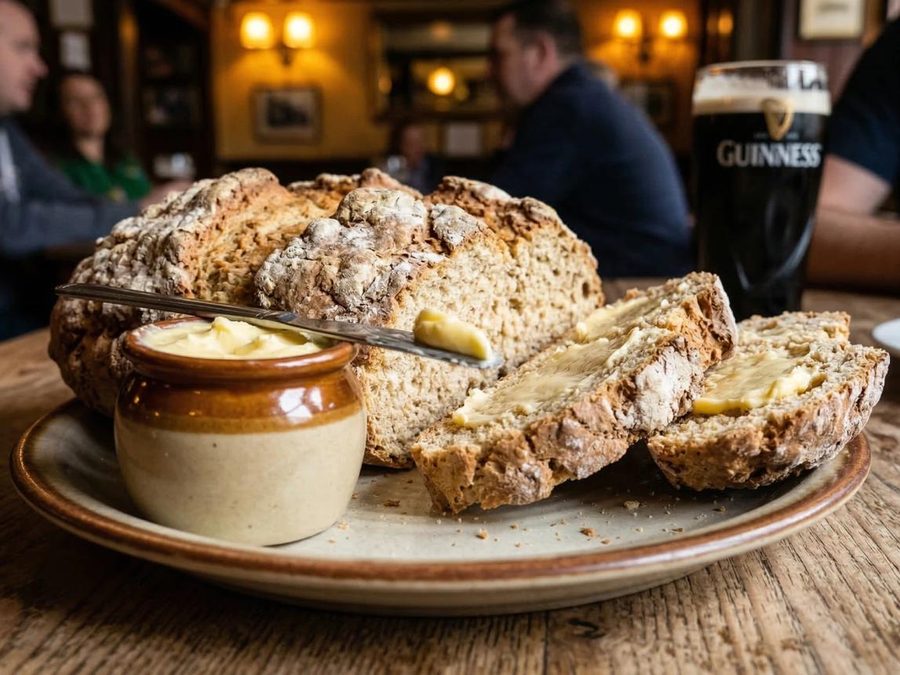
Irish food is an important part of the local experience. Traditional dishes often feature potatoes, meat, seafood, seasonal vegetables, and hearty sauces. Irish stew, commonly prepared with lamb or beef, potatoes, onions, and herbs, remains a familiar comfort food. Seafood chowder, fish and chips, and freshly baked soda bread are also popular choices.
The city has a diverse dining scene beyond traditional pub food. Visitors can discover independent coffee shops, international restaurants, contemporary Irish cuisine, bakeries, and food markets. Areas such as Camden Street and George’s Street offer plenty of dining options, while neighborhood cafés provide a more relaxed alternative to busy tourist restaurants.
Food costs can vary considerably, particularly in central tourist districts. Look for lunch specials, early dining menus, and traditional cafés if you want to manage your budget. Trying a local dish in a neighborhood restaurant can be just as memorable as dining at a well-known destination.
Shopping, Literature, and Dublin’s Creative Neighborhoods
Shopping enthusiasts can explore Grafton Street, one of the city’s best-known retail streets. It features major international brands, department stores, independent shops, cafés, and regular street performances. The surrounding streets also contain smaller boutiques and historic shopping arcades.
The George’s Street Arcade is worth visiting for its Victorian architecture and independent retailers. Its stalls sell gifts, vintage items, crafts, accessories, and specialty products. It offers a different atmosphere from conventional shopping centers and is a good place to look for distinctive souvenirs.
Literature is another defining part of the city’s identity. Dublin has strong associations with writers such as James Joyce, Oscar Wilde, Samuel Beckett, and Bram Stoker. Bookshops, literary tours, historic pubs, and cultural events provide opportunities to explore this heritage. For visitors interested in the city’s creative identity, these experiences add depth beyond the usual sightseeing route.
Travel Costs, Safety, and Common Planning Mistakes
Dublin can be an expensive European city, particularly for accommodation, restaurant dining, and centrally located hotels. Costs often rise during summer, major festivals, and popular event weekends. Booking accommodation early and checking its distance from public transport can help avoid paying premium prices for an inconvenient location.
A common mistake is trying to visit every major attraction in one day. This can result in rushed museum visits, unnecessary transport journeys, and little time to appreciate local neighborhoods. A better approach is to select a few major experiences each day and leave room for spontaneous discoveries. Many memorable things to do in Dublin involve simply exploring a street, listening to musicians, or enjoying the atmosphere of a traditional café.
The city is generally suitable for independent travelers, but normal precautions are important. Keep valuables secure in crowded areas, stay aware around busy nightlife districts, and use licensed transportation providers. Visitors should also remember that Ireland uses the euro, and travelers arriving from outside the European Union should check current entry and visa requirements before departure.
FAQs About Things to Do in Dublin
What are the best things to do in Dublin for first-time visitors?
First-time visitors should explore Trinity College and the Book of Kells, Dublin Castle, the Guinness Storehouse, Temple Bar, and the city’s historic cathedrals. Kilmainham Gaol offers valuable insight into Irish history, while St Stephen’s Green provides a relaxing break. Combining these attractions with a traditional music session creates a balanced introduction to the capital.
How many days are enough to explore Dublin?
Three days provide a good introduction to the main attractions, historic neighborhoods, museums, and food scene. A fourth day allows time for a coastal excursion to Howth or Dalkey. Travelers interested in literature, history, and nearby attractions may benefit from staying longer.
Is Dublin expensive for tourists?
Yes, accommodation and dining can be relatively expensive, especially in central areas and during busy travel periods. However, visitors can manage spending by booking hotels early, using public transportation, exploring free museums and parks, and choosing affordable cafés or lunch menus.
What is the best time of year to visit Dublin?
May through September is popular because of longer daylight hours and generally comfortable temperatures. Spring and early autumn can provide a good balance between sightseeing conditions and visitor numbers. December is appealing for festive decorations and seasonal events, although daylight hours are shorter.
Can you explore Dublin without a car?
Yes. The central attractions are accessible on foot, while buses, Luas trams, and DART trains connect more distant neighborhoods and coastal destinations. Renting a car is unnecessary for most city visits and can be inconvenient because of traffic and parking costs.
Is Temple Bar worth visiting?
Yes, particularly for its historic streets, lively atmosphere, restaurants, and traditional music venues. However, prices can be higher than in other neighborhoods. Visitors can enjoy the district’s atmosphere and then explore less tourist-focused pubs elsewhere in the city.
What are the best free things to do in Dublin?
Free experiences include walking through St Stephen’s Green and Merrion Square, exploring the exterior of Trinity College, admiring Georgian architecture, visiting certain permanent museum collections, and enjoying riverside walks. Some galleries and museums offer free general admission, although special exhibitions may charge separately.
Are there good day trips from Dublin?
Yes. Howth and Dalkey are excellent coastal excursions accessible by suburban train. Other popular destinations include Malahide, known for its historic castle and gardens, and the Wicklow Mountains, which offer scenic landscapes and walking opportunities. Organized tours can make longer countryside trips easier.
Conclusion: Experience the History, Culture, and Character of Ireland’s Capital
Dublin offers a remarkable combination of literary heritage, historic landmarks, traditional Irish music, impressive museums, welcoming pubs, and beautiful coastal scenery. From the Book of Kells and Dublin Castle to the Guinness Storehouse and the dramatic coastline around Howth, the city has experiences suited to different interests and travel styles.
The most rewarding itinerary combines famous attractions with everyday discoveries. Spend time exploring historic streets, sample traditional Irish food, enjoy live music, and visit quieter neighborhoods beyond the main tourist areas. Allowing flexibility for changing weather and unexpected discoveries will make the journey more enjoyable.
Ultimately, the best things to do in Dublin are not limited to a checklist of landmarks. The city’s real character emerges through its stories, conversations, music, architecture, and connection with Irish culture. Take time to experience those details, and a short city break can become a genuinely memorable Irish adventure.