



Why Alaska Is One of the World’s Best Northern Lights Destinations
Alaska is one of the most rewarding destinations for witnessing the aurora borealis, the natural light display created when charged particles from the Sun interact with gases in Earth’s upper atmosphere. Green ribbons, purple arcs, and shimmering curtains can appear across dark northern skies, creating a spectacle that feels almost unreal. Its high latitude, expansive wilderness, and relatively low light pollution outside major towns make the state particularly attractive to northern lights enthusiasts.
The best places to see aurora in alaska are generally found beneath or near the auroral oval, a region surrounding the geomagnetic North Pole where auroral activity frequently occurs. Fairbanks is the most popular base because it combines favourable viewing geography with accommodation, transport, tour operators, and visitor facilities. More remote destinations, including Coldfoot and Wiseman, offer darker skies and an Arctic atmosphere for travellers prepared for challenging conditions.
Seeing the lights is never guaranteed. Cloud cover, solar activity, darkness, and local weather all influence visibility. A successful trip therefore depends on choosing the right location, allowing enough nights for viewing, and remaining flexible when conditions change.
Fairbanks: Alaska’s Most Reliable Aurora Base


Fairbanks is widely regarded as one of the strongest destinations for northern lights tourism in the United States. Located in Alaska’s Interior, it sits beneath the auroral oval and offers a practical combination of accessibility and viewing opportunities. Travellers can fly into Fairbanks International Airport, stay in established hotels or lodges, and arrange guided excursions to darker locations outside the city.
One advantage is the range of viewing experiences. Visitors can join small-group photography tours, travel to countryside cabins, or explore dedicated aurora lodges. Chena Hot Springs, southeast of Fairbanks, is another well-known option. Its hot mineral pools offer a memorable way to enjoy the winter environment, although visitors should not assume the aurora will appear during a particular soak or evening.
Fairbanks also works well for travellers who prefer flexibility. If clouds cover one area, local guides may drive towards clearer skies when road and weather conditions permit. This flexibility is valuable because even a strong aurora forecast cannot overcome thick cloud cover.
Coldfoot: Remote Arctic Skies Along the Dalton Highway
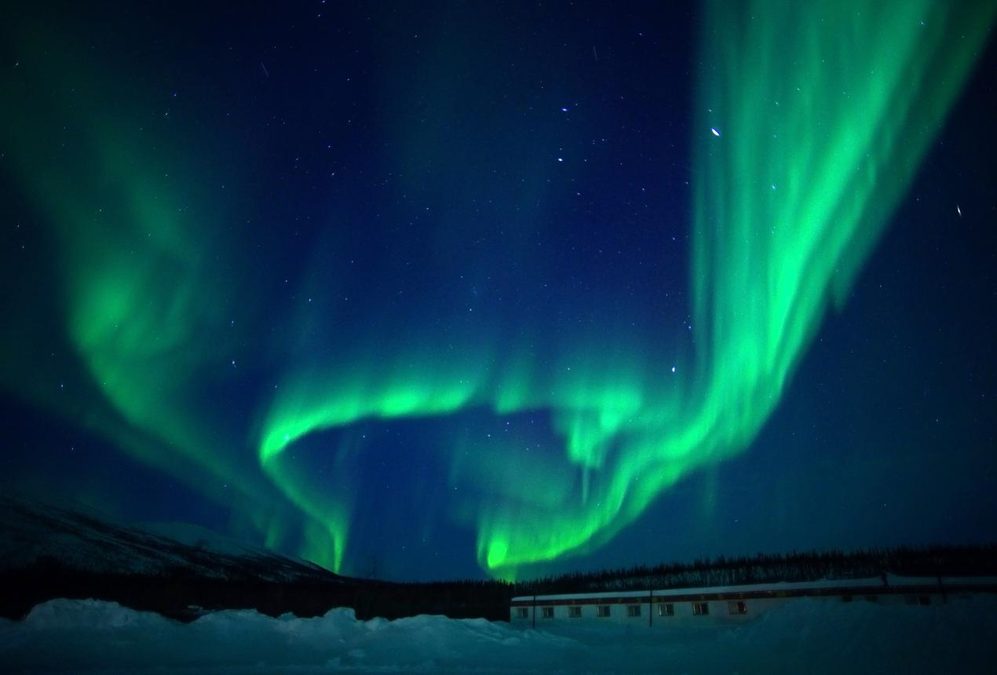

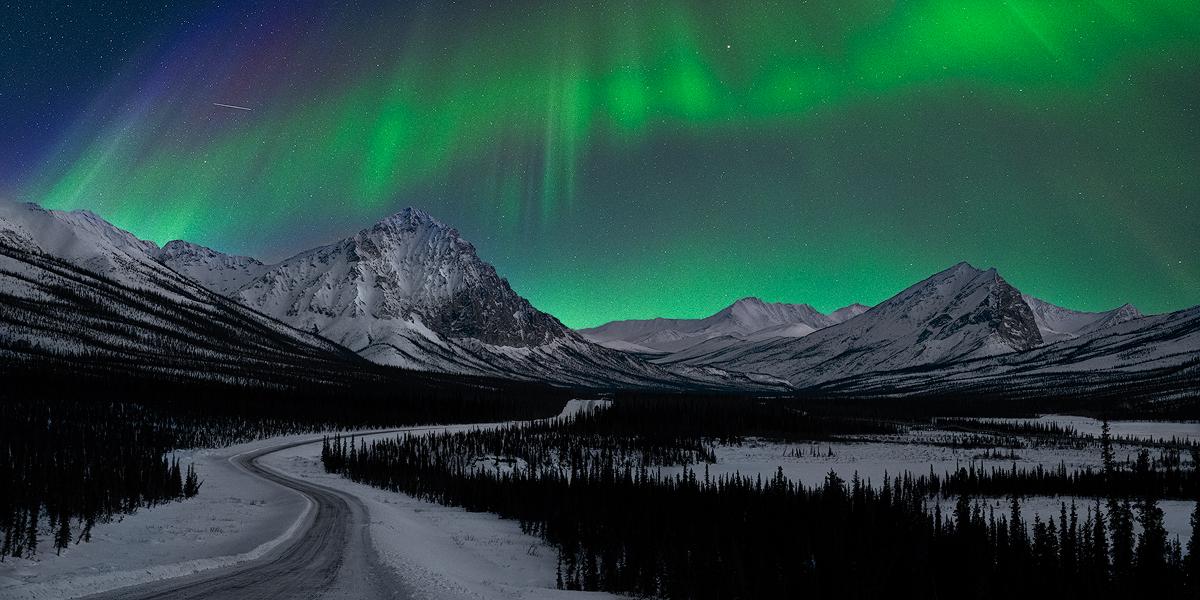
Coldfoot is a small settlement along the Dalton Highway, north of the Arctic Circle. Its remote position, sparse development, and limited artificial lighting create excellent conditions for observing the night sky. For travellers seeking an Arctic experience rather than a conventional resort stay, it offers a remarkable setting surrounded by vast landscapes and dramatic winter scenery.
The journey itself is part of the adventure. Reaching Coldfoot involves travelling along a long, isolated highway where services are limited and winter driving can be difficult. Guided transport is often a sensible choice, particularly for visitors unfamiliar with Arctic road conditions. Travellers should plan fuel, accommodation, communications, and emergency arrangements carefully.
The destination is especially appealing to photographers and adventurous visitors who want to combine aurora viewing with the atmosphere of Alaska’s far north. However, its remoteness means fewer conveniences than Fairbanks. It is better suited to travellers who value wilderness and solitude and are comfortable with a more demanding itinerary.
Wiseman: A Quiet Arctic Village for Dark-Sky Viewing
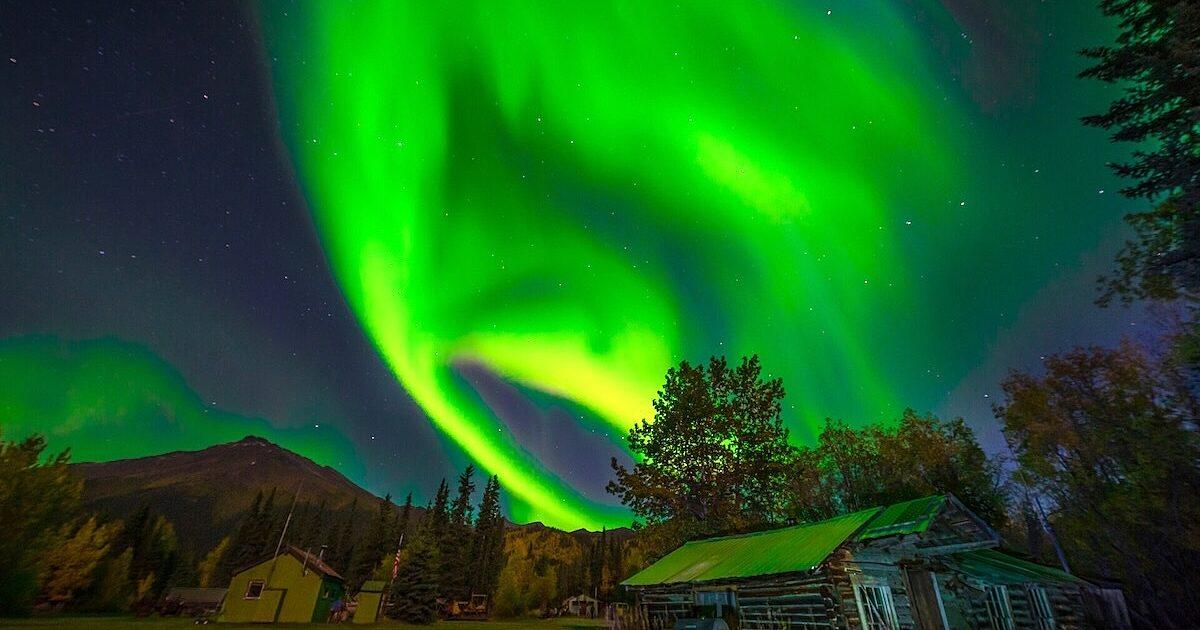


Wiseman is a historic village north of the Arctic Circle, near the Brooks Range. Its small scale and remote location make it attractive for visitors hoping to experience Alaska’s northern wilderness away from larger tourist centres. With very little artificial light, the surrounding landscape can provide a beautiful setting for watching auroral displays.
Unlike a large town, Wiseman offers a more intimate atmosphere, with rustic accommodation and a strong connection to the region’s frontier history. Visitors can experience snow-covered forests, mountain scenery, and the quiet of the Arctic night. Local hosts and guides may also provide useful insight into the area’s history and natural environment.
Planning is essential because accommodation and services are limited. Visitors should reserve suitable lodging in advance, confirm transport arrangements, and prepare for extremely cold temperatures. Wiseman can be rewarding for travellers seeking a peaceful Arctic stay, but it is less convenient for anyone expecting extensive restaurants, shops, or transport options.
Denali National Park: Aurora Above Alaska’s Mountain Wilderness
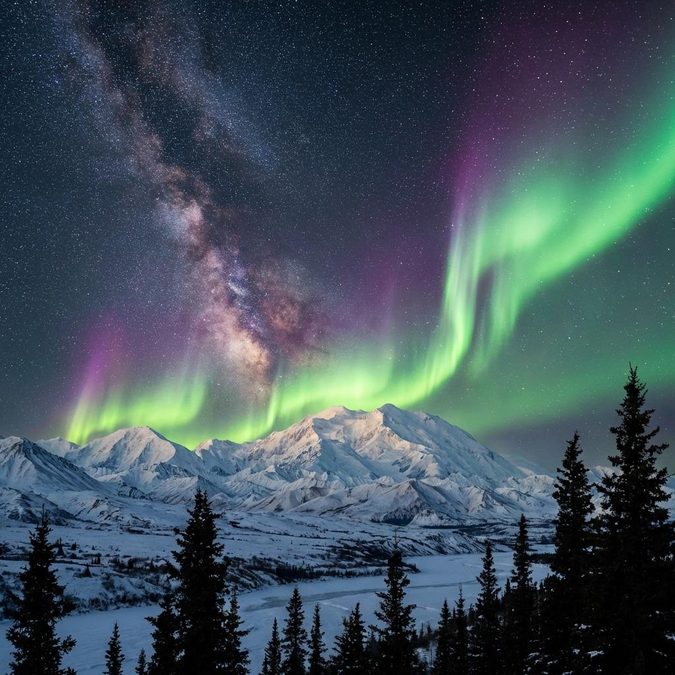
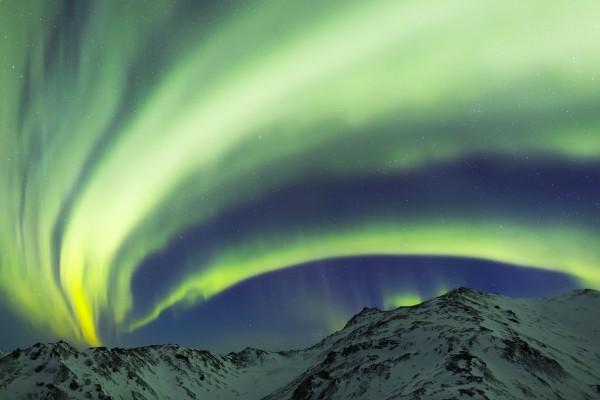

Denali National Park and Preserve is famous for vast wilderness, mountain scenery, wildlife, and the towering presence of Denali, North America’s highest peak. During the darker months, clear skies and low artificial lighting can create opportunities to see the northern lights above forests and mountain landscapes. The combination of aurora and dramatic natural scenery makes the region particularly attractive to landscape photographers.
However, Denali requires realistic expectations. Its weather can be unpredictable, and mountain cloud cover may obscure the sky even when auroral activity is strong. Winter access, road conditions, accommodation availability, and visitor services can also differ considerably from the summer season. The park is not as straightforward an aurora base as Fairbanks.
For a more practical trip, travellers can use the broader Denali area as part of a longer Interior Alaska itinerary. Allow several nights rather than relying on a single viewing opportunity, and check National Park Service information before travelling. The possibility of seeing the lights over a snowy wilderness landscape is compelling, but patience and flexibility are essential.
Utqiaġvik: Northern Lights Above Alaska’s Arctic Coast
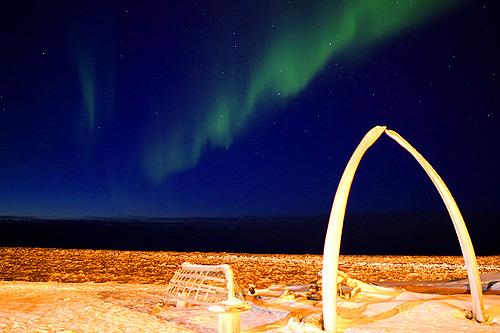

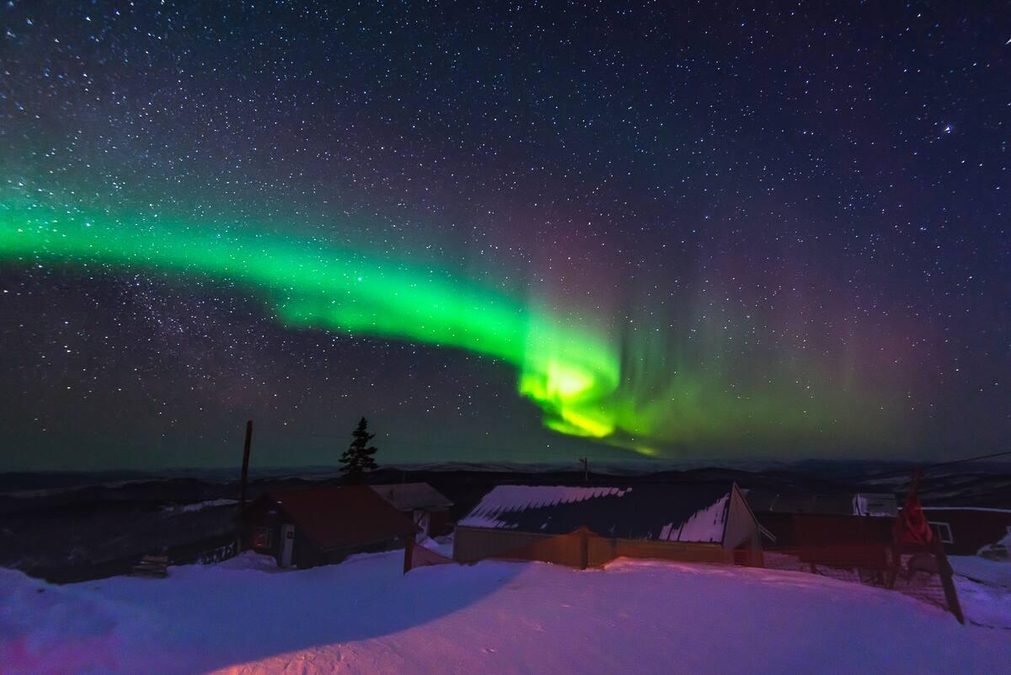
Utqiaġvik, formerly known as Barrow, is one of the northernmost communities in the United States. Located on Alaska’s Arctic coast, it experiences an extended winter darkness period that creates long potential viewing windows. Its remote coastal setting and position at high latitude make it an interesting destination for travellers seeking a distinctive Arctic aurora experience.
The environment is very different from the forests and mountain landscapes around Fairbanks. Visitors encounter tundra, frozen coastline, strong winds, and exceptionally cold temperatures. Weather can change quickly, so suitable clothing, reliable local guidance, and realistic travel planning are essential. The community also has a rich Iñupiat cultural heritage, which visitors should approach with respect and sensitivity.
Utqiaġvik is not the easiest destination to reach, and its weather can be challenging even for experienced winter travellers. It is best suited to people who want to explore Arctic life as well as watch the night sky, rather than those looking for a simple northern lights holiday.
Best Time to See the Northern Lights in Alaska
The main aurora viewing season generally runs from late August through April, when nights are sufficiently dark. September and March are popular months because they combine darkness with potentially less severe temperatures than the middle of winter. December and January offer long nights, but the cold can be intense, especially in Interior and Arctic regions.
The best places to see aurora in alaska are most rewarding when travellers allow several nights for viewing. Solar activity changes constantly, and auroral displays can appear suddenly, remain active for a short period, or continue for hours. A forecast may indicate promising geomagnetic conditions, but local cloud cover can still prevent a clear view.
A practical approach is to plan a stay of at least three nights in a suitable viewing area. This provides more opportunities to find clear weather and active skies. Travellers with longer schedules have greater flexibility, particularly when conditions are unsettled.
Understanding Aurora Forecasts and Viewing Conditions


Auroras occur when charged particles from the Sun interact with Earth’s magnetic field and atmospheric gases. These interactions release energy as light, producing colours that commonly include green, red, purple, and pink. Green is especially common because of interactions involving oxygen at particular altitudes, while other colours depend on atmospheric composition and conditions.
Three factors matter most when planning a viewing session: darkness, clear skies, and auroral activity. The NOAA Space Weather Prediction Center provides information about geomagnetic conditions and aurora forecasts. Local weather services are equally important because cloud cover can make an otherwise promising night impossible to observe.
Moonlight is another consideration, although it does not automatically prevent a good viewing experience. A bright Moon can reduce the visibility of faint auroral details, while a darker sky can reveal more stars and subtle colours. For photographers, a stable camera, tripod, manual exposure settings, and spare batteries help capture displays that may look more vivid in photographs than to the naked eye.
Comparing Alaska’s Top Aurora Destinations
Choosing between destinations depends on convenience, remoteness, scenery, and travel experience. Fairbanks is generally the most practical base for first-time visitors, while Coldfoot and Wiseman appeal to travellers seeking a more isolated Arctic atmosphere. Denali offers dramatic wilderness scenery, and Utqiaġvik provides a distinctive coastal Arctic setting.
| Destination | Main advantage | Best suited to | Main consideration |
|---|---|---|---|
| Fairbanks | Accessible accommodation and tours | First-time visitors | Light pollution near town |
| Coldfoot | Remote Arctic location | Adventure travellers | Long, challenging road journey |
| Wiseman | Quiet village and dark skies | Small-group experiences | Limited services |
| Denali area | Mountain and wilderness scenery | Landscape photographers | Variable weather and seasonal access |
| Utqiaġvik | High-Arctic coastal experience | Arctic explorers | Extreme cold and limited convenience |
For many travellers, Fairbanks offers the strongest balance of accessibility and viewing opportunities. Remote destinations can provide a more atmospheric experience, but isolation should never be mistaken for guaranteed visibility. The best choice is the location that matches your travel ability, budget, available time, and comfort with winter conditions.
Essential Safety and Travel Preparation
Alaska’s winter landscapes are beautiful but can be unforgiving. Temperatures may fall far below freezing, particularly in the Interior and Arctic regions. Visitors should use insulated layers, waterproof outerwear, warm gloves, thermal socks, and winter footwear with good grip. Hand warmers and spare batteries are useful because cold temperatures can reduce battery performance.
Driving also requires serious preparation. Snow, ice, limited daylight, and long distances between services can make remote journeys hazardous. Check road conditions before departure, carry emergency supplies, keep your vehicle fuelled, and avoid driving unfamiliar Arctic routes without appropriate preparation. Guided excursions can reduce some of these challenges and provide local knowledge about safe viewing areas.
Respect private property, wildlife, and local communities. Follow instructions from guides, avoid disturbing residents, and never approach wildlife for photographs. Travellers should also understand that aurora viewing often involves waiting outdoors for extended periods, so having access to a warm vehicle or shelter can make a major difference.
Frequently Asked Questions About the Best Places to See Aurora in Alaska
What is the best place in Alaska to see the northern lights?
Fairbanks is generally the most convenient choice because it sits beneath the auroral oval and offers a wide range of accommodation, tours, and transport services. Visitors can travel outside the city to find darker skies when conditions allow. Coldfoot and Wiseman are appealing alternatives for travellers who prefer remote Arctic surroundings.
What month is best for seeing the aurora in Alaska?
September and March are popular months because they offer dark nights without the most severe winter conditions. However, auroras can be visible from late August through April when skies are dark and clear. Solar activity and local weather matter more than choosing one specific month.
How many nights should I spend in Alaska for aurora viewing?
Three to five nights is a sensible target for increasing your chances of seeing the lights. A longer stay provides more opportunities to work around cloud cover and changing solar activity. Even with careful planning, no destination can guarantee an aurora display on a particular night.
Can you see the northern lights in Alaska during summer?
Generally, summer is not suitable for aurora viewing in most of Alaska because the nights are too bright. Around the summer solstice, northern areas experience extremely long daylight periods. The darker season from late August to April is much more favourable.
Are the northern lights visible every night in Fairbanks?
No. Aurora activity varies, and clear skies are essential for seeing the display. Some nights may produce bright, colourful curtains, while others show only faint activity or nothing visible. Checking aurora and cloud forecasts can help visitors choose better viewing opportunities.
Is Alaska safe for a northern lights trip in winter?
A winter trip can be safe with appropriate preparation, but extreme cold, icy roads, remote terrain, and limited services require caution. Dress in proper thermal layers, check weather and road reports, carry emergency supplies, and consider guided tours for remote destinations. Follow local safety advice throughout your stay.
Can the aurora be seen with the naked eye?
Yes. Strong displays can appear as bright green, purple, or red lights moving across the sky. However, faint auroras may look greyish or pale to the naked eye, while a camera with a longer exposure can reveal stronger colours and detail.
Conclusion: Planning an Unforgettable Northern Lights Adventure
Alaska offers an extraordinary range of northern lights experiences, from the accessible viewing areas around Fairbanks to the remote Arctic landscapes of Coldfoot, Wiseman, and Utqiaġvik. Each destination has a different character, whether you prefer comfortable accommodation, mountain scenery, isolated wilderness, or a genuine Arctic community experience.
The best places to see aurora in alaska are not simply the darkest locations on a map. They are destinations where favourable latitude, clear weather, safe access, and enough time combine to create a realistic viewing opportunity. For most first-time visitors, Fairbanks is an excellent starting point, while more adventurous travellers may find the Arctic communities especially rewarding.
The final insight is simple: plan for several nights, follow reliable forecasts, prepare properly for the cold, and remain flexible. The northern lights cannot be scheduled, but choosing the right destination and giving yourself time beneath Alaska’s dark skies can make the experience truly unforgettable.