


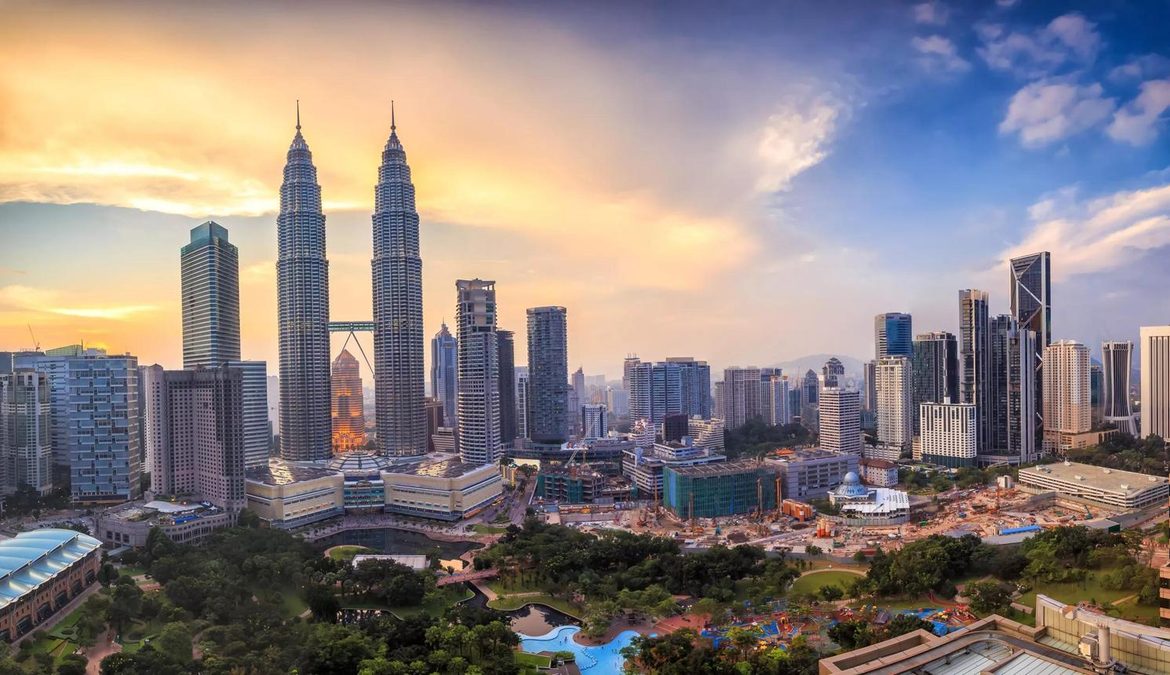
Malaysia’s capital is a fascinating destination where futuristic skyscrapers stand beside historic temples, colourful street markets fill busy neighbourhoods, and traditional food stalls serve some of Southeast Asia’s most memorable dishes. Known for its multicultural atmosphere, impressive architecture, and lively urban lifestyle, Kuala Lumpur offers an exciting introduction to modern Malaysia.
From the world-famous Petronas Twin Towers to the historic streets of Merdeka Square, the city combines contemporary attractions with Malay, Chinese, and Indian cultural influences. Visitors can explore spectacular viewpoints, discover traditional neighbourhoods, enjoy world-class shopping, and experience authentic Malaysian cuisine. Whether planning a short city break or using the capital as a starting point for a wider Malaysian journey, there is plenty to discover.
Why Kuala Lumpur Is Worth Visiting
One of the city’s greatest strengths is its cultural diversity. Malay traditions, Chinese heritage, Indian communities, and international influences have shaped its architecture, festivals, languages, and food. This diversity is visible throughout the city, from the colourful temples of Chinatown and Little India to traditional Malay restaurants and contemporary entertainment districts.
The destination also offers a relatively convenient combination of sightseeing, accommodation, dining, and public transport. Visitors can spend the morning exploring historic landmarks, enjoy lunch at a local food court, and finish the day admiring the illuminated skyline. Its mixture of affordable experiences and luxury attractions makes it suitable for backpackers, families, couples, and business travellers.
Petronas Twin Towers and Iconic Modern Architecture


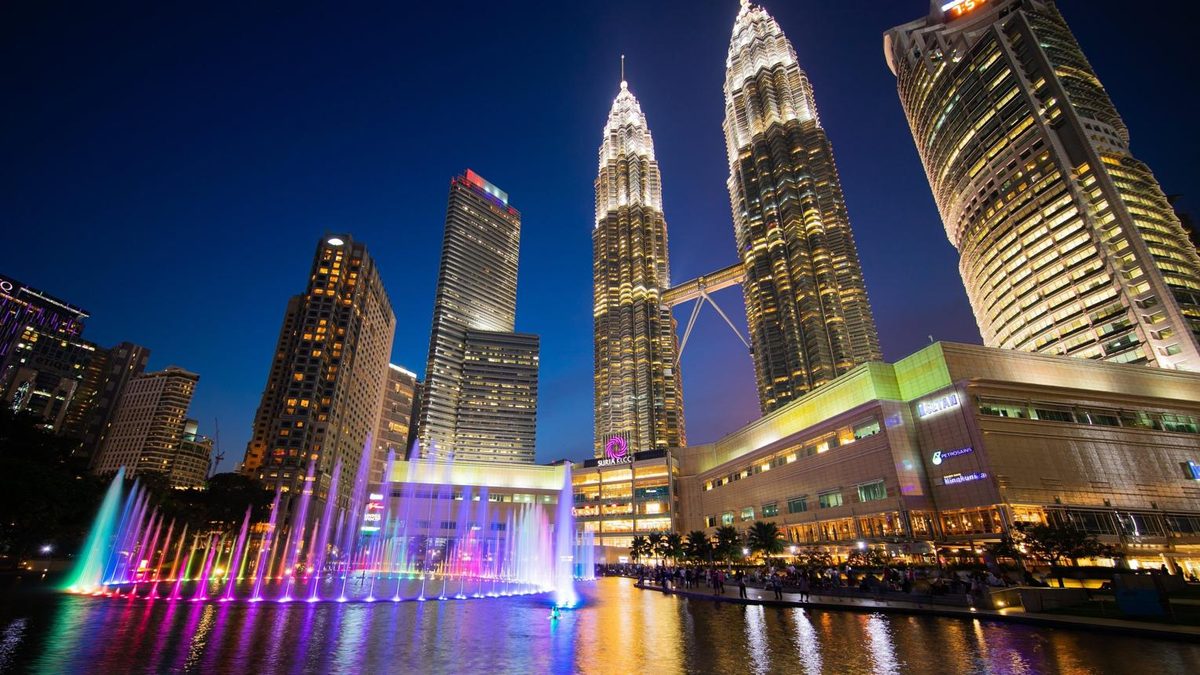
The Petronas Twin Towers are the city’s most recognisable landmarks and among the most famous skyscrapers in the world. Standing 452 metres tall, these impressive towers feature distinctive Islamic geometric design elements that reflect Malaysia’s cultural identity. Their stainless-steel and glass façades create a striking presence within the modern city skyline.
Visitors can purchase tickets to explore the Skybridge, which connects the towers, and the observation deck, which provides impressive views across the metropolitan area. Booking ahead is recommended because visitor numbers are controlled and popular time slots can sell out. The surrounding KLCC Park offers landscaped gardens, walking paths, and a large water feature that becomes especially attractive after sunset.
Another excellent viewpoint is Menara Kuala Lumpur, commonly known as KL Tower. Its observation areas provide a different perspective of the skyline, including views towards the Twin Towers. Visiting both attractions offers a useful comparison between the city’s architectural landmarks.
Historic Landmarks and Cultural Heritage

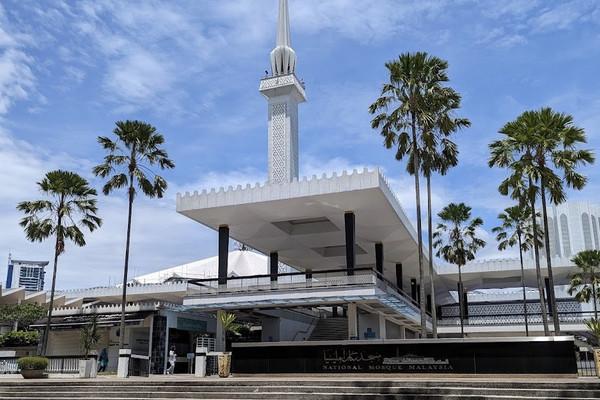
The city’s history is closely connected to the development of Malaysia as a modern nation. Merdeka Square (Dataran Merdeka) is one of its most significant historic locations. It is associated with Malaysia’s independence celebrations in 1957 and is surrounded by impressive colonial-era architecture.
The nearby Sultan Abdul Samad Building is particularly notable for its copper domes, decorative arches, and distinctive clock tower. Its architectural style reflects the city’s colonial past and provides a striking contrast with the surrounding modern skyscrapers. Walking through this historic district helps visitors understand how the capital developed from a small settlement into an important regional centre.
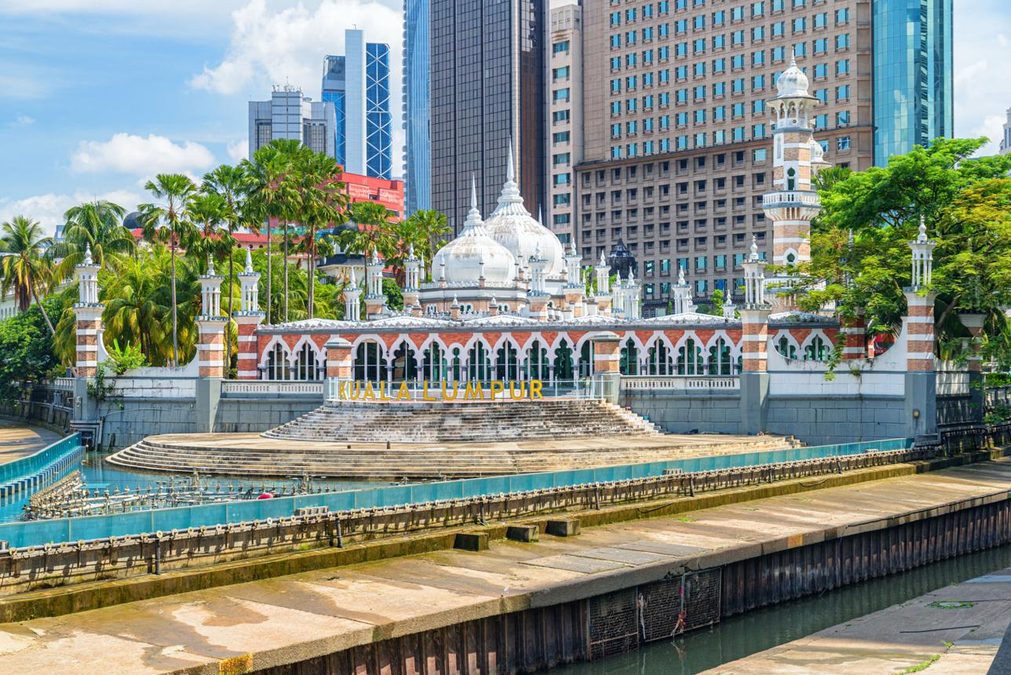
Religious landmarks also reveal the city’s multicultural character. Masjid Jamek, located near the meeting point of the Klang and Gombak rivers, is one of the area’s historic mosques. The National Mosque (Masjid Negara) is known for its contemporary architectural design, while Thean Hou Temple offers colourful decorations, traditional Chinese architectural features, and elevated city views. Visitors should observe dress requirements and local etiquette when entering religious sites.
Batu Caves and Natural Attractions


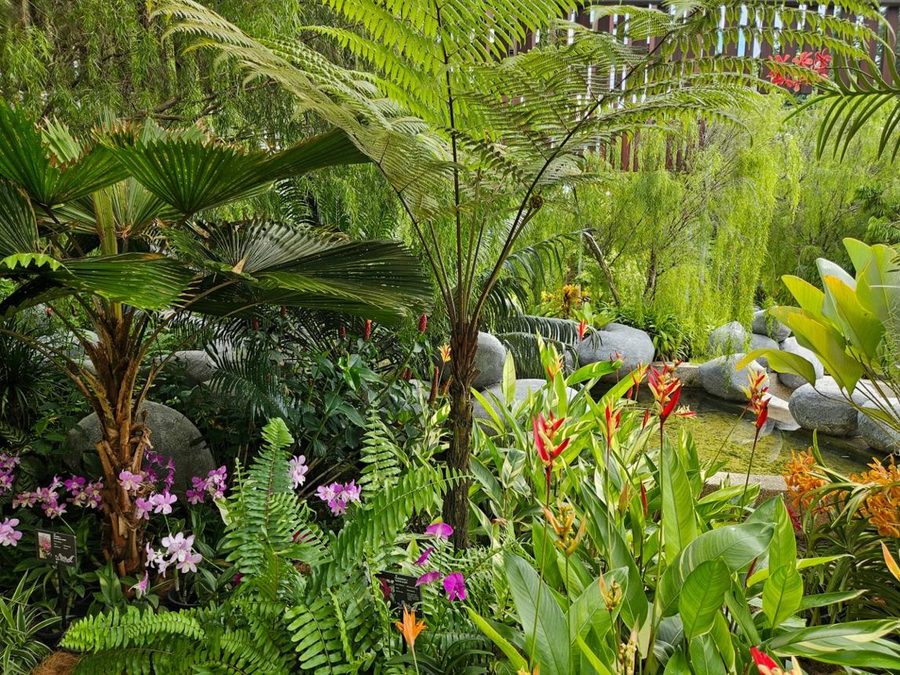
One of the most memorable excursions near the capital is Batu Caves, a limestone hill containing temples and cave formations. Its enormous golden statue of Lord Murugan and colourful staircase have made it an internationally recognised attraction. The main temple cave is reached by climbing a long flight of steps, offering an experience that combines religious significance, natural scenery, and photography.
Batu Caves is an important Hindu pilgrimage destination, particularly during the annual Thaipusam festival, when large numbers of devotees gather for religious ceremonies. Visitors should dress respectfully, avoid disrupting worshippers, and remain aware of monkeys around the entrance and stairways. Keeping food and loose belongings secure helps prevent unwanted encounters.
For a quieter outdoor experience, Perdana Botanical Gardens provides landscaped greenery, walking routes, and opportunities to escape the busy commercial districts. It is particularly pleasant for morning walks and photography. Combining a natural attraction with the city’s historic landmarks creates a more balanced sightseeing itinerary.
Street Food and Traditional Malaysian Cuisine
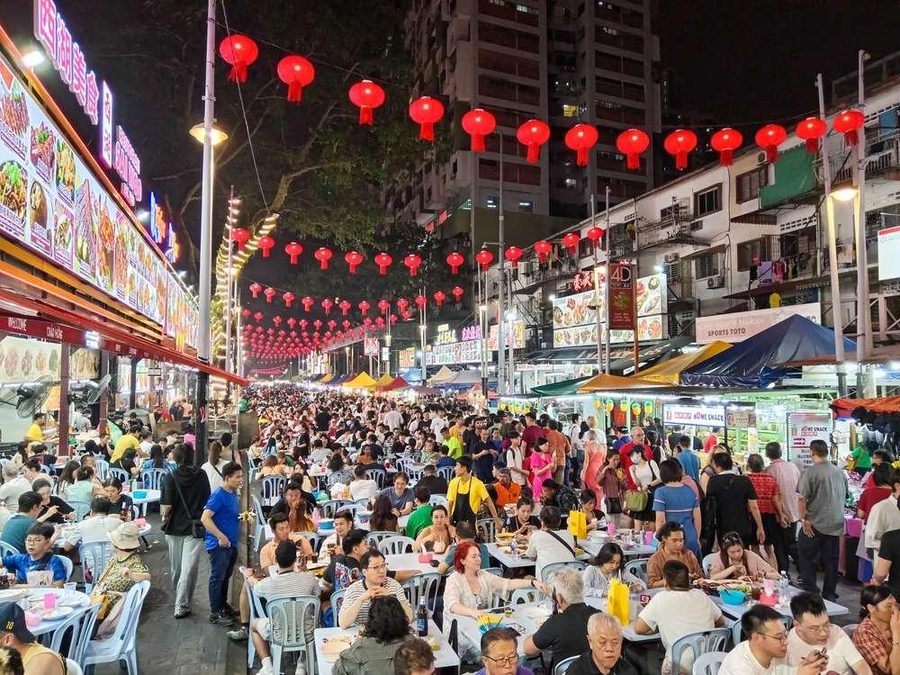
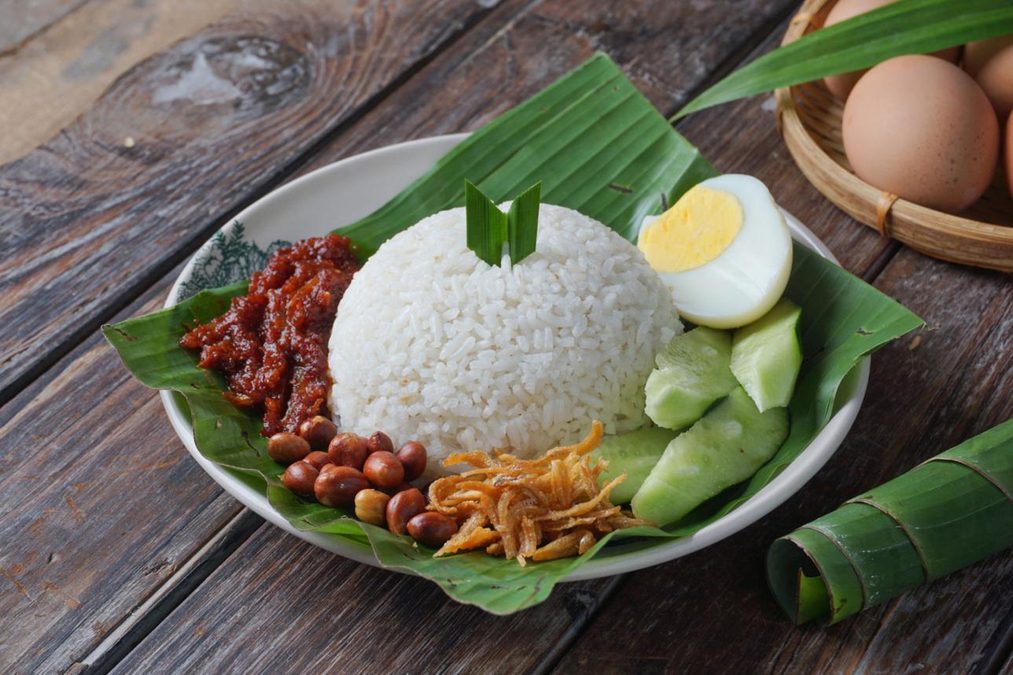

Food is one of the strongest reasons to explore the capital. Malaysian cuisine combines Malay, Chinese, Indian, and regional influences, creating a diverse selection of dishes with distinctive spices, sauces, and cooking techniques.
Nasi lemak, often regarded as Malaysia’s national dish, is a popular meal featuring coconut rice, sambal, anchovies, peanuts, cucumber, and usually egg. Other favourites include satay, grilled skewers served with peanut sauce; char kway teow, stir-fried flat rice noodles; and roti canai, a flaky flatbread commonly served with curry. Visitors should also try laksa, a spicy noodle soup with regional variations.
Jalan Alor is one of the best-known food streets, especially lively during the evening. Its restaurants and street-food stalls offer seafood, grilled dishes, noodles, and local snacks. For a broader culinary experience, explore neighbourhood food courts and traditional eateries rather than relying exclusively on international restaurants. As a useful way to understand the city, “The quickest route into Malaysian culture often begins at the dining table.”
Shopping, Markets, and Entertainment Districts

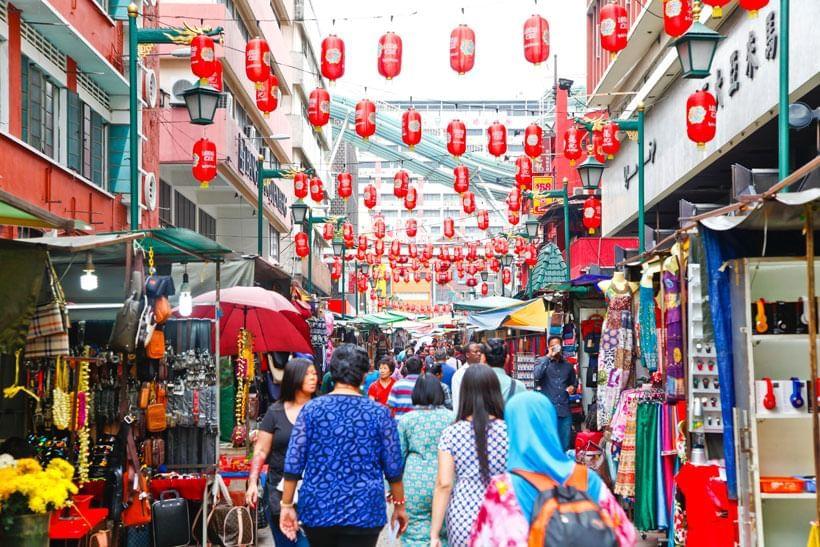

Shopping is a major part of the visitor experience. Bukit Bintang is one of the busiest commercial districts, known for shopping centres, restaurants, cafés, and entertainment venues. Pavilion Kuala Lumpur is a popular destination for international brands, fashion, dining, and premium retail experiences, while Suria KLCC provides convenient shopping beneath the Petronas Twin Towers.
For something more traditional, Petaling Street in Chinatown is known for market stalls, souvenirs, clothing, accessories, and street food. Visitors can also explore Central Market, a heritage shopping destination featuring Malaysian handicrafts, artwork, textiles, and cultural products. Comparing prices and checking product quality are sensible practices when shopping in busy markets.
The city also offers a lively evening atmosphere. Rooftop lounges, restaurants, live music venues, and night markets attract both locals and international visitors. Changkat Bukit Bintang is particularly popular for nightlife, although visitors should check venue prices and transport arrangements before heading out.
Best Time to Visit and Seasonal Travel Tips
Malaysia has a tropical climate, so warm temperatures and humidity are common throughout the year. Rainfall patterns vary across the country, and the capital can experience heavy afternoon showers even during otherwise favourable travel periods. Lightweight clothing, comfortable footwear, and a compact umbrella are useful essentials.
March to August is often a convenient period for exploring the capital, although weather conditions can change. September to February may bring wetter conditions at different times, influenced by regional monsoon patterns. Rain rarely makes sightseeing impossible, as museums, shopping centres, indoor attractions, and restaurants provide plenty of alternatives.
| Travel period | Typical conditions | Recommended activities |
|---|---|---|
| March–May | Warm with variable rainfall | City sightseeing and shopping |
| June–August | Generally suitable for outdoor plans | Landmarks, parks, day trips |
| September–November | Rainfall can increase | Museums, food tours, indoor attractions |
| December–February | Warm with seasonal showers | Cultural attractions and shopping |
Getting Around and Choosing Where to Stay
The city’s transport network includes the MRT, LRT, monorail, commuter trains, buses, and app-based ride services. These options make it possible to visit many major attractions without renting a car. However, traffic congestion can be significant during rush hours, so public transport is often more predictable for journeys through central districts.
Accommodation choices range from budget hostels and serviced apartments to luxury hotels overlooking the skyline. Bukit Bintang is convenient for shopping, restaurants, and nightlife, while the KLCC area suits visitors who want to stay near major landmarks. Chinatown and the surrounding historic districts offer a more traditional atmosphere, often with a variety of accommodation prices.
For airport transfers, travellers can use rail connections, taxis, or pre-booked transport. The KLIA Ekspres provides a direct rail connection between Kuala Lumpur International Airport and KL Sentral. Checking current fares and schedules before arrival makes the journey easier, particularly after a long international flight.
Practical Travel Advice and Local Experiences
A first visit usually requires around three to four days to explore the main attractions without rushing. This provides time for the Twin Towers, historic landmarks, Batu Caves, shopping districts, food experiences, and a few quieter attractions. Travellers with longer stays can add museums, cultural neighbourhoods, and excursions beyond the city.
Respect for local customs makes travelling more comfortable. Malaysia is culturally and religiously diverse, so modest clothing is appropriate when visiting mosques and temples. Carry some local currency for smaller purchases, protect yourself from the tropical sun, and keep valuables secure in crowded markets and transport stations. Checking current visa and entry requirements before departure is also essential.
Frequently Asked Questions About Kuala Lumpur
What is Kuala Lumpur famous for?
The city is famous for the Petronas Twin Towers, Menara KL, Batu Caves, historic architecture, multicultural neighbourhoods, street food, and major shopping centres. Its modern skyline and cultural diversity make it one of Southeast Asia’s most distinctive urban destinations.
How many days are enough to explore Kuala Lumpur?
Three to four days is a practical timeframe for first-time visitors. It allows time for the main landmarks, Batu Caves, museums, shopping districts, and local food experiences. A longer visit provides opportunities for additional cultural activities and nearby excursions.
What is the best time to visit Kuala Lumpur?
The city can be visited throughout the year because of its tropical climate. March to August is often convenient for sightseeing, although rainfall can occur in every season. Travellers should check local forecasts and keep indoor alternatives in their itinerary.
Is Kuala Lumpur expensive for tourists?
It can suit a wide range of budgets. Luxury hotels and premium shopping are available, but affordable street food, public transport, local markets, and budget accommodation help keep costs manageable. Spending depends largely on accommodation choices, dining preferences, and paid attractions.
Is public transport good in Kuala Lumpur?
Yes. MRT, LRT, monorail, and commuter rail services connect many important areas. Public transport is generally a practical way to avoid road congestion, although some attractions may require a short walk or additional ride-hailing journey.
What food should visitors try in Kuala Lumpur?
Popular choices include nasi lemak, satay, roti canai, char kway teow, laksa, and Malaysian-style grilled seafood. Jalan Alor and local food courts are useful places to discover a variety of traditional dishes.
Is Kuala Lumpur suitable for families?
Yes. Families can enjoy the Petronas Twin Towers, KLCC Park, Aquaria KLCC, Batu Caves, Perdana Botanical Gardens, and shopping or entertainment centres. Planning around transport times and taking breaks from the heat can make family sightseeing more comfortable.
Conclusion: Experience the Best of Kuala Lumpur
From the impressive Petronas Twin Towers and historic Merdeka Square to the colourful markets of Chinatown and the cultural significance of Batu Caves, Malaysia’s capital offers an exciting combination of history, architecture, food, and modern entertainment. Its diverse neighbourhoods reveal different aspects of Malaysian life, while its shopping districts and contemporary skyline demonstrate the city’s continuing development.
The most rewarding visit combines famous attractions with everyday experiences. Enjoy traditional dishes, explore historic streets, use public transport to discover different neighbourhoods, and take time to appreciate the city’s cultural diversity. Kuala Lumpur is more than a stopover between Malaysian destinations; it is a vibrant city with its own identity, fascinating history, and plenty of experiences worth discovering.