



Nazaré is one of Portugal’s most remarkable coastal destinations, famous for its enormous Atlantic waves, beautiful sandy beaches, traditional fishing heritage, and dramatic ocean viewpoints. Located on the Silver Coast, around 120 kilometres north of Lisbon, this seaside town combines the atmosphere of an authentic Portuguese fishing community with the excitement of an internationally recognised surf destination.
Although its giant waves attract professional surfers and photographers from around the world, there is much more to discover. Visitors can explore historic streets, relax beside the Atlantic, enjoy freshly prepared seafood, and admire panoramic views from clifftop viewpoints. The town also offers a fascinating connection between Portuguese maritime traditions and modern coastal tourism.
Whether you are planning a day trip from Lisbon or a longer holiday along Portugal’s coast, Nazaré provides a distinctive mix of natural beauty, adventure, culture, and relaxation.
Where Is Nazaré and Why Is It Famous?
Nazaré is a coastal town in the Oeste region of central Portugal, within the municipality of the same name in Leiria District. It faces the Atlantic Ocean and is particularly known for Praia da Nazaré, its broad sandy beach, and the dramatic cliffs surrounding the northern coastline.
Its international reputation comes largely from the underwater Nazaré Canyon, a deep submarine canyon that extends towards the shore. This unusual geological feature influences wave formation, helping produce exceptionally large ocean swells under the right conditions. When powerful Atlantic storms generate suitable swell and wind patterns, waves can reach extraordinary heights near Praia do Norte.
The destination became especially famous after Hawaiian big-wave surfer Garrett McNamara rode a giant wave here in 2011, bringing worldwide attention to the coastline. Since then, the area has become a major location for big-wave surfing, with professional athletes travelling from different countries to experience its challenging conditions.
However, the giant waves are not a daily spectacle. They depend on seasonal weather and ocean conditions, meaning visitors should treat wave watching as a possibility rather than a guaranteed attraction.
Praia do Norte: Home of the Giant Waves

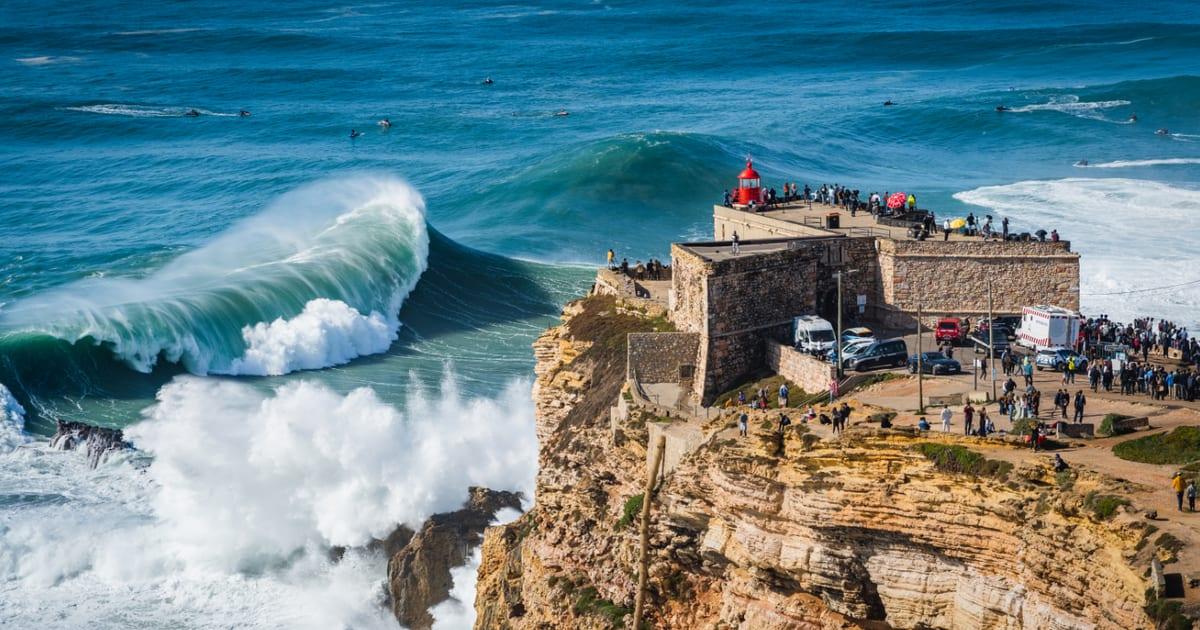
Praia do Norte is the most famous location for witnessing the enormous Atlantic swells. Unlike the more sheltered main beach, this northern stretch of coastline is exposed to powerful ocean conditions and is closely associated with extreme surfing.
The nearby Fort of São Miguel Arcanjo is one of the best-known viewing locations. Positioned beside the lighthouse, the fort provides a vantage point over the ocean and is a popular stop for visitors interested in big-wave surfing. It also houses exhibitions connected with the area’s surfing history, depending on opening arrangements.
The best-known wave season generally runs from autumn through winter, when Atlantic storms can create favourable swell conditions. Even then, wave size varies significantly. Checking surf forecasts and local information before travelling is essential.
A particularly important safety point is that these waves are not suitable for ordinary swimming or casual water activities. Strong currents, powerful shore breaks, and unpredictable conditions can make the northern beach dangerous. Visitors should remain in designated safe viewing areas and follow warning signs.
Praia da Nazaré: The Main Beach and Seaside Atmosphere
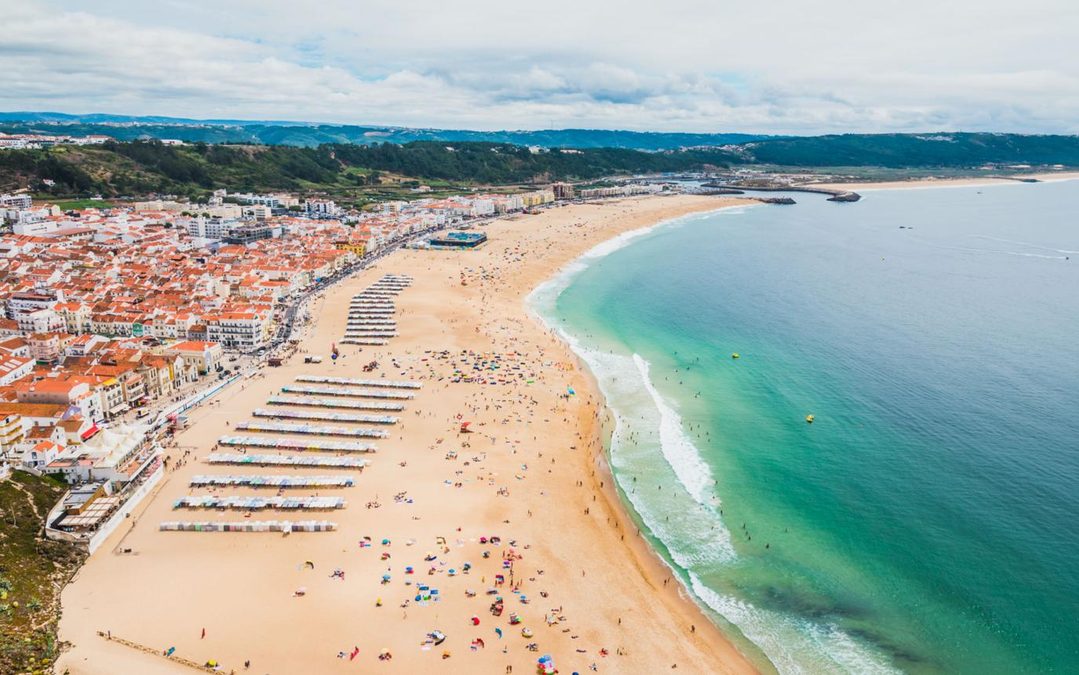
Praia da Nazaré offers a very different experience from the wild northern coastline. This expansive sandy beach sits beside the traditional town centre and is the heart of the destination’s summer seaside atmosphere.
During warmer months, the beach fills with colourful umbrellas, families, sunbathers, and visitors enjoying the Atlantic setting. The promenade is lined with cafés, restaurants, and small shops, making it easy to combine time on the sand with a relaxed meal or an afternoon walk.
The main beach is generally more suitable for traditional seaside activities than Praia do Norte, although Atlantic conditions can still change. Always observe local flags and lifeguard instructions before entering the water.
For visitors who prefer quieter surroundings, walking away from the busiest central section can provide more space. Early mornings are particularly pleasant for photography, when fishing boats, soft coastal light, and the quieter promenade create a more peaceful atmosphere.
Sítio: Historic Views Above the Atlantic

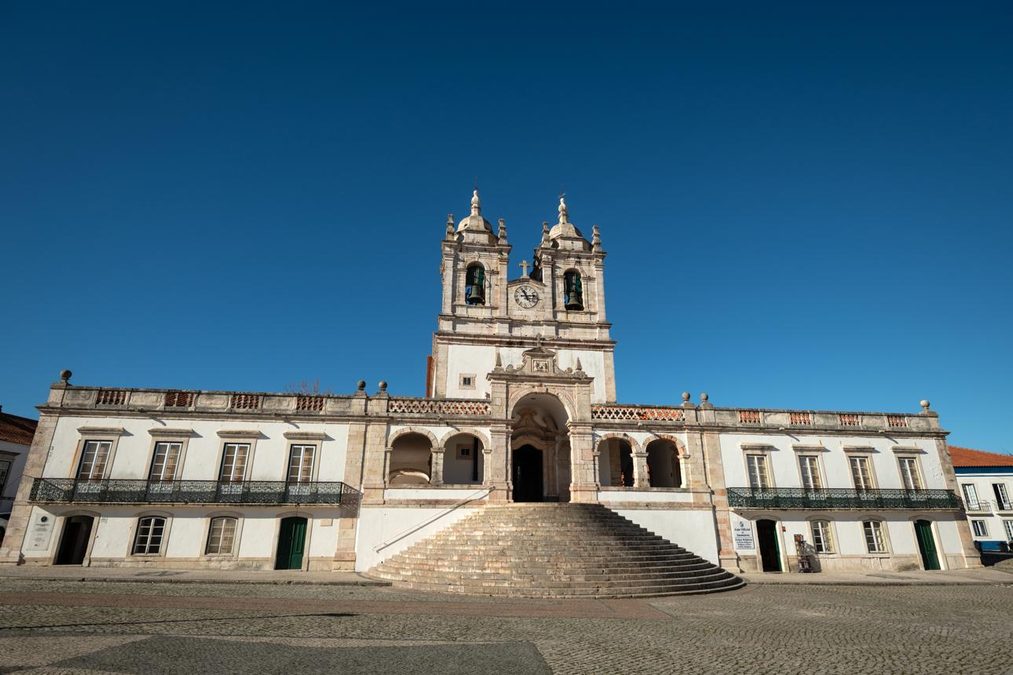
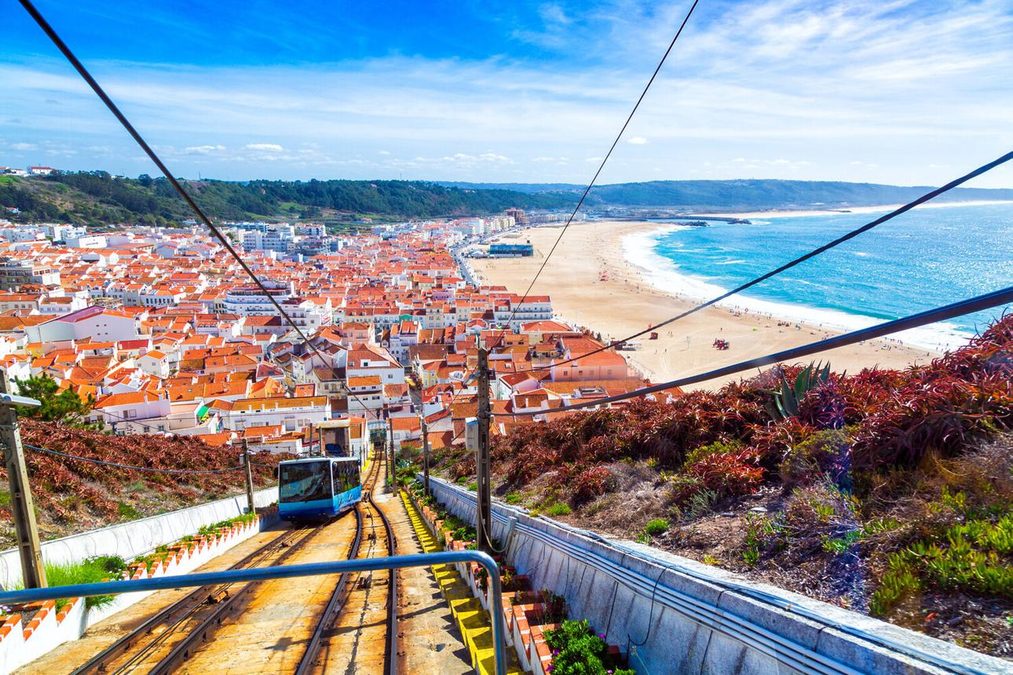
Sítio is the historic neighbourhood perched on the clifftop above the main town. It is one of the most rewarding places to visit because it combines religious heritage, traditional streets, and sweeping views across the coastline.
The neighbourhood is home to the Sanctuary of Our Lady of Nazaré, an important pilgrimage site connected with the town’s religious traditions. Nearby, the Miradouro do Suberco viewpoint offers a spectacular perspective over the beach, rooftops, and Atlantic Ocean.
One of the easiest ways to reach Sítio is the Nazaré funicular, a historic hillside railway connecting the lower town with the clifftop district. The short journey is an attraction in itself, especially for visitors who want to avoid the steep uphill walk.
Allow time to explore the narrow streets, small shops, and viewpoints rather than simply arriving for photographs. The contrast between the busy beach below and the quieter historic neighbourhood above helps explain the town’s distinctive character.
The Best Things to Do in Nazaré Beyond Surfing
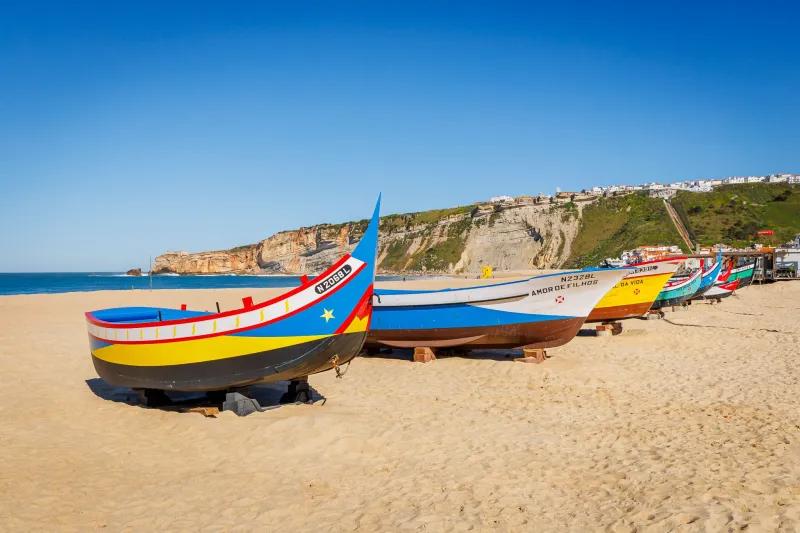
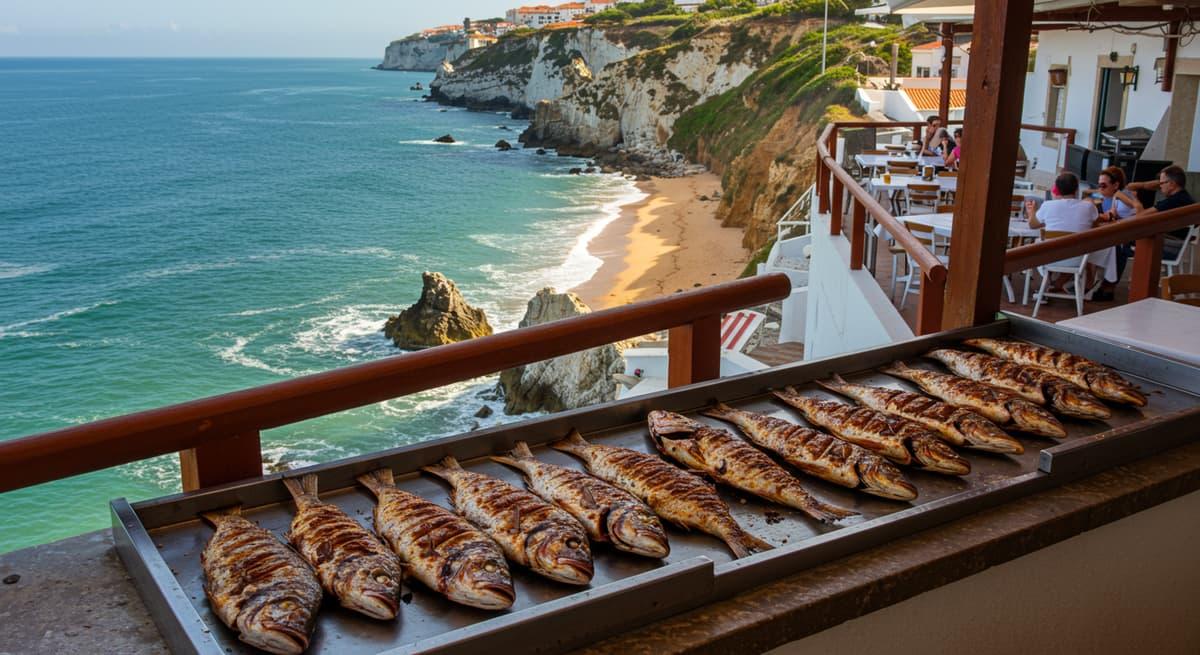
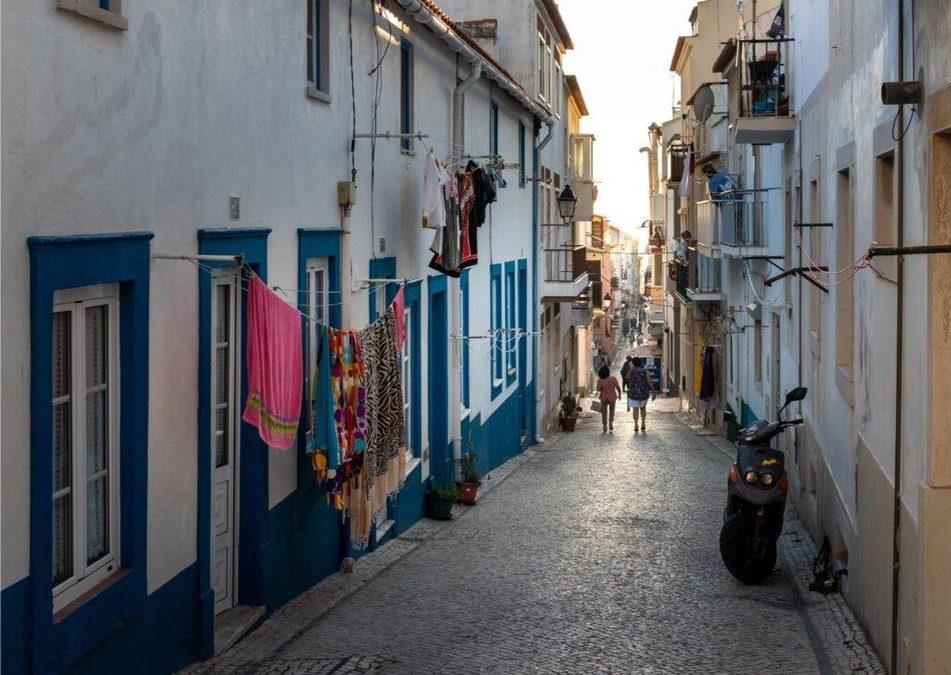
Although surfing dominates its international image, Nazaré offers plenty of experiences for visitors who prefer culture, food, and sightseeing. Walking through the old town reveals traditional Portuguese architecture, small family-run businesses, tiled buildings, and streets that retain their connection with the fishing industry.
The town’s maritime heritage is particularly visible in its traditions and local identity. Fishing has shaped everyday life here for generations, and visitors may still encounter reminders of the community’s relationship with the Atlantic. Traditional fishing boats, historic photographs, and local cultural displays help tell this story.
Food is another essential part of the experience. Seafood restaurants serve grilled sardines, octopus, clams, and fresh fish, often prepared simply to highlight their natural flavours. Caldeirada, a traditional Portuguese fish stew, is another dish worth trying. For an authentic meal, look for restaurants displaying the day’s catch rather than choosing solely on the basis of their seafront location.
Best Time to Visit for Giant Waves and Beach Weather
The ideal time to visit depends on what you want to experience. Autumn and winter, particularly from October to March, offer the greatest opportunity to see large Atlantic waves. This is when powerful storms can generate the swells that make the coastline famous among big-wave surfers.
Spring and summer are generally better for traditional beach holidays. Warmer weather, longer daylight hours, and a lively waterfront make these seasons attractive for swimming in suitable conditions, coastal walks, sightseeing, and outdoor dining. However, the Atlantic can remain cool, even during summer, so visitors should not expect consistently warm Mediterranean-style sea temperatures.
| Season | Typical conditions | Best experiences | Visitor considerations |
|---|---|---|---|
| Spring | Mild and changeable | Sightseeing, walking, photography | Occasional rain and wind |
| Summer | Warmer, busier weather | Beach days, dining, town exploration | Crowds and higher accommodation prices |
| Autumn | Cooling temperatures, stronger swells | Wave watching, surfing events | Unpredictable ocean conditions |
| Winter | Cooler and stormier | Giant-wave viewing, coastal photography | Strong winds and rough seas |
For the best chance of witnessing giant waves, monitor specialist surf forecasts shortly before your visit. Even during the peak season, conditions can vary from one day to another. A flexible itinerary is therefore more practical than planning an entire trip around a specific wave prediction.
Nearby Attractions and Coastal Excursions
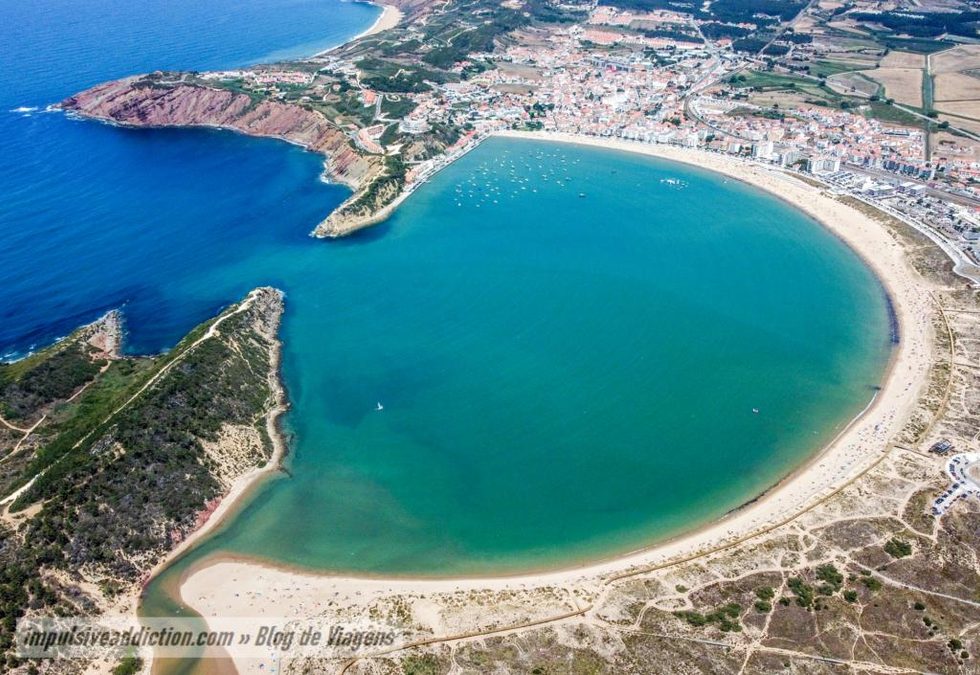

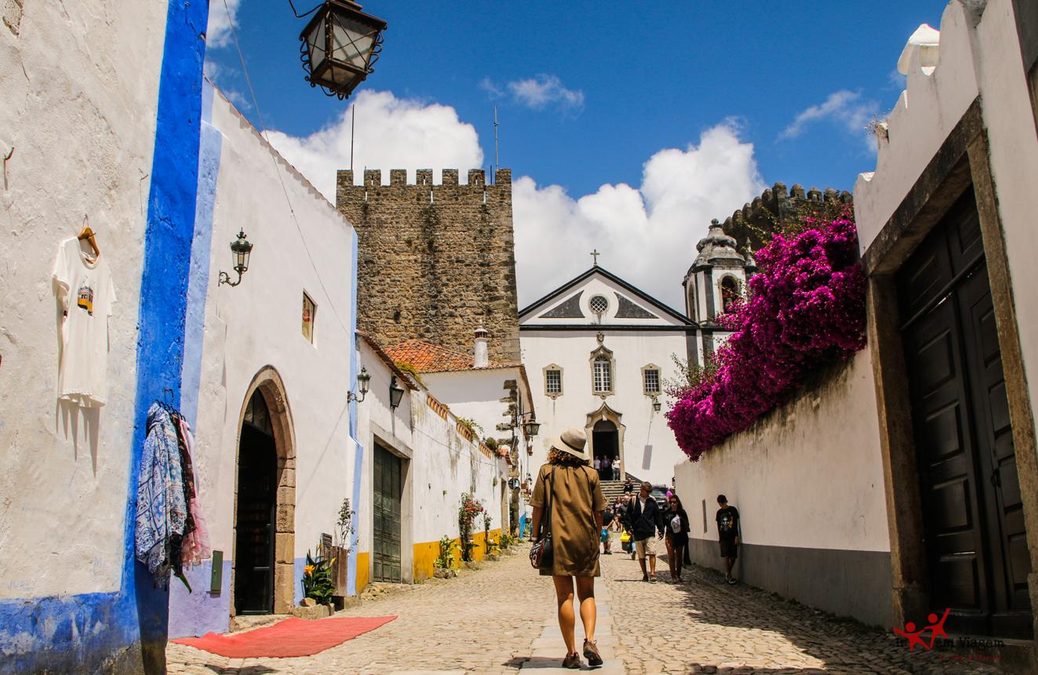
The surrounding region offers several worthwhile destinations for travellers who want to explore beyond the beach. One popular excursion is São Martinho do Porto, known for its sheltered, shell-shaped bay. Its calmer setting provides a contrast to the exposed Atlantic shoreline and is appealing for families.
History enthusiasts can visit the Monastery of Alcobaça, a UNESCO World Heritage Site recognised for its impressive Gothic architecture and historical significance. The monastery is closely connected with Portugal’s medieval history and is an excellent addition to a cultural itinerary.
Another attractive option is Óbidos, a beautifully preserved walled town with cobbled streets, traditional houses, and a hilltop castle. Its compact historic centre is ideal for a leisurely visit, local shopping, and photography. These nearby excursions make the Silver Coast a rewarding destination for a multi-day holiday.
Where to Stay, Eat, and Get Around
Accommodation ranges from guesthouses and traditional hotels to modern apartments overlooking the ocean. Staying near Praia da Nazaré is convenient for restaurants, the promenade, and the main beach. Visitors who prefer a quieter setting may find accommodation farther from the central waterfront more appealing.
Food is a major highlight, particularly for seafood lovers. Many local restaurants specialise in grilled fish, seafood rice, and traditional Portuguese dishes. Prices vary according to location, menu, and season, so checking menus before sitting down is a sensible way to manage your budget.
The town is walkable, although reaching Sítio involves a steep climb unless you use the funicular. Buses and taxis can help with local journeys, while a rental car offers greater flexibility for visiting nearby coastal towns and historic attractions. Travellers arriving from Lisbon can generally reach the area by road or by public transport connections, but should check current timetables before departure.
Practical Travel Tips and Ocean Safety
Planning ahead makes a coastal visit more enjoyable. Bring comfortable walking shoes for the town’s hills and cobbled streets, sunscreen for sunny days, and a light jacket because ocean winds can make the waterfront feel cooler than expected. During peak summer periods, booking accommodation early can also help secure better availability.
Ocean safety is especially important here. The impressive waves that make the destination famous can create dangerous currents and unpredictable water conditions. Never assume that a beach is safe for swimming simply because other people are nearby. Follow lifeguard instructions, respect beach warning flags, and avoid entering restricted areas.
Visitors watching big waves should stay behind barriers and use official viewing areas. Taking photographs from a safe distance is far better than approaching the water’s edge for a dramatic picture. As local surf conditions demonstrate, the Atlantic deserves respect even when the sea appears calm.
Frequently Asked Questions
Is Nazaré worth visiting?
Yes. The town offers much more than giant waves, including beautiful sandy beaches, traditional Portuguese culture, historic viewpoints, seafood restaurants, and nearby attractions. It is suitable for surfers, families, photographers, and travellers interested in exploring Portugal’s Silver Coast.
When is the best time to see the giant waves?
Autumn and winter, generally from October to March, offer the strongest opportunity to witness large waves. However, wave height depends on Atlantic weather systems, swell direction, and wind conditions. Checking surf forecasts before travelling is essential.
Can visitors swim at the main beach?
Swimming is possible at Praia da Nazaré when conditions are suitable and local safety guidance permits it. Visitors should follow lifeguard instructions and beach flags. Praia do Norte is associated with dangerous big-wave conditions and is not suitable for casual swimming.
How do you reach Sítio from the beach?
The Nazaré funicular provides a convenient connection between the lower town and Sítio on the clifftop. Visitors can also walk uphill, although the route is steep. The upper neighbourhood offers historic attractions and panoramic coastal views.
How many days should you spend in Nazaré?
One day is enough to see the main beach, visit Sítio, and enjoy a meal by the waterfront. Two or three days allow more time for coastal activities, local culture, nearby attractions, and flexibility if you are hoping to see large waves.
Is Nazaré suitable for families?
Yes. The main beach, promenade, funicular, cafés, and nearby attractions make it a convenient family destination. Parents should pay close attention to sea conditions and supervise children around the water, particularly when the Atlantic is rough.
Can you visit Nazaré on a day trip from Lisbon?
Yes. Its location north of Lisbon makes it a practical day-trip destination by car or public transport. However, an overnight stay provides more time to explore the surrounding Silver Coast and increases flexibility if weather conditions affect your plans.
Conclusion
From its enormous Atlantic swells and golden sandy shoreline to its historic clifftop neighbourhood and traditional seafood restaurants, Nazaré offers an unusually varied Portuguese coastal experience. Its appeal goes beyond big-wave surfing, combining natural drama with maritime heritage, local culture, and relaxed seaside living.
The best visit depends on your priorities. Autumn and winter are ideal for potential giant-wave encounters, while spring and summer offer more comfortable conditions for beach activities and exploring the surrounding region. Whichever season you choose, checking local forecasts and respecting ocean safety guidance should remain part of your plans.
Ultimately, this remarkable destination captures two sides of Portugal’s Atlantic coast: the peaceful charm of a traditional fishing town and the raw power of the open ocean. That contrast is what makes a visit so memorable.