

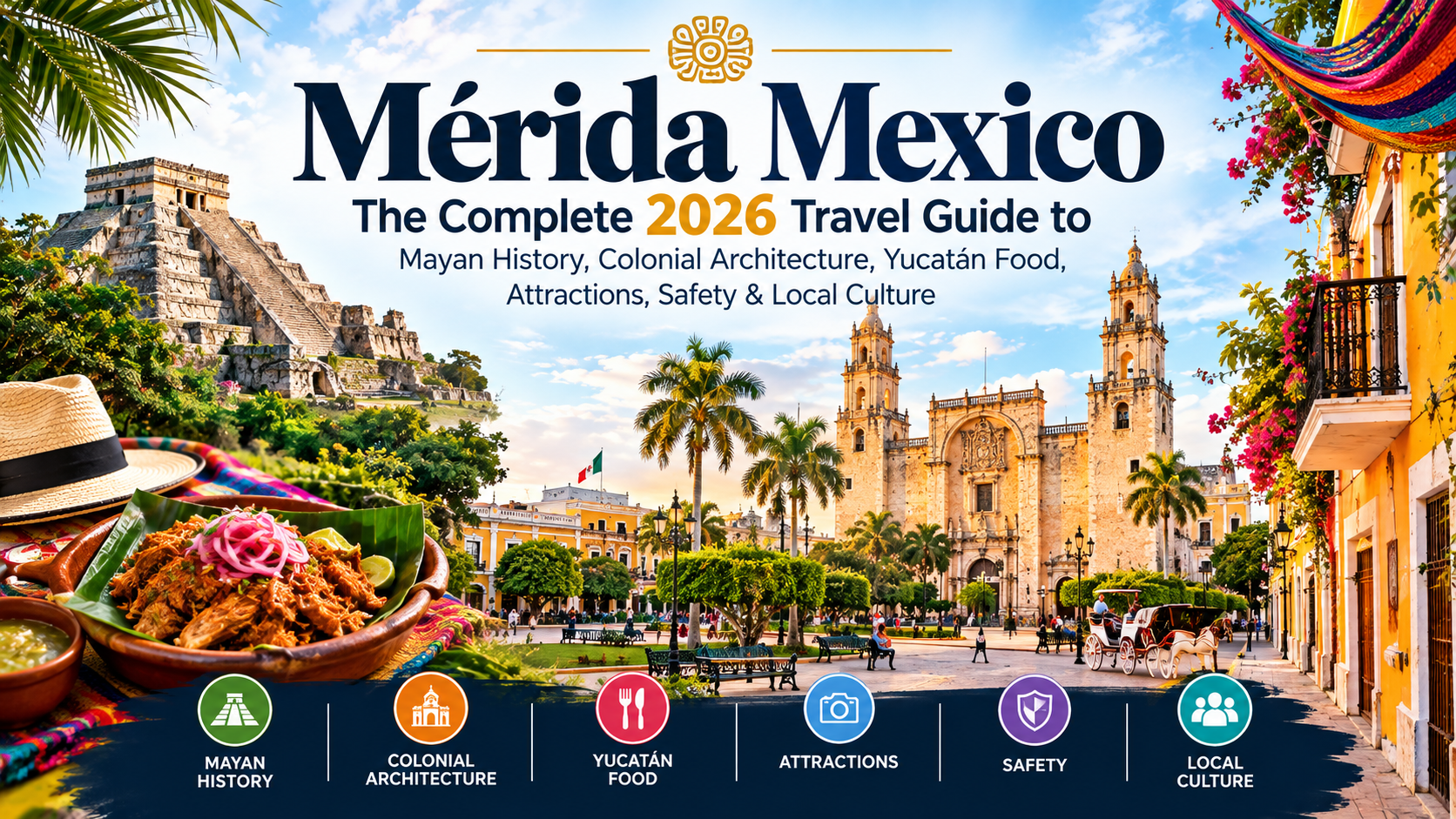
Mérida is one of Mexico’s most distinctive cultural destinations, combining ancient Maya heritage, elegant colonial architecture, colorful markets, regional cuisine, and a relaxed atmosphere that feels different from the busy resort towns of the Caribbean coast. Located in the Yucatán Peninsula, this historic city offers travelers a deeper look at southeastern Mexico, where Indigenous traditions and Spanish influences remain visible in everyday life.
For visitors planning a cultural getaway, Mérida provides an appealing mix of historic landmarks, museums, traditional neighborhoods, lively public squares, and convenient access to archaeological sites. You can spend the morning exploring centuries-old streets, enjoy cochinita pibil for lunch, and finish the afternoon discovering local crafts or watching a cultural performance.
What makes Mérida particularly interesting is that its identity extends beyond tourism. It is a living regional capital where residents shop at neighborhood markets, celebrate Yucatecan traditions, and gather in public plazas. Understanding this everyday culture helps travelers appreciate the city more fully, whether they are visiting for a weekend, staying for a week, or using it as a base for exploring the wider peninsula.
Where Is Mérida, Mexico, and What Makes It Special?
Mérida is the capital of the Mexican state of Yucatán, situated in the northwestern part of the Yucatán Peninsula. It lies inland from the Gulf of Mexico, approximately 35–40 kilometers from the coastal town of Progreso by road. Unlike Cancún and Playa del Carmen, which are widely associated with beach holidays, Mérida is best known for its historic center, regional cuisine, Maya cultural heritage, and urban lifestyle.
The city developed around an area that was already part of the Maya world before Spanish colonization. Spanish forces established the colonial settlement in 1542, using stones from existing Maya structures in the construction of new buildings. This layered history is visible in the city’s architecture, religious sites, museums, and cultural traditions. The historic center remains one of the most recognizable parts of the city, with the Plaza Grande serving as a natural starting point for exploration.
Mérida is also an important economic, educational, and cultural hub for southeastern Mexico. Its museums, universities, restaurants, hospitals, and public institutions attract visitors from across the country and abroad. The surrounding region offers access to Maya archaeological sites, traditional communities, cenotes, nature reserves, and Gulf Coast destinations.
The city’s special character comes from the way these different influences coexist. Colonial buildings stand alongside contemporary cafés, traditional Yucatecan dishes appear on modern restaurant menus, and Maya cultural heritage continues to shape regional identity. For travelers interested in history and authentic local experiences, this combination gives the destination considerable depth.
Best Time to Visit Mérida
The best time to visit Mérida generally falls between November and February, when temperatures are often more comfortable for walking and exploring outdoor attractions. These months are particularly suitable for visiting archaeological sites, strolling along Paseo de Montejo, and taking day trips to nearby towns. December and January can be popular travel periods, so accommodation prices and demand may increase around holidays.
March and April are usually hotter, while May can bring particularly intense heat before the wetter season becomes established. From approximately June through October, rainfall and humidity tend to increase, and tropical weather systems can affect travel plans. Rain does not necessarily prevent sightseeing, but outdoor excursions may require greater flexibility. The exact conditions vary from year to year.
| Travel Period | Typical Conditions | What to Consider |
|---|---|---|
| November–February | Generally drier and more comfortable | Suitable for walking tours and cultural sightseeing |
| March–April | Hot, with strong sunshine | Plan outdoor activities early |
| May | Often extremely hot | Schedule breaks and indoor visits |
| June–October | Hot, humid, with more frequent rain | Allow flexibility for excursions |
| Holiday periods | Demand may increase | Reserve accommodation and popular tours early |
Weather is only one factor when choosing travel dates. Cultural events, hotel rates, personal heat tolerance, and planned excursions also matter. If visiting during the hotter months, carrying water, wearing breathable clothing, and avoiding strenuous midday activities can make the experience much more comfortable.
The History and Maya Heritage of Mérida
The history of Mérida begins long before the modern city. The Yucatán Peninsula was home to Maya communities that developed sophisticated systems of architecture, mathematics, astronomy, agriculture, trade, and writing. The nearby ancient settlement of T’Hó occupied the area where the modern city stands. When Spanish colonists established Mérida in 1542, they built their settlement over this earlier landscape, leaving a complicated historical legacy that remains important to understanding the region.
During the colonial period, the city became a center of Spanish administration, Catholic religious institutions, and regional commerce. In the nineteenth century, the growth of the henequen industry, which processed fibers from agave plants for rope and other products, brought considerable wealth to parts of the local economy. Some of the grand residences associated with this period can still be seen along Paseo de Montejo, although the industry’s economic and social history also reflects unequal labor conditions and deep regional inequalities.
Maya culture remains an active part of life in and around the city. The Yucatec Maya language continues to be spoken, regional food traditions preserve Indigenous ingredients and techniques, and community celebrations reflect a combination of Maya and Catholic influences. The city’s history should therefore not be understood as something confined to archaeological ruins or museum displays.
For a broader understanding of this heritage, the Gran Museo del Mundo Maya presents exhibits on Maya history, art, beliefs, and contemporary culture. Visitors can complement a museum visit with excursions to archaeological sites such as Uxmal and Chichén Itzá, while remembering that these places represent a diverse civilization rather than a single, uniform historical period.
Top Attractions and Things to Do
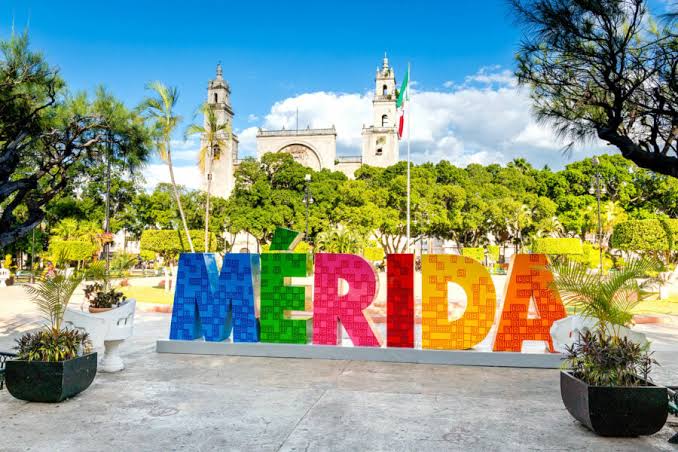
The historic center is the most natural starting point for sightseeing. Plaza Grande is surrounded by significant landmarks, including the Catedral de San Ildefonso, the Palacio de Gobierno, and the Casa de Montejo. These buildings reveal different aspects of the city’s religious, political, and colonial history. Walking between them is straightforward, and the surrounding streets contain shops, cafés, galleries, and places to sample regional food.
Paseo de Montejo offers another perspective on the city. Inspired in part by grand European boulevards, this broad avenue features historic mansions, leafy sidewalks, monuments, and restaurants. The Palacio Cantón, which houses the Regional Museum of Anthropology of Yucatán, is an important stop for travelers interested in the peninsula’s archaeological and cultural heritage. Guided walking tours can help explain the relationship between the avenue’s impressive architecture and the region’s henequen-era wealth.
Beyond the city center, several destinations make excellent day trips. Uxmal is known for its distinctive Puuc-style Maya architecture, elaborate stone decoration, and the Pyramid of the Magician. Chichén Itzá is one of Mexico’s most famous archaeological sites and is recognized as a UNESCO World Heritage Site. Both provide valuable insight into Maya urban planning, religious life, and architectural achievement, although travel times and visitor numbers differ.
Cenotes are another major attraction across the Yucatán Peninsula. These natural sinkholes expose groundwater within the region’s limestone landscape, creating swimming spots that range from open pools to cavern-like environments. Some cenotes are suitable for a relaxed swim, while others require stairs, life jackets, or guided access. Always follow local rules, avoid applying conventional sunscreen immediately before entering sensitive waters when prohibited, and never jump into unfamiliar water without checking depth and safety conditions.
Yucatecan Food and Traditional Cuisine
Food is one of the most rewarding parts of visiting Mérida, because Yucatecan cuisine combines Maya culinary traditions with influences from Spanish, Caribbean, and other regional cooking styles. Local ingredients such as corn, achiote, citrus, habanero peppers, and sour orange create distinctive flavors that differ from the food commonly associated with central Mexico.
Cochinita pibil is among the region’s best-known dishes. Traditionally, pork is marinated with achiote and sour orange, wrapped in banana leaves, and slow-cooked until tender. It is commonly served with tortillas and pickled red onions. Another regional favorite is sopa de lima, a fragrant chicken or turkey soup flavored with lime and served with crisp tortilla strips. Panuchos and salbutes are popular tortilla-based snacks topped with ingredients such as beans, shredded turkey or chicken, lettuce, tomato, and avocado.
For dessert, try marquesitas, crisp rolled wafers often filled with Edam cheese and sweet ingredients such as chocolate spread. Local markets and neighborhood eateries can provide a more everyday perspective on regional food than upscale restaurants alone. Mercado Lucas de Gálvez is a well-known place to explore local produce, prepared dishes, and market culture.
The most useful approach is to balance traditional restaurants with casual food stalls and contemporary dining spots. Travelers with dietary restrictions should explain them clearly, particularly when ordering sauces, meat dishes, or foods prepared on shared cooking surfaces. Habanero salsa can be extremely hot, so asking for it on the side is a sensible way to enjoy the region’s flavors without overwhelming the meal.
Local Culture, Festivals, and Everyday Life
Mérida’s cultural identity is shaped by Maya heritage, colonial history, regional music, traditional clothing, and community celebrations. Spanish is the dominant language in everyday urban life, while Yucatec Maya remains an important language in many families and communities across the peninsula. Visitors may encounter Maya cultural influences in local place names, food, crafts, religious traditions, and community events.
Traditional Yucatecan music and dance add another dimension to the city’s cultural life. Jarana, a regional dance associated with festive gatherings, is often performed in colorful traditional clothing. The city also hosts cultural events, concerts, exhibitions, and public celebrations throughout the year.
Some celebrations are especially meaningful because they connect present-day communities with long-standing traditions. Hanal Pixán, observed in Yucatán in connection with the remembrance of deceased relatives, shares broader cultural connections with Mexico’s Day of the Dead while retaining distinct regional practices. During festival periods, families may prepare traditional foods, decorate home altars, and participate in community activities.
Respectful cultural tourism means treating these traditions as living practices rather than performances created solely for visitors. Ask permission before photographing people, support local artisans when buying handmade products, and follow guidance at religious or community events. Even a brief conversation with a knowledgeable local guide can help explain the meaning behind a ceremony, building, or dish that might otherwise seem unfamiliar.
Where to Stay in Mérida
Choosing the right neighborhood can make a noticeable difference to your visit. The historic center is convenient for first-time travelers who want to explore Plaza Grande, visit museums, walk to restaurants, and experience the city’s older streets. Accommodation ranges from budget guesthouses and hostels to boutique hotels housed in renovated colonial buildings.
Santa Lucía and Santa Ana are attractive areas for visitors who enjoy cafés, restaurants, cultural events, and a walkable atmosphere. Paseo de Montejo suits travelers who prefer access to larger hotels, shopping, and a prominent historic avenue. North of the center, modern commercial districts offer additional accommodation and services, although reaching historic attractions may require a taxi, rideshare, or bus.
There is no single ideal area for every traveler. Families may prioritize spacious rooms, reliable air conditioning, and a swimming pool, while budget travelers may value a central location and access to inexpensive meals. Remote workers may prefer dependable internet and a quiet workspace rather than being directly beside nightlife.
When comparing properties, check the precise location, recent guest reviews, cancellation conditions, and transport arrangements. A hotel described as centrally located may still involve a substantial walk in intense heat. In a warm climate, convenient access to shade, transport, and indoor spaces can be just as important as architectural charm.
Getting Around and Traveling to Mérida
Mérida is served by Manuel Crescencio Rejón International Airport, which connects the city with domestic destinations and selected international routes. Flight schedules vary by season, so travelers should verify direct services and arrival times before booking. Long-distance buses also connect the city with destinations across the Yucatán Peninsula and other parts of Mexico.
Within the city, walking is practical in compact sections of the historic center, particularly when attractions are close together. However, distances between neighborhoods can be considerable, and the heat can make longer walks tiring. Local buses, taxis, and rideshare services provide alternatives. Public transportation also serves parts of the metropolitan area.
For excursions, guided tours can simplify transport to archaeological sites and cenotes. Independent travelers may prefer rental cars when visiting several destinations, but should account for parking, tolls where applicable, road conditions, and daylight hours. The Tren Maya also serves destinations in the wider peninsula, although station locations, timetables, onward transfers, and journey times need to be checked for each itinerary.
A common travel mistake is assuming that every attraction is close to the city center. Chichén Itzá, Uxmal, and coastal destinations require separate journey planning. Grouping attractions by geographical area, leaving room for meals and rest, and confirming return transport can prevent an enjoyable day trip from becoming unnecessarily exhausting.
Is Mérida Safe for Tourists?
Mérida has a reputation as a relatively calm city for visitors, but no destination is entirely free of risk. Safety can vary by neighborhood, time of day, transport arrangements, and individual circumstances. Travelers should consult current official travel advisories and local guidance rather than relying solely on general reputations or old online reviews.
Basic precautions remain worthwhile. Keep valuables secure, avoid displaying large amounts of cash, use reputable transport providers, and be attentive in crowded markets and public spaces. At night, choose well-lit routes and arrange transport when walking long distances would be inconvenient. When visiting remote cenotes or archaeological sites, follow posted rules and use established operators where appropriate.
Heat is another practical safety concern. High temperatures and humidity can lead to dehydration and heat-related illness, particularly during outdoor excursions. Carry drinking water, use sun protection, take breaks in shaded or air-conditioned spaces, and schedule strenuous activities for cooler hours. Mosquito repellent is also useful, especially during wetter periods.
Travelers should save their accommodation details, keep digital copies of important documents, and understand how to contact local emergency services. Mexico’s emergency number is 911. These simple preparations support a more comfortable visit without allowing safety concerns to overshadow the cultural and historical experiences the city offers.
Practical Travel Tips, Costs, and Trip Planning
Planning a realistic budget requires more than comparing hotel prices. Daily expenses depend on accommodation standards, dining preferences, transport choices, admission fees, and the number of organized excursions. Local markets and casual eateries can help control food costs, while private tours and boutique accommodation can increase the overall budget.
The following table provides a practical framework for planning activities and allocating time.
| Trip Length | Suggested Itinerary | Best Suited For |
|---|---|---|
| One day | Historic center, cathedral, local lunch, Paseo de Montejo | Short stopovers |
| Two to three days | Add museums, markets, regional cuisine, and cultural events | First-time visitors |
| Four to five days | Include Uxmal or another archaeological excursion and a cenote | Culture and nature enthusiasts |
| Six to seven days | Add coastal destinations, additional Maya sites, and relaxed neighborhood exploration | Travelers seeking a deeper experience |
These are suggested itineraries rather than fixed schedules. Admission arrangements, weather, transport availability, and personal interests can affect how much is realistic in a day.
Pack breathable clothing, comfortable walking shoes, sun protection, insect repellent, and a reusable water bottle. A light rain jacket can be useful during wetter months. Carry some Mexican pesos for small purchases and market vendors, while retaining a secure payment method for hotels and larger expenses.
Visitors should also verify opening hours and ticket requirements before traveling to major attractions. Archaeological sites may have different access arrangements from museums, and special events can affect normal schedules. Planning these details in advance can save valuable time during a short trip.
Frequently Asked Questions
Is Mérida, Mexico, worth visiting?
Yes, Mérida is worth considering for travelers interested in Maya heritage, colonial architecture, traditional cuisine, museums, and regional culture. Its location also makes it a useful base for exploring archaeological sites, cenotes, historic towns, and the Gulf Coast. Visitors seeking a beach-centered holiday may want to combine their stay with time in a coastal destination.
How many days do you need in Mérida?
Two to three days provide a useful introduction to the historic center, regional food, museums, and local culture. Four to five days allow time for a day trip to Uxmal, Chichén Itzá, or a cenote. A week offers more flexibility for visiting smaller towns, exploring the coast, and enjoying the city without rushing between attractions.
What is Mérida famous for?
The city is known for its Maya heritage, colonial architecture, Yucatecan cuisine, historic Paseo de Montejo, and cultural celebrations. It is also recognized as a gateway to important archaeological sites and natural attractions across the Yucatán Peninsula. Its distinctive regional identity sets it apart from Mexico’s better-known beach resorts.
What is the best month to visit Mérida?
November through February generally offers more comfortable conditions for walking and sightseeing, although exact weather varies. March and April can be hot, while the wetter months bring greater humidity and more frequent rain. Travelers should check forecasts close to departure and plan outdoor activities around the day’s temperature.
Is Mérida suitable for families?
Mérida can suit families who enjoy museums, cultural attractions, markets, parks, and day trips. Choosing accommodation with air conditioning and convenient transport can make travel with children easier. Families visiting cenotes should pay close attention to water safety, supervision requirements, access conditions, and any rules established by the individual site.
What food should visitors try in Mérida?
Cochinita pibil, sopa de lima, panuchos, salbutes, and marquesitas are among the regional specialties worth sampling. These dishes showcase the peninsula’s distinctive combination of Maya culinary traditions and later influences. Travelers with food allergies or dietary restrictions should communicate them clearly when ordering.
Can you visit Chichén Itzá from Mérida in one day?
Yes, a day trip to Chichén Itzá is feasible, but it requires advance planning because the archaeological site is outside the city. Travelers should allow time for the journey, entry procedures, walking around the site, meals, and the return trip. A guided excursion can simplify transportation, while independent visitors should confirm current access arrangements and transport schedules.
Conclusion
Mérida offers a rich introduction to southeastern Mexico through its historic streets, Maya heritage, distinctive cuisine, cultural traditions, and access to remarkable archaeological and natural sites. Its appeal lies in the combination of major attractions and everyday experiences, from exploring Plaza Grande and Paseo de Montejo to tasting regional dishes and visiting traditional markets.
A rewarding visit depends on balancing sightseeing with the realities of the local climate, travel distances, and transport arrangements. Planning outdoor activities for cooler hours, allowing enough time for excursions, choosing accommodation carefully, and respecting local customs can make the trip more enjoyable.
Ultimately, Mérida is more than a convenient base for exploring the Yucatán Peninsula. It is a destination with its own living culture, layered history, and regional character. Travelers who look beyond the famous landmarks and take time to appreciate its food, neighborhoods, and traditions can gain a deeper understanding of one of Mexico’s most distinctive cities.