


Discovering the London Eye: London’s Iconic Riverside Attraction
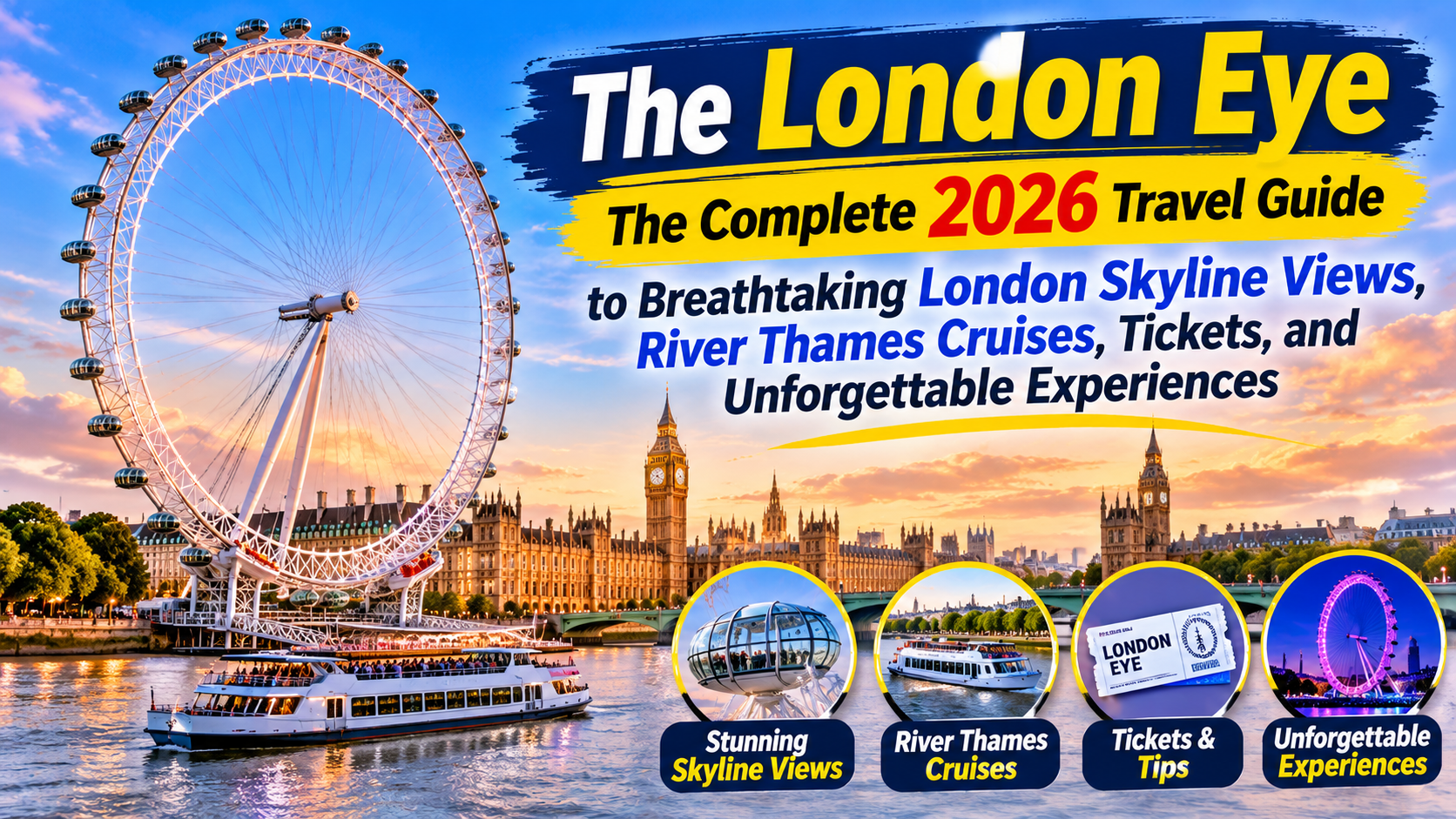
The London Eye is one of the British capital’s most recognisable landmarks, offering visitors spectacular panoramic views across the River Thames and central London. Located on the South Bank, opposite the Palace of Westminster, this enormous observation wheel has become a defining feature of the city’s modern skyline. Its position makes it an excellent starting point for exploring nearby attractions, historic neighbourhoods, and riverside experiences.
Opened to the public in 2000, the attraction was originally created to mark the new millennium. Its innovative engineering, distinctive design, and impressive height helped transform it into an international tourism destination. Unlike a traditional observation tower, the wheel offers a gradual, moving viewpoint, allowing passengers to watch London’s landmarks appear from different angles throughout the experience.
Whether visiting for the first time, planning a family holiday, or looking for memorable photographs, understanding the ride, ticket options, surrounding attractions, and best visiting times can make the experience considerably more enjoyable.
History, Design, and Engineering Behind the Observation Wheel
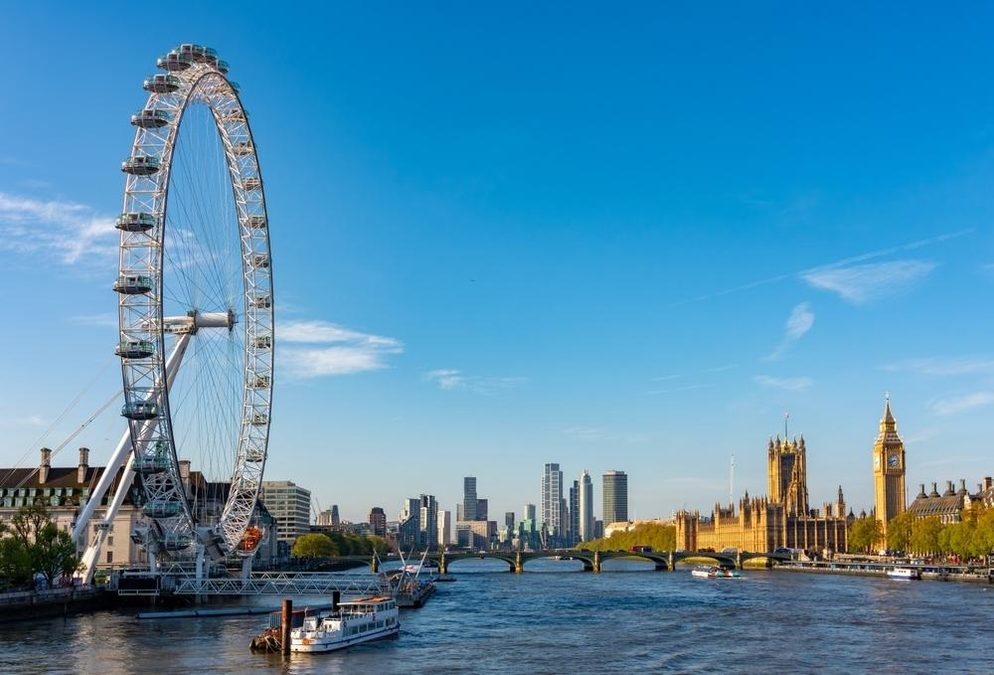
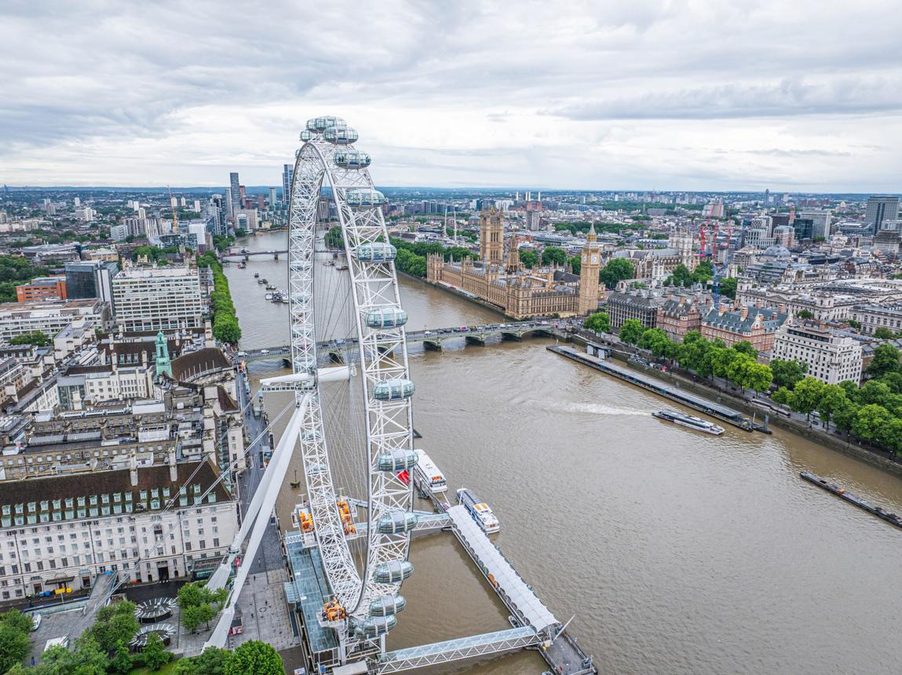
The project was developed as part of London’s millennium celebrations, with the wheel designed by architects David Marks and Julia Barfield. Construction involved a major engineering effort, bringing together specialists in structural design, transportation, and large-scale installation. When it opened in March 2000, it quickly attracted attention for its unusual scale and elegant riverside position.
Standing approximately 135 metres tall, the structure features a large rotating wheel supported by an A-frame structure on one side. Its passenger capsules are mounted around the outer rim, allowing them to remain upright as the wheel turns. This design provides relatively stable viewing conditions while the attraction moves continuously during normal operations.
The engineering is part of what makes the experience special. Rather than climbing stairs or travelling in a conventional lift, visitors gradually rise above the city inside a spacious enclosed capsule. The slow rotation gives passengers time to recognise landmarks, take photographs, and appreciate how London’s historic streets, modern buildings, and river landscape fit together.
What to Expect During the London Eye Experience
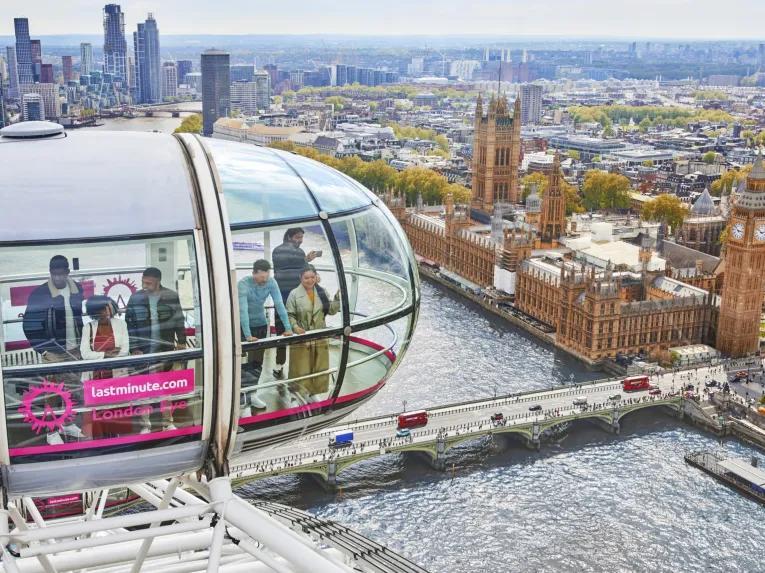
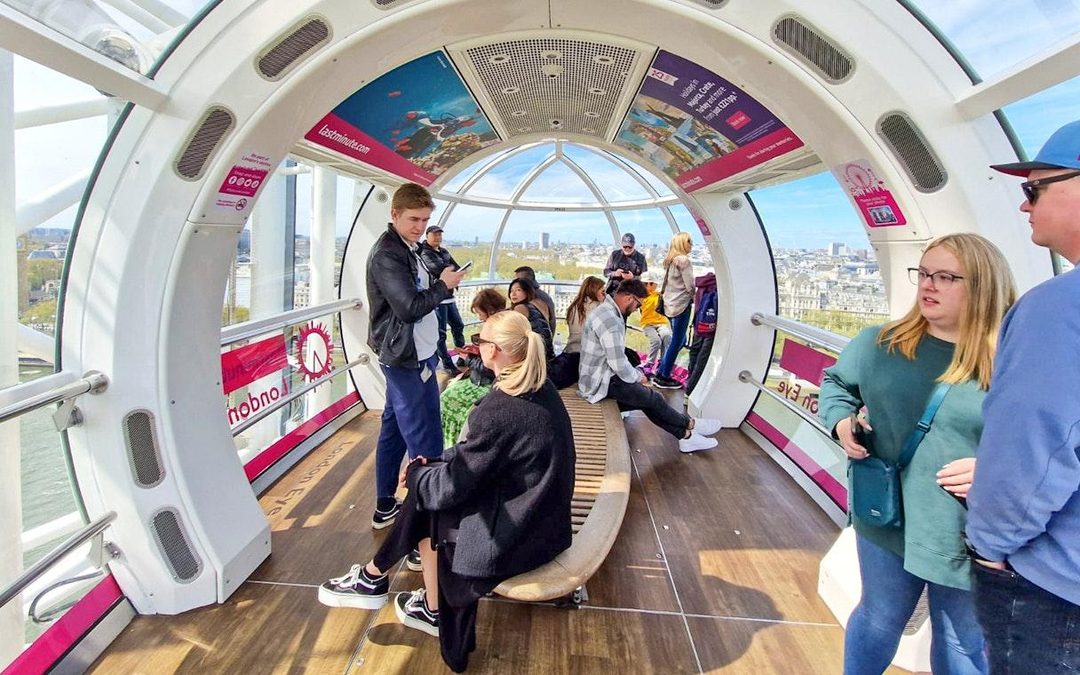
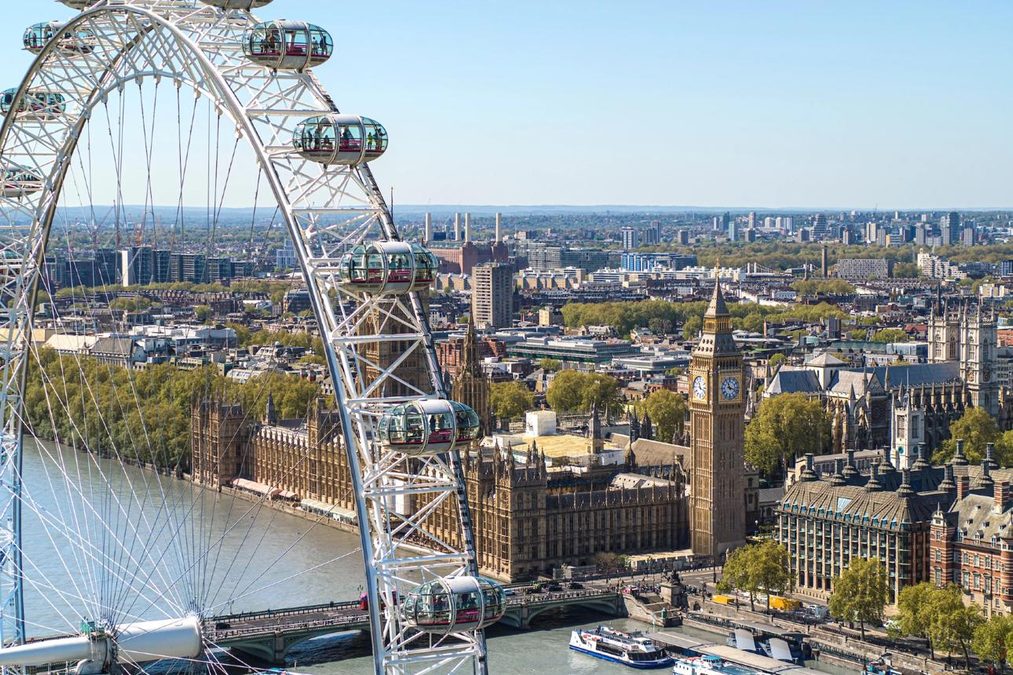
A standard rotation takes approximately 30 minutes, although boarding and queueing add to the overall visit. Passengers enter through a boarding platform and step into one of the enclosed glass capsules. Once the wheel begins its rotation, the capsule rises gradually, providing increasingly wide views over the surrounding city.
The viewing experience changes throughout the journey. At lower levels, passengers can observe the riverside promenade, Westminster Bridge, and nearby buildings. Higher up, the perspective expands to include landmarks such as Big Ben, the Houses of Parliament, St Paul’s Cathedral, The Shard, and Buckingham Palace in the wider cityscape when visibility allows.
Clear weather makes a noticeable difference. On bright days, the skyline appears crisp, while mist, rain, and low cloud can reduce visibility. Visitors should remember that weather cannot be guaranteed, so it is worth checking the forecast and choosing a flexible booking arrangement where available.
Best Time to Ride for Skyline Views and Photography
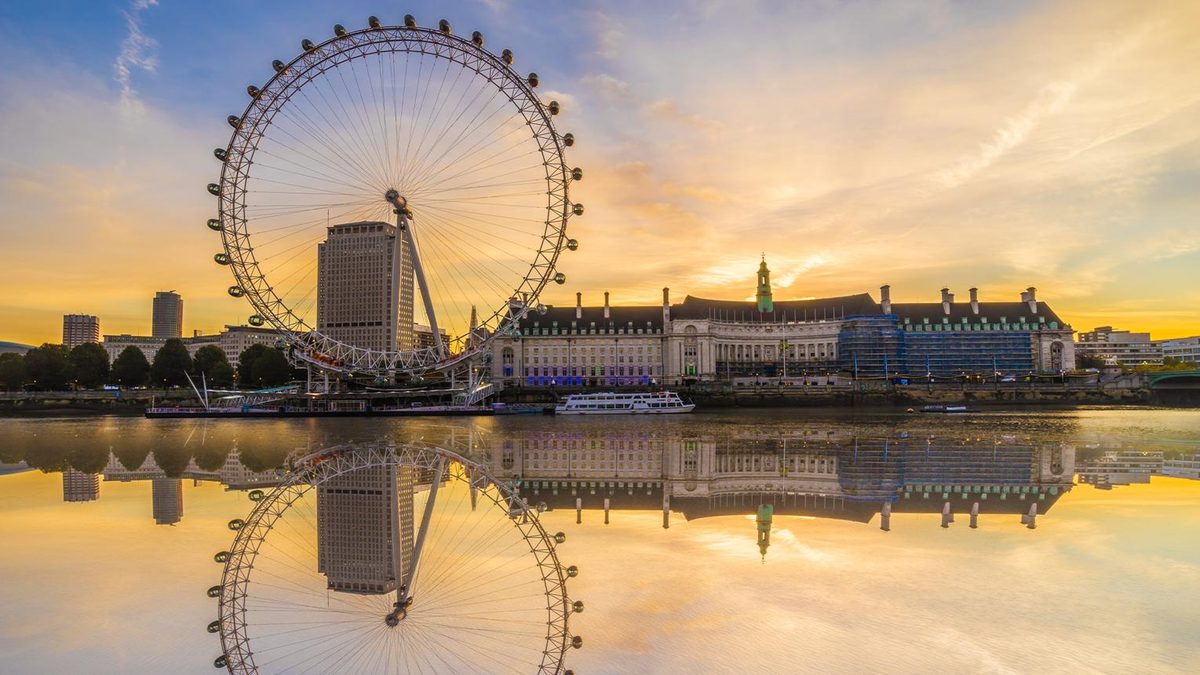
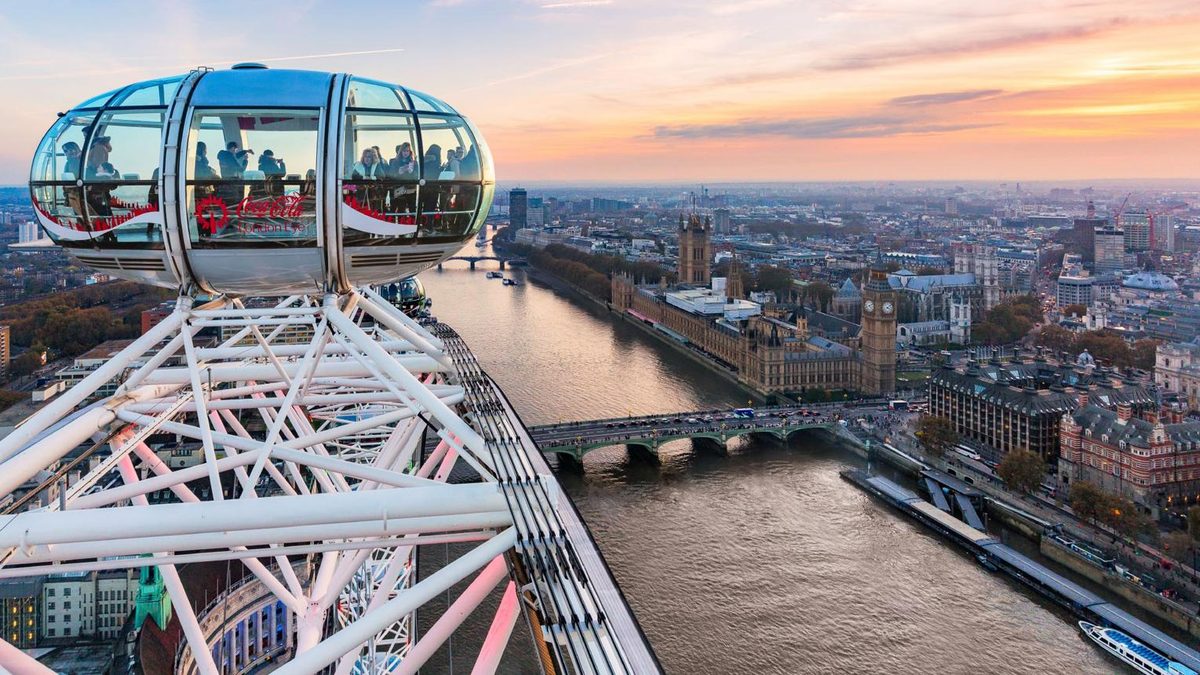
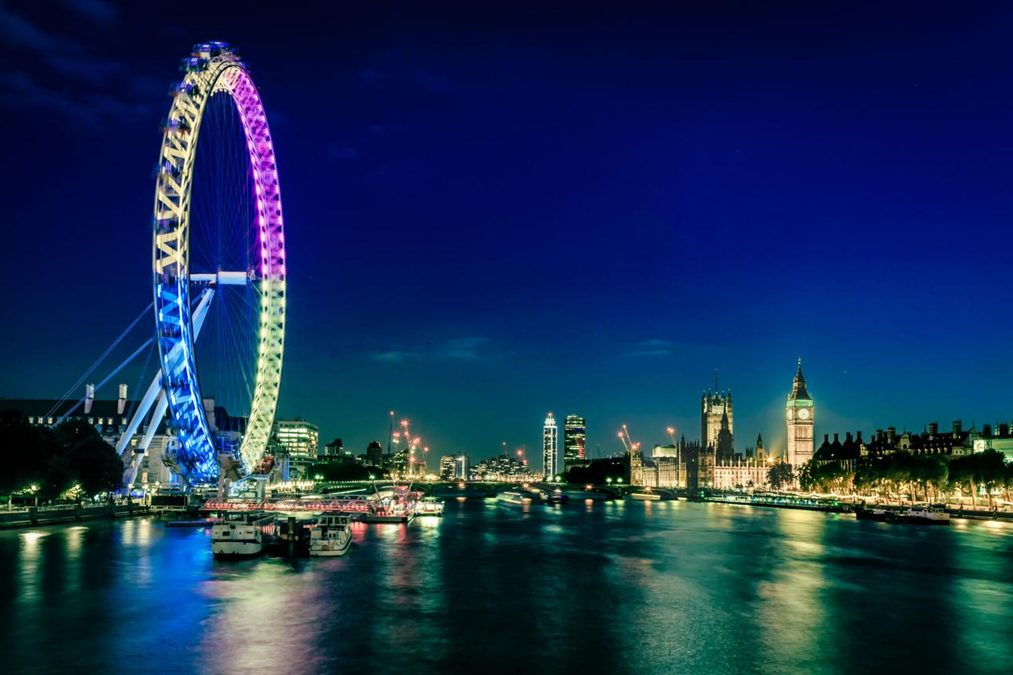
The best time depends on the atmosphere you want. Morning visits can offer softer light and, on some days, shorter queues. Midday provides strong natural light for recognising architectural details, although glare on the glass can affect photography. Late afternoon and sunset are popular because the changing sunlight gives historic buildings and the river a warm appearance.
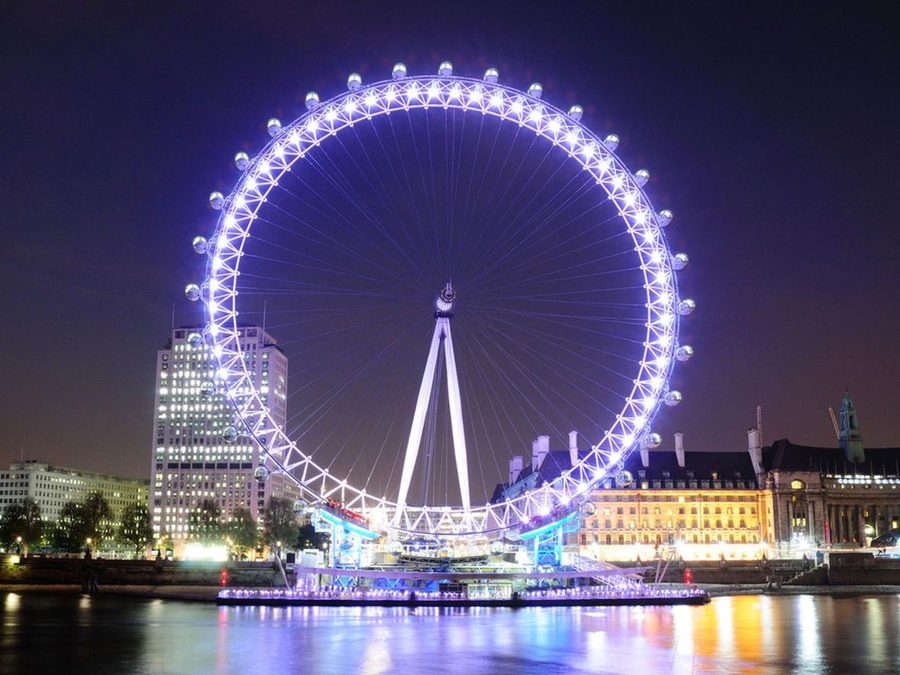
Evening rides provide a different perspective. As buildings and bridges illuminate, the capital takes on a dramatic character. The combination of the Thames, glowing landmarks, and busy riverside areas can create excellent photographs, particularly during the darker months when sunset occurs earlier.
For better pictures, avoid pressing your camera directly against the capsule glass because reflections and vibrations can affect image quality. A clean lens, suitable exposure settings, and patience when other passengers move around the viewing areas can help. If you are visiting with children, allow them time to enjoy the view rather than focusing entirely on taking photographs.
Tickets, Prices, and Booking Tips for 2026
Ticket prices and availability can vary according to date, demand, booking type, and special experiences. Standard admission is generally the most straightforward option, while fast-track tickets may reduce time spent in the main queue. Other packages can combine the ride with nearby attractions or special occasions.
Booking online through the official attraction website is usually the most convenient approach. It allows visitors to compare available dates and times, review ticket conditions, and check whether additional experiences are included. Avoid assuming that a third-party package offers the same entry conditions as a direct booking; read the details carefully before purchasing.
| Visitor consideration | Practical guidance |
|---|---|
| Standard experience | Approximately 30-minute rotation |
| Height | Approximately 135 metres |
| Location | South Bank, beside the River Thames |
| Booking | Check official online ticket availability |
| Queue management | Compare standard and fast-track options |
| Best visibility | Clear weather and good daylight |
| Photography | Look for reflections on capsule glass |
| Nearby transport | Waterloo, Embankment, and Westminster stations |
A common planning problem is underestimating the time needed for the whole visit. The rotation itself lasts around half an hour, but security procedures, queues, and getting to the boarding area can extend the experience. Leave additional time if you have another timed attraction or restaurant reservation afterwards.
Attractions Near the London Eye
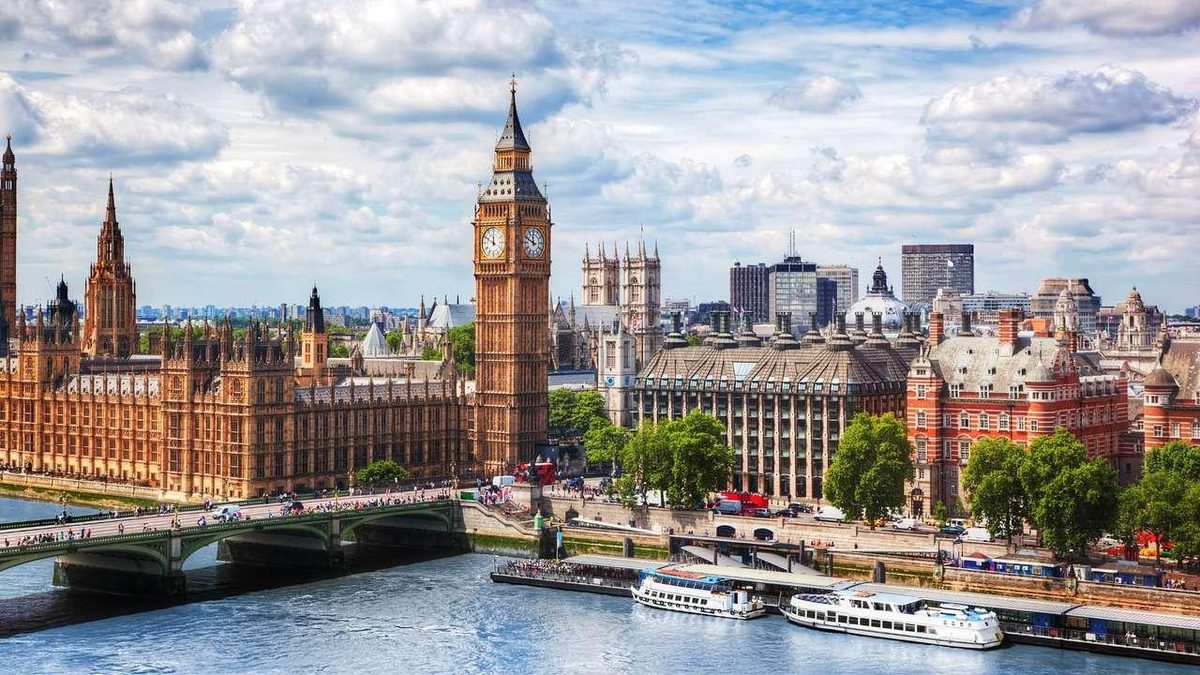
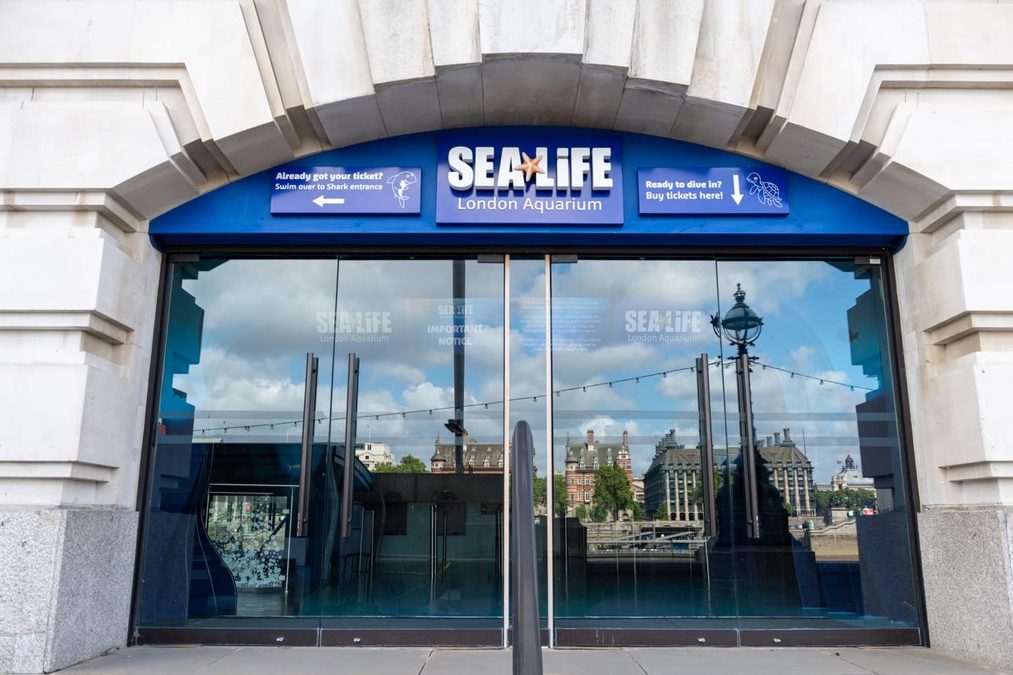
The surrounding area is packed with famous attractions, making it easy to combine the ride with a wider sightseeing day. Directly across Westminster Bridge stands the Palace of Westminster, home to the UK Parliament, with the Elizabeth Tower and its famous bell, Big Ben, forming one of London’s best-known views. The bridge itself is a popular photography location, especially when looking back towards the wheel.
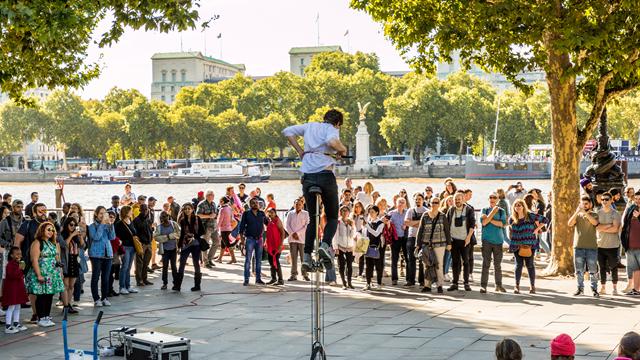
On the South Bank, visitors can explore riverside walkways, cafés, restaurants, public art, and cultural venues. SEA LIFE London Aquarium is close by and is a popular family attraction. The nearby Southbank Centre also hosts exhibitions, performances, and events throughout the year, while the National Theatre offers a major programme of live productions.
A short walk along the Thames leads towards other well-known locations, including Tate Modern and Shakespeare’s Globe. These attractions make the area suitable for visitors who want to combine sightseeing, culture, food, and entertainment without spending much time travelling between destinations.
How to Reach the Attraction and Get Around
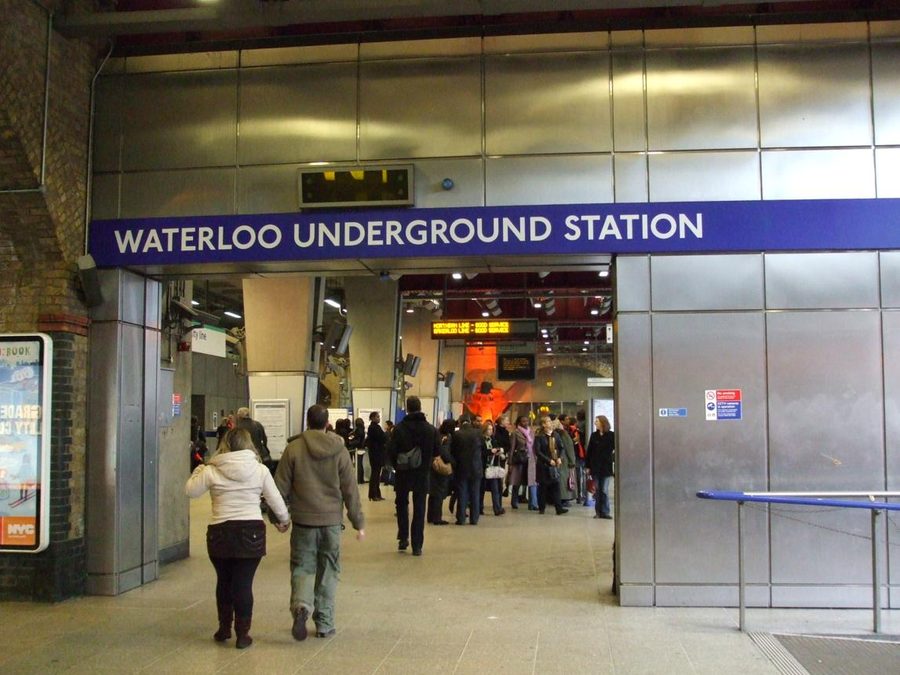
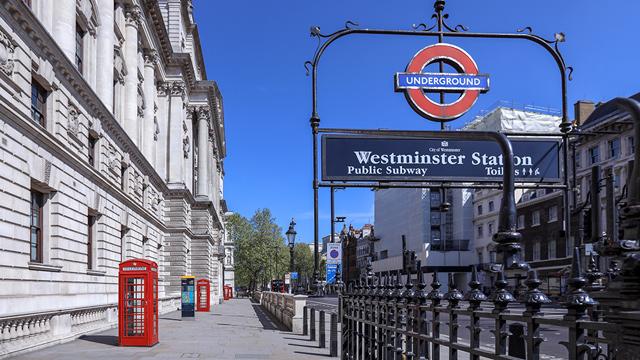
Public transport is generally the easiest way to reach the riverside attraction. Waterloo Underground and railway stations are within walking distance, while Westminster and Embankment stations provide further connections across the river. Several London bus routes also serve the surrounding area.
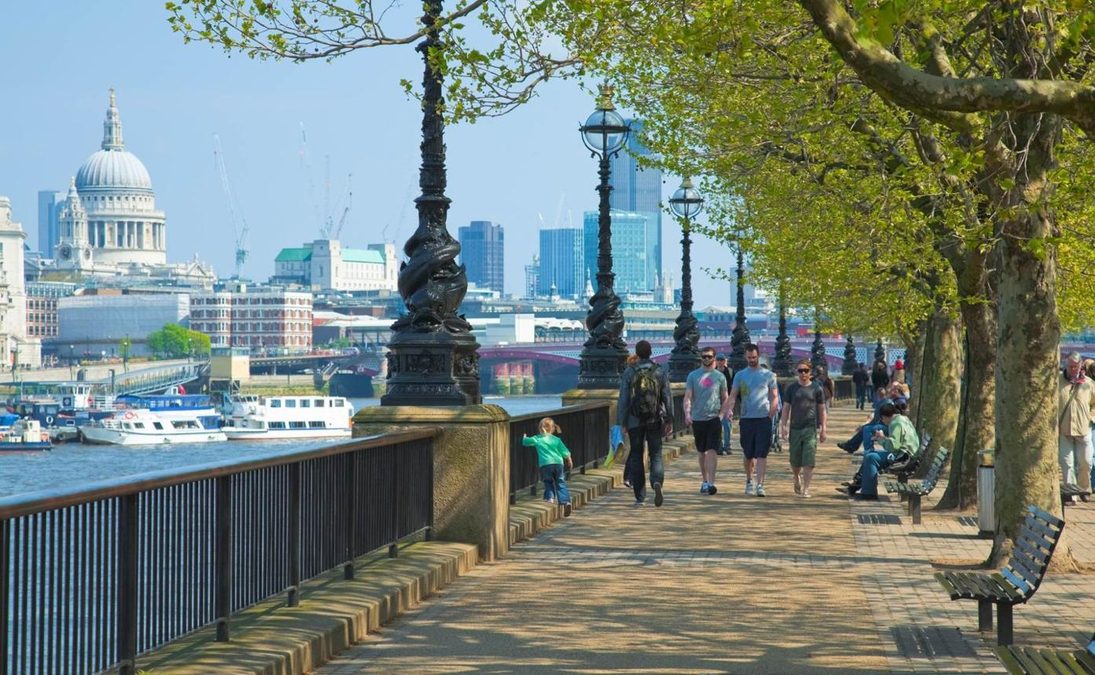
Walking is particularly enjoyable if you are already exploring central London. The route between Westminster Bridge, the South Bank, and nearby cultural attractions offers scenic river views and opportunities to stop for photographs. However, the area can become busy during weekends, school holidays, and major events, so allow extra time for pedestrian movement.
Visitors with accessibility requirements should check the attraction’s current access information before booking. The capsules are designed to accommodate a range of visitors, but assistance arrangements, mobility requirements, and boarding procedures should be confirmed directly with the operator. Checking station accessibility is also important when planning the journey.
Family Visits, Special Occasions, and Visitor Tips
The attraction is suitable for a wide range of ages, making it a popular choice for family trips. Children often enjoy spotting recognisable landmarks from above, while adults can appreciate the architecture and changing views. Before visiting with young children, consider queue times, weather, and the length of the overall experience.
It can also be a memorable setting for birthdays, anniversaries, and romantic outings. Special packages may include private capsules or other experiences, depending on current availability. These options can create a more personal visit, but they should be checked carefully for booking conditions, minimum requirements, and included services.
A few practical habits can improve the experience: arrive before your scheduled entry time, keep tickets accessible, travel light, and check the weather forecast. If the view is the main reason for visiting, choose a day with a promising forecast and review the attraction’s policies for changes or cancellations before confirming your booking.
Frequently Asked Questions About the London Eye
How long does a ride on the London Eye take?
One complete rotation takes approximately 30 minutes. Visitors should allow additional time for arriving, security checks, queuing, and boarding. During busy periods, the total visit can take considerably longer, so it is sensible to leave a comfortable gap before any other timed activity.
How tall is the London Eye?
The observation wheel stands approximately 135 metres tall. Its height provides sweeping views across central London, including the River Thames, the Palace of Westminster, St Paul’s Cathedral, and other major landmarks when weather conditions are favourable.
Is the London Eye worth visiting?
For first-time visitors and anyone interested in panoramic city views, it can be a rewarding experience. The slow rotation provides a distinctive perspective on London’s architecture and geography, while its riverside location makes it easy to combine with other major attractions.
What is the best time to visit?
Morning visits can be appealing for potentially quieter conditions, while late afternoon and sunset offer attractive lighting for photography. Evening rides provide illuminated skyline views. The best choice depends on visibility, crowd levels, and personal preference.
Can you see Big Ben from the London Eye?
Yes. The Elizabeth Tower, which houses Big Ben, and the Houses of Parliament are among the most recognisable landmarks visible from the capsules. Their position across the river makes them especially prominent during the rotation.
Is the attraction suitable for children?
Yes, it is generally suitable for families and children. The enclosed capsules provide a spacious viewing environment, and the gradual movement makes it easy to enjoy the scenery. Parents should still consider queue times, children’s comfort, and any individual accessibility needs.
Should you book tickets in advance?
Booking ahead is recommended, particularly during weekends, school holidays, and peak tourist seasons. Advance booking helps secure a preferred time and makes it easier to compare standard admission with fast-track or package options. Always review the official booking conditions.
Conclusion: Experience London From a Different Perspective
The London Eye has become much more than a millennium landmark. Its distinctive engineering, central riverside location, and panoramic views make it one of the capital’s most recognisable visitor experiences. From spotting Big Ben and the Houses of Parliament to watching the Thames wind through the city, the ride offers a memorable way to appreciate London’s scale and character.
The best visit combines thoughtful timing with exploration of the surrounding South Bank. Pairing the experience with Westminster, nearby museums, riverside dining, or a walk towards Tate Modern creates a fuller day in one of the city’s most rewarding areas.
Ultimately, the attraction’s greatest appeal is the perspective it provides. London is a city of historic landmarks, modern architecture, and constantly changing neighbourhoods, and seeing them from above helps bring those elements together in one unforgettable experience.