



Cappadocia is one of Türkiye’s most extraordinary travel destinations, famous for its surreal rock formations, underground cities, cave dwellings, ancient churches, dramatic valleys, and spectacular hot air balloon flights. The landscape looks almost otherworldly, but its appeal goes far beyond photography. This is a region shaped by volcanic geology, centuries of human settlement, Christianity, Ottoman-era traditions, agriculture, and modern Turkish hospitality.
Located in central Türkiye, the region is particularly known for the towns of Göreme, Ürgüp, Uçhisar, Avanos, and surrounding valleys. Its unusual scenery was created through volcanic activity and thousands of years of erosion, producing the soft rock formations commonly called fairy chimneys. For travelers, that means a destination where geology and history are visible almost everywhere you walk.
What Makes Cappadocia So Special
The defining feature of Cappadocia is its landscape. Ancient volcanic eruptions deposited layers of tuff across the region, and subsequent wind and water erosion gradually sculpted the softer material into valleys, pinnacles, cones, and towering rock formations. Harder layers sometimes remained on top, creating the distinctive mushroom-shaped fairy chimneys that have become synonymous with the area.
What makes the region even more remarkable is how people adapted to this unusual terrain. Communities carved homes, churches, monasteries, storage rooms, and entire underground settlements into the rock. Walking through the landscape can therefore feel like reading a geological and human history book at the same time. As one useful way to understand the destination puts it, “The rocks are not simply the scenery here; they are part of the architecture, history, and daily life.”
Best Places to Visit in the Region
Göreme is the most convenient base for many first-time visitors. The town sits among spectacular valleys and provides easy access to restaurants, hotels, tour companies, viewpoints, and hiking routes. Its central location makes it practical for travelers who want to combine sunrise balloon watching, valley walks, cultural attractions, and evening dining without spending hours on the road.
Uçhisar offers a different perspective, with its prominent rock citadel rising above the surrounding landscape. Avanos is known for pottery traditions associated with the Kızılırmak River, while Ürgüp has a strong connection with wine, cave architecture, and regional hospitality. Nearby attractions such as Zelve Open Air Museum and Paşabağı provide additional insight into the region’s unusual rock formations and historic settlements.
Hot Air Balloons and the Famous Sunrise Experience
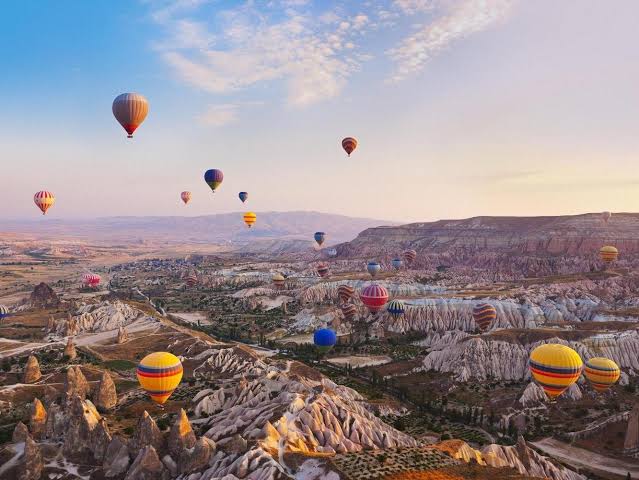
A hot air balloon flight is arguably the signature experience in Cappadocia. At sunrise, dozens of balloons can rise above the valleys, creating a spectacular combination of colorful aircraft, golden light, and rugged volcanic scenery. From the basket, passengers gain a perspective that is impossible to reproduce from a road or hiking trail.
Safety and weather conditions should always take priority over a fixed itinerary. Balloon flights are highly dependent on wind and other operational conditions, so cancellations can occur. Travelers who consider flying should avoid scheduling the experience immediately before a flight home or an important connection. Booking early in a trip provides some flexibility if weather causes a cancellation or rescheduling.
Valleys, Hiking, and Outdoor Adventures
The valleys around Cappadocia provide some of the best opportunities to understand the landscape at ground level. Rose Valley and Red Valley are particularly attractive around sunset, when the soft volcanic rock takes on warm shades of pink, orange, and red. Love Valley is famous for its distinctive formations, while Pigeon Valley combines scenic trails with evidence of historic pigeon houses carved into the cliffs.
Hiking here is less about athletic difficulty and more about exploration. Trails can involve uneven surfaces, loose rock, steep sections, and confusing junctions, so suitable footwear and offline navigation are valuable. A common problem is treating a short-looking route as an easy walk simply because the distance appears modest. The solution is to account for elevation, terrain, heat, and time spent stopping for viewpoints and photographs.
Underground Cities and Ancient History
The underground cities reveal another extraordinary chapter of regional history. Derinkuyu and Kaymaklı are among the best-known examples, with interconnected rooms, passages, ventilation systems, storage areas, and spaces designed to support communities below ground. These settlements demonstrate how architecture could be adapted to both environmental conditions and periods of insecurity.
The Göreme Open-Air Museum provides a different historical experience, focusing on rock-cut churches and monastic spaces decorated with Byzantine-era frescoes. These sites are particularly important because they show that the region was not merely a collection of unusual geological formations. It was also an important center of religious and cultural life, where communities created sophisticated spaces directly within the landscape.
Cave Hotels and Where to Stay
Staying in a cave hotel is one of the most distinctive experiences associated with Cappadocia. Traditional cave rooms were carved from soft volcanic rock, while modern properties combine that architecture with contemporary bathrooms, heating, comfortable beds, terraces, and other amenities. The best accommodations preserve the character of the original structures without sacrificing practical comfort.
Göreme is particularly convenient for first-time travelers because many attractions, restaurants, viewpoints, and tour providers are nearby. Uçhisar can appeal to visitors looking for panoramic views and a quieter atmosphere, while Ürgüp offers a broader selection of traditional hotels and restaurants. When choosing accommodation, location matters almost as much as the room itself because steep streets and uneven terrain can make seemingly short distances surprisingly demanding.
Food, Wine, and Local Culture
Regional food is an important part of experiencing Cappadocia. Local restaurants serve Turkish staples alongside specialties associated with central Anatolia. Testi kebab is particularly famous: meat and vegetables are slow-cooked inside a sealed clay pot that is traditionally broken open before serving. Other familiar dishes include gözleme, mantı, stuffed vegetables, meze, grilled meats, and seasonal produce.
Avanos and the surrounding region are also associated with pottery and craft traditions. Watching a potter work with local clay provides a more meaningful cultural experience than simply purchasing a souvenir because it explains the connection between the material, the river, and regional craftsmanship. Wine is another part of the area’s identity, with vineyards benefiting from the region’s distinctive climate and volcanic soils.
Best Time to Visit and What to Expect
Spring and autumn are particularly attractive seasons because temperatures are generally more comfortable for hiking and sightseeing. The valleys can be especially beautiful during these periods, while the changing light makes sunrise and sunset photography rewarding. Summer brings longer days but can become hot during exposed walks, while winter can transform the landscape with snow and create a quieter atmosphere.
Seasonal conditions also affect balloon operations, hiking comfort, and accommodation demand. Travelers visiting during popular periods should expect greater demand for well-located hotels and balloon excursions. Regardless of season, mornings can be considerably cooler than afternoons, so layered clothing is a practical choice.
Transportation, Costs, and Practical Travel Advice
The main airports serving the region are Nevşehir Kapadokya Airport and Kayseri Airport. Travelers can reach the major towns through airport transfers, taxis, rental cars, or organized transportation. Renting a car can be useful for independent exploration, particularly when visiting attractions outside the main tourist centers, although guided tours can be more convenient for travelers who prefer not to navigate unfamiliar roads.
Daily costs vary significantly according to accommodation and activities. A budget traveler can rely on modest hotels, local restaurants, and shared excursions, while luxury travelers can spend substantially more on premium cave hotels, private guides, and exclusive experiences. One of the smartest planning decisions is to separate essential experiences from optional extras. A spectacular viewpoint or independent valley hike may cost little, while private tours and balloon flights can represent a significant portion of a trip budget.
| Experience | Ideal Time | Main Appeal | Planning Consideration |
|---|---|---|---|
| Hot air balloon flight | Sunrise | Aerial landscape views | Weather dependent |
| Göreme Open-Air Museum | Morning | Rock-cut churches and frescoes | Allow time for detailed viewing |
| Red & Rose Valleys | Morning or sunset | Hiking and scenery | Wear suitable footwear |
| Uçhisar Castle | Late afternoon | Panoramic views | Expect stairs and uneven surfaces |
| Underground cities | Morning | Ancient subterranean architecture | Narrow passages can feel challenging |
| Avanos pottery | Daytime | Local craft traditions | Demonstrations vary by workshop |
Common Travel Mistakes and Better Solutions
One of the biggest mistakes is trying to see everything in a single day. The region may look compact on a map, but attractions are spread across different towns and valleys. Rushing from one site to another can turn an otherwise memorable trip into a sequence of bus rides and hurried photographs. A better approach is to group attractions geographically and leave time for walking and unplanned discoveries.
Another mistake is assuming every famous viewpoint will feel equally impressive. Some are crowded at peak times, while quieter trails can provide a more intimate experience with the landscape. Travelers can improve the quality of their trip by starting early, respecting restricted areas, carrying water, protecting themselves from the sun, and following marked routes. At historic and religious sites, appropriate behavior is equally important because these places are cultural heritage sites rather than simply photo backdrops.

A Practical Itinerary for a Short Visit
A three-day itinerary can provide a strong introduction without becoming exhausting. The first day can focus on Göreme, the open-air museum, nearby viewpoints, and an evening meal featuring regional cuisine. The second morning can be dedicated to a balloon flight if weather permits, followed by a relaxed afternoon exploring another valley or enjoying the hotel.
The final day can combine an underground city with Uçhisar, Avanos, or another nearby attraction. Travelers with additional time can slow the pace considerably by adding hiking, winery visits, craft workshops, or quieter villages. This approach turns the trip from a checklist into a more complete experience of the region’s landscape and culture.
Frequently Asked Questions
How many days are enough for Cappadocia?
Three to four full days are enough to experience the major highlights, including the valleys, underground cities, Göreme, Uçhisar, and a hot air balloon flight. A longer stay allows travelers to hike at a slower pace and explore less-visited areas without constantly moving between attractions.
Is Cappadocia suitable for families?
Yes, although some activities require additional planning. Families can enjoy balloon watching, scenic viewpoints, pottery experiences, and selected valley walks. Underground cities and steep hiking routes may be less comfortable for very young children, so activity difficulty and terrain should be considered before departure.
Is Cappadocia expensive to visit?
It can be affordable or luxurious depending on travel style. Accommodation ranges from hostels and modest guesthouses to high-end cave hotels, while activities such as balloon flights and private tours can significantly increase the budget. Local restaurants and shared excursions can help keep overall spending manageable.
What is the best month to visit Cappadocia?
April through June and September through October are generally attractive periods because the weather is often comfortable for outdoor activities. However, conditions vary from year to year, and each season offers a different atmosphere. Winter can be especially striking when snow covers the rock formations.
Is the hot air balloon ride worth it?
For travelers comfortable with the cost and suitable weather, the balloon experience can be one of the most memorable activities in the region. The aerial perspective reveals the scale and complexity of the valleys in a way that ground-level sightseeing cannot fully reproduce.
What should visitors wear for hiking?
Comfortable walking shoes with good grip are important because trails can include loose stones, steep sections, and uneven surfaces. Lightweight layers work well because temperatures can change considerably between early morning, midday, and evening. Sun protection and sufficient drinking water are also essential during warmer months.
Conclusion
Cappadocia is far more than a famous hot air balloon destination. Its real character comes from the relationship between geology, history, architecture, religion, agriculture, craftsmanship, and contemporary Turkish culture. Fairy chimneys and valleys create the visual drama, but underground cities, rock-cut churches, local food, pottery traditions, and village life provide the deeper story.
The best way to experience Cappadocia is to slow down enough to appreciate both the spectacular and the ordinary. Watch the landscape change at sunrise, walk through a valley rather than simply photographing it, learn how local communities shaped the rock, and leave room for experiences that cannot be planned perfectly. The final insight is simple: the landscape may bring you to Cappadocia, but its history, culture, and extraordinary sense of place are what make the journey unforgettable.