



Iguazu Falls is one of the world’s most spectacular natural landmarks, where hundreds of cascades thunder through a subtropical rainforest along the border of Argentina and Brazil. Rather than being a single waterfall, it is an immense waterfall system shaped by the Iguazu River, dramatic basalt cliffs, islands, mist and dense Atlantic Forest.
For travelers, the attraction is not simply the size of the falls. The experience changes depending on where you stand. Argentina offers immersive trails and close encounters with the water, while Brazil is famous for sweeping panoramic views. Together, they create a destination that feels less like sightseeing and more like stepping into a living natural amphitheater.
What Makes This Natural Wonder So Extraordinary
Iguazu Falls stretches across roughly 2.7 kilometers and consists of a complex network of individual cascades. Its most famous section, the Devil’s Throat, is a massive U-shaped chasm where enormous volumes of water plunge into a turbulent gorge. The constant spray creates rainbows, clouds of mist and a deep roar that can be felt before the main viewpoint comes into sight.
The surrounding rainforest is just as important as the water. The falls sit within protected environments on both sides of the international border, creating habitat for toucans, butterflies, monkeys, coatis and many other species. This combination of geology, hydrology and biodiversity explains why the area has exceptional conservation value and why UNESCO recognizes both national parks associated with the falls as World Heritage properties.
A useful way to think about the landscape is as a natural theater: the river is the performer, the basalt cliffs form the stage, and the rainforest provides the backdrop. As one visitor-focused travel principle puts it, “the best viewpoint is not always the widest one”; at a place this dynamic, changing your position can completely transform what you see.

Argentina vs. Brazil: Understanding the Two Sides
The Argentine side generally provides the more immersive experience. Iguazú National Park contains a network of walkways and trails that approach different sections of the falls. Upper and Lower circuits reveal changing perspectives, while the path toward Devil’s Throat brings visitors close to one of the most dramatic concentrations of water in the entire system.
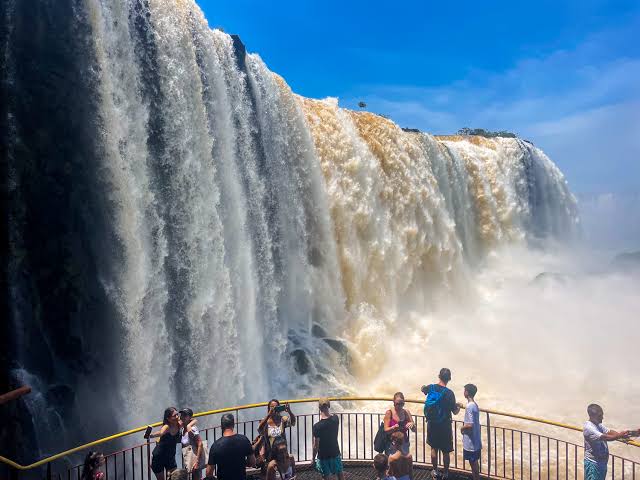
The Brazilian side is more compact but exceptionally effective for panoramic viewing. Iguaçu National Park leads visitors along a route with broad vistas across the falls, making it particularly rewarding for photography. The famous walkway near the end of the trail puts you amid spray and rushing water, with the surrounding cliffs creating a huge sense of scale.
| Feature | Argentina side | Brazil side |
|---|---|---|
| Main strength | Close-up exploration | Panoramic views |
| Best-known experience | Devil’s Throat and trail circuits | Grand views across the waterfall system |
| Typical feel | Longer, more immersive | Shorter, scenic and concentrated |
| Ideal for | Hikers and waterfall enthusiasts | Photographers and first-time visitors |
| Best approach | Allow several hours | Allow several hours |
If time permits, visiting both countries is the strongest way to understand the full waterfall system. They are complementary rather than competing experiences: Argentina helps you explore the waterfall landscape from within, while Brazil helps you appreciate its enormous overall scale.
The Best Viewpoints and Experiences
The Devil’s Throat is the visual centerpiece for many visitors. Water pours into the gorge with extraordinary force, and the surrounding mist can make the scene appear almost otherworldly. Conditions vary with river levels, so the character of the viewpoint can change from a powerful wall of water to a more intricate display of individual cascades.
Beyond the main viewpoints, walking the forest trails adds another layer to the visit. Listen for birds, watch the treetops and pay attention to the smaller details around the paths. Boat excursions can provide an even more dramatic perspective, taking visitors toward the spray beneath selected cascades. These activities are thrilling, but they also demonstrate why waterproof clothing, secure footwear and careful attention to operator instructions matter.
When Is the Best Time to Visit?
There is no single perfect month because the falls respond to rainfall and river levels. Warmer months can bring lush vegetation and powerful water flows, while drier periods may provide different visibility and trail conditions. The rainforest remains attractive throughout the year, but weather can shift quickly.
For travelers prioritizing the most dramatic water volume, periods following substantial rainfall can be impressive. However, unusually heavy rain can also affect trails, river activities and visibility. A practical strategy is to build flexibility into the itinerary rather than treating a waterfall visit like a fixed appointment. Weather is part of the experience, not merely a variable to overcome.
Wildlife, Rainforest and Conservation
The biodiversity around the falls is a major reason to slow down rather than rush between viewpoints. The Atlantic Forest ecosystem supports colorful birds, reptiles, insects and mammals, and the forest can reveal details that are easy to miss when attention is focused only on the largest cascade. Coatis are especially noticeable in busy visitor areas, but they should never be fed or approached.
Conservation also shapes how the destination is experienced. Protected trails, designated viewing areas and visitor regulations help reduce pressure on fragile habitats. Travelers can contribute by staying on marked paths, carrying waste out, respecting wildlife and avoiding direct feeding or touching of animals. The principle is simple: a protected landscape remains spectacular only when visitors treat it as habitat rather than a theme park.
How to Plan a Comfortable Visit
A successful visit depends on pacing. Wear comfortable shoes with good grip, carry water, protect electronics from spray and bring lightweight rain protection. Sun protection is useful even when clouds are present, because reflected light and humidity can make conditions feel stronger than expected.
One common problem is trying to see everything too quickly. The solution is to prioritize the major circuits and viewpoints, then leave time for pauses. Another challenge is mist: cameras and phones can become difficult to use near the wettest sections. A simple waterproof pouch or protective case can prevent a memorable day from turning into an equipment problem.
Getting There and Choosing Where to Stay
The gateway cities are Puerto Iguazú in Argentina and Foz do Iguaçu in Brazil. Both provide accommodation, restaurants, transport services and access to the national parks. International travelers often find that choosing the gateway based on flight schedules and border-crossing plans is more practical than choosing solely by hotel preference.
If the trip includes both sides, allow enough time for border formalities and transport. A rushed cross-border itinerary can reduce the enjoyment of the destination. Staying near the gateway towns also makes it easier to begin early, avoid the hottest part of the day and return without a long transfer after several hours of walking.
Photography Tips for the Waterfalls
Photographing the waterfalls is less about having the most expensive camera and more about controlling moisture, light and movement. A fast shutter speed can freeze individual streams of water, while a slower shutter speed can create a softer, flowing effect when conditions and equipment allow it. Wide-angle lenses are useful for dramatic landscapes, while a moderate zoom can isolate individual cascades.
Mist creates both a challenge and an opportunity. Wipe the lens frequently, protect equipment between shots and avoid spending the entire visit behind a screen. Some of the most memorable images come from taking a few photographs and then simply watching the landscape change as clouds of spray move across the gorge.
Travel Costs and Time Expectations
Costs vary according to season, accommodation standards, park fees, transportation and activities. Travelers should also account for food, local transfers and possible cross-border expenses rather than budgeting only for admission. Boat excursions and other adventure activities can add significantly to the daily total.
For a focused visit, two days can work well: one day for the Argentine side and another for the Brazilian side. A longer stay allows more flexibility for weather, wildlife observation, hiking and relaxed meals in the gateway towns. The key is to match the itinerary to your pace instead of assuming that a famous attraction can be fully understood in a few hours.
Is Iguazu Falls Worth Visiting?
For most nature-focused travelers, the answer is an emphatic yes. Iguazu Falls combines spectacular scenery with accessible trails, rainforest biodiversity and a rare opportunity to experience the same geological system from two countries. It is particularly rewarding for travelers who appreciate destinations where the journey through the landscape matters as much as the headline attraction.
Its biggest strength is variety. One moment you can be looking across a vast curtain of water, and minutes later you may be walking beneath dense vegetation listening to birds. That contrast gives the destination staying power. It is not simply a place to photograph a waterfall; it is a place to understand how water, rock, forest and wildlife interact.
Frequently Asked Questions
Where is Iguazu Falls located?
Iguazu Falls is located on the Iguazu River along the border between Argentina and Brazil in South America. The Argentine section is within Misiones Province, while the Brazilian section is in Paraná State. The nearest major tourism gateways are Puerto Iguazú and Foz do Iguaçu.
How many days do you need for Iguazu Falls?
Two full days are a strong minimum for travelers who want to experience both sides without excessive rushing. One day can be dedicated primarily to the Argentine trails and another to the Brazilian panoramic route. Adding another day creates useful flexibility for weather, wildlife and optional activities.
Which side of the falls is better?
Neither side is universally better because they offer different experiences. Argentina is generally stronger for close-up trails and extended exploration, while Brazil provides some of the most impressive broad views of the entire waterfall system. Visiting both gives the most complete perspective.
Can you visit Iguazu Falls in one day?
A one-day visit is possible, especially if you focus on one side, but it requires careful planning. Trying to cross the border and thoroughly explore both countries in a single day can create a rushed schedule and leave little room for weather delays or transportation issues.
Is Iguazu Falls safe for visitors?
The national parks are designed for tourism, with marked trails and viewing areas, but normal outdoor precautions remain important. Stay on designated paths, follow park instructions, keep a safe distance from wildlife and use extra care around wet surfaces. Weather can also change quickly, so appropriate clothing and footwear are valuable.
What should you wear to Iguazu Falls?
Light, breathable clothing, comfortable walking shoes and a light waterproof layer are practical choices. Because spray is common, especially near major viewpoints and boat excursions, protecting phones, cameras and other electronics is equally important.
Conclusion: Experiencing Iguazu Falls Beyond the Viewpoint
Iguazu Falls stands out because its scale is only part of the story. The thunder of the river, the spray rising from the gorge, the dense rainforest and the movement of wildlife combine into an experience that feels constantly alive. Seeing the destination from Argentina and Brazil reveals different dimensions of the same extraordinary natural system.
The most rewarding approach is to slow down and treat the falls as an ecosystem rather than a single photo stop. Explore the trails, respect the rainforest, prepare for changing weather and give yourself time to absorb the landscape. The final insight is simple: the true power of Iguazu Falls is not just in how much water falls, but in how dramatically that water transforms the forest, rock and atmosphere around it.