



Krabi is one of Thailand’s most spectacular destinations, combining dramatic limestone cliffs, turquoise Andaman Sea waters, tropical islands, mangrove landscapes, Buddhist temples, and relaxed southern Thai culture. It is especially appealing to travelers who want more than a beach holiday because the surrounding province offers opportunities for island hopping, rock climbing, kayaking, hiking, snorkeling, and cultural exploration.
Unlike destinations that revolve around a single resort area, Krabi works as a flexible base for exploring the Andaman coast. Ao Nang provides convenient access to excursions, Railay delivers world-famous scenery, while quieter areas offer a slower introduction to southern Thailand. The result is a destination that can suit first-time visitors, couples, families, backpackers, and adventure travelers alike.
Why Krabi Is Worth Visiting in 2026
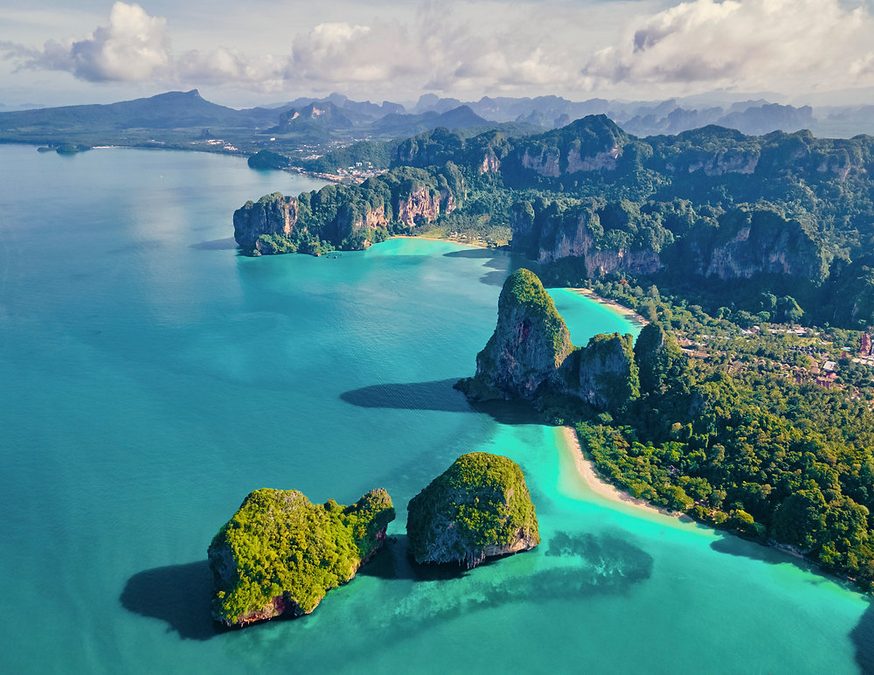
The biggest attraction is the extraordinary landscape. Towering karst formations rise directly from the sea, creating scenery that feels almost cinematic. Railay Beach, Phra Nang Beach, and the islands surrounding the province are particularly memorable because cliffs, jungle, sand, and ocean come together in a compact geographical area.
There is also a useful balance between accessibility and adventure. You can spend a morning kayaking through mangroves, take a long-tail boat to an island, visit a Buddhist temple in the afternoon, and enjoy fresh seafood at night. As one local-style travel principle puts it, “The best days here are rarely about seeing the most places; they are about giving each place enough time to reveal itself.” That slower rhythm is one reason the destination remains so appealing.
Best Places to Visit and Things to Do
Ao Nang is the most practical starting point for many visitors. Its beachfront promenade, restaurants, tour operators, hotels, massage shops, and transportation connections make it easy to arrange day trips. The area is busier than some neighboring communities, but that convenience is valuable for travelers who want plenty of services close by.
Railay is another essential stop. Although it is connected to the mainland geographically, its towering limestone cliffs make boat travel the most common approach. The area is famous for rock climbing, beautiful beaches, caves, and spectacular viewpoints. Nearby Phra Nang Beach is particularly impressive, while the Princess Cave adds a distinctive cultural element to the landscape.
For nature lovers, the surrounding islands offer excellent opportunities for snorkeling and swimming. Koh Poda, Chicken Island, and the Hong Islands are popular excursion choices, although conditions and visitor numbers can vary. A useful strategy is to prioritize water clarity, weather, and travel time rather than simply trying to visit the largest number of islands.
Beaches, Islands, and Marine Adventures
The coastline around Krabi is particularly rewarding because each beach has a slightly different character. Ao Nang is convenient and lively, Railay is dramatic and scenic, while Phra Nang feels more secluded and visually striking. Beyond the mainland, smaller islands provide clearer water and a stronger sense of tropical escape.
Island tours commonly involve long-tail boats or speedboats, with itineraries depending on sea conditions and the operator. Snorkeling can reveal colorful reef fish and shallow marine habitats, while kayaking is a better choice for travelers interested in exploring limestone formations and sheltered coastal areas. During rough weather, however, marine excursions can become uncomfortable or unsafe, so responsible operators should always prioritize conditions over schedules.
| Experience | Best For | Typical Time Needed | What Makes It Special |
|---|---|---|---|
| Railay Beach | Scenery and relaxation | Half day | Limestone cliffs and dramatic coastline |
| Hong Islands | Snorkeling and scenery | Full day | Lagoons, beaches, and clear water |
| Koh Poda | Beach escape | Half/full day | White sand and offshore views |
| Kayaking | Nature and adventure | Half day | Mangroves and coastal formations |
| Rock climbing | Adventure travelers | Half/full day | World-class limestone routes |
| Tiger Cave Temple | Culture and fitness | Half day | Temple complex and challenging climb |
Temples, Nature, and Cultural Experiences
Wat Tham Suea, commonly known as Tiger Cave Temple, is one of the most memorable cultural attractions in the area. The temple complex is associated with Buddhist traditions and is surrounded by forested landscapes. The climb to the summit involves a large number of steps, making it physically demanding, but the panoramic views provide a powerful reward for those prepared for the effort.
Emerald Pool and the surrounding forest are another side of the province worth exploring. The freshwater pools and jungle environment demonstrate that the destination is not simply about beaches. Visitors should follow conservation rules, remain on designated paths, and avoid leaving waste behind. Protecting these natural environments is especially important as tourism continues to grow.
Food and Local Southern Thai Flavors
Food is an important part of experiencing Krabi rather than simply passing through it. Southern Thai cuisine is known for bold flavors, aromatic herbs, chilies, seafood, curries, and dishes that can be noticeably spicier than food served in some other regions of Thailand. Local restaurants and markets provide opportunities to experience these flavors at different price points.
Fresh seafood is naturally prominent in coastal communities, while dishes such as massaman curry, tom yum, pad Thai, green curry, and regional stir-fries are widely available. Night markets can be particularly useful for travelers who want to sample several dishes without committing to a full restaurant meal. A good food strategy is to mix familiar Thai classics with one or two regional specialties, allowing the trip to become a gradual exploration of local cuisine.
When to Visit and What the Weather Is Like
The best time to visit Krabi generally falls within Thailand’s drier and more comfortable travel season, particularly from around November through March. These months often provide favorable conditions for beaches, boat trips, snorkeling, and outdoor sightseeing, although weather can still change quickly in a tropical environment.
The wetter months can bring heavier rainfall and rougher seas, but they may also offer fewer crowds and greener landscapes. Travelers visiting outside peak season should build flexibility into their schedules because a storm can disrupt an island excursion even when the forecast looked promising earlier in the day. Checking current marine conditions before departing is more useful than relying solely on a generic seasonal expectation.

Getting Around and Planning Your Stay
Krabi International Airport makes the province relatively accessible, with connections to Bangkok and other destinations depending on the season. From the airport, travelers can continue toward Ao Nang, Krabi Town, Railay connections, or other accommodation areas using available transfers and local transportation.
Within the main tourist zones, taxis, songthaews, motorbike rentals, and boat services are common. Motorbikes can provide independence but require appropriate licensing, experience, helmets, and caution on unfamiliar roads. For many visitors, staying somewhere walkable and using organized transfers for longer journeys is a simpler solution.
Accommodation choices range from hostels and affordable guesthouses to boutique hotels and luxury resorts. Ao Nang is convenient for first-time visitors, Railay works well for travelers prioritizing scenery, and quieter coastal areas are better suited to those seeking relaxation away from the busiest streets.
Costs, Safety, and Common Travel Challenges
A major advantage is the range of available travel budgets. Street food and simple accommodations can keep costs relatively low, while private boat trips, premium resorts, diving, and organized excursions can increase spending quickly. Island tours are one area where comparing inclusions matters because two apparently similar packages may differ significantly in group size, meals, transportation, and equipment.
Common problems include overpacked itineraries, poor weather planning, excessive sun exposure, and choosing tours solely on price. The solution is straightforward: allow spare time, carry sun protection and water, check marine conditions, and select reputable operators. Travelers should also respect local customs at temples, dress appropriately when visiting religious sites, and take ordinary precautions with valuables and personal belongings.
How to Build a Better Krabi Itinerary
A balanced short trip should combine beaches, nature, culture, and downtime rather than attempting to cover every attraction. For example, one day could focus on Railay and Phra Nang, another on an island excursion, and another on inland attractions such as Tiger Cave Temple and Emerald Pool. This approach leaves enough breathing room for meals, weather changes, and spontaneous discoveries.
Longer stays make it easier to explore beyond the most photographed locations. Travelers can spend additional time in Krabi Town, visit quieter beaches, take a kayaking trip, or simply enjoy a slower resort day. The best itinerary is rarely the one with the most activities; it is the one that matches the traveler’s energy, interests, and tolerance for transportation.
Frequently Asked Questions
Is Krabi good for first-time visitors to Thailand?
Yes, Krabi is an excellent introduction to Thailand because it combines recognizable Thai experiences with relatively easy tourist infrastructure. Visitors can experience beaches, temples, local food, outdoor adventures, and island excursions without needing to travel long distances every day.
How many days are enough for Krabi?
Four to five days is a useful starting point for most travelers. That provides enough time for a beach and Railay day, an island excursion, an inland nature or temple experience, and some unstructured time. A longer stay is worthwhile for travelers who prefer slower travel.
Is Krabi expensive for tourists?
It can accommodate both budget and luxury travelers. Accommodation, food, transportation, and activities vary considerably in price, so daily spending depends heavily on travel style. Eating locally and joining shared excursions can reduce costs, while private boats and high-end resorts create a much larger budget.
What is Krabi best known for?
The destination is best known for dramatic limestone cliffs, beautiful beaches, island excursions, Railay, snorkeling, rock climbing, and its proximity to spectacular Andaman Sea landscapes. Its combination of marine and inland attractions makes it more diverse than a typical beach resort.
Is Krabi suitable for families?
Yes. Families can enjoy beaches, boat trips, swimming, nature attractions, and comfortable resorts, although excursion choices should consider children’s ages and sea conditions. Shorter boat journeys and family-friendly beaches may be preferable to physically demanding activities.
What should travelers avoid doing in Krabi?
Visitors should avoid ignoring weather warnings, overcrowding fragile natural areas, leaving litter, climbing without appropriate equipment, and treating religious sites like ordinary tourist attractions. Respect for local communities and the environment makes the experience safer and more rewarding.
Conclusion
Krabi brings together many of the experiences travelers associate with southern Thailand: dramatic coastlines, warm seas, island adventures, Buddhist culture, tropical forests, fresh food, and welcoming tourist infrastructure. Its greatest strength is variety, allowing an adventurous morning and a peaceful beach afternoon to exist within the same trip.
For a first visit, focus on quality rather than quantity. Explore Railay, experience the islands, make time for local food, visit at least one cultural attraction, and leave enough space for weather and spontaneous discoveries. Ultimately, Krabi is best experienced not as a checklist of attractions but as a place where extraordinary scenery and everyday Thai life meet. The final takeaway is simple: slow down, explore thoughtfully, and let the landscape shape the journey.