



Naxos is one of the most rewarding Greek islands for travelers who want more than beautiful beaches. The largest island in the Cyclades combines long sandy coastlines, mountain villages, ancient temples, fertile farmland, traditional tavernas, hiking trails, and a strong local identity. Its landscape feels distinctly Greek without being limited to the postcard version of island life.
What makes Naxos especially appealing is its variety. A traveler can swim in clear Aegean water in the morning, explore a Byzantine village in the afternoon, visit an ancient sanctuary before sunset, and finish the day with locally produced cheese, potatoes, wine, or grilled seafood. This combination gives the island a depth that rewards both first-time visitors and experienced Greece travelers.
Why Naxos Is Worth Visiting
Naxos offers an unusually complete island experience. The western coast is known for expansive beaches, while the interior rises into rugged mountains dotted with villages, olive groves, vineyards, churches, and agricultural landscapes. Unlike smaller islands where attractions can be concentrated around one coastal settlement, the geography here encourages exploration.
The island is also closely connected to Greek mythology and ancient history. According to mythology, Dionysus was associated with the island, while the famous Portara monument is part of an unfinished temple dedicated to Apollo. As a practical travel philosophy, “The real pleasure of Naxos comes from moving between its landscapes rather than staying in just one.” That balance between coast and countryside is central to its character.
Best Beaches and Coastal Areas
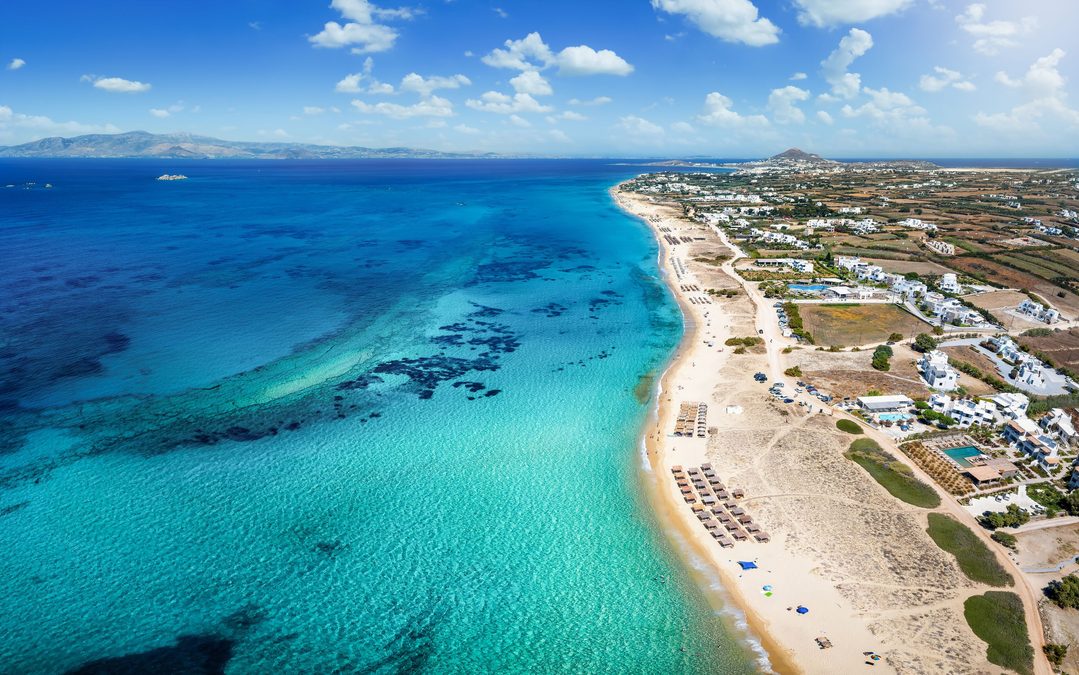
The beaches of Naxos are among its strongest attractions. Agios Prokopios and Agia Anna are convenient choices for travelers who want clear water, restaurants, accommodation, and easy access from Chora. Plaka extends into a longer stretch of golden sand and generally feels more spacious, making it particularly appealing for travelers who prefer a relaxed beach day.
Further south, beaches such as Mikri Vigla and Alyko provide different atmospheres and impressive coastal scenery. Conditions vary with the wind, particularly during the summer meltemi season, so beach selection can depend on both personal preference and the day’s weather. The solution to a common problem—arriving at a beach only to discover uncomfortable wind—is simple: check local conditions and remain flexible.
Chora, Portara, and the Island’s Historic Heart
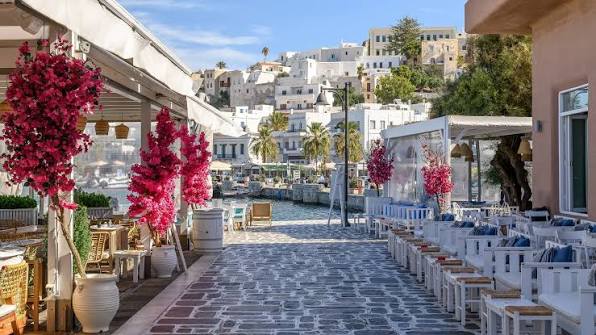
Naxos Chora is the natural starting point for understanding the island. The waterfront leads toward the Portara, the enormous marble gateway of the unfinished Temple of Apollo. At sunset, the monument becomes one of the most recognizable views in the Cyclades, particularly when the surrounding Aegean horizon turns golden.
Behind the waterfront lies a maze of narrow streets, whitewashed buildings, shops, restaurants, and the medieval Kastro district. The Venetian influence is especially visible in the architecture and historic mansions. Exploring on foot is more rewarding than simply photographing the harbor because the character of Chora emerges through small courtyards, churches, stairways, and quiet corners.
Mountain Villages and Traditional Naxos
The interior villages provide a completely different perspective. Halki, Filoti, and Apiranthos are among the best-known settlements, each offering its own architecture and atmosphere. Halki is surrounded by fertile landscapes and is associated with traditional buildings and local food production, while Filoti sits dramatically beneath Mount Zas.
Apiranthos is particularly distinctive for its marble-paved streets and mountain setting. Spending time in these communities helps visitors understand why the island has maintained such a strong agricultural identity. Instead of treating villages as quick photo stops, travelers can sit at a café, visit a small workshop, or enjoy a long lunch and experience a slower rhythm of island life.
Ancient Sites, Mount Zas, and Outdoor Adventures
History is deeply embedded in the landscape. The Temple of Demeter near Sangri is an important ancient monument constructed largely from local marble, while the sanctuary offers insight into religious life in ancient Greece. The site is also a useful reminder that the island’s history extends well beyond the familiar imagery of white houses and blue domes.
Outdoor travelers can explore trails around Mount Zas, the highest point in the Cyclades. Hiking toward the summit provides panoramic views across the island and Aegean Sea, but conditions can become demanding during hot weather. Early starts, adequate water, sun protection, and appropriate footwear make a significant difference. The same principle applies across the island: beautiful scenery does not eliminate the need for sensible preparation.
Local Food and Naxian Products
Food is one of the strongest reasons to spend time beyond the main tourist areas. Naxos has fertile agricultural land and is particularly famous for potatoes, cheeses, citrus products, honey, olives, and locally produced meats. Naxian cheeses such as graviera and arseniko are worth seeking out, especially when served alongside regional dishes.
Traditional tavernas often provide a more authentic culinary experience than restaurants focused entirely on tourist menus. A meal might include local vegetables, grilled meat, cheese, potatoes, fresh seafood, and a glass of Greek wine. One of the pleasures of dining here is that the island’s agricultural landscape is not separate from its cuisine; the food reflects what is actually produced locally.
Best Time to Visit
Late spring and early autumn are excellent periods for exploring Naxos because temperatures are generally comfortable for sightseeing, hiking, and beach activities. May and June can provide a pleasant combination of warm weather and manageable visitor numbers, while September often retains excellent swimming conditions after the peak summer period.
July and August are the busiest months and can be hot, particularly in exposed inland areas. The seasonal winds known as meltemia can also influence swimming and sailing conditions. Travelers planning outdoor activities should therefore consider more than temperature alone and pay attention to wind forecasts when organizing beach days or boat excursions.
Getting Around and Where to Stay
The island is large enough that transportation can shape the quality of a trip. Buses connect Chora with several major beaches and villages, making them useful for travelers staying near the main town. However, a rental car provides considerably more flexibility for reaching mountain villages, archaeological sites, remote beaches, and rural areas.
Accommodation ranges from simple guesthouses and family-run rooms to stylish boutique properties and luxury resorts. Chora is practical for restaurants, nightlife, ferries, and first-time visitors, while beach communities work well for travelers prioritizing swimming and relaxation. Staying inland can provide a quieter experience and closer access to traditional villages.
| Area | Best For | Atmosphere | Main Advantage |
|---|---|---|---|
| Chora | First-time visitors | Lively and historic | Restaurants, Portara, transport |
| Agios Prokopios | Beach holidays | Relaxed and developed | Excellent beach access |
| Agia Anna | Couples and families | Coastal and convenient | Restaurants and swimming |
| Plaka | Long beach days | Spacious and laid-back | Long sandy coastline |
| Halki | Culture and villages | Traditional | Historic architecture |
| Apiranthos | Mountain exploration | Quiet and authentic | Distinctive village character |
Costs, Practical Tips, and Common Mistakes
Naxos can accommodate different budgets, although prices generally rise during the peak summer season. Travelers can control expenses through family-run accommodation, local tavernas, public transportation, and free outdoor activities such as hiking and beach visits. Private boat trips, luxury hotels, and premium dining naturally increase the overall cost.
A common planning mistake is staying entirely in Chora and assuming that the island can be understood from its waterfront. Another is trying to visit too many beaches in one day. The better solution is to divide the island geographically, allowing time for a village meal or archaeological stop along the way. This makes transportation part of the experience rather than an interruption between attractions.
How to Experience Naxos Beyond the Tourist Trail
The most memorable experiences often happen when travelers slow down. Visit a village market, stop at a family-run taverna, walk through agricultural landscapes, or spend an afternoon exploring a quiet inland road. These moments reveal the everyday character that can disappear when a trip becomes focused entirely on famous landmarks.
The island also rewards repeat visits because its character changes with the season. A summer trip may emphasize beaches and water activities, while spring or autumn can be better suited to hiking, village exploration, and food-focused travel. Instead of measuring the trip by the number of attractions visited, measure it by how much of the island’s landscape and culture you actually experienced.
Frequently Asked Questions
How many days are enough for Naxos?
Four to five days provide enough time to experience the main beaches, Chora, Portara, several villages, local food, and at least one archaeological or hiking attraction. A week allows a considerably slower pace and makes it easier to explore both the coast and mountainous interior.
Is Naxos good for families?
Yes. The island has numerous sandy beaches with relatively shallow areas, family-friendly accommodation, restaurants, and activities suitable for different ages. Families can combine relaxed beach days with short village visits and cultural attractions without needing an overly complicated itinerary.
Is Naxos expensive compared with other Greek islands?
Costs vary by season and travel style. It can be more affordable than some highly sought-after Cycladic destinations, particularly when travelers choose local restaurants and smaller accommodations. Peak summer demand can still make hotels and transportation considerably more expensive.
What is Naxos best known for?
Naxos is known for its beaches, Portara, mountain villages, ancient sites, local cheese, agricultural products, hiking opportunities, and traditional Cycladic culture. Its combination of fertile countryside and dramatic coastline distinguishes it from islands that focus primarily on resort tourism.
Is Naxos easy to explore without a car?
Yes, especially if the trip focuses on Chora and the major coastal areas served by public buses. However, a car is considerably more convenient for exploring remote beaches, mountain villages, archaeological sites, and inland landscapes. Travelers relying on buses should plan around schedules rather than assuming services operate continuously.
What food should visitors try in Naxos?
Local specialties worth seeking include Naxian cheeses, potatoes, grilled meats, fresh seafood, traditional vegetable dishes, honey, and regional desserts. Eating seasonal products in a traditional taverna provides a stronger connection to the island’s agricultural heritage than relying exclusively on international-style restaurants.
Conclusion
Naxos combines the classic beauty of the Cyclades with something deeper: a productive countryside, historic villages, ancient monuments, excellent food, dramatic mountains, and beaches that can occupy an entire day without feeling repetitive. That diversity makes the island particularly satisfying for travelers who want both relaxation and discovery.
The smartest approach is to build a flexible itinerary around the island’s natural rhythm. Give Chora enough time to explore properly, dedicate days to the beaches, venture into the mountain villages, taste local products, and leave space for unexpected stops. The final takeaway is simple: Naxos is not merely a beach destination; it is a complete Greek island experience where landscape, history, food, and local life come together.