



Discovering Bern: Switzerland’s Historic Capital
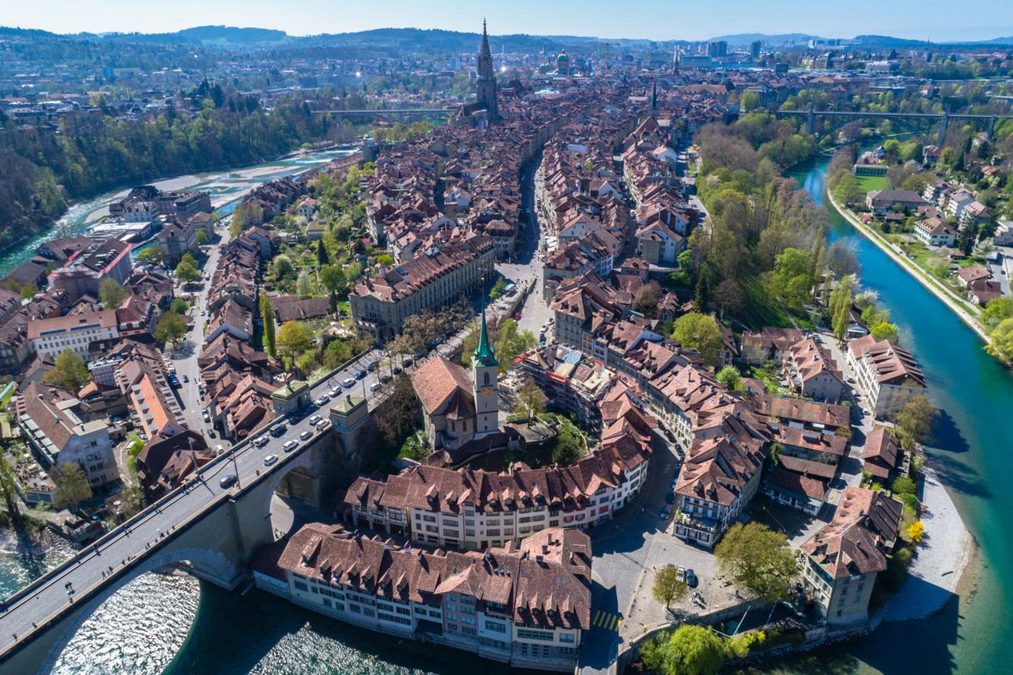
Bern is Switzerland’s federal city and one of Europe’s most charming historic destinations. Located in the canton of Bern, along a distinctive bend in the turquoise Aare River, it is famous for its medieval architecture, covered shopping arcades, historic fountains, and relaxed atmosphere. Unlike some larger European capitals, the city combines political importance with a compact, walkable center that makes sightseeing straightforward.
The historic center, known as the Old City, is a UNESCO World Heritage Site recognized for its remarkably preserved medieval urban layout. Sandstone buildings, narrow cobbled streets, colorful fountains, and landmark towers create an atmosphere that feels connected to centuries of Swiss history. At the same time, modern restaurants, independent shops, museums, and cultural spaces give the city a lively contemporary character.
Whether you are visiting for a weekend, including it in a wider Swiss itinerary, or using it as a base for exploring the surrounding countryside, the city offers a rewarding mixture of culture, architecture, food, and outdoor experiences.
Exploring the UNESCO-listed Old Town

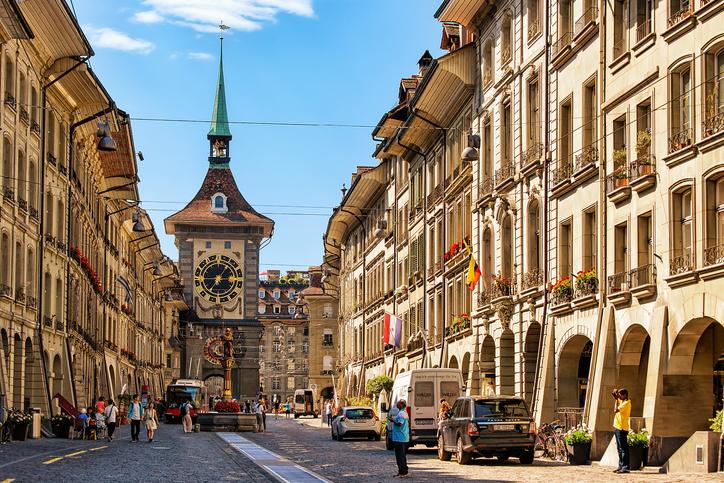
The Old Town is the natural starting point for any visit. Its medieval streets follow the contours of the Aare River peninsula, creating a distinctive urban landscape filled with sandstone buildings, historic courtyards, and long covered arcades. These arcades, locally known as Lauben, extend for several kilometers and provide sheltered walking and shopping areas throughout the city center.
Walking along Kramgasse and Gerechtigkeitsgasse reveals some of the area’s most recognizable architecture. Historic houses feature ornate facades, painted details, traditional shopfronts, and cellars that have been transformed into boutiques, cafés, and restaurants. The combination of preserved architecture and everyday city life makes the historic district particularly enjoyable to explore slowly.
The Old Town is not simply an outdoor museum. Residents continue to use its streets, markets, public squares, and shops as part of everyday life. Visitors can appreciate the architecture while stopping for coffee, browsing independent stores, or enjoying traditional Swiss food.
Zytglogge: The Famous Medieval Clock Tower
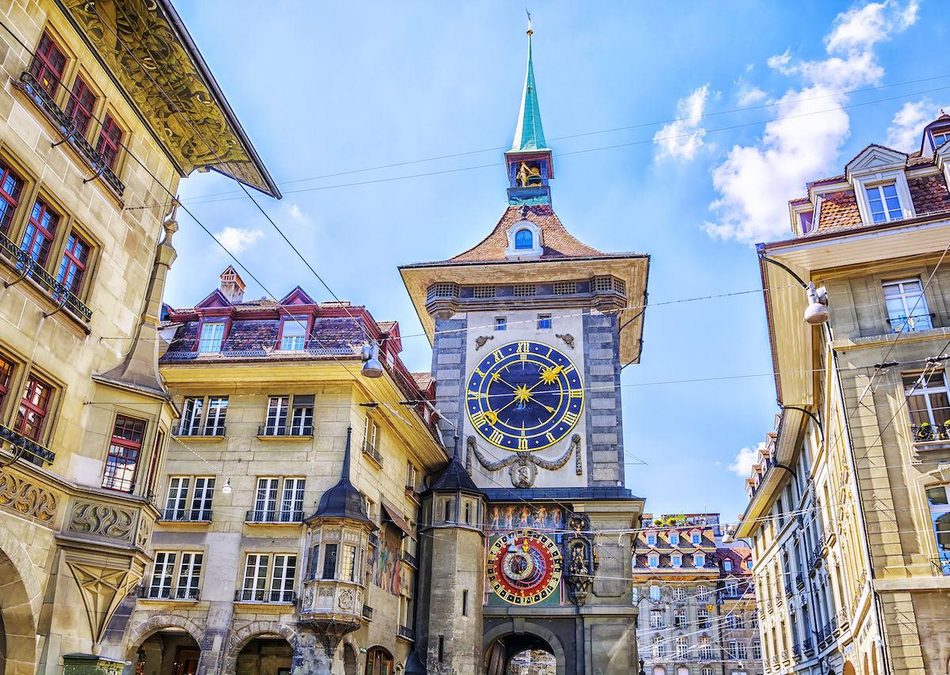
The Zytglogge is one of Switzerland’s best-known historical landmarks. This medieval clock tower originally served as part of the city’s western fortifications and later became an important timekeeping structure. Its astronomical clock and moving mechanical figures make it one of the most fascinating attractions in the historic center.
The clock’s hourly performance draws visitors who gather shortly before the hour to watch its mechanical figures move. Its astronomical dial also displays information about celestial cycles, reflecting the historical importance of astronomy and mechanical craftsmanship in European urban life.
Visitors interested in the tower’s history can look into guided tours that explain its construction, restoration, and clock mechanism. Even without entering, the surrounding streets provide excellent opportunities for architectural photography.
Federal Palace and Switzerland’s Political Heritage
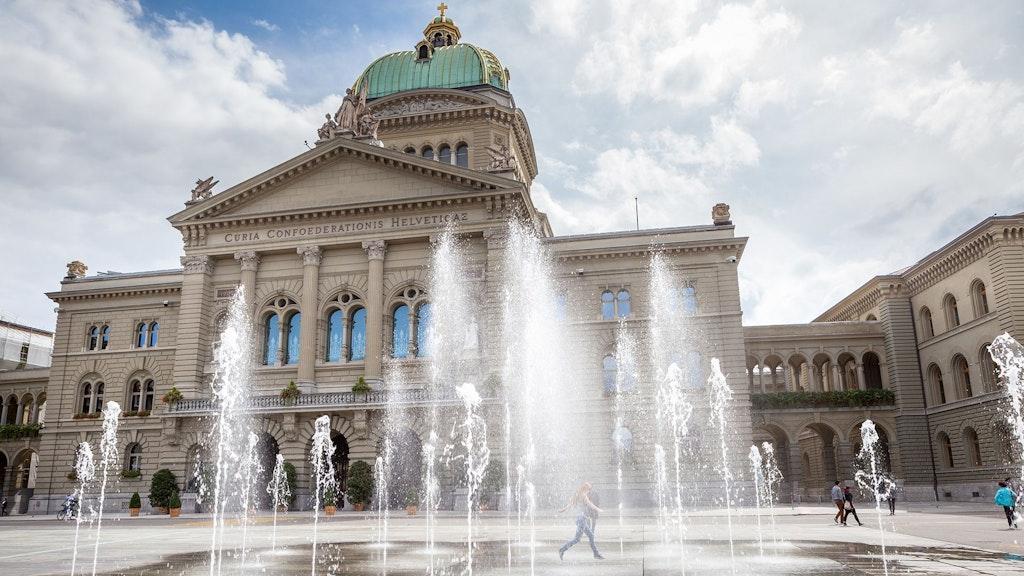
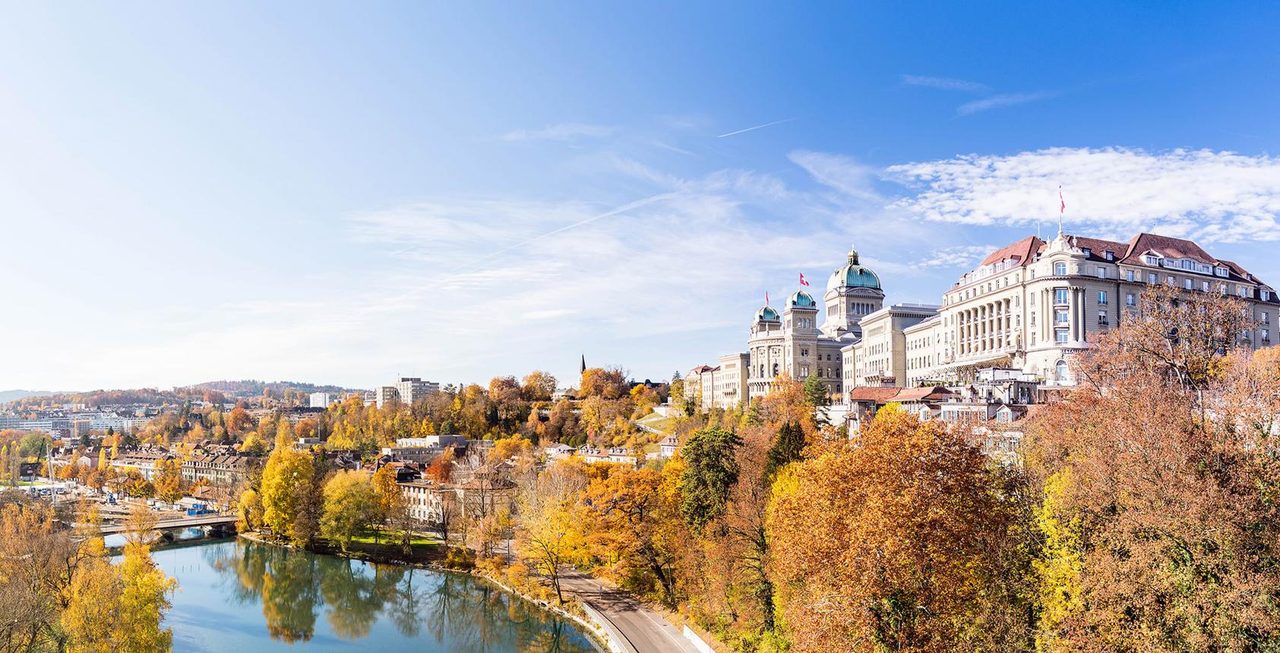
The Federal Palace of Switzerland is the home of the Swiss Federal Assembly and Federal Council. Known locally as the Bundeshaus, this impressive building overlooks the city and represents the country’s political identity. Its architecture combines monumental design with decorative details that reflect Switzerland’s history, regions, and national institutions.
The Parliament Square in front of the building is a popular public gathering space. Its water fountains, open surroundings, and impressive facade make it an attractive stop for visitors. When Parliament is not in session, guided tours may provide an opportunity to explore parts of the building and learn about Switzerland’s political system. Availability and booking requirements should be checked in advance.
Understanding the country’s federal structure adds context to the visit. Switzerland is made up of cantons with substantial responsibilities, and its political system emphasizes direct democracy, collective decision-making, and regional representation.
Rose Garden: Panoramic Views Over the City
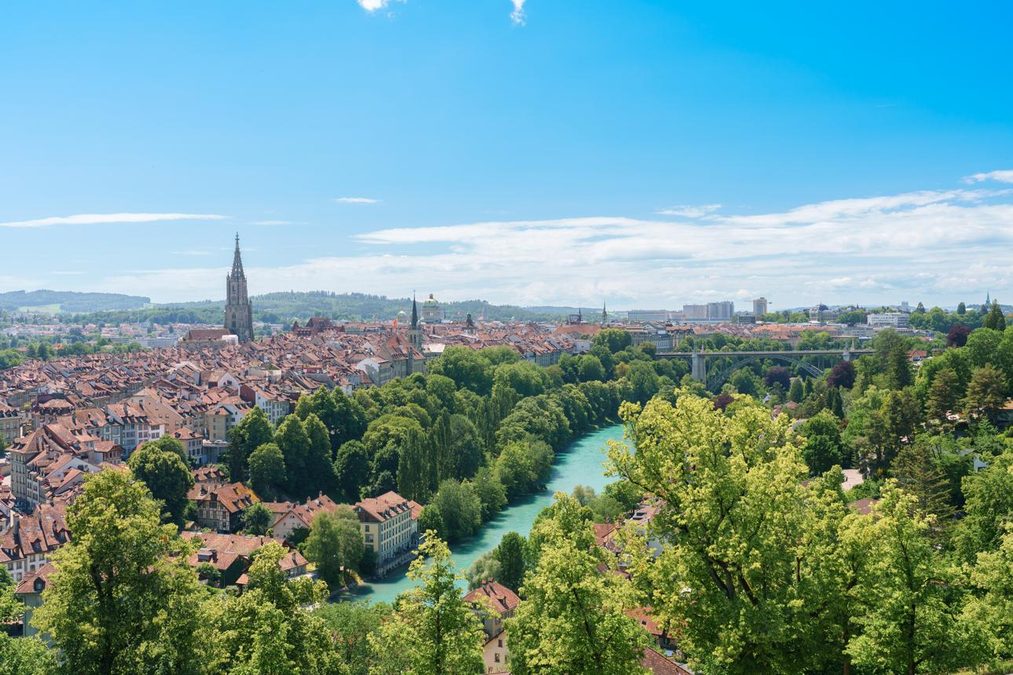
The Rosengarten is one of the best places to enjoy panoramic views of the historic center. Located on elevated ground across the Aare from the Old Town, this landscaped garden offers an impressive perspective of sandstone rooftops, church towers, bridges, and the river peninsula.
The garden contains numerous varieties of roses, along with other flowering plants and shaded seating areas. During warmer months, it becomes an inviting place to relax after sightseeing. Its elevated position also makes it particularly popular with photographers who want to capture the city’s distinctive skyline.
For the best experience, visit in the late afternoon when the light creates softer tones across the historic buildings. The garden is also a pleasant place for a picnic, especially for travelers who want a peaceful break without leaving the city.
Bear Park and the Aare River

The BärenPark is one of the city’s most recognizable attractions. Bears have a long association with local history and symbolism, and the animal appears in the city’s coat of arms. The park provides a naturalistic riverside environment where visitors may observe bears when they are active and visible.
Animal welfare should remain a priority when visiting. The park is designed to provide space and appropriate care, but sightings are not guaranteed. Visitors should follow posted instructions, avoid feeding wildlife, and keep a respectful distance.
Nearby, the Aare River creates another defining feature of the city’s landscape. Its striking turquoise color, riverside walking paths, and bridges make it an attractive area for outdoor exploration. During summer, experienced swimmers sometimes enter the river at designated access points, but the current can be powerful. Visitors unfamiliar with local conditions should avoid swimming in unfamiliar sections and follow official safety advice.
Museums, Art, and Cultural Attractions
The city has an impressive cultural scene for its size. One of its leading attractions is the Zentrum Paul Klee, dedicated to the life and work of the Swiss-born artist Paul Klee. Its distinctive architecture, designed by Renzo Piano, houses an extensive collection and exhibitions exploring modern art.
The Bern Historical Museum provides a broader understanding of regional history, archaeology, and cultural development. It also includes the Einstein Museum, which explores the life and scientific achievements of Albert Einstein, who spent important years in the city.
Art enthusiasts can also visit the Kunstmuseum Bern, one of Switzerland’s major art museums. Its collections include works from different periods, offering opportunities to explore Swiss and international artistic traditions.
Museum visits are particularly useful during rainy weather or colder months. Rather than treating them as optional extras, travelers can include one or two cultural attractions in their itinerary to understand the city’s historical and artistic identity more deeply.
Swiss Food, Restaurants, and Local Specialties

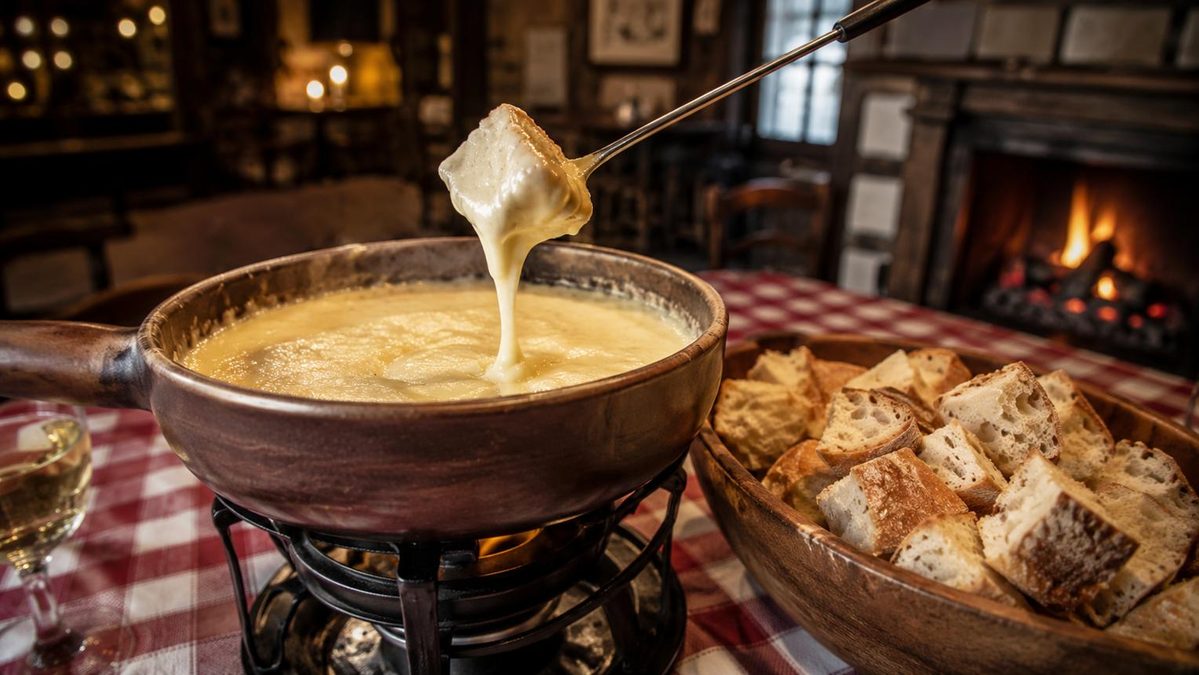

Food is an important part of experiencing the region. Traditional Swiss cooking combines hearty ingredients, regional cheeses, potatoes, meats, and seasonal produce. Visitors can find everything from traditional restaurants serving local specialties to modern cafés and international dining options.
One of the best-known regional dishes is Berner Platte, a substantial meal traditionally featuring different meats and sausages served with sauerkraut, beans, or potatoes. Rösti, made from grated and fried potatoes, is another classic Swiss favorite. Cheese fondue is especially popular during colder months, while Swiss chocolate and pastries provide excellent options for a lighter treat.
Markets and independent bakeries are also worth exploring. They offer opportunities to sample local products and discover everyday Swiss food culture beyond formal restaurant dining. Prices can be relatively high, so travelers on a budget may find bakery lunches, supermarket meals, and casual cafés useful alternatives.
Best Time to Visit and Seasonal Experiences
The city can be visited throughout the year, but each season offers a different atmosphere. Summer is especially appealing for outdoor sightseeing, river walks, garden visits, and open-air events. Longer daylight hours also make it easier to combine the Old Town with nearby countryside excursions.
Spring brings flowering gardens and comfortable walking temperatures, while autumn offers cooler weather and attractive seasonal colors. Winter creates a quieter atmosphere, with festive decorations and Christmas markets adding seasonal charm. However, shorter daylight hours and colder conditions mean visitors should plan outdoor activities accordingly.
| Season | Typical experience | Best activities |
|---|---|---|
| Spring | Mild temperatures and blooming gardens | Walking tours and museums |
| Summer | Warm weather and longer days | River walks, gardens, outdoor dining |
| Autumn | Cooler air and seasonal scenery | Photography and cultural visits |
| Winter | Cold weather and festive atmosphere | Museums, cafés, Christmas markets |
For many first-time visitors, May through September offers a convenient balance for sightseeing and outdoor activities. However, checking the forecast before departure is important because Swiss weather can change quickly.
Getting Around and Planning Your Journey

The historic center is compact, making walking one of the easiest ways to explore. Many major landmarks are close together, and the covered arcades provide shelter during rain or snow. Comfortable walking shoes are recommended because some streets are cobbled and gently sloping.
Public transportation includes trams, buses, and regional trains. The Bern Hauptbahnhof is a major transport hub, connecting the city with destinations across Switzerland. Travelers arriving from Zurich, Geneva, Basel, or Interlaken can generally reach the city through the national rail network.
The Bern Ticket may be available to eligible overnight guests through participating accommodation providers. It can offer free public transportation within designated zones during the stay, subject to current conditions. Check with your hotel before purchasing separate tickets.
Day Trips and Scenic Excursions Around Bern
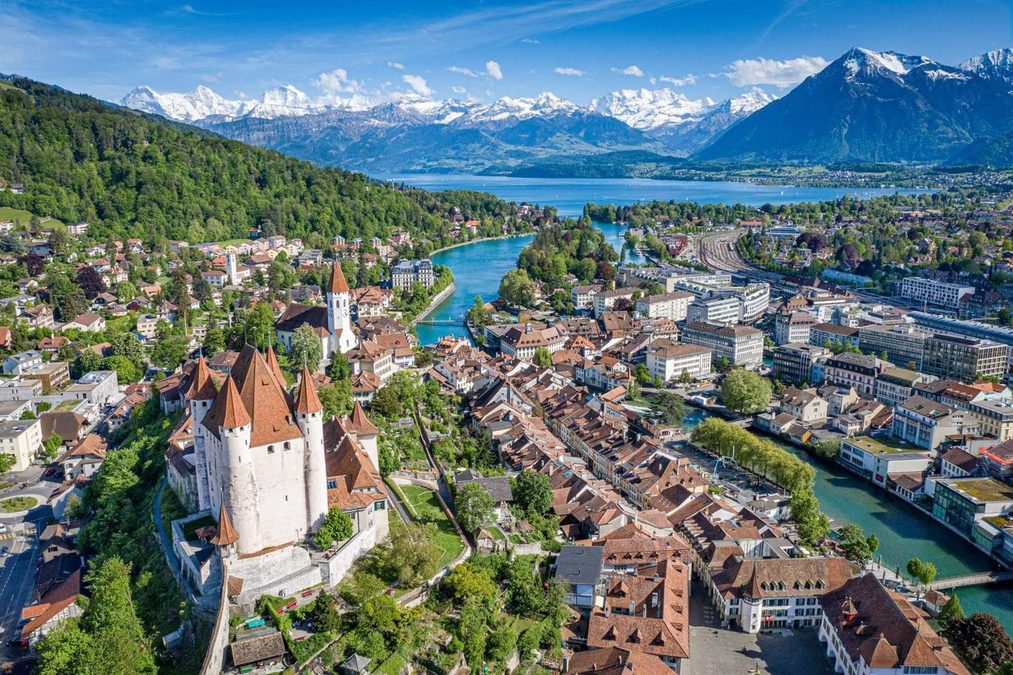
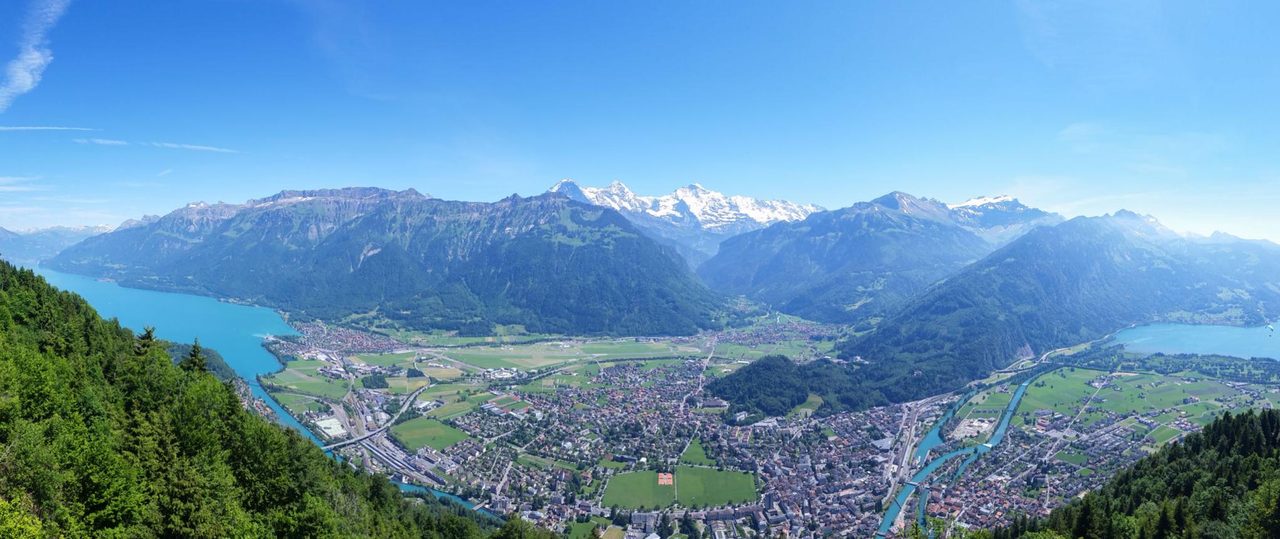
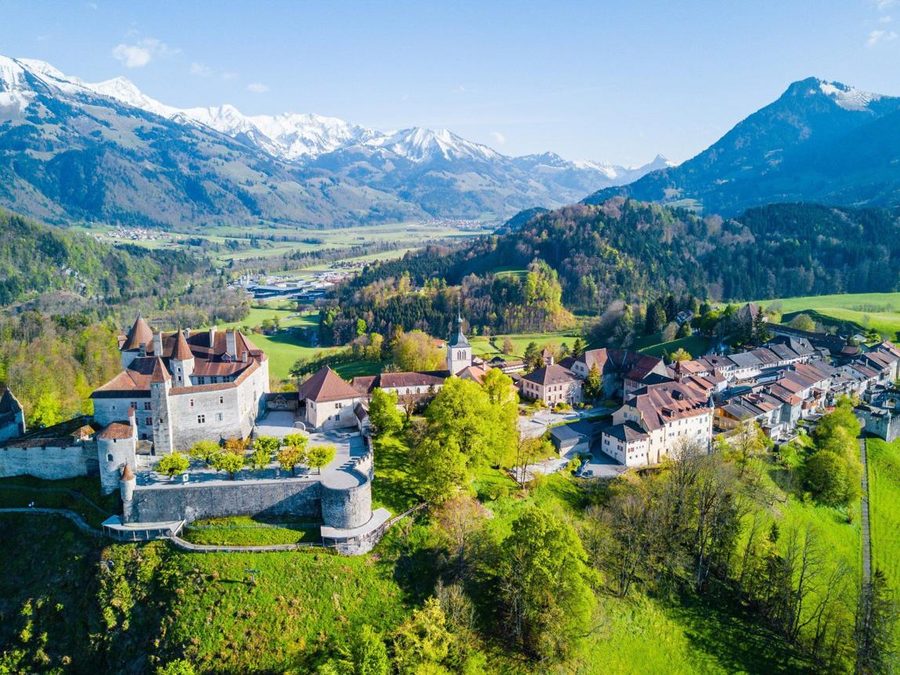
The surrounding region makes an excellent base for exploring more of Switzerland. Thun is a particularly appealing day trip, known for its medieval old town, castle, and lakeside setting. Its combination of historic architecture and mountain scenery offers a different atmosphere from the federal city.
Another popular destination is Interlaken. Positioned between two lakes and surrounded by Alpine landscapes, it provides access to mountain excursions, outdoor activities, and spectacular viewpoints. Travelers with additional time can also consider the medieval village of Gruyères, famous for its castle and cheese-making heritage.
For a quieter countryside experience, the Emmental region is known for rolling green hills, traditional farmhouses, and rural scenery. These excursions demonstrate how easily a city-focused holiday can be combined with Switzerland’s natural landscapes.
Travel Costs, Practical Tips, and Common Challenges
Switzerland is generally an expensive destination, and accommodation, dining, transport, and sightseeing can add up quickly. A useful approach is to plan the largest expenses first, particularly hotels and intercity travel. Booking train tickets in advance when appropriate and checking available travel passes can help manage costs.
One common challenge is underestimating the cost of restaurant meals. Travelers can reduce spending by using supermarkets, bakeries, and casual lunch options. Another issue is trying to visit too many attractions in a short period. Since the historic center is compact, a relaxed walking itinerary often provides a better experience than constantly using transportation.
Practical preparations also matter. Carry a payment card, keep some Swiss francs for smaller purchases, check museum opening hours, and pack layers even during summer. Switzerland is not part of the European Union, and its currency is the Swiss franc (CHF), not the euro.
FAQs About Bern
Is Bern worth visiting in 2026?
Yes. Its UNESCO-listed Old Town, medieval architecture, museums, river scenery, and relaxed atmosphere make it one of Switzerland’s most rewarding city destinations. It is particularly suitable for travelers who enjoy history, culture, photography, and walkable European cities.
How many days are enough to explore Bern?
Two full days are enough to see the main landmarks, including the Zytglogge, Federal Palace, Rose Garden, Bear Park, and selected museums. Three days provide additional time for relaxed sightseeing, local food experiences, and a possible day trip to Thun or another nearby destination.
What is Bern famous for?
The city is best known for its medieval Old Town, Zytglogge clock tower, covered arcades, Bear Park, and distinctive location along the Aare River. It is also Switzerland’s federal city and has important political, cultural, and historical significance.
Is Bern expensive for tourists?
Yes, Switzerland has a relatively high cost of living, and visitors should expect accommodation, dining, and transportation to be more expensive than in many European destinations. Planning ahead, using public transport efficiently, and choosing affordable dining options can help control costs.
What is the best time to visit Bern?
May through September is generally popular because of comfortable sightseeing conditions, longer daylight hours, and opportunities for outdoor activities. December is appealing for visitors interested in winter scenery and Christmas markets, although temperatures are colder.
Can you swim in the Aare River?
Swimming is a popular summer activity among experienced locals, but the river has strong currents and can be dangerous. Visitors should only use officially recommended access points, understand local safety guidance, and avoid entering the water if unfamiliar with river swimming.
Is Bern a good base for exploring Switzerland?
Yes. Its central railway connections make it convenient for visiting other Swiss destinations. Travelers can plan excursions to Thun, Interlaken, and other regional attractions while enjoying the city’s historic center as their main accommodation base.
Conclusion: Experience the History and Beauty of Switzerland’s Federal City
Bern brings together medieval architecture, Swiss political heritage, cultural attractions, regional cuisine, and beautiful natural scenery in one remarkably accessible destination. From watching the Zytglogge clock perform its hourly display to enjoying panoramic views from the Rose Garden, its attractions offer a satisfying blend of history and everyday life.
The city’s greatest strength is its balance. Visitors can spend the morning exploring historic streets, enjoy a traditional Swiss lunch, visit an art museum in the afternoon, and finish the day beside the Aare River. With careful planning, it is also an excellent starting point for discovering lakes, Alpine landscapes, and charming neighboring towns.
Ultimately, the most rewarding way to experience this Swiss destination is to slow down and appreciate its details. Beyond the famous landmarks, its covered arcades, quiet courtyards, local food, and riverfront scenery reveal the character that makes Switzerland’s federal city so memorable.