



Discovering Tulum and Its Unique Caribbean Charm
Tulum is one of Mexico’s most distinctive Caribbean destinations, combining white-sand beaches, turquoise water, ancient Mayan heritage, tropical jungle, and a vibrant hospitality scene. Located on the Yucatán Peninsula in Quintana Roo, along Mexico’s Riviera Maya, it attracts travelers looking for more than a conventional beach holiday. Visitors can explore archaeological sites overlooking the sea, swim in freshwater cenotes, discover traditional Mexican food, and enjoy boutique hotels surrounded by tropical vegetation.
What makes the destination particularly interesting is the contrast between its different environments. The beachfront area is known for stylish resorts, beach clubs, and restaurants, while the town center offers a more everyday Mexican atmosphere, with local markets, affordable accommodation, and independent eateries. Beyond both areas, the surrounding jungle contains natural swimming holes, archaeological remains, and quieter communities.
Whether you are planning a romantic escape, a family holiday, an adventure-focused trip, or a longer stay in the Mexican Caribbean, understanding the destination’s geography, seasons, transportation, and costs can help you make better decisions.
Best Things to Do in Tulum

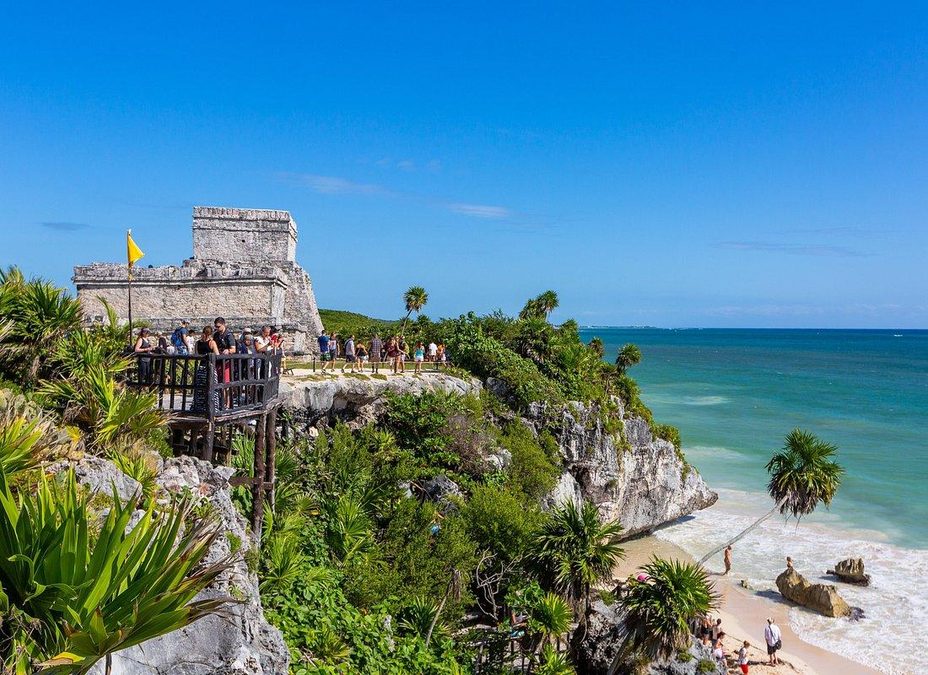

The main attraction is the coastline, where pale sand, palm trees, and clear Caribbean water create a memorable tropical setting. Travelers can spend time swimming, sunbathing, snorkeling, or enjoying beachfront restaurants. Playa Paraíso is among the best-known beaches, offering beautiful scenery and access to the coastal atmosphere that has made the region internationally popular.
However, the experience extends well beyond the beach. Visitors can explore archaeological landmarks, freshwater cenotes, nature reserves, and traditional towns. A balanced itinerary might include a morning at the ruins, an afternoon swimming in a cenote, and an evening sampling regional Mexican dishes.
Some of the most rewarding experiences include:
- Exploring the ancient archaeological zone.
- Swimming in natural limestone cenotes.
- Visiting the Sian Ka’an Biosphere Reserve.
- Snorkeling in the Caribbean Sea.
- Discovering local markets and Mexican restaurants.
- Enjoying cycling routes and jungle surroundings.
The best approach is to avoid filling every day with activities. Allowing time to experience the coastline and local atmosphere often makes a holiday more enjoyable than rushing between attractions.
Tulum Archaeological Zone and Mayan History
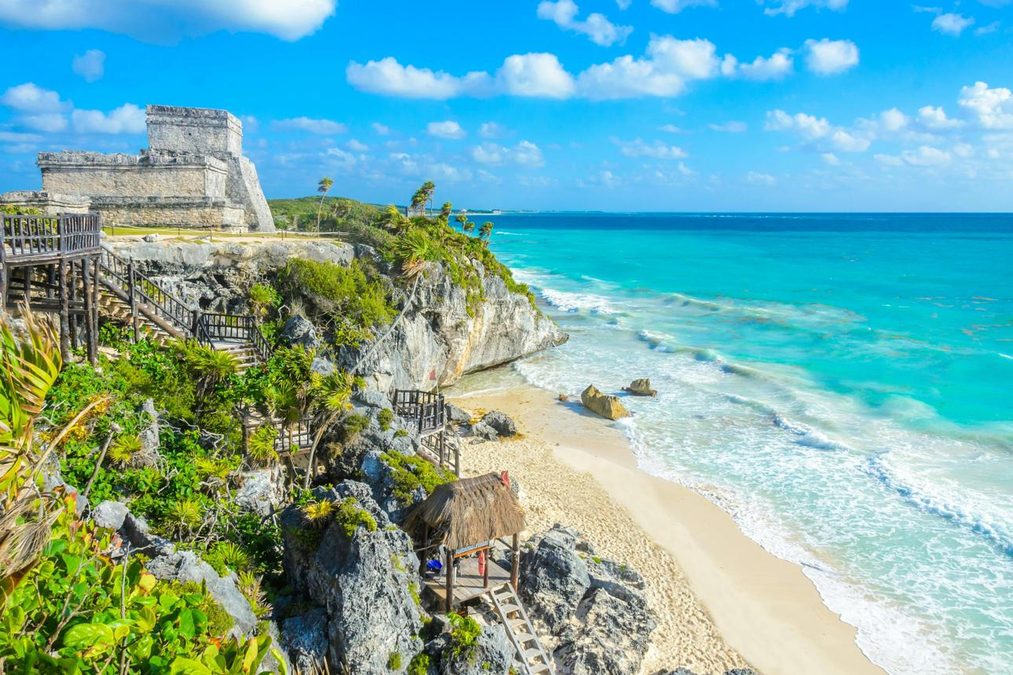
The archaeological zone is one of the region’s most significant cultural attractions. Positioned on a coastal cliff, the ancient walled settlement overlooks the Caribbean Sea and provides a remarkable combination of historical architecture and natural scenery. Its most recognizable structure, El Castillo, stands prominently above the shoreline.
The settlement was an important trading and ceremonial center during the late Postclassic period of Mayan civilization. Its coastal location helped connect regional trade networks, while its defensive walls distinguished it from many other Mayan sites. The surrounding structures provide insight into religious practices, architecture, and everyday life in the ancient community.
A visit is especially rewarding when combined with a little historical preparation. Understanding the importance of Mayan trade, astronomy, agriculture, and coastal navigation makes the ruins more meaningful. Arriving early can also help visitors avoid the strongest midday heat and larger tour groups.
Respect for the archaeological environment is essential. Follow designated paths, avoid touching fragile structures, and observe site regulations. A qualified local guide can provide historical context that is difficult to appreciate through photographs alone.
The Best Beaches and Coastal Experiences
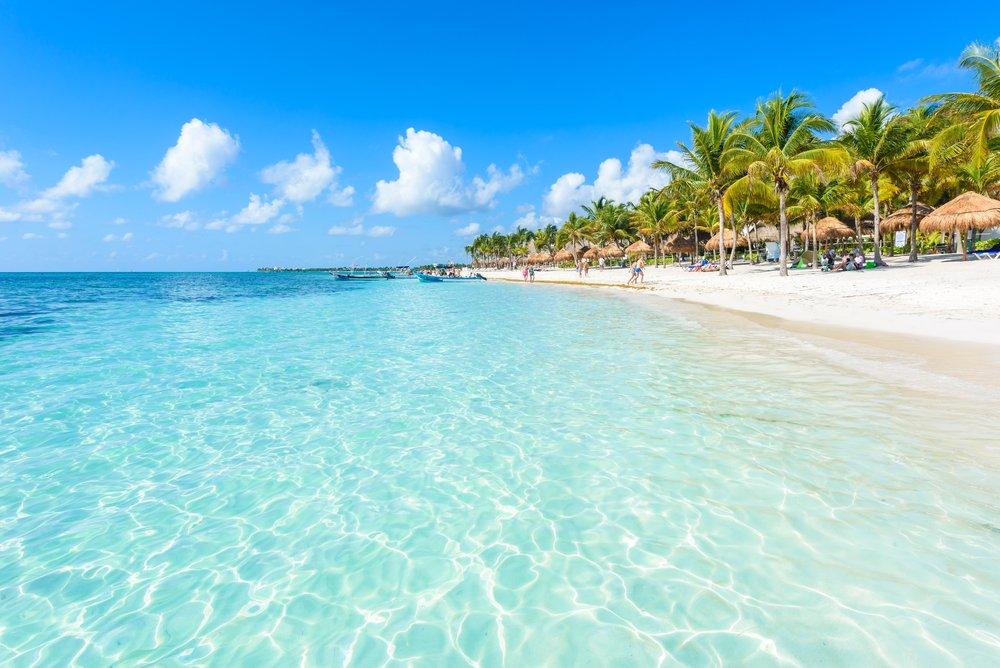


The coastline is famous for its soft white sand and shades of blue water. Playa Paraíso is a popular choice for travelers seeking beautiful scenery, while Playa Ruinas offers a particularly memorable setting beneath the archaeological cliffs. Other stretches of coastline provide opportunities for relaxation, swimming, and beachfront dining.
Beach conditions can change throughout the year. Seaweed, particularly sargassum, sometimes accumulates along the Caribbean shoreline, affecting swimming conditions and the appearance of beaches. Its arrival varies with weather patterns, ocean currents, and seasonal conditions, so a beach that looks perfect in one month may be less appealing in another.
A practical solution is to check recent beach reports before choosing accommodation or arranging a full beach day. If seaweed affects the coastline, visitors can explore inland cenotes, archaeological attractions, or nature reserves instead.
Beach clubs also deserve consideration, especially for travelers who prefer organized facilities. However, prices can vary considerably. Check minimum spending requirements, food prices, and access conditions before settling in for the day.
Exploring Cenotes and Natural Swimming Pools
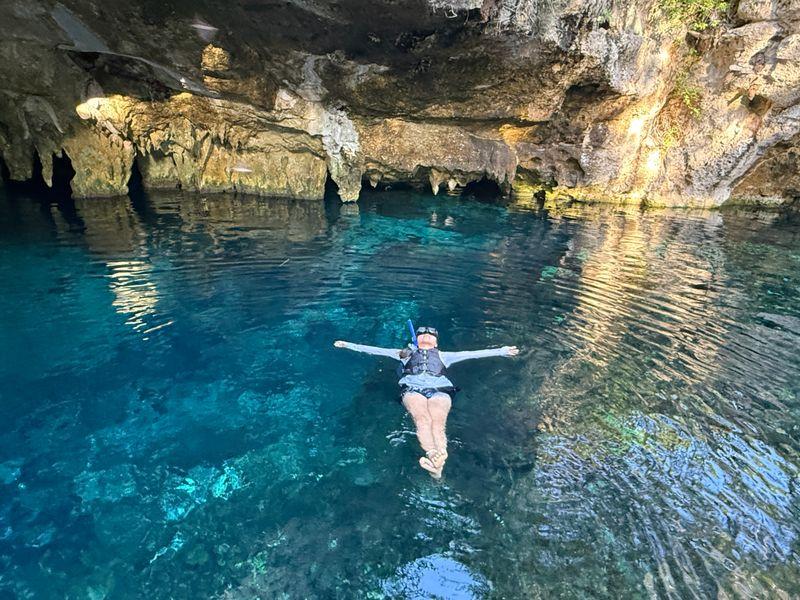

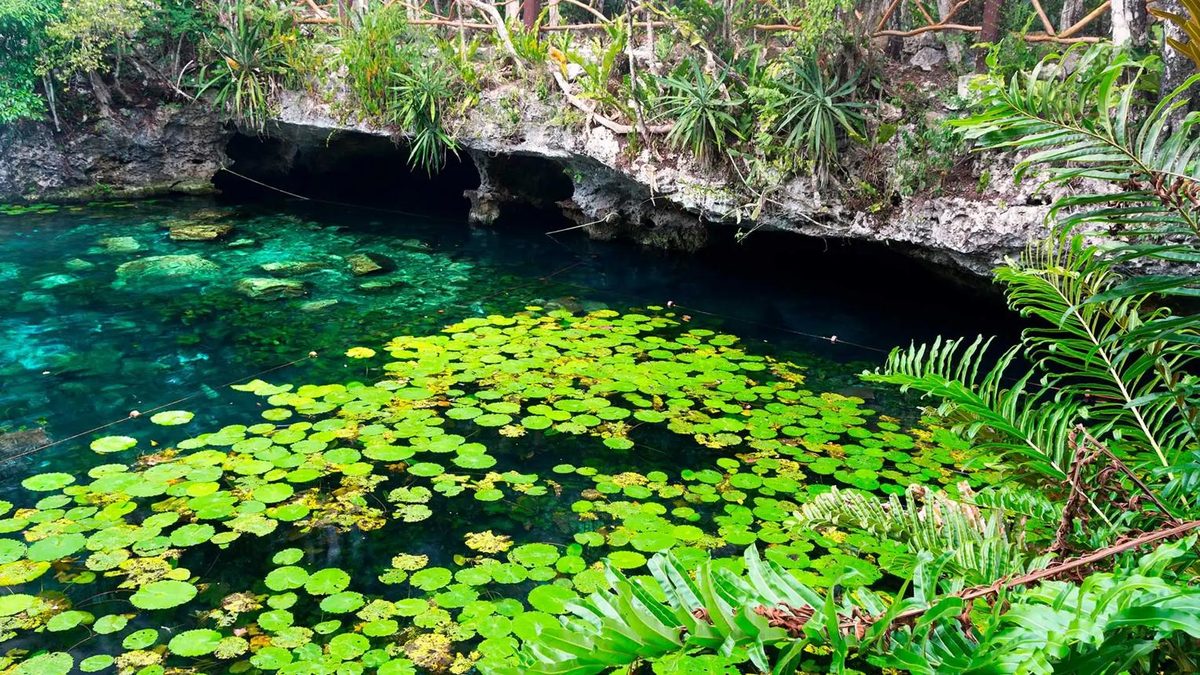
Cenotes are natural freshwater formations created when limestone bedrock collapses or develops openings that expose underground water. They are among the Yucatán Peninsula’s most remarkable natural features and offer a completely different experience from the Caribbean coastline.
Several cenotes are accessible from the area, including Gran Cenote, Cenote Dos Ojos, and Cenote Calavera. Some feature open swimming pools surrounded by vegetation, while others contain caves, underwater passages, and impressive rock formations. Dos Ojos is particularly well known among divers and snorkelers because of its extensive underwater cave system.
Cenotes also have deep cultural importance. Ancient Maya communities regarded many of these freshwater sites as sacred places and important sources of water. Their significance extended into religious traditions and mythology, making them valuable natural and historical attractions.
Visitors should follow environmental guidelines carefully. Avoid applying conventional sunscreen before swimming unless it is permitted by the site, do not touch underwater formations, and never enter restricted cave areas. These ecosystems can be delicate, and responsible tourism helps protect them for future generations.
Sian Ka’an Biosphere Reserve and Wildlife
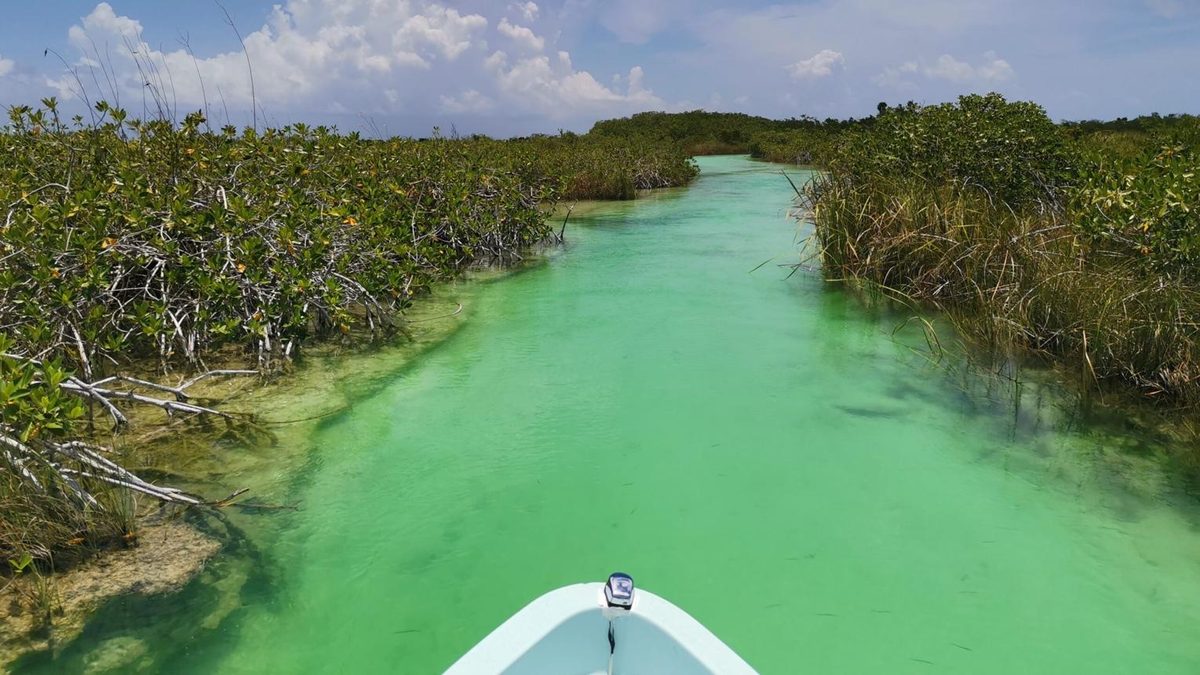
The Sian Ka’an Biosphere Reserve is one of the region’s most important natural areas. Its name means “Origin of the Sky” in the Mayan language, and its protected landscapes include tropical forests, mangroves, wetlands, lagoons, and coastal ecosystems.
The reserve supports diverse wildlife, including birds, reptiles, marine species, and other tropical animals. Depending on the location and season, visitors may encounter dolphins, sea turtles, manatees, and numerous bird species. Boat excursions can provide access to lagoons and waterways that are difficult to explore independently.
This destination is especially suitable for travelers interested in conservation and nature. Choosing responsible tour operators is important because boat traffic, wildlife disturbance, and irresponsible visitor behavior can damage sensitive habitats. Look for operators that follow protected-area regulations and prioritize wildlife observation rather than interaction.
Where to Stay: Hotels, Resorts, and Accommodation

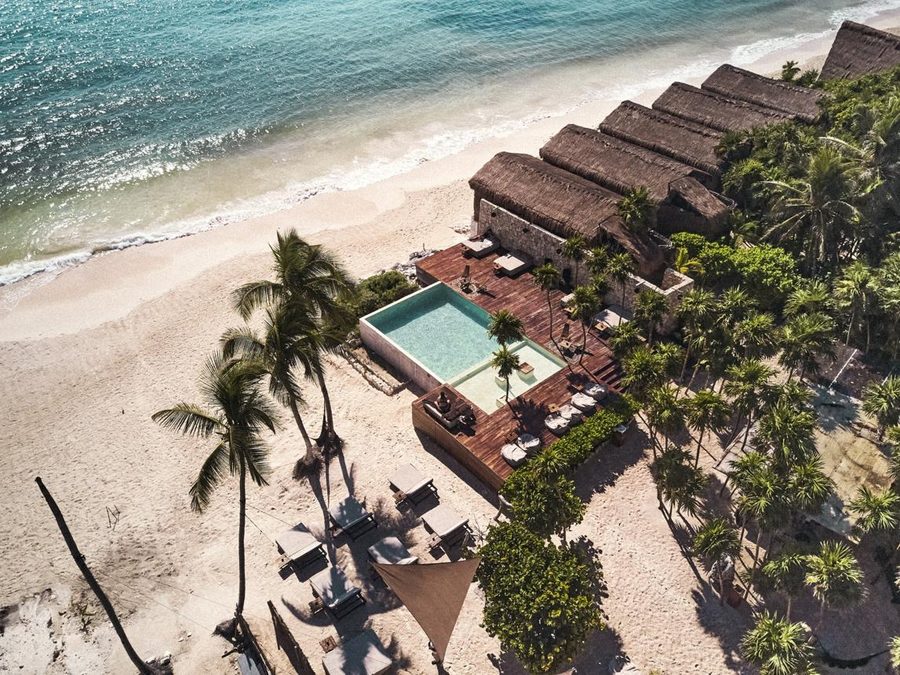

Accommodation is one of the most important decisions when planning a visit. The main options are beachfront hotels, jungle-inspired boutique properties, luxury resorts, and more affordable accommodation in the town center. Each area offers a different balance of convenience, atmosphere, and cost.
The beach zone is attractive for travelers who want direct access to the Caribbean Sea, stylish restaurants, and nightlife. However, accommodation in this area can be expensive, and transportation costs may increase if visitors regularly travel between attractions. Staying in the town center can provide better value, easier access to supermarkets, and a more local atmosphere.
| Accommodation type | Best for | Main consideration |
|---|---|---|
| Beachfront resorts | Luxury and relaxation | Higher prices |
| Boutique jungle hotels | Couples and design lovers | Facilities may be limited |
| Town-center hotels | Budget-conscious visitors | Travel to the beach required |
| Holiday apartments | Families and longer stays | Check location and services |
| Eco-lodges | Nature-focused travelers | Confirm comfort and accessibility |
Before booking, check whether the property includes air conditioning, reliable internet, drinking water, parking, and electricity backup. Some accommodations emphasize eco-friendly design, which may mean fewer conventional facilities. Reading recent reviews can help prevent unpleasant surprises.
Mexican Food, Restaurants, and Local Culture
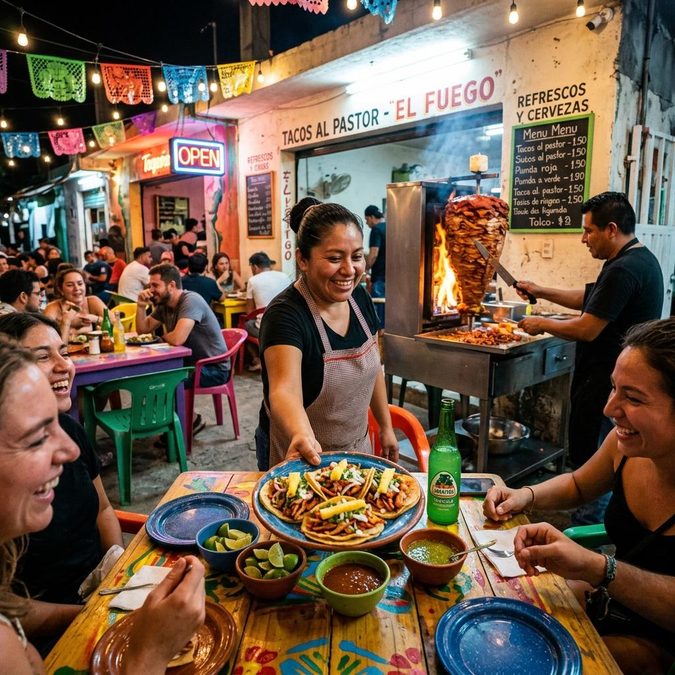
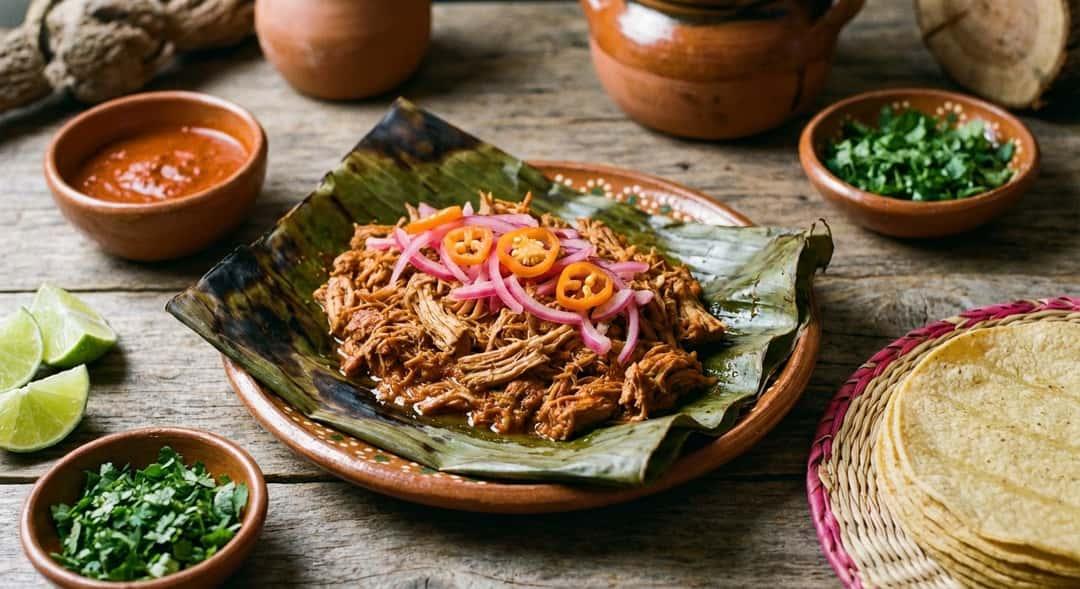
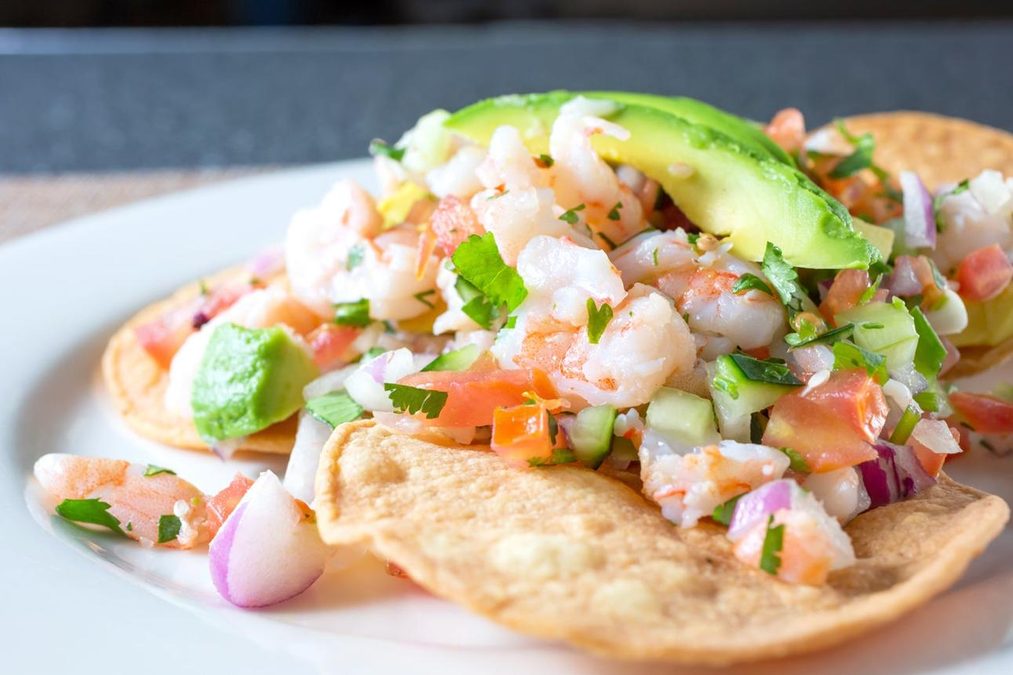
Food is an important part of the local experience. The wider Yucatán region has a distinctive culinary tradition influenced by Mayan ingredients, Spanish history, Caribbean flavors, and modern Mexican cooking. Visitors can find everything from inexpensive street tacos to sophisticated restaurants serving contemporary regional cuisine.
Popular dishes include cochinita pibil, a slow-roasted pork preparation traditionally seasoned with achiote and citrus, and sopa de lima, a fragrant lime-based chicken soup. Fresh seafood, ceviche, grilled fish, tamales, and tacos are also widely available. For dessert, marquesitas are a popular regional street-food treat, often filled with cheese or sweet ingredients.
Travelers should explore beyond the most fashionable restaurants. Small family-run eateries and local markets can offer memorable meals at more accessible prices. Asking about preparation methods and ingredients is particularly useful for people with dietary restrictions.
The local culture also deserves attention. Traditional craftwork, Mayan heritage, regional celebrations, and everyday community life provide a richer perspective than the resort experience alone. Visitors can support local businesses by purchasing handmade products and choosing locally operated tours.
Best Time to Visit and Weather Conditions
The region has a tropical climate, with warm temperatures throughout the year. However, rainfall, humidity, hurricane risk, and seaweed conditions can influence the quality of a holiday. Understanding seasonal differences helps travelers choose a suitable travel window.
The dry season generally runs from November through April, making it a popular period for sightseeing and beach activities. Temperatures remain warm, while rainfall is often lower than during the summer months. December through March can be especially busy, so accommodation and flights may cost more.
The rainy season typically extends from May through October. Afternoon showers and higher humidity are more common, while September and October can bring greater tropical storm and hurricane risks. Sargassum conditions also vary and cannot be predicted reliably from the calendar alone.
| Period | Typical conditions | Travel considerations |
|---|---|---|
| November–April | Generally drier and comfortable | Popular and often more expensive |
| May–June | Hotter and increasingly humid | Potentially better accommodation value |
| July–August | Hot, humid, occasional heavy rain | Check weather and beach conditions |
| September–October | Greater rainfall and storm risk | Maintain flexible travel plans |
For many visitors, January through March offers a comfortable balance for outdoor activities. Nevertheless, the best month depends on budget, personal weather preferences, and tolerance for crowds.
Getting Around and Transportation Tips
Transportation can significantly affect the overall cost and convenience of a holiday. The main options include rental cars, taxis, bicycles, local buses, and organized excursions. The best choice depends on where you stay and how many attractions you plan to visit.
A rental car offers flexibility for exploring cenotes, archaeological sites, and destinations outside the main tourist areas. However, drivers should check insurance coverage, parking arrangements, fuel policies, and local road conditions before booking. Avoid leaving valuables visible inside vehicles.
Bicycles can be useful for relatively short journeys between the town center and nearby attractions, although road conditions, traffic, and heat require caution. Taxis offer convenience but can be expensive for frequent journeys. Agree on the fare before starting a trip when a meter is not used.
The Cancún International Airport is a major arrival point for international visitors. The journey to the destination takes roughly two hours by road, depending on traffic and the exact starting point. Travelers can use airport transfers, buses, or rental vehicles.
Travel Costs, Budget Planning, and Practical Advice
The overall cost of a holiday varies according to accommodation, dining preferences, transportation, activities, and season. Beachfront resorts and upscale restaurants can make the trip considerably more expensive, while staying in town and using local eateries can reduce daily spending.
A useful strategy is to establish a daily budget before departure. Include accommodation, meals, transportation, entrance fees, tours, and a contingency allowance. Some attractions charge separate parking or equipment fees, so confirm the full cost before visiting.
Other practical considerations include carrying Mexican pesos for smaller businesses, keeping valuables secure, drinking safe bottled or properly treated water, and using reputable transportation providers. Travelers should also check current entry requirements, travel insurance coverage, and official weather advisories before departure.
FAQs About Tulum
Is Tulum worth visiting in 2026?
Yes, it can be an excellent destination for travelers interested in Caribbean beaches, Mayan history, cenotes, nature, and Mexican cuisine. Its appeal comes from the combination of coastal relaxation and outdoor exploration. However, accommodation prices, transportation, and seasonal seaweed conditions should be considered when planning.
How many days are enough for Tulum?
Four to five days provide a reasonable amount of time to experience the main attractions. Visitors can explore the archaeological zone, enjoy the beaches, swim in cenotes, and take a nature excursion. A longer stay allows more flexibility and opportunities to discover nearby destinations.
Is Tulum expensive for tourists?
It can be expensive, particularly in the beachfront hotel zone, where luxury accommodation, restaurants, and beach clubs often charge premium prices. Travelers can manage costs by staying in town, eating at local restaurants, using public transportation where practical, and booking activities carefully.
Can you swim in the sea in Tulum?
Swimming is possible along many parts of the coastline, but conditions vary. Waves, currents, weather, and seasonal sargassum can affect beach safety and water quality. Check local conditions and follow lifeguard instructions before entering the sea.
What are the best cenotes to visit near Tulum?
Popular choices include Gran Cenote, Dos Ojos, and Cenote Calavera. Each offers a different environment, from open freshwater swimming areas to cave systems and dramatic limestone formations. Visitors should check access rules, prices, and swimming requirements before arriving.
Is Tulum suitable for families?
Yes. Families can enjoy beaches, cenotes, archaeological attractions, and nature excursions. However, parents should consider the heat, travel distances, water safety, and age restrictions at certain activities. Choosing accommodation with suitable facilities can make the trip more comfortable.
What should travelers pack for a visit?
Lightweight clothing, comfortable walking shoes, swimwear, a reusable water bottle, insect repellent, and sun protection are useful essentials. A waterproof bag can help protect electronics during boat trips and cenote visits. Visitors should also bring suitable footwear for rocky paths and uneven archaeological surfaces.
Conclusion: Planning an Unforgettable Mexican Caribbean Holiday
Tulum offers a distinctive combination of natural beauty, cultural heritage, and contemporary coastal tourism. From ancient Mayan architecture and turquoise beaches to underground freshwater pools and protected tropical landscapes, the destination provides experiences for a wide range of travelers.
A successful trip depends on thoughtful planning. Choosing the right accommodation, understanding seasonal weather, checking beach conditions, and arranging reliable transportation can make a meaningful difference. Exploring local restaurants, respecting archaeological sites, and supporting responsible tourism businesses also creates a more rewarding experience.
Ultimately, the best way to experience this part of Mexico is to look beyond its famous beaches. Its history, natural ecosystems, regional food, and local communities reveal a much deeper destination—one where memorable Caribbean scenery meets the cultural richness of the Yucatán Peninsula.