



Discovering Porto: Portugal’s Beautiful Riverside City
Porto is one of Portugal’s most captivating destinations, known for its historic architecture, colorful riverside neighborhoods, famous port wine, and distinctive cultural identity. Located in northern Portugal along the Douro River, the city combines centuries of history with a lively modern atmosphere. Its UNESCO-listed historic center, traditional cafés, impressive bridges, and atmospheric streets make it an appealing destination for couples, families, solo travelers, and food enthusiasts.
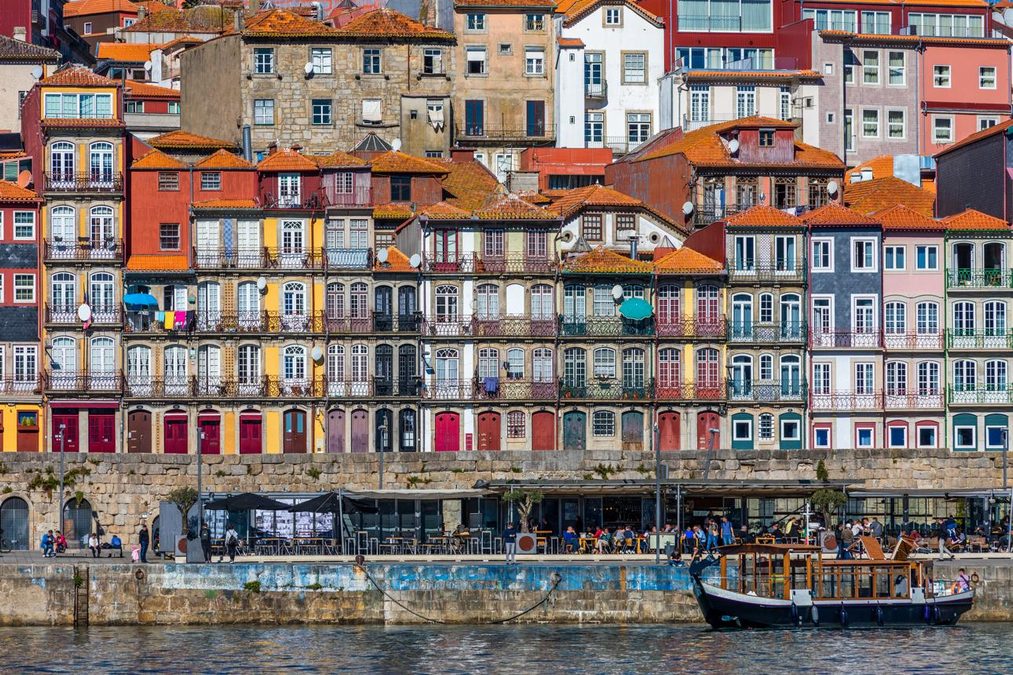
The city’s character is closely connected to the river. For generations, the Douro supported trade and transportation, helping shape the development of local communities and the wine industry. Today, its waterfront remains one of the most recognizable parts of the urban landscape, with traditional buildings, restaurants, boats, and scenic viewpoints creating an unforgettable setting.

Visitors can explore medieval streets in the morning, tour historic wine cellars in the afternoon, and enjoy Portuguese seafood or regional specialties in the evening. The destination is compact enough for a short city break but offers plenty of experiences for travelers who want to stay longer.
Exploring Ribeira and the Historic Old Town
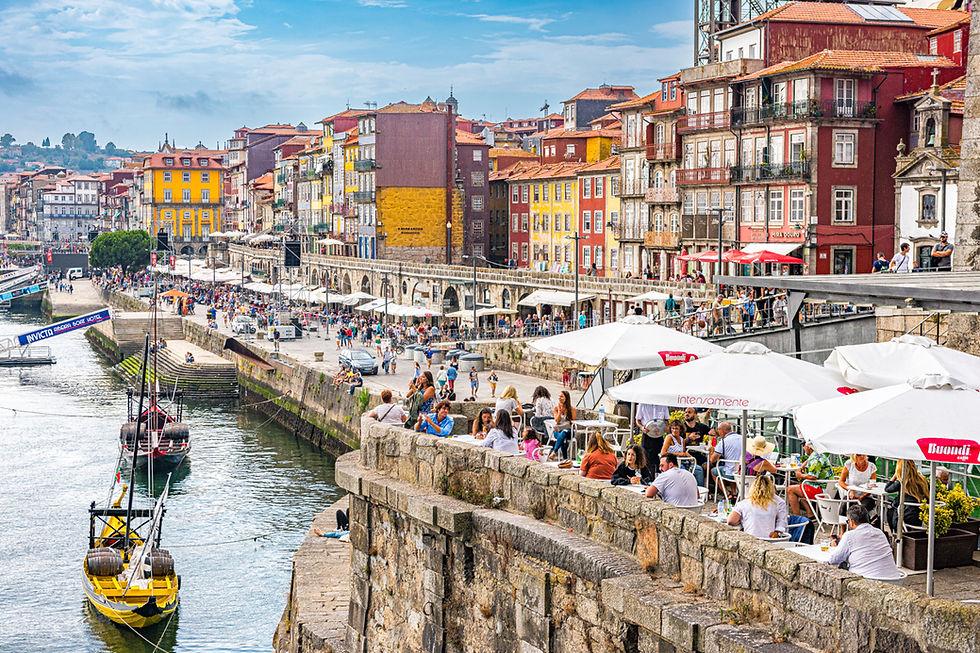
Ribeira is among the most recognizable neighborhoods in the city. Located beside the Douro River, this historic district features colorful buildings, narrow streets, traditional restaurants, and lively waterfront squares. Its distinctive atmosphere reflects the city’s maritime and commercial history, when river trade played an important role in regional development.
Walking through Ribeira is one of the best ways to understand the city’s character. The streets contain historic houses, small shops, traditional cafés, and viewpoints overlooking the river. During the day, visitors can explore the architecture and enjoy outdoor dining, while evenings bring a lively atmosphere as restaurants and bars fill with locals and tourists.
The wider historic center is recognized as a UNESCO World Heritage Site because of its architectural and cultural significance. Its urban landscape combines medieval street patterns, Baroque churches, traditional Portuguese houses, and later architectural influences. Rather than rushing between attractions, allow time to explore the smaller lanes and discover details that are easy to miss on a tightly scheduled tour.
Dom Luís I Bridge and Spectacular Douro River Views

The Dom Luís I Bridge is one of the city’s most famous landmarks. This impressive double-deck metal bridge connects Porto with Vila Nova de Gaia across the Douro River. Its elegant iron structure and sweeping arches have become an iconic feature of the Portuguese skyline.
The bridge was completed in the nineteenth century and reflects the engineering ambitions of that period. Visitors can cross its upper level on foot, enjoying panoramic views of the historic waterfront and surrounding hills. The lower level provides another crossing closer to the river, offering a different perspective of the architecture and boats below.
Sunset is particularly rewarding because the changing light illuminates the riverside buildings and reflects across the water. However, the bridge can become busy during peak tourist periods. Visiting earlier in the morning is a practical alternative for travelers who prefer quieter photography opportunities.
São Bento Railway Station and Its Famous Tiles
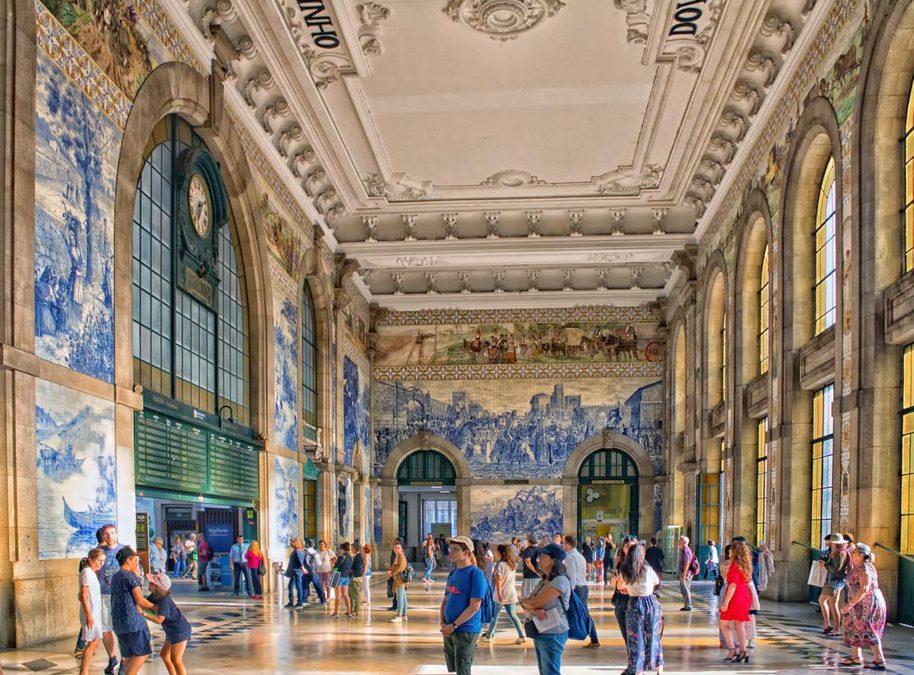
The São Bento Railway Station is much more than a transportation hub. Its interior is decorated with thousands of traditional blue-and-white azulejo tiles depicting important moments from Portuguese history, including battles, royal events, and scenes of everyday life.
The artwork transforms an ordinary railway station into one of the city’s most remarkable cultural spaces. Visitors can enter the main hall to admire the tile panels, even if they are not catching a train. The combination of historical storytelling, intricate craftsmanship, and impressive architecture makes it an essential stop for photography and cultural exploration.
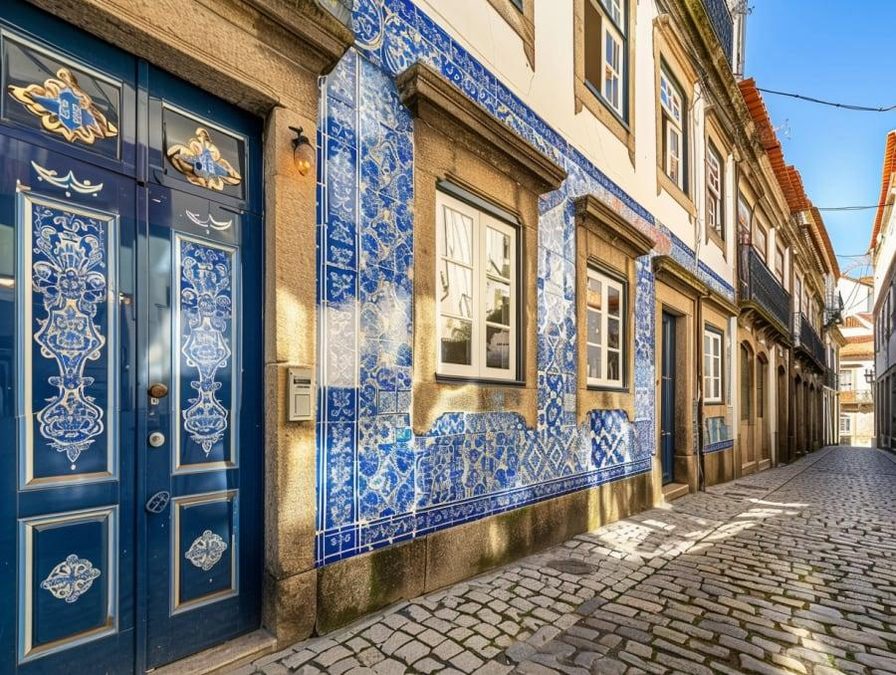
Azulejos are an important feature of Portuguese architectural identity. They appear on churches, residential buildings, railway stations, and public spaces throughout the country. Understanding their decorative and historical role adds another layer of appreciation when exploring the city.
Livraria Lello and the City’s Literary Heritage

The Livraria Lello is one of the most celebrated bookstores in Europe. Its ornate interior features a striking staircase, carved wooden details, decorative ceilings, and colorful stained glass. The building’s distinctive design attracts visitors interested in literature, architecture, and historic interiors.
Although the bookstore is often associated with popular literary tourism, its architectural value stands independently. The design reflects the artistic tastes of the early twentieth century and demonstrates the importance of craftsmanship in the city’s cultural heritage.
Because the attraction is extremely popular, visitors should check its current ticketing and entry arrangements before arriving. Planning an early visit can make the experience more comfortable, particularly during busy summer periods.
Clérigos Tower and Historic Religious Architecture

The Clérigos Tower is another defining feature of the skyline. Designed by Italian architect Nicolau Nasoni and completed in the eighteenth century, the Baroque tower rises above the surrounding streets and provides an impressive example of religious architecture.
Visitors who climb its staircase are rewarded with panoramic views across rooftops, churches, and the Douro River. The climb involves numerous steps, so comfortable footwear and a reasonable level of mobility are helpful. Those who prefer not to climb can still admire the tower from nearby streets and public spaces.
The adjoining Clérigos Church is also worth exploring. Its architectural details and historical importance make the complex a meaningful stop for visitors interested in Portugal’s religious and artistic heritage.
Port Wine Cellars and Vila Nova de Gaia
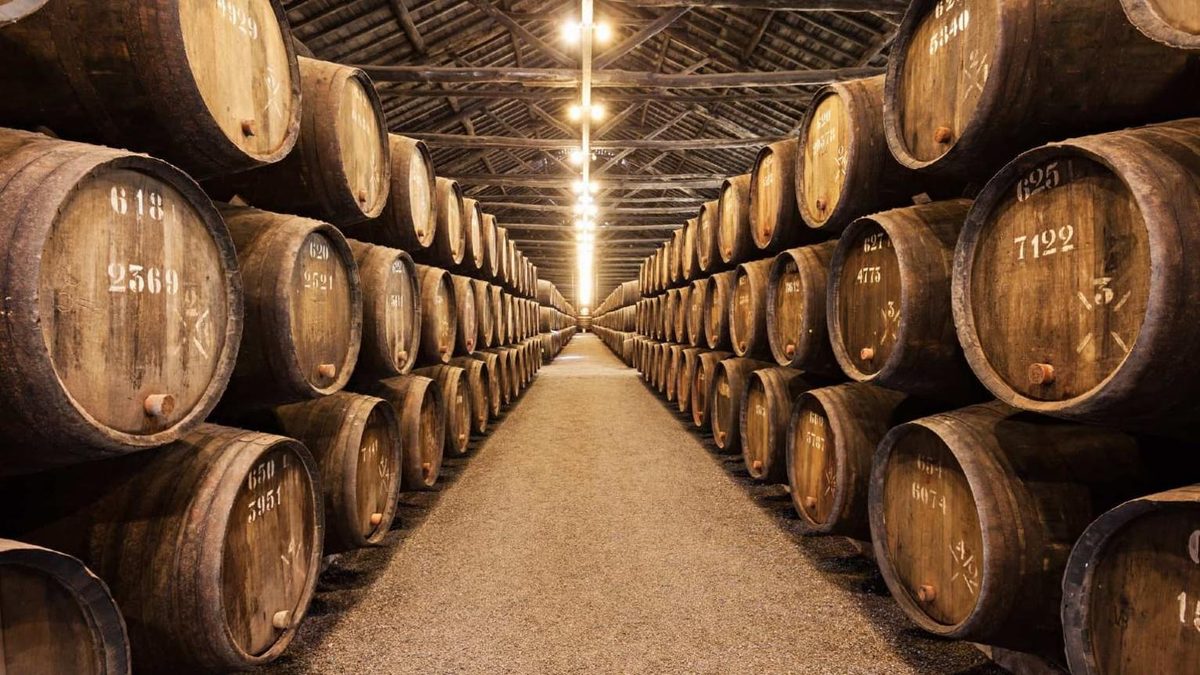

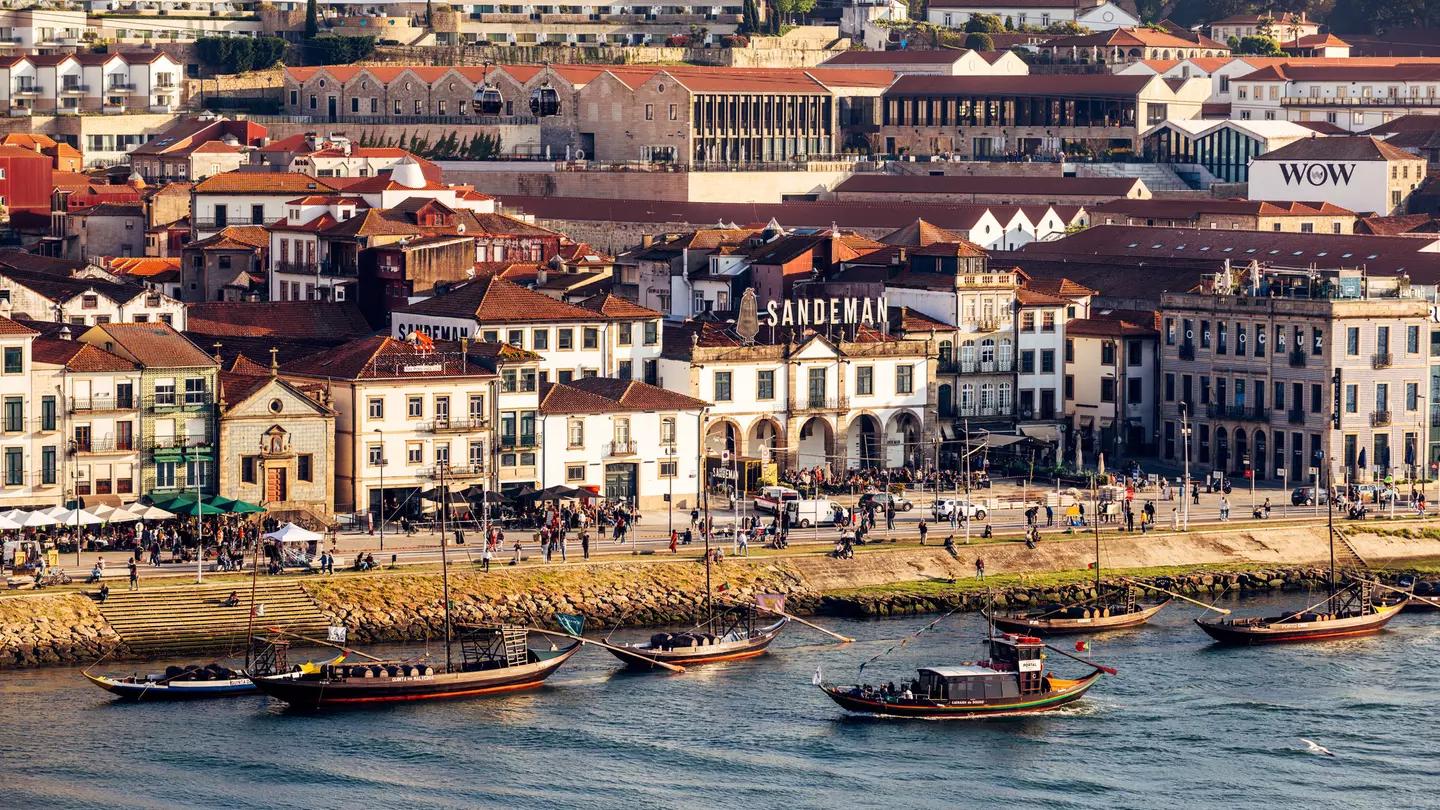
Port wine is one of the region’s most important cultural and commercial products. Across the river in Vila Nova de Gaia, historic wine lodges preserve the traditions of producing, storing, and aging this fortified wine.
Port wine is made from grapes grown in the Douro Valley, an internationally recognized wine-producing region. After fermentation begins, grape spirit is added to stop the process and retain natural sweetness. The wine is then aged according to its style, producing varieties that range from ruby and tawny to vintage expressions.
Many wine lodges offer guided tours and tasting experiences. These visits explain the history of the wine trade, production methods, aging processes, and differences between styles. Even visitors who do not drink alcohol can learn about the region’s agricultural heritage through educational tours, although tasting activities may not be suitable for everyone.
A useful way to explore Gaia is to combine a cellar visit with a walk along the waterfront. The elevated viewpoints provide some of the finest panoramas of the historic city across the river.
Portuguese Food and Traditional Dining Experiences


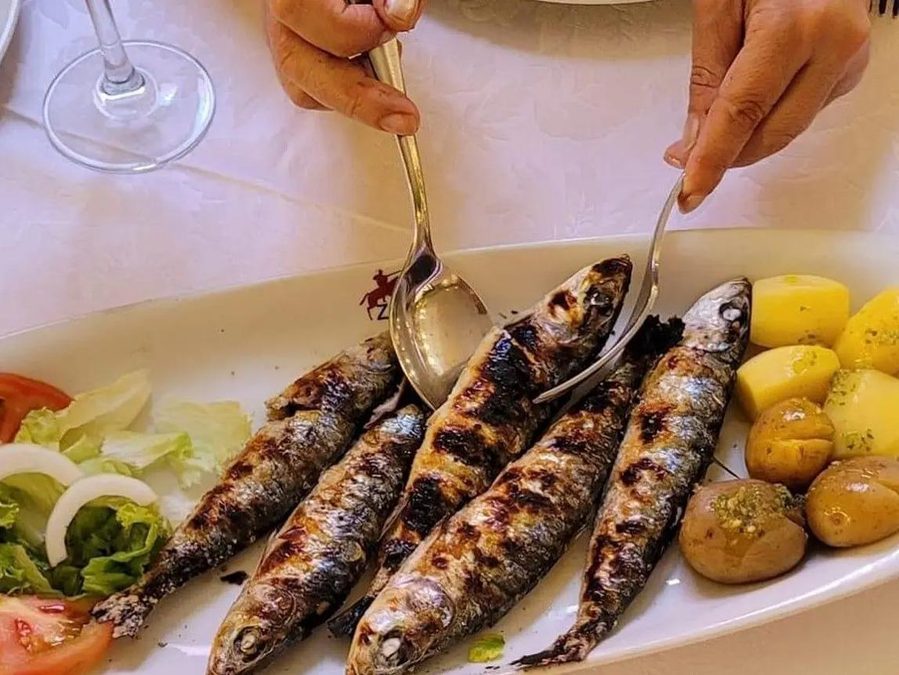
Food is an essential part of the experience. Northern Portugal has a strong culinary identity, combining seafood, meat dishes, bread, potatoes, and regional ingredients. Restaurants range from traditional family-run establishments to modern dining rooms offering contemporary interpretations of Portuguese cooking.
One of the most famous local dishes is the francesinha, a substantial sandwich filled with meat, covered with melted cheese, and served with a rich tomato-based sauce. It is often accompanied by chips and makes a filling meal. Bacalhau, or salted cod, is another Portuguese staple, prepared in numerous regional styles.
Visitors should also try grilled sardines when available, traditional soups, local cheeses, and pastel de nata custard tarts. Exploring smaller neighborhood restaurants can provide a more authentic dining experience than relying exclusively on highly advertised tourist establishments.
For travelers on a budget, lunch menus, bakeries, and traditional cafés often offer better value than waterfront restaurants. Checking menus before sitting down also helps avoid unexpected costs.
Best Time to Visit and Seasonal Travel Conditions
The city has a Mediterranean-influenced climate, with mild winters, warm summers, and rainfall that is generally more frequent during the cooler months. Its coastal position means weather can change quickly, so packing layers is useful even when visiting during summer.
Spring and early autumn are particularly appealing for sightseeing. Temperatures are often comfortable for walking, outdoor dining, and river cruises, while visitor numbers can be more manageable than during the busiest summer weeks. June through August generally brings warmer weather and a lively atmosphere, but popular attractions may have longer queues.
| Season | Typical conditions | Best experiences |
|---|---|---|
| Spring | Mild temperatures and occasional rain | Walking tours and sightseeing |
| Summer | Warm, sunny, busier | River cruises and outdoor dining |
| Autumn | Comfortable days and cooler evenings | Wine experiences and photography |
| Winter | Cooler and wetter | Museums, cafés, and historic attractions |
For many first-time visitors, April to June and September to October offer an excellent balance between weather and sightseeing conditions. Travelers planning around wine tourism may also be interested in the grape harvest period in the Douro Valley, although exact dates depend on the season.
Getting Around and Transportation Tips

The city is relatively compact, and many major attractions can be reached on foot. However, its steep streets and uneven cobblestones can make walking tiring, especially during hot weather. Comfortable shoes are essential, and travelers with limited mobility should consider transportation when planning routes between elevated neighborhoods.
The metro, buses, and historic trams provide convenient alternatives. Porto Campanhã Station and São Bento connect visitors with regional and national rail services, while the metro network links the airport with central areas.
The Andante card can be useful for visitors using public transportation. Ticket requirements depend on travel zones and services, so check current fares and validation rules before traveling.
Francisco Sá Carneiro Airport is located northwest of the city and is connected to the center by metro and other transport services. Airport transfer time depends on the destination and traffic conditions.
Day Trips from Porto: Discovering Northern Portugal

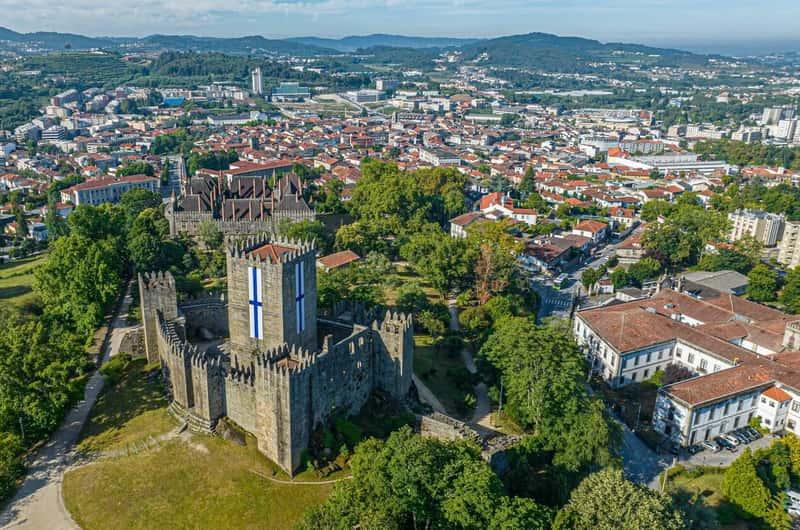
The surrounding region offers several rewarding day trips. The Douro Valley is especially popular for its terraced vineyards, winding river, historic wine estates, and scenic viewpoints. Travelers can explore by train, road, or organized river excursion, with each option offering a different perspective on the landscape.
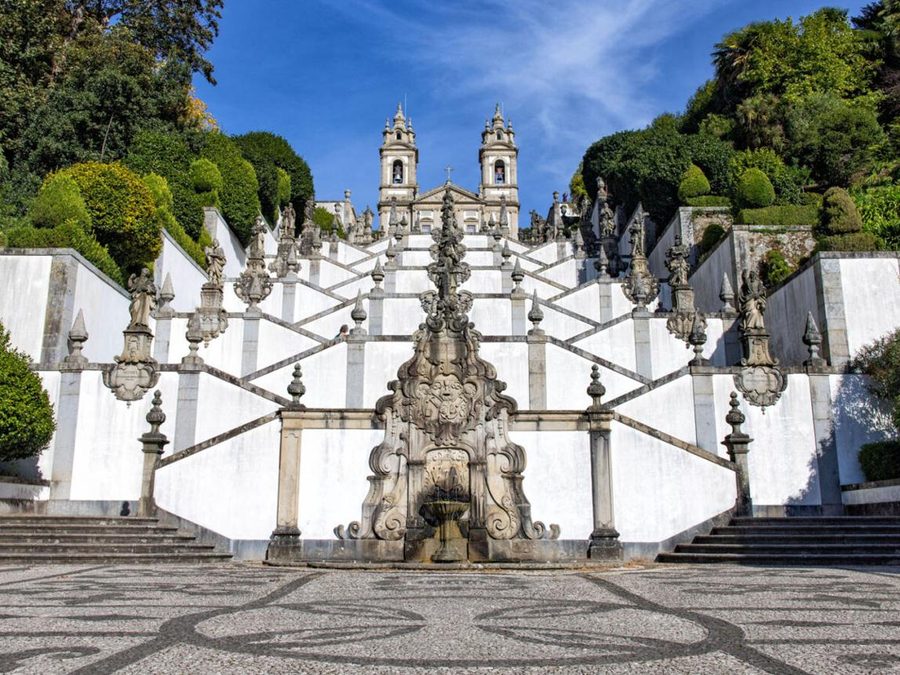
History enthusiasts may enjoy Guimarães, often associated with the early history of Portugal, and Braga with its religious landmarks and cultural attractions. Both destinations provide a useful contrast to the riverside atmosphere of the main city.
Another popular excursion is Aveiro, known for its canals, colorful moliceiro boats, and traditional sweets. These nearby destinations allow visitors to experience more of northern Portugal without changing accommodation.
Travel Costs, Safety, and Practical Planning
Portugal is generally more affordable than several Western European destinations, although prices in popular tourist districts have increased. Accommodation, dining, transport, and attraction tickets can vary significantly depending on the season and location. Booking accommodation early is particularly useful during summer and major holiday periods.
The city is generally considered suitable for tourists, but normal travel precautions remain important. Keep valuables secure in crowded areas, be aware of pickpockets on public transport, and use reputable taxi or ride-hailing services. The steep streets and slippery cobblestones can also create difficulties during rainy weather.
Travelers should carry a payment card and some euros for smaller purchases, check attraction opening times, and consider travel insurance. A common planning mistake is scheduling too many activities in one day. The hills, viewpoints, and historic streets are best enjoyed at a comfortable pace.
FAQs About Porto
Is Porto worth visiting in 2026?
Yes. Its historic architecture, riverside scenery, wine heritage, Portuguese cuisine, and cultural attractions make it an excellent destination for a European city break. It also provides convenient access to the Douro Valley and other northern Portuguese destinations.
How many days are enough to explore Porto?
Three days are suitable for exploring the main historic landmarks, visiting wine cellars, enjoying local food, and walking along the Douro River. Four or five days allow additional time for museums, relaxed sightseeing, and a day trip to the surrounding region.
What is Porto famous for?
The city is best known for port wine, the Douro River, the Dom Luís I Bridge, Ribeira waterfront, azulejo tilework, and its UNESCO-listed historic center. Its distinctive food culture and traditional architecture also contribute to its international reputation.
Is Porto expensive for tourists?
It is generally more affordable than some major Western European cities, although popular riverside restaurants and luxury hotels can be expensive. Travelers can save money by choosing accommodation outside the busiest tourist areas, using public transport, and eating at local restaurants.
What is the best time to visit Porto?
Spring and early autumn are excellent periods because temperatures are usually comfortable for walking and sightseeing. Summer is warmer and busier, while winter offers a quieter atmosphere but brings more frequent rain.
Can you explore Porto without a car?
Yes. Walking, metro services, buses, and trains make it possible to explore the main attractions without renting a car. A vehicle is more useful for independent excursions into rural areas and parts of the Douro Valley.
Is Porto suitable for families?
Yes. Families can enjoy river cruises, historic landmarks, parks, museums, food experiences, and nearby beaches. However, steep streets and cobblestones may require additional planning when traveling with young children or strollers.
Conclusion: Experience the History, Food, and Riverside Beauty of Portugal
Porto combines historic architecture, fascinating wine traditions, distinctive Portuguese cuisine, and beautiful riverside scenery in a destination that rewards both careful planning and spontaneous exploration. From the colorful buildings of Ribeira and the impressive Dom Luís I Bridge to the historic wine lodges of Vila Nova de Gaia, its attractions reveal different aspects of northern Portugal’s identity.
The most rewarding itinerary balances famous landmarks with everyday experiences. Spend time exploring traditional streets, enjoy regional dishes, visit a historic wine cellar, and watch the sunset over the Douro River. Leave room for smaller discoveries, including independent cafés, local markets, and quiet viewpoints.
Ultimately, the appeal of this Portuguese destination lies in its ability to make history feel part of everyday life. Its architecture, food, riverfront atmosphere, and welcoming cultural character create an experience that stays with visitors long after the journey ends.