


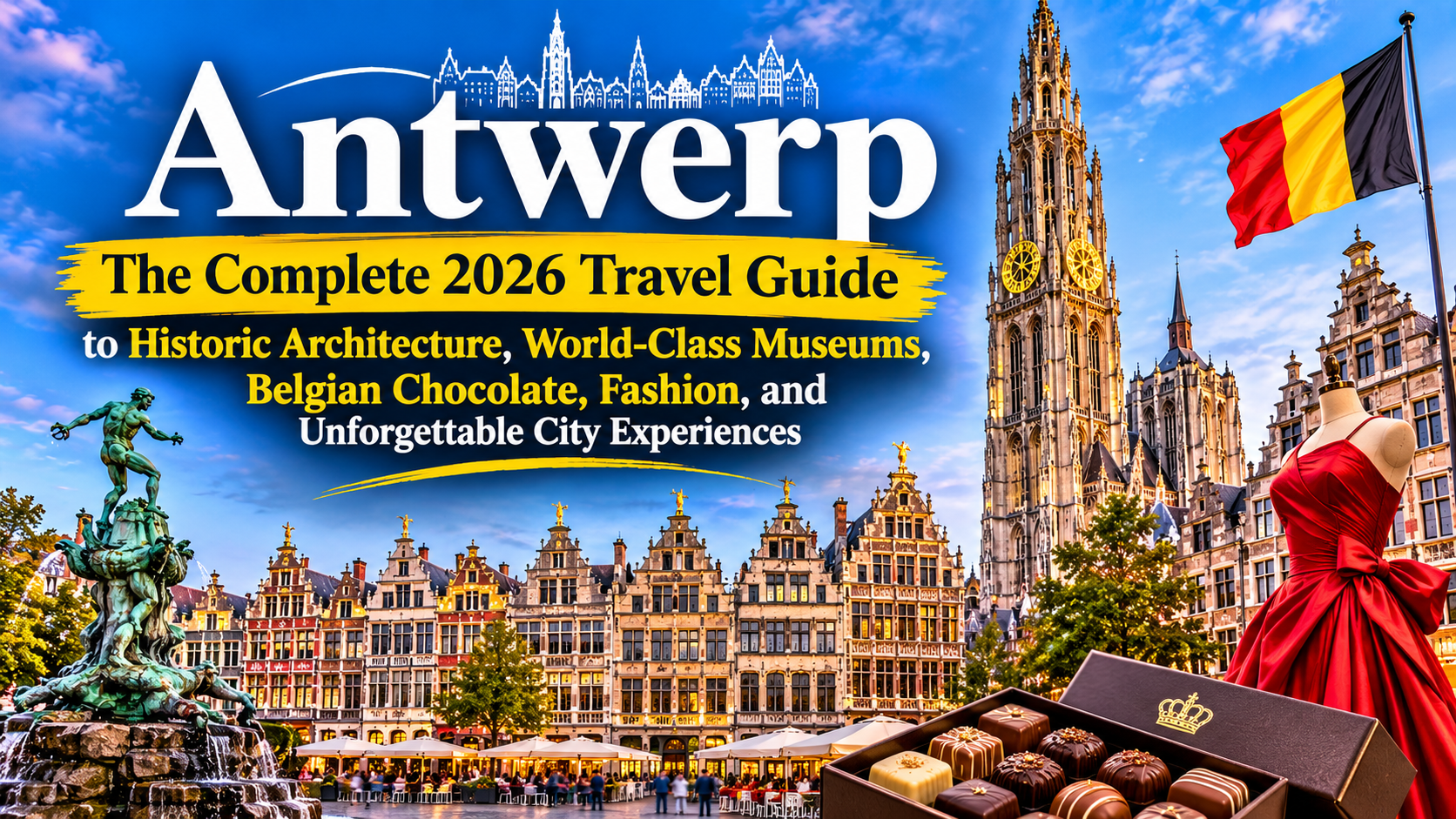
Antwerp is one of Belgium’s most fascinating cities, combining centuries of history with contemporary fashion, impressive architecture, world-class art, and a vibrant food scene. Situated in the Flemish region along the River Scheldt, it is internationally recognised for its diamond industry, historic port, creative design culture, and connections with celebrated artists such as Peter Paul Rubens.
Unlike cities that rely on a single famous attraction, Antwerp offers a varied experience. Visitors can explore medieval streets, admire Gothic architecture, discover masterpieces in historic museums, browse independent fashion boutiques, and enjoy traditional Belgian food in atmospheric restaurants.
Whether you are planning a weekend city break or a longer journey through Belgium, Antwerp provides an excellent introduction to Flemish culture and European urban life.
Where Is Antwerp and What Makes It Special?
Antwerp is located in northern Belgium, in the Flemish Region, approximately 45 kilometres north of Brussels. The city stands on the River Scheldt, which has played a major role in its development as one of Europe’s important trading and maritime centres.
Its history is closely connected with international commerce. During the 16th century, it became one of Europe’s leading commercial cities, attracting merchants, artists, financiers, and craftspeople. Its historic wealth helped create the impressive buildings and artistic institutions that remain important attractions today.
Modern Antwerp combines this heritage with a forward-looking identity. The city is known for its fashion industry, contemporary galleries, diamond district, and major port. This contrast between historic architecture and creative modern culture gives it a distinctive personality compared with other Belgian destinations.
Explore the Historic Old Town and Grote Markt
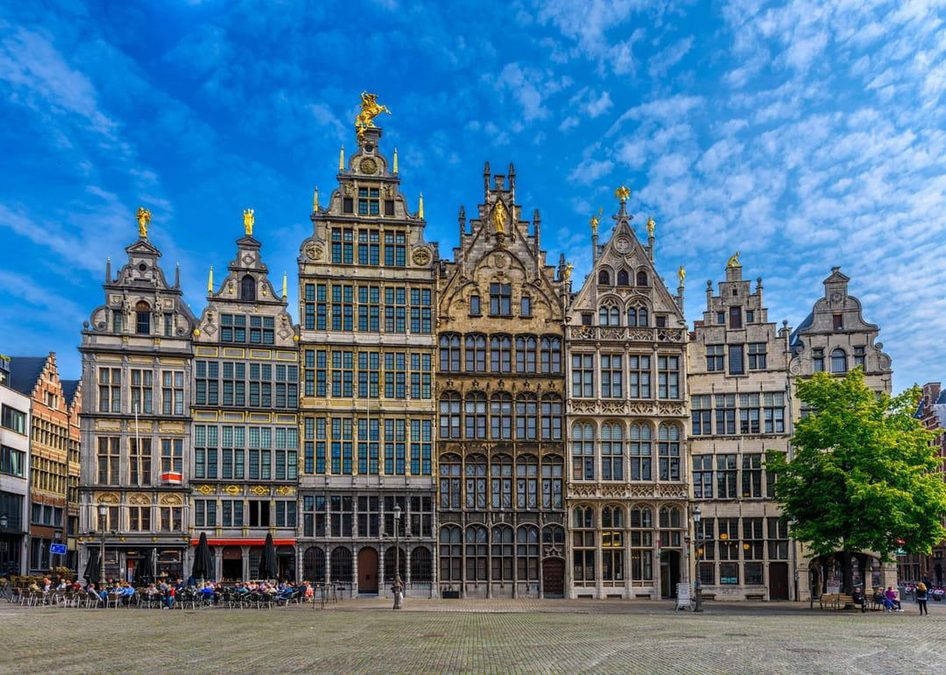

The historic centre is an excellent starting point for discovering the city’s character. Its narrow streets, traditional façades, independent shops, and welcoming cafés create an atmosphere that encourages slow exploration.
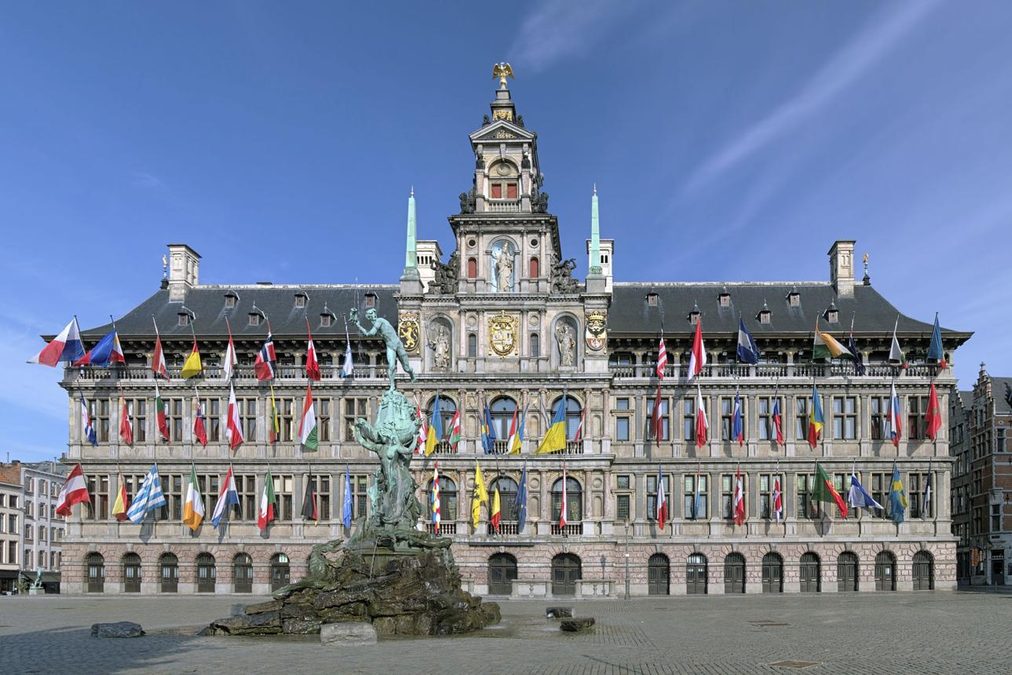
At the heart of the old town lies Grote Markt, one of Belgium’s most attractive historic squares. It is surrounded by ornate guild houses and dominated by the impressive City Hall, a Renaissance building that reflects the city’s commercial prosperity during the 16th century.
The square is also home to the Brabo Fountain, which depicts the legendary figure associated with the origin of the city’s name. Its central location makes it a convenient place to pause, enjoy Belgian refreshments, and admire the surrounding architecture.
For a more complete experience, explore the smaller streets branching away from the square. These reveal historic courtyards, traditional restaurants, specialist chocolate shops, and architectural details that are easy to miss when rushing between major attractions.
Visit the Cathedral of Our Lady

The Cathedral of Our Lady is one of the city’s most recognisable landmarks. This remarkable Gothic church took several centuries to develop and is particularly famous for its tall tower, intricate architectural details, and significant collection of religious art.
Its interior contains important works by Peter Paul Rubens, one of the most influential artists of the Baroque period. The paintings demonstrate his dramatic use of movement, expressive figures, and rich colours, offering visitors a direct connection with Antwerp’s artistic golden age.
The cathedral’s scale is impressive even from outside. Its tower rises above the historic centre, creating a distinctive feature in the city’s skyline. Inside, take time to examine the stained glass, sculptures, and elaborate decoration rather than treating the visit as a quick photographic stop.
Discover Rubens and Antwerp’s World-Class Museums

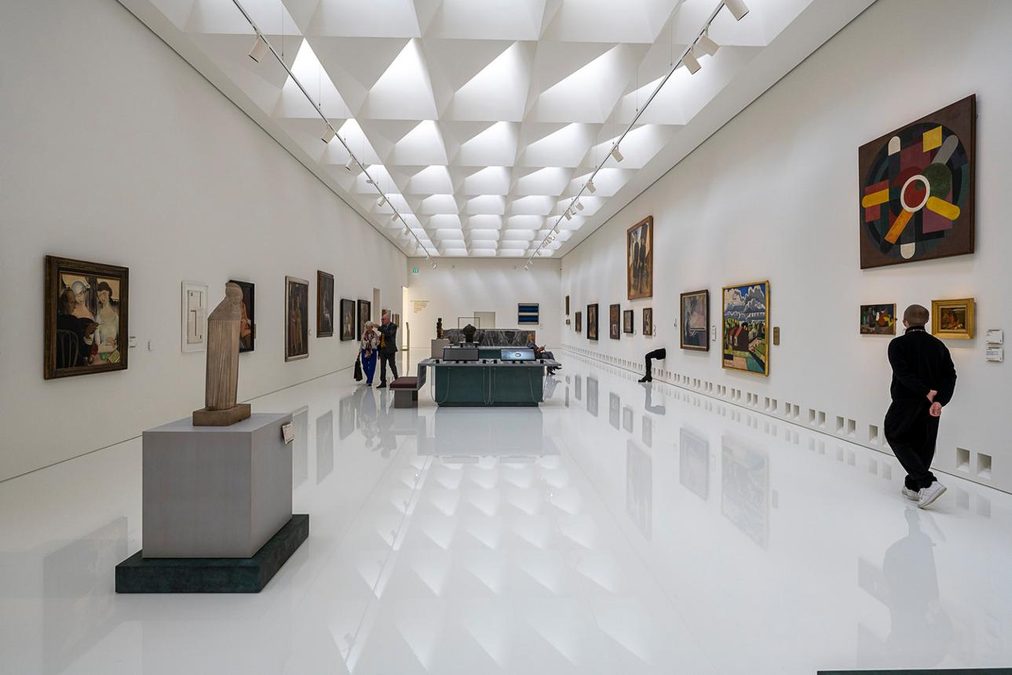

Art lovers will find plenty to explore, particularly through the city’s connections with Flemish painting and European artistic history. The Royal Museum of Fine Arts Antwerp, known as KMSKA, houses an extensive collection covering several centuries, including works by Rubens, Anthony van Dyck, and other major artists.
The museum is especially valuable for understanding how Flemish art developed. Its collections connect religious painting, portraiture, historical scenes, and modern artistic movements. Visitors who appreciate art history can easily spend several hours exploring its galleries.
Another important institution is the Museum Plantin-Moretus, a UNESCO World Heritage Site dedicated to printing and publishing history. Its historic printing presses, original interiors, and collections reveal how books and ideas circulated across Europe during the early modern period.
The Rubenshuis, the former home and studio of Rubens, is another significant part of the city’s artistic story. However, access arrangements and exhibition spaces can change during restoration or redevelopment work, so check official visitor information before planning a visit.
Experience Belgian Chocolate, Waffles, and Local Cuisine


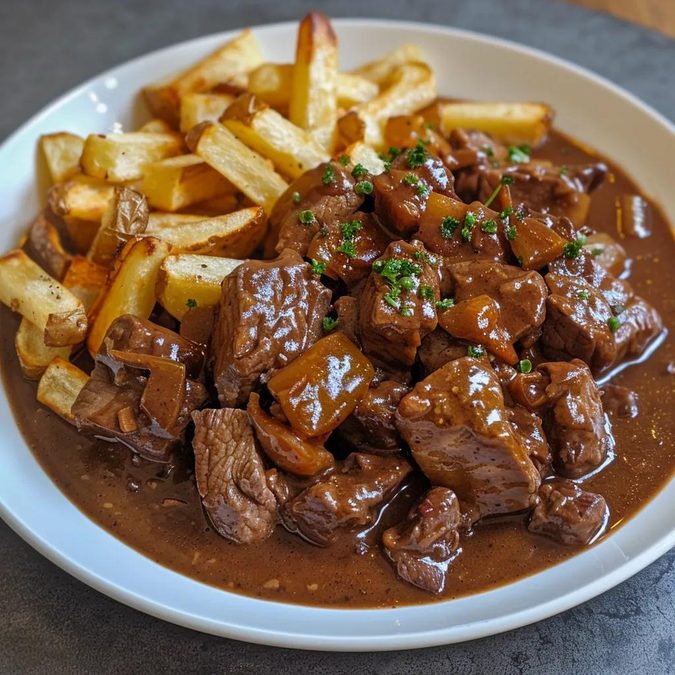
Food is an essential part of any Belgian city break, and Antwerp offers a tempting selection of traditional dishes, modern restaurants, and artisan specialities. Belgian chocolate is an obvious highlight, with specialist shops offering pralines, truffles, and beautifully presented handmade creations.
Waffles are another popular treat. Belgian waffles come in different regional styles, with Brussels waffles generally lighter and rectangular, while Liège waffles are richer and traditionally made with pearl sugar. They are often served with fruit, cream, or chocolate, although simple versions can be just as satisfying.
For a more substantial meal, try stoofvlees, a Flemish beef stew traditionally prepared with Belgian beer and served with fries. Other local favourites include mussels, croquettes, and seasonal seafood. Belgian fries are commonly served with a variety of sauces, making them a popular casual meal.
A useful way to experience the local food scene is to combine a traditional lunch with a visit to a specialist chocolate shop or bakery. This gives visitors a taste of both everyday Flemish cuisine and the craftsmanship for which Belgium is internationally known.
Explore the Fashion District and Diamond Quarter

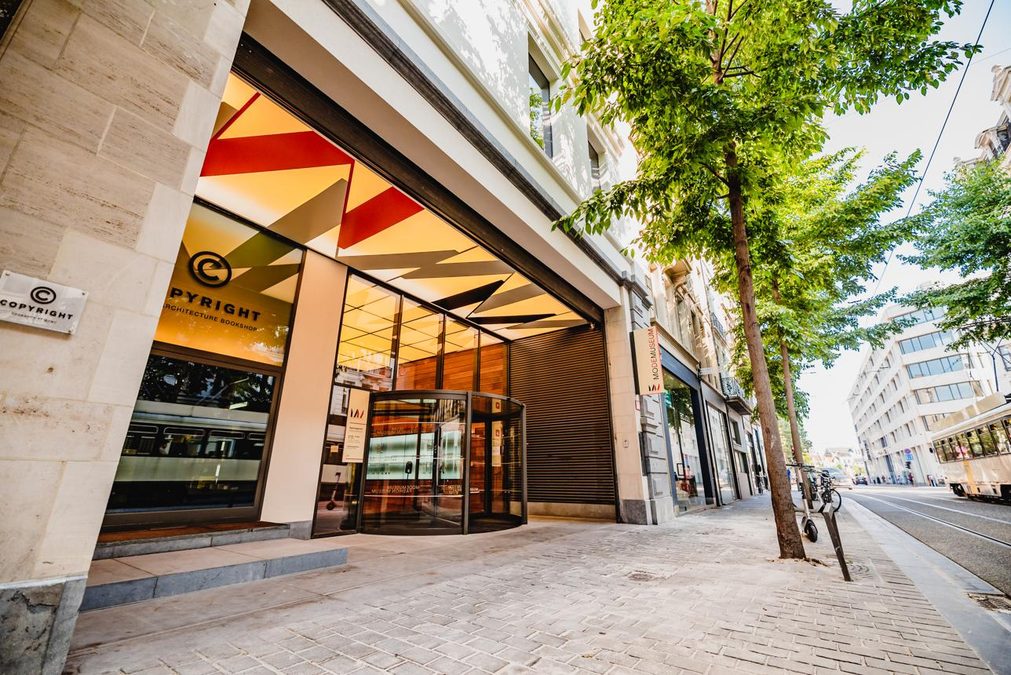
Antwerp has a strong international reputation in fashion and design. Its creative identity is closely associated with the Royal Academy of Fine Arts, whose fashion department helped produce influential designers known collectively as the Antwerp Six.
The city’s fashion district, particularly around Nationalestraat, is an excellent area for exploring independent boutiques, designer shops, and contemporary Belgian labels. The MoMu Fashion Museum provides additional insight into the history and influence of fashion in the region, although exhibitions and opening arrangements vary.
The diamond district, located close to the railway station, represents another important part of the city’s commercial identity. Antwerp has long been a major international centre for diamond trading, cutting, and jewellery. Visitors can explore the area’s retail businesses, but should compare prices, verify certification, and buy only from reputable sellers when considering valuable purchases.
Visit Antwerp Central Station and the Modern Waterfront
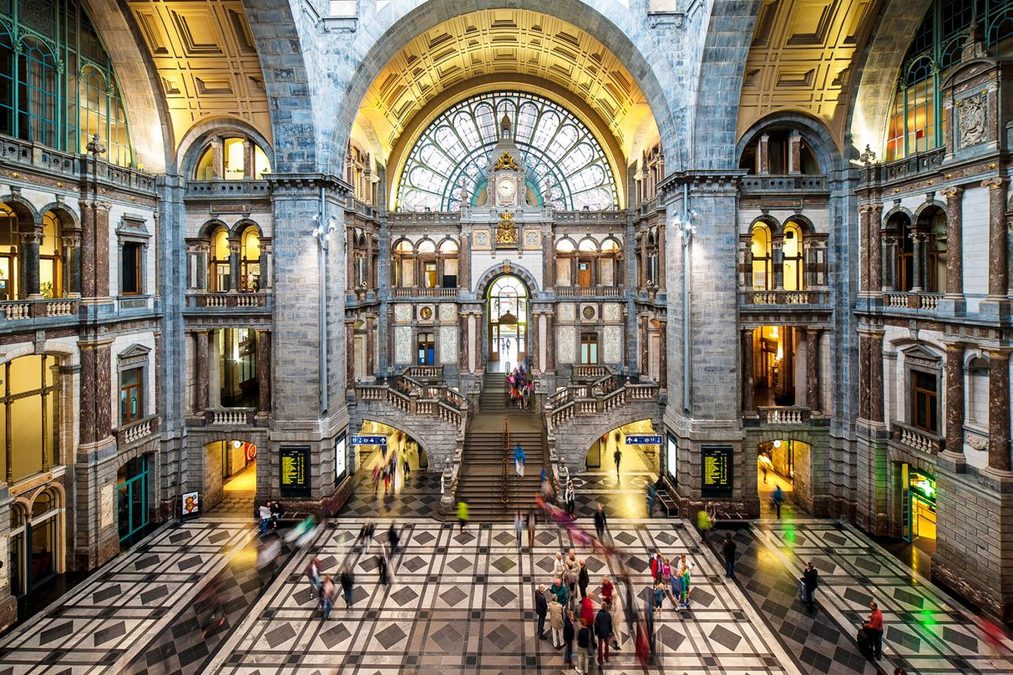

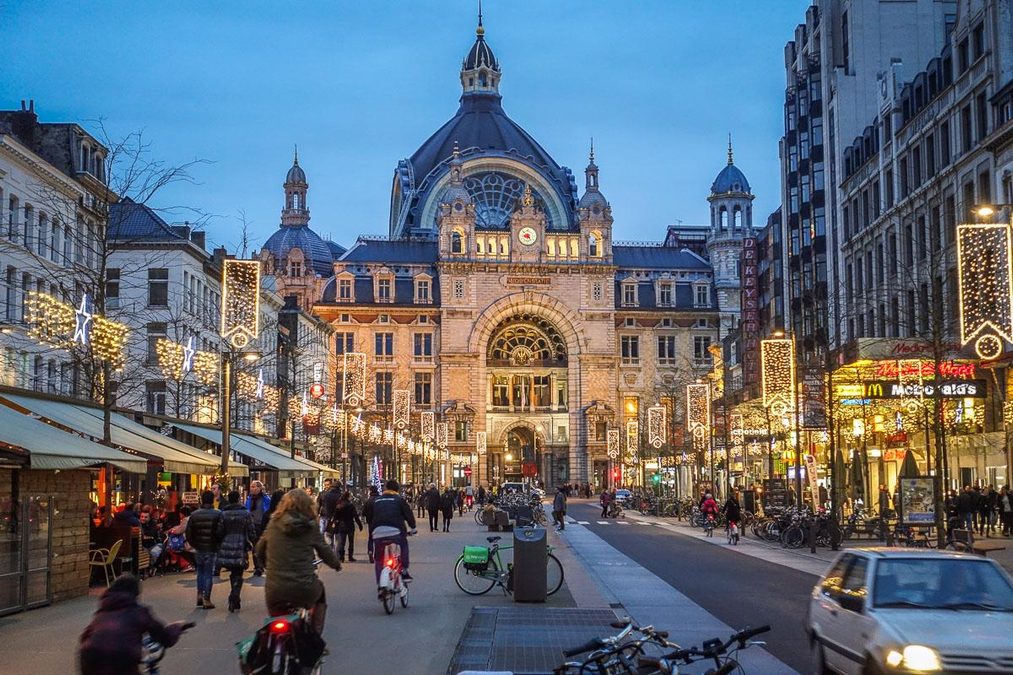
Antwerp Central Station is one of the most impressive railway stations in Europe. Its grand stone façade, monumental entrance hall, ornate interior, and multi-level platforms make it an attraction in its own right. Even visitors who arrive by train should allow time to admire the architecture.
The station is also a useful starting point for exploring the surrounding neighbourhoods, including the diamond district and nearby shopping streets. Its location makes rail travel an especially convenient way to reach the city from Brussels and other Belgian destinations.
For a different perspective, head towards the waterfront and visit the Museum aan de Stroom (MAS). Its striking contemporary design and exhibitions explore the city’s relationship with the world, trade, migration, and maritime history. The upper viewing area offers panoramic views across the rooftops, river, and port.
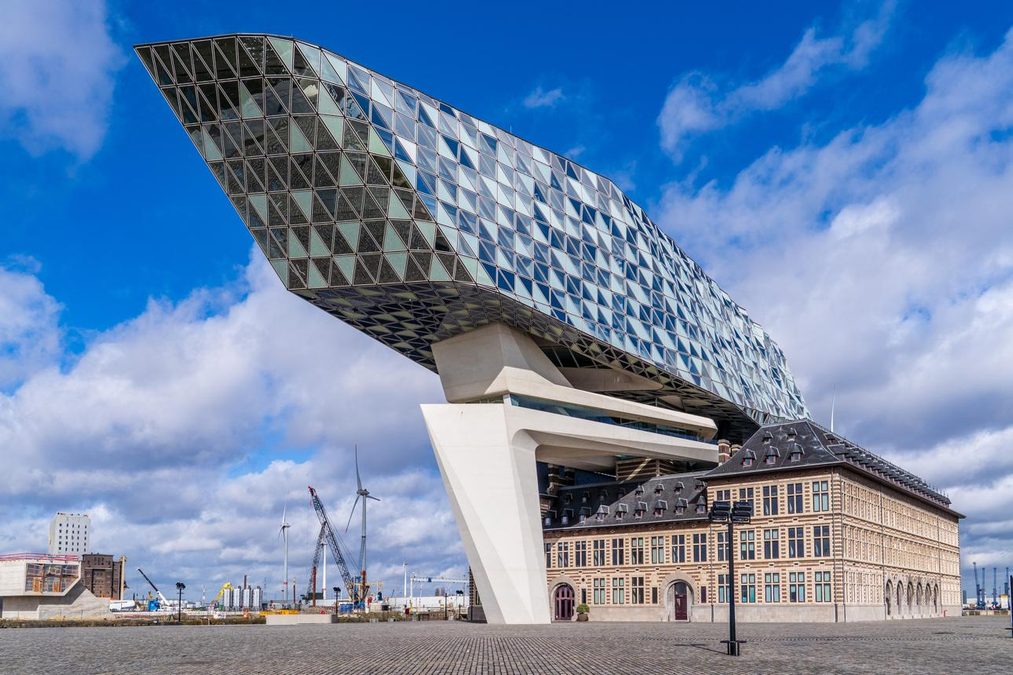
Another architectural highlight is the Port House, designed by Zaha Hadid Architects. Its modern structure sits above a historic fire station, creating a dramatic contrast between old and new architecture.
Best Time to Visit and Seasonal Experiences
The best time to visit depends on your interests, budget, and preferred weather. Spring and early autumn are generally excellent for exploring the historic centre, visiting museums, and enjoying outdoor cafés without the busiest summer crowds.
Summer brings longer daylight hours and a lively atmosphere, with outdoor events, terraces, and riverside activities. However, popular attractions and accommodation can become busier, particularly during weekends and holiday periods.
Winter offers a different experience, especially around the festive season when Christmas markets and seasonal decorations bring extra atmosphere to central squares. The weather can be cold and wet, so indoor museums, galleries, and cafés become particularly appealing.
| Season | Typical atmosphere | Best experiences | Visitor considerations |
|---|---|---|---|
| Spring | Mild and fresh | Walking tours, museums, cafés | Changeable weather |
| Summer | Lively and warm | Outdoor dining, events, shopping | More visitors |
| Autumn | Comfortable and quieter | Art, architecture, food | Cooler evenings |
| Winter | Festive and atmospheric | Christmas markets, museums | Cold and rainy days |
For a first visit, May, June, September, and early October offer a particularly good balance of sightseeing conditions and manageable visitor numbers.
Getting Around and Essential Travel Tips
Antwerp is relatively easy to explore because many major attractions are located within or close to the historic centre. Walking is often the most enjoyable way to discover its architecture, cafés, shops, and hidden streets.
The city also has an extensive public transport network, including trams and buses operated by De Lijn. These services are useful for reaching attractions farther from the centre. Cycling is another popular way to get around, supported by dedicated infrastructure and bicycle-sharing options.
Visitors arriving by train will find Antwerp Central Station especially convenient. For international travellers, Brussels Airport offers connections to Antwerp by rail, although checking current schedules and ticket options before travelling is recommended.
One common challenge is trying to fit too many museums and landmarks into a short visit. A more enjoyable approach is to group nearby attractions together. For example, explore Grote Markt, the cathedral, and the old town in one walking route, then dedicate another part of the day to MAS and the waterfront.
Frequently Asked Questions
Is Antwerp worth visiting?
Yes. Antwerp combines historic architecture, major art collections, Belgian food, fashion, shopping, and maritime heritage. Its attractions offer a different experience from Brussels and Bruges, making it an excellent addition to a Belgian travel itinerary.
How many days are enough to explore Antwerp?
Two days are enough to visit the main historic landmarks, explore the old town, enjoy Belgian cuisine, and see a museum. Three days provide a more relaxed experience, with additional time for fashion shopping, the waterfront, and lesser-known neighbourhoods.
What is Antwerp famous for?
The city is particularly famous for its diamond trade, historic port, Gothic architecture, Flemish art, fashion industry, and connection with Peter Paul Rubens. Its Central Station and historic Grote Markt are also among its best-known landmarks.
Is Antwerp expensive for tourists?
Costs depend on accommodation, dining choices, and the season. Central hotels and fine-dining restaurants can be expensive, but public transport, bakeries, casual cafés, and free architectural sightseeing help visitors manage their budgets.
What food should visitors try in Antwerp?
Visitors should try Belgian chocolate, waffles, Flemish beef stew, mussels, croquettes, and traditional Belgian fries. Local restaurants and specialist food shops provide opportunities to experience both regional cuisine and Belgian culinary traditions.
Can you visit Antwerp on a day trip from Brussels?
Yes. Frequent rail connections make travel between Brussels and Antwerp convenient. A day trip allows time to explore the central landmarks, although staying overnight is better for visiting museums, shopping districts, and the waterfront without rushing.
Is Antwerp walkable?
Yes. The historic centre is compact, and many major attractions are within comfortable walking distance. Trams and buses are useful for reaching more distant districts, while cycling provides another convenient option.
Conclusion
Antwerp is a city where artistic heritage, commercial history, and contemporary creativity come together. From the Gothic Cathedral of Our Lady and the historic guild houses of Grote Markt to the impressive railway station, world-class museums, and modern waterfront, it offers a rich variety of experiences.
Its appeal extends beyond sightseeing. Visitors can discover Flemish cuisine, explore a globally recognised fashion scene, learn about the historic diamond trade, and enjoy the atmosphere of one of Belgium’s most distinctive urban destinations.
The best way to appreciate the city is to balance its famous attractions with time for spontaneous discoveries. Wander through its historic streets, sample local specialities, explore its creative neighbourhoods, and take in the views along the River Scheldt. Antwerp is more than a beautiful Belgian city break; it is a destination where centuries of European history meet a confident, modern cultural identity.