

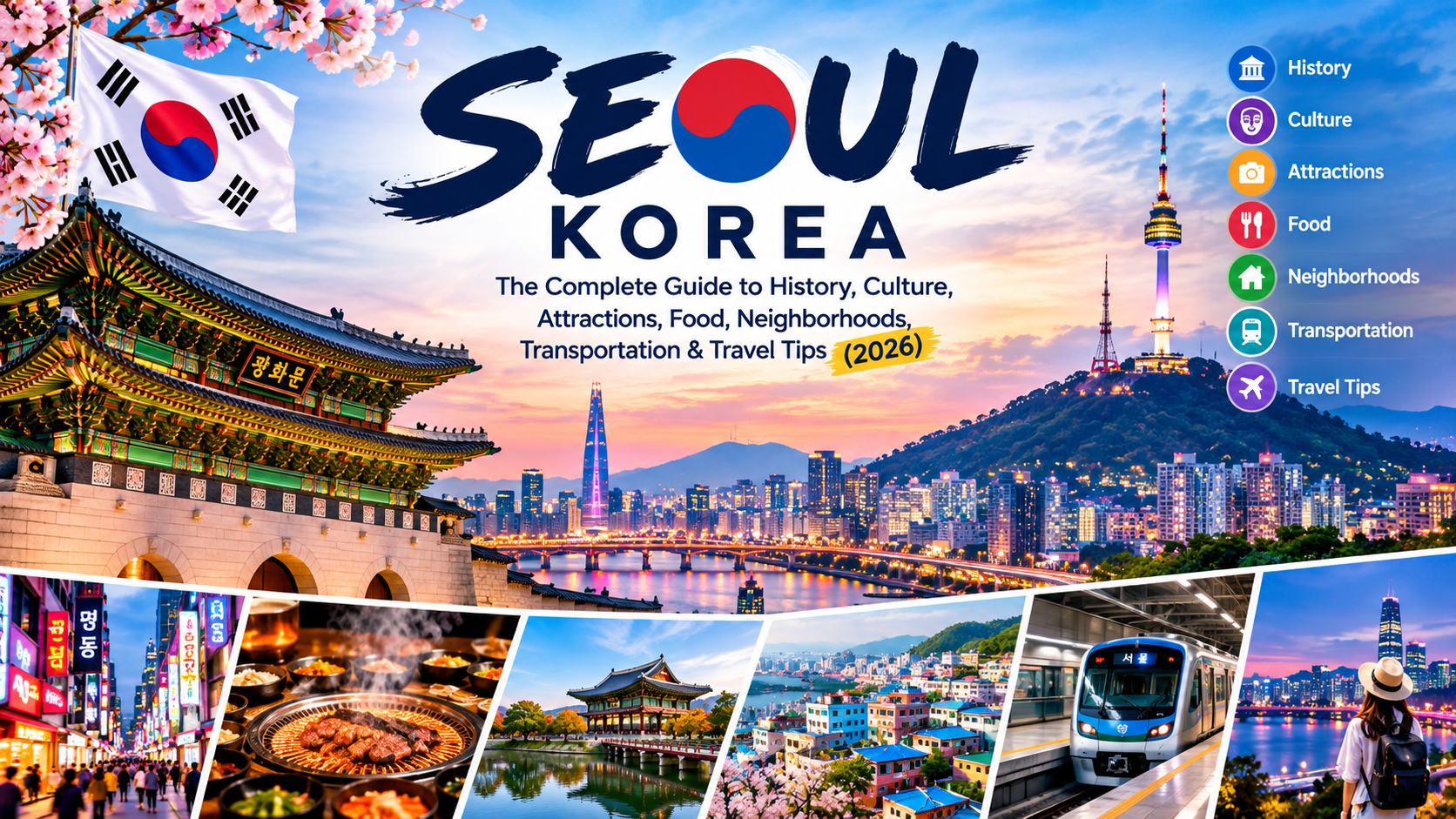
Seoul Korea is a city where centuries-old palaces stand beside glass skyscrapers, traditional markets sit near luxury shopping districts, and quiet mountain trails can be reached surprisingly quickly from busy commercial streets. As the capital of South Korea, it is the country’s political, economic, cultural and technological centre, but its appeal goes well beyond those roles.
For travelers, Seoul Korea offers an unusual combination of heritage and modern urban life. You can explore the royal architecture of the Joseon dynasty in the morning, eat Korean street food in a traditional market at lunchtime, visit a contemporary art gallery in the afternoon and experience the city’s famous nightlife after dark.
The city can initially feel overwhelming because of its size and density. However, once its neighborhoods, transportation system and major attractions are understood, Seoul becomes much easier to explore. This complete guide covers its history, culture, attractions, food, neighborhoods, transportation, shopping, seasons and practical travel considerations.
What is Seoul Korea known for?
Seoul Korea is best known for its historic palaces, Korean culture, K-pop, Korean cuisine, technology, fashion, shopping, nightlife and highly developed urban infrastructure. The Han River divides much of the metropolitan landscape, while mountains surround the city and create a striking contrast with its dense skyline.
The city’s identity is particularly interesting because modernization did not completely erase its historical character. Places such as Gyeongbokgung Palace, Bukchon Hanok Village and Jongmyo Shrine preserve architectural and cultural traditions, while districts such as Gangnam, Hongdae and Yeouido represent different sides of contemporary Korean life.
A brief history of Seoul
The history of Seoul Korea stretches back well before the modern Republic of Korea. The city became particularly important during the Joseon dynasty, when it was established as the dynasty’s capital in 1394 under the name Hanyang. Its location was strategically valuable, surrounded by mountains and positioned along the Han River.
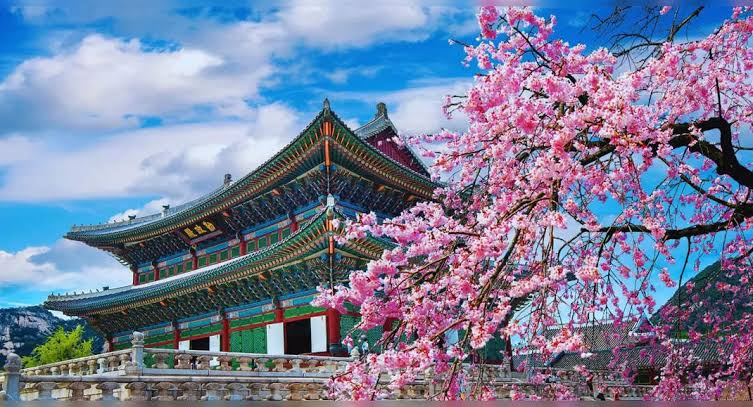
The Joseon period shaped much of the city’s historic landscape. Royal palaces, government buildings, Confucian institutions and traditional residential areas developed around the capital. Gyeongbokgung became the principal royal palace, while Jongmyo served as an important Confucian royal shrine. These sites remain essential for understanding Seoul’s historical identity.
The twentieth century brought enormous disruption and transformation. Japanese colonial rule, the Korean War and rapid postwar industrialization dramatically changed the city. Seoul subsequently experienced extraordinary economic growth, becoming a global centre for technology, finance, entertainment and business.
The culture and character of Seoul
Modern Seoul combines traditional Korean values with an extremely fast-paced urban lifestyle. Respect for elders, family relationships, communal dining and social etiquette remain important, while younger generations have helped create influential trends in music, fashion, beauty, design and digital culture.
One of the easiest ways to understand the city’s personality is through its neighborhoods. Insadong feels strongly connected to traditional arts and crafts, Bukchon preserves hanok architecture, Hongdae is associated with youth culture and independent creativity, while Gangnam represents upscale shopping, business and entertainment. Each area provides a different perspective rather than a single definition of the city.
Best places to visit in Seoul
The major attractions of Seoul Korea range from royal palaces and historic neighborhoods to observation decks, markets, museums and riverside parks. Gyeongbokgung Palace is an essential starting point because it provides historical context for the city and offers an impressive example of Joseon-era palace architecture.
Bukchon Hanok Village provides another distinctive experience, with traditional Korean houses occupying narrow hillside streets between major historic areas. Visitors should remember that it is also a residential neighborhood, so responsible tourism matters. N Seoul Tower, meanwhile, offers panoramic views across the metropolitan area and is particularly popular around sunset and after dark.
| Attraction | What it is known for | Best experience |
|---|---|---|
| Gyeongbokgung Palace | Joseon royal architecture | History and architecture |
| Bukchon Hanok Village | Traditional hanok houses | Walking and photography |
| Insadong | Traditional arts and culture | Crafts, tea and galleries |
| Myeongdong | Shopping and cosmetics | Retail and street food |
| Hongdae | Youth and creative culture | Cafés, music and nightlife |
| N Seoul Tower | City panoramas | Sunset and evening views |
| Changdeokgung Palace | Historic palace gardens | Heritage and architecture |
| Han River | Parks and urban scenery | Walking, cycling and relaxation |
| Dongdaemun | Fashion and design | Shopping and late-night activity |
| COEX | Modern commercial district | Shopping, events and urban sightseeing |
The important point is that these attractions should not all be treated as isolated photo stops. Combining nearby places creates a much richer experience. For example, a historic day can connect Gyeongbokgung, Bukchon and Insadong, while a modern itinerary can link Gangnam, COEX and the Han River.
The neighborhoods you should understand
Seoul Korea is best explored by neighborhood because each district has its own atmosphere. Jongno and the central historic districts are particularly useful for first-time visitors interested in palaces, museums, traditional architecture and cultural landmarks. Insadong adds galleries, craft shops, tea houses and restaurants to the experience.
Hongdae has a younger, more energetic personality, with independent cafés, fashion stores, live music and entertainment venues. Myeongdong is highly convenient for shopping and Korean beauty products, while Gangnam is associated with modern architecture, restaurants, luxury retail and business. Itaewon offers a more international atmosphere and a diverse restaurant scene.
Choosing where to stay can therefore change the character of a trip. Travelers prioritizing history may prefer central neighborhoods, while visitors focused on nightlife or contemporary entertainment may find western or southern districts more convenient. The city’s extensive subway network makes it possible to explore beyond the immediate area where you stay.
Korean food you should experience
Food is one of the strongest reasons to spend time in Seoul Korea. Korean cuisine is built around rice, vegetables, fermented foods, meat, seafood, soups and numerous side dishes known as banchan. Meals often feel communal rather than being organized around one dominant plate.
Classic foods to explore include bibimbap, Korean barbecue, tteokbokki, kimchi jjigae, japchae, mandu, naengmyeon and samgyeopsal. Traditional markets provide an especially useful introduction because visitors can sample smaller portions and observe how food is prepared. Gwangjang Market is particularly associated with street food and traditional market culture.
A useful approach is to mix restaurant meals with casual neighborhood food. Korean fried chicken, convenience-store snacks, bakery cafés and modern Korean fusion restaurants reveal another side of the city’s food culture. The best culinary experience is rarely limited to famous dishes; it comes from seeing how food fits into everyday life.
Shopping, fashion and modern entertainment
Seoul Korea has become a major destination for fashion, cosmetics, design and entertainment. Myeongdong is particularly well known for beauty products and mainstream retail, while areas such as Hongdae offer independent fashion and youth-oriented brands. Gangnam provides a more polished commercial environment with department stores, boutiques and luxury retailers.
The city’s influence extends far beyond physical shopping. Korean pop music, television dramas, beauty trends and contemporary design have created an international cultural presence often described through the broader term Hallyu, or the Korean Wave. Visitors interested in this phenomenon can explore entertainment districts, pop-up events, themed cafés and cultural exhibitions alongside more traditional attractions.
Getting around Seoul
One of the biggest advantages of visiting Seoul Korea is its extensive public transportation system. The subway connects major tourist districts, commercial centres and residential neighborhoods, while buses fill many routes between stations and destinations. For most visitors, public transportation is more practical than relying on private cars.
Navigation becomes easier when you understand the basic geography of the city. Seoul’s subway lines provide access to major attractions, but stations can be large and exits may be spread across busy intersections. Checking the correct exit before leaving a station can save considerable walking time. Taxis are also widely available when carrying luggage or traveling late.
Walking is another important part of exploring the city. Some neighborhoods reveal much more on foot than they do from a vehicle. Small restaurants, independent shops, cafés, traditional buildings and unexpected viewpoints often appear between major attractions.
The best time to visit Seoul
Spring and autumn are often particularly appealing because temperatures can be comfortable and seasonal scenery adds another dimension to the city. Spring brings blossoms and fresh greenery, while autumn can transform parks and mountain areas with vibrant foliage.
Summer can be hot, humid and affected by monsoon rainfall, while winter is cold but can provide crisp skies and a very different urban atmosphere. Seasonal preferences should therefore influence the itinerary. Someone interested in hiking may approach the city differently from a traveler primarily focused on museums, shopping and indoor cultural attractions.
Where Seoul meets nature
Although Seoul Korea is an enormous metropolis, nature is surprisingly accessible. The surrounding mountains create hiking opportunities, and Bukhansan National Park is particularly notable for combining dramatic landscapes with proximity to the urban area. Urban parks along the Han River provide easier alternatives for walking, cycling and relaxing.
This relationship between city and nature is one of Seoul’s most distinctive qualities. A traveler can spend the morning surrounded by skyscrapers and subway stations and later find a forested trail or mountain viewpoint without leaving the metropolitan area. It is one reason the city feels less uniformly urban than its density might suggest.
Practical travel tips for first-time visitors
Understanding everyday etiquette makes traveling through Seoul Korea smoother. Removing shoes may be expected in certain traditional accommodations or establishments, while respectful behavior in temples, palaces and residential areas is important. Public transportation also rewards considerate behavior, particularly around priority seating and crowded trains.
Connectivity is generally convenient, but visitors should prepare for differences in navigation, payment systems and address formats. Keeping accommodation details available in Korean can be useful when communicating with drivers or locating smaller properties. It is also sensible to group attractions geographically instead of crossing the city repeatedly each day.
The most common planning mistake is trying to see everything. Seoul is too large and culturally varied for a rushed checklist to capture its character. A better approach is to choose a few areas per day and leave room for cafés, markets, spontaneous discoveries and slower exploration.
Why Seoul matters globally
Seoul Korea has developed into one of Asia’s most influential metropolitan centres. Companies headquartered in and around the city have helped make South Korea important in electronics, automobiles, entertainment, finance and technology. At the same time, Korean cultural exports have made the city’s music, food, fashion and beauty industries globally recognizable.
Its influence is particularly interesting because it operates on several levels at once. Seoul is a political capital, a business centre, a technology hub, a cultural exporter and a major tourist destination. That combination gives the city a constantly changing identity while its historic districts preserve connections to earlier periods.
Frequently asked questions
What is Seoul Korea famous for?
Seoul Korea is famous for its royal palaces, Korean food, K-pop, fashion, technology, shopping, nightlife, traditional neighborhoods and modern skyline. It is also recognized for its extensive public transportation and the contrast between historic architecture and contemporary urban development.
How many days are enough to explore Seoul?
Around four to six days can provide a balanced introduction to Seoul, allowing time for historic attractions, neighborhoods, food, shopping and cultural experiences. A longer stay makes it easier to explore less tourist-focused districts and take day trips beyond the central city.
What food should visitors try in Seoul?
Visitors should consider trying Korean barbecue, bibimbap, tteokbokki, mandu, kimchi jjigae, japchae, naengmyeon and Korean fried chicken. Traditional markets are particularly useful for sampling several foods in a casual setting.
Is Seoul easy for tourists to navigate?
Seoul is generally well connected by subway and bus, making major tourist districts accessible without a car. Navigation can take some adjustment because stations are large and destinations may have multiple exits, but route-planning apps and clear transit signage make independent travel manageable.
Which areas are best for first-time visitors?
Jongno, Myeongdong, Insadong, Hongdae, Itaewon and Gangnam each offer different advantages. Central historic areas are convenient for cultural sightseeing, while Hongdae and Itaewon are popular for restaurants and nightlife, and Gangnam is strongly associated with modern shopping and entertainment.
Is Seoul expensive to visit?
The cost of visiting Seoul Korea varies considerably depending on accommodation, dining and entertainment choices. Public transportation and casual Korean meals can be relatively manageable, while luxury hotels, fine dining, premium shopping and certain entertainment experiences can significantly increase the daily budget.
What makes Seoul different from other major Asian cities?
The city’s defining characteristic is the unusually strong coexistence of historical Korean heritage and highly modern urban culture. Royal palaces, traditional markets and hanok neighborhoods can exist within the same metropolitan environment as advanced infrastructure, global brands, digital technology and contemporary entertainment.
Conclusion
Seoul Korea is a destination that rewards curiosity rather than rushed sightseeing. Its appeal comes from the way different eras coexist: Joseon palaces stand near modern towers, traditional markets operate alongside sophisticated shopping districts, and mountain landscapes remain accessible from one of Asia’s busiest capitals.
The most valuable way to experience the city is to look beyond its famous landmarks. Explore neighborhoods, eat local food, use public transportation, walk through historic streets, spend time beside the Han River and allow the city to reveal its everyday rhythm.
Ultimately, Seoul is not defined by one attraction or one trend. Its enduring strength is the relationship between history, culture, technology, nature and modern Korean life. That combination makes the city one of the most fascinating urban destinations in Asia and a place where almost every neighborhood tells a different part of the larger Korean story.