


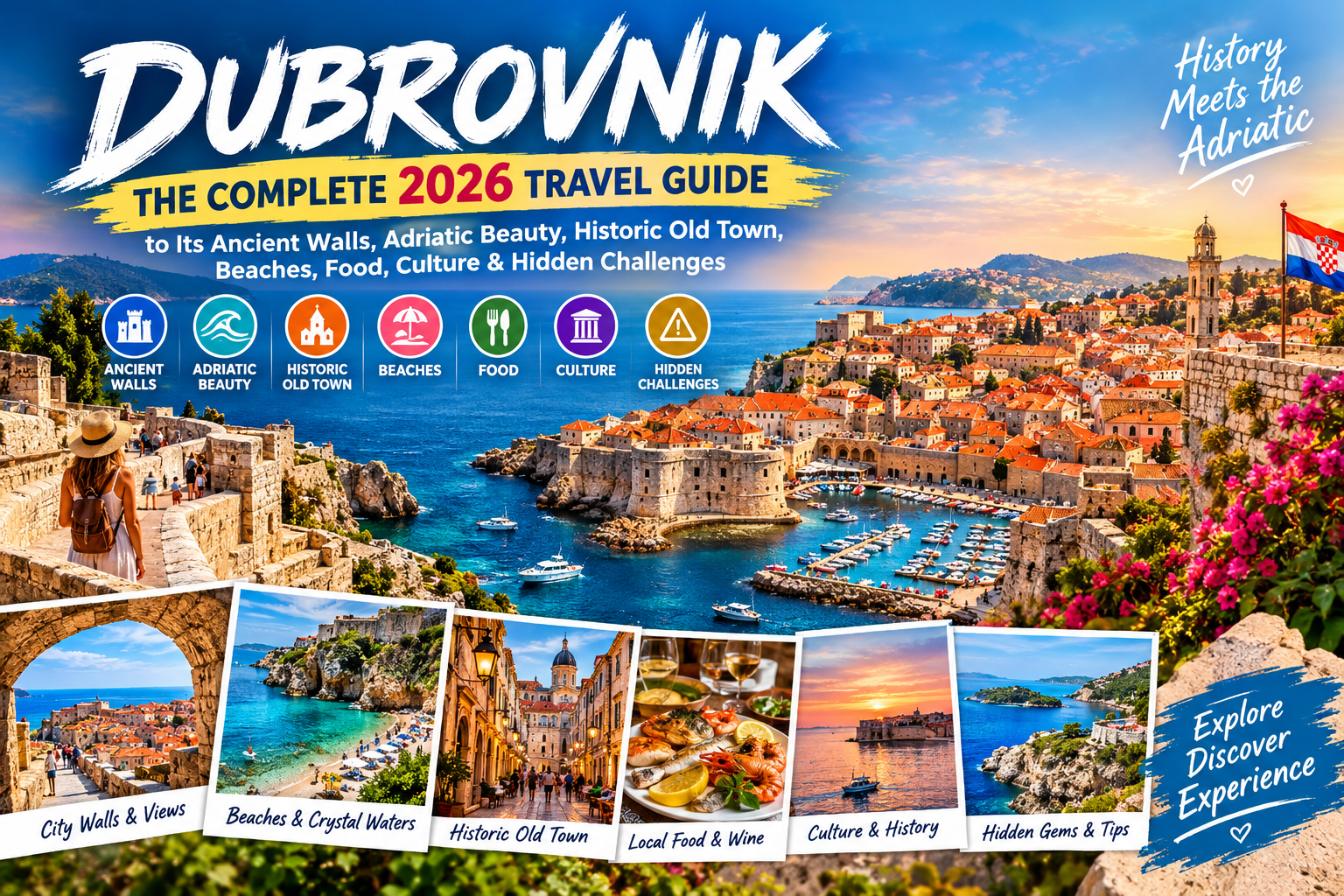
Dubrovnik is one of Croatia’s most captivating destinations, where medieval architecture, shimmering Adriatic waters, limestone streets, historic fortifications, and Mediterranean culture come together in a remarkably compact setting. Known as the “Pearl of the Adriatic,” the city combines centuries of history with beautiful coastal scenery and a lively modern travel scene.
For first-time visitors, Dubrovnik can feel almost cinematic. The Old Town rises behind massive stone walls, terracotta rooftops contrast with the deep blue sea, and narrow lanes open unexpectedly onto plazas, churches, restaurants, and quiet corners. Yet there is more to the destination than its postcard appearance.
A successful trip means understanding when to visit, how to explore the historic center, where to swim, what to eat, how to manage crowds, and how to experience the city beyond its most famous viewpoints. This guide covers the essential details while also highlighting some of the challenges that can affect a visit.
Why Dubrovnik Is Worth Visiting
Dubrovnik stands out because its attractions are unusually concentrated. Within and around the historic center, travelers can experience medieval defensive architecture, Baroque buildings, maritime history, museums, churches, coastal landscapes, and traditional Croatian cuisine without needing to travel long distances between major sights.
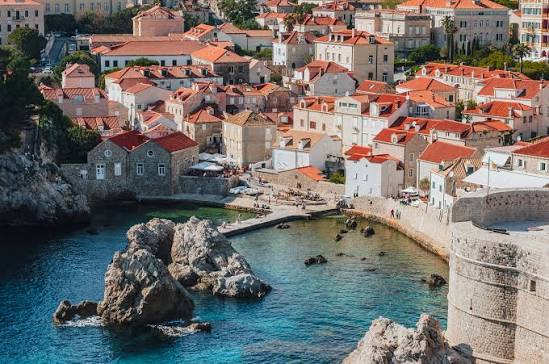
The city’s Old Town is its defining attraction and is protected as a UNESCO World Heritage Site. Walking through Pile Gate and along the historic streets provides a sense of how Dubrovnik developed as the powerful maritime Republic of Ragusa. The famous city walls offer another perspective, allowing visitors to see the orange rooftops from above while looking toward Lokrum Island and the Adriatic Sea.
The experience changes depending on your interests. History enthusiasts can explore forts and museums, photographers can chase changing coastal light, food lovers can sample Dalmatian specialties, while active travelers can combine sightseeing with kayaking, swimming, hiking, and boat excursions. As one practical travel observation puts it, “the best memories often happen between the famous sights,” and that is particularly true here.
Best Time to Visit Dubrovnik
The best time to visit depends heavily on what you want from the trip. Late spring and early autumn are often attractive for travelers seeking a balance between pleasant weather, sightseeing conditions, and a less intense atmosphere than the height of summer. June can be particularly appealing for combining cultural exploration with time on the coast.
July and August bring the classic Mediterranean summer experience, with long sunny days and warm sea temperatures. However, these months can also bring substantial visitor numbers, particularly around the Old Town and during busy cruise periods. Travelers who dislike crowded streets may find early mornings and later afternoons much more enjoyable than the middle of the day.
| Travel period | Typical appeal | Best for |
|---|---|---|
| Spring | Mild weather and greener landscapes | Sightseeing and walking |
| Early summer | Warm conditions and longer days | Beaches and active trips |
| Peak summer | Hot weather and lively atmosphere | Swimming and nightlife |
| Early autumn | Pleasant temperatures and calmer feel | Culture, food and sightseeing |
| Winter | Quiet historic atmosphere | Budget-conscious cultural travelers |
Weather should also influence your itinerary. If you’re visiting during hotter months, schedule wall walks and other exposed activities earlier in the day, then reserve the afternoon for swimming, museums, lunch, or shaded streets.
Exploring the Old Town and Historic City Walls
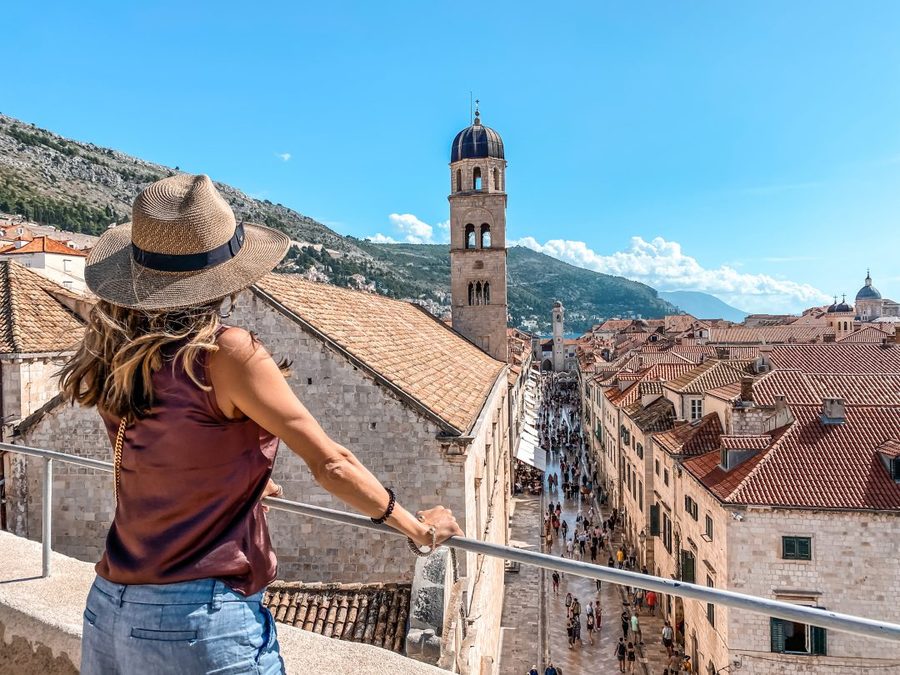
The Old Town is the heart of Dubrovnik and deserves more than a rushed walk through its main street. Stradun, the broad limestone thoroughfare running through the historic center, provides a natural starting point, but some of the most memorable details are found in the surrounding lanes.
The city walls are particularly important because they explain the strategic importance of the settlement. From the elevated walkway, visitors can see defensive towers, fortifications, rooftops, churches, and the coastline from a single route. Fort Lovrijenac, positioned outside the western side of the historic center, adds another layer to the city’s defensive story.
Take time to notice the architecture rather than simply moving between attractions. The Rector’s Palace, Dubrovnik Cathedral, Sponza Palace, Franciscan Monastery, and nearby squares reveal different periods of the city’s development. The result is more than a sightseeing checklist: it is an architectural record of a maritime republic shaped by commerce, diplomacy, earthquakes, war, and restoration.
The Best Beaches and Coastal Experiences
Although its historic architecture receives most of the attention, Dubrovnik is also an excellent destination for coastal activities. Banje Beach is the best-known option close to the Old Town, offering convenient access and memorable views across the water toward the historic city.
Travelers seeking a quieter experience can explore beaches and swimming areas outside the immediate center. Lapad and the surrounding coastline provide opportunities for swimming, relaxing, walking, and enjoying waterfront restaurants. The rocky shoreline also creates countless places where locals and experienced travelers simply enter the Adriatic for a quick swim.
Sea kayaking is another rewarding way to experience the coast. From the water, the city walls look dramatically different, and paddling around the coastline can provide views that are impossible to appreciate fully from land. Boat trips to nearby islands can similarly transform a city break into a broader Adriatic adventure.
Food, Wine and Traditional Croatian Flavors
Dubrovnik’s food culture reflects its location at the meeting point of Mediterranean, Balkan, and Adriatic culinary traditions. Seafood naturally plays a major role, with grilled fish, octopus, shellfish, squid, and other locally influenced dishes appearing across restaurant menus.
Traditional Dalmatian cooking tends to favor quality ingredients rather than complicated preparation. Olive oil, garlic, herbs, vegetables, fresh seafood, and grilled meats are common foundations. Visitors should also look for dishes such as black risotto, octopus salad, pašticada, and locally influenced pastries.
Wine deserves attention as well. Croatia has a long winemaking tradition, and the southern Dalmatian region is associated with distinctive varieties and vineyards. A relaxed meal paired with Croatian wine can be one of the easiest ways to slow down after a busy day of sightseeing. Instead of treating dinner as another attraction to check off, consider it part of the cultural experience.
Where to Stay and How to Choose Your Base
Choosing accommodation carefully can dramatically change your experience. Staying inside the historic center provides immediate access to major attractions and atmospheric evening walks, but old buildings can involve stairs, compact rooms, and limited vehicle access.
Outside the walls, areas such as Lapad can provide a more relaxed base with beaches, waterfront walks, restaurants, and easier access to modern accommodation. Pile and Ploče are also useful areas for travelers who want to remain close to the historic center while avoiding the need to sleep directly within its busiest streets.
The right location depends on your priorities. A couple focused on atmosphere may appreciate staying near the Old Town, while families or longer-stay travelers may prefer additional space and quieter surroundings. Travelers with heavy luggage should pay particular attention to steep streets and stairs when choosing accommodation.
Getting Around and Managing Dubrovnik’s Crowds
Dubrovnik is relatively easy to explore on foot, particularly around the historic center. The challenge is not usually distance but terrain, heat, crowds, and stairs. Comfortable footwear is essential because polished limestone streets can become slippery, especially when wet.
During busy periods, cruise-ship arrivals can significantly influence the atmosphere around the Old Town. A street that feels wonderfully peaceful early in the morning can become extremely busy later. The practical solution is simple: start important sightseeing early and use the busiest part of the afternoon for less crowded activities.
Public buses connect important parts of the wider urban area, while taxis and organized transfers can help with airport journeys and excursions. Cars are generally far less useful inside the historic center. For most visitors, walking combined with public transportation is a more practical approach than trying to drive around the city.
Common Travel Challenges and Smart Solutions
One of the biggest challenges is cost. Dubrovnik is among Croatia’s most internationally recognized destinations, and accommodation, dining, tours, and popular experiences can become expensive during the busiest season. Booking early and traveling outside peak periods can help control costs.
Another issue is heat. Walking along exposed stone walls under strong Mediterranean sunlight can be tiring. The solution is to structure the day intelligently: explore outdoor attractions early, rest during the hottest hours, stay hydrated, and return outdoors later.
Crowding is another consideration. Instead of viewing busy conditions simply as a problem, treat them as a planning issue. Early mornings, quieter side streets, less famous attractions, and shoulder-season travel can make the destination feel significantly more personal.
Day Trips and Experiences Beyond the Historic Center
Dubrovnik works well as a base for exploring southern Croatia and the wider Adriatic region. Lokrum Island is one of the easiest nearby escapes, offering greenery, coastal scenery, swimming areas, and a change of pace from the urban environment.
Travelers with more time can explore destinations and islands around the southern Adriatic. Boat excursions, coastal tours, and trips toward the Konavle region can reveal landscapes that differ from the fortified city.
A useful approach is to avoid packing every day with organized excursions. If you have several days, reserve at least one period for wandering without a strict schedule. The destination’s character often becomes clearer when you move beyond the headline attractions and experience ordinary streets, cafés, markets, waterfront paths, and neighborhood restaurants.
Dubrovnik and Its Game of Thrones Legacy
The city became internationally recognizable to an even wider audience after serving as a filming location for Game of Thrones. Dubrovnik was used extensively as a setting for King’s Landing, with its walls, fortresses, streets, and coastal views appearing throughout the series.
Fans can recognize locations associated with scenes involving characters such as Cersei Lannister and Tyrion Lannister, while Fort Lovrijenac is especially recognizable from the fictional world of the show. Guided filming-location tours are available for visitors who want additional context.
Even if you have never watched the series, however, the locations remain historically significant. The best approach is to treat the filming connection as an additional layer rather than the central reason for visiting. The real story of the city extends far beyond television.
Practical Tips for a Better Trip
A little preparation makes exploring Dubrovnik much easier. Wear supportive walking shoes, carry water, protect yourself from the sun, and keep some flexibility in your schedule. Limestone streets, stairs, and steep approaches can be surprisingly demanding.
It is also wise to respect the residential character of the Old Town. Historic buildings are not simply scenery; people live and work within this UNESCO-listed environment. Keeping noise down, following local rules, disposing of waste responsibly, and avoiding unnecessary congestion helps preserve the character that attracts visitors in the first place.
For photographers, sunrise and late afternoon can provide particularly attractive light over the walls and rooftops. For food lovers, eating slightly away from the busiest tourist streets can sometimes provide a more relaxed experience. For families, alternating major attractions with beach time can prevent sightseeing fatigue.
Frequently Asked Questions About Dubrovnik
How many days are enough for Dubrovnik?
Three days is a useful starting point for a first visit. This allows enough time to explore the Old Town and walls, visit major historic attractions, enjoy the coast, and take at least one slower afternoon. Four or five days provides a better pace if you want to add island excursions or explore the surrounding region.
Is Dubrovnik expensive to visit?
Dubrovnik can be relatively expensive compared with many other destinations in Croatia, particularly during the summer season. Accommodation near the historic center, popular tours, and waterfront restaurants can increase the overall budget. Traveling during shoulder seasons, booking accommodation early, and mixing restaurant meals with simpler local food can make the trip more manageable.
What is Dubrovnik famous for?
Dubrovnik is famous for its medieval Old Town, historic city walls, Adriatic coastline, maritime heritage, distinctive architecture, and UNESCO World Heritage status. It is also internationally recognized as a major filming location for Game of Thrones.
Is Dubrovnik good for families?
Yes. Families can combine history and sightseeing with beaches, boat trips, swimming, and outdoor activities. However, the steep streets, stairs, heat, and crowds can be challenging for young children, so a flexible itinerary with regular breaks is usually more comfortable.
Can you visit Dubrovnik without a car?
Yes. In fact, many visitors will find a car unnecessary for the core experience. The historic center is highly walkable, while buses and other transportation options connect it with surrounding neighborhoods and attractions. A car becomes more useful if you plan to explore destinations farther from the city independently.
What should you not miss in Dubrovnik?
The historic Old Town, city walls, Stradun, Fort Lovrijenac, Rector’s Palace, Dubrovnik Cathedral, and the coastline are among the essential experiences. If your schedule permits, add Lokrum Island or another coastal excursion to see a different side of the region.
Conclusion
Dubrovnik succeeds because it offers several travel experiences at once: a remarkably preserved historic city, a dramatic Adriatic coastline, strong culinary traditions, outdoor adventures, and a fascinating connection to European maritime history. Its beauty is obvious, but its deeper appeal emerges when you slow down and look beyond the most photographed locations.
The smartest way to experience Dubrovnik is to balance famous landmarks with quieter moments. Walk the walls early, explore the historic streets carefully, swim in the Adriatic, taste regional food, learn about the Republic of Ragusa, and leave room for the unexpected.
Ultimately, Dubrovnik is not simply a beautiful Croatian destination to photograph. It is a living historic city whose architecture, landscape, culture, and coastal setting reward travelers who take the time to understand what they are seeing. The final takeaway is simple: plan around the crowds, respect the city, and give yourself enough time to experience both its spectacular landmarks and its quieter Mediterranean character.