


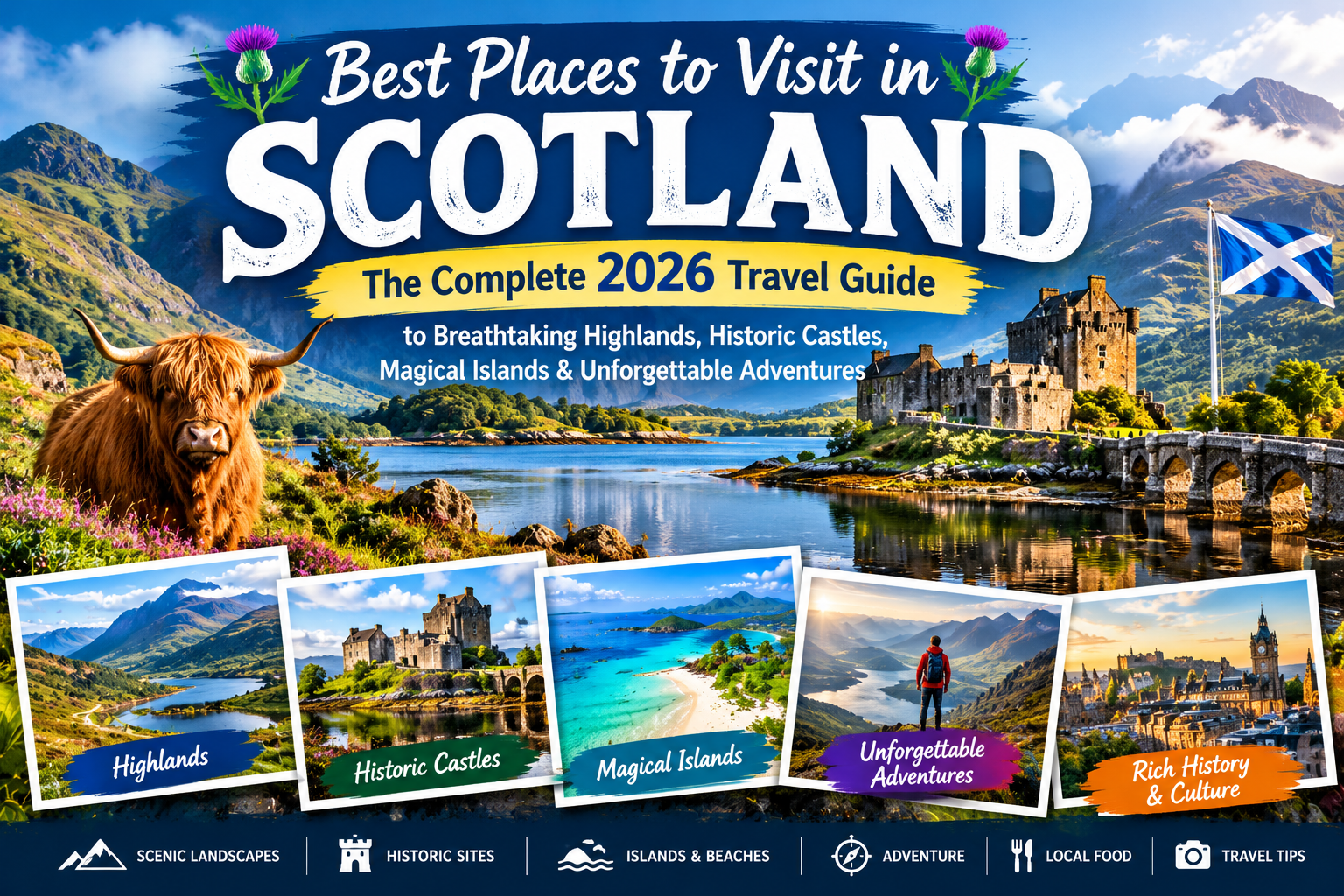
Scotland is a destination where dramatic mountains meet peaceful lochs, medieval castles overlook cobbled streets, and remote islands reveal some of Britain’s most spectacular coastal scenery. From Edinburgh’s historic architecture to the rugged landscapes of the Scottish Highlands, this remarkable country offers a blend of natural beauty, fascinating history, vibrant culture, and memorable outdoor adventures.
The best places to visit in Scotland suit a wide range of travelers. History enthusiasts can explore ancient fortresses and atmospheric old towns, while hikers can discover mountain trails, waterfalls, and coastal paths. Food lovers can sample Scottish salmon, traditional shortbread, and regional specialties, and road-trip enthusiasts can follow scenic routes through glens, fishing villages, and island communities.
Planning a successful trip means balancing famous landmarks with quieter destinations and allowing enough time to enjoy each region. Scotland’s weather can change quickly, travel distances are sometimes longer than they appear on a map, and popular attractions can become busy during summer. With thoughtful planning, visitors can experience both the country’s iconic highlights and its quieter, more personal side.
Edinburgh: Scotland’s Historic and Cultural Capital
Edinburgh is an excellent starting point for exploring Scotland because it combines historic landmarks, cultural attractions, shopping streets, and accessible public transportation. Edinburgh Castle dominates the skyline from Castle Rock, offering sweeping views across the city and an introduction to centuries of Scottish royal and military history. Nearby, the Royal Mile connects the castle with the Palace of Holyroodhouse, passing historic buildings, narrow closes, traditional pubs, and independent shops along the way.
The city also rewards travelers who explore beyond its busiest streets. Arthur’s Seat, an extinct volcanic hill in Holyrood Park, provides a rewarding hike and panoramic views over Edinburgh and the Firth of Forth. Dean Village offers picturesque riverside scenery, while the National Museum of Scotland provides an engaging introduction to Scottish heritage, science, and world cultures. Visitors interested in literature can also explore the city’s literary landmarks and atmospheric cafés.
Allow at least two full days to appreciate Edinburgh without rushing between attractions. During August, the Edinburgh Festival Fringe and other major festivals bring extraordinary performances and energy to the city, but accommodation becomes more expensive and availability tightens. Booking ahead is especially important during festival season and around major holidays.
Scottish Highlands: Mountains, Glens, and Wild Landscapes
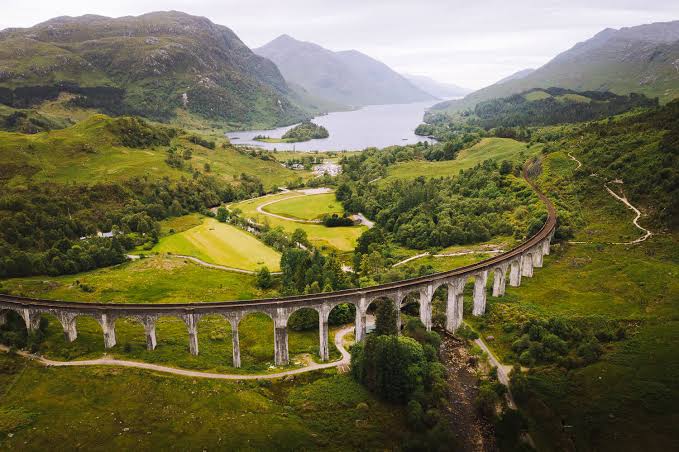
The Scottish Highlands are among the country’s most recognizable landscapes, featuring rugged peaks, deep valleys, remote villages, and vast stretches of open countryside. This region is ideal for travelers who want scenic drives, hiking, wildlife watching, and a stronger connection with Scotland’s rural heritage. Glencoe is particularly striking, with steep mountains and dramatic glens shaped by geological forces and centuries of human history.
Outdoor enthusiasts can choose from gentle valley walks to challenging mountain routes. Ben Nevis, near Fort William, is the highest mountain in the United Kingdom, attracting experienced hikers who are properly equipped for changing conditions. Those who prefer less strenuous adventures can explore viewpoints, woodland paths, waterfalls, and short walking trails throughout the Highlands. Local visitor centers and qualified guides can help travelers select routes appropriate for their fitness and experience.
The Highlands are best explored at a relaxed pace. A journey that looks short on a map may take considerably longer because of winding roads, single-track sections, passing places, and frequent scenic stops. Rather than trying to cover the entire region in a day, base yourself in a town such as Fort William, Aviemore, or Inverness and explore the surrounding area.
Isle of Skye: Fairy Pools, Coastal Cliffs, and Mountain Scenery
The Isle of Skye is famous for extraordinary geological formations, rugged coastlines, and landscapes that seem almost otherworldly. The Old Man of Storr, a towering rock formation on the Trotternish Peninsula, is one of its best-known landmarks. The Quiraing offers dramatic cliffs and unusual rock formations, while the Fairy Pools near Glen Brittle attract visitors with their clear water and mountain backdrop. Each location reveals a different side of Skye’s distinctive scenery.
Skye is also a rewarding destination for photography, wildlife observation, and exploring small Highland communities. Portree, the island’s main town, is known for its colorful waterfront, restaurants, and practical visitor services. Travelers can explore local craft shops, sample seafood, and learn about the island’s Gaelic heritage. Weather conditions often transform the scenery, with passing clouds and shifting light creating dramatic views within minutes.
Allow at least two days on Skye if possible, especially if you want to visit several major attractions. Summer brings long daylight hours but also heavy traffic and crowded trails. Spring and early autumn can offer appealing alternatives, although weather is unpredictable throughout the year. Comfortable waterproof footwear is essential, and visitors should stick to marked paths to protect fragile landscapes.
Loch Ness and Inverness: Legends, History, and Highland Culture
Loch Ness is one of Scotland’s most famous natural landmarks, widely associated with the legend of the Loch Ness Monster. The long freshwater loch stretches through the Great Glen, surrounded by forested slopes and Highland scenery. Visitors can enjoy lakeside viewpoints, boat cruises, and walks, while the ruins of Urquhart Castle provide an atmospheric setting for learning about the region’s turbulent past.
The appeal of Loch Ness extends beyond the famous legend. Its depth, dark waters, and expansive landscape make it an interesting destination for nature lovers and travelers exploring the Highlands. Although stories about Nessie remain part of local tourism, there is no reliable scientific evidence confirming the creature’s existence. The surrounding scenery and history offer plenty of reasons to visit regardless of the mystery.
Inverness, often considered the capital of the Highlands, makes a convenient base for exploring the loch and nearby attractions. The city features riverside walks along the River Ness, historic sites, restaurants, and transport connections. Travelers can also visit Culloden Battlefield, where the 1746 Battle of Culloden marked a decisive moment in the Jacobite uprising. Combining Inverness with Loch Ness creates a useful mix of scenery, history, and comfortable urban amenities.
Glasgow: Art, Architecture, Music, and Urban Energy
Glasgow offers a different experience from Edinburgh, with a strong creative identity, impressive architecture, lively music venues, and a reputation for friendly hospitality. The city developed through major industrial and shipbuilding industries, and its Victorian buildings reflect that history. Architecture enthusiasts can discover the work associated with Charles Rennie Mackintosh, whose distinctive designs helped shape Glasgow’s artistic legacy.
The Kelvingrove Art Gallery and Museum is a major cultural attraction, while the Riverside Museum explores transport and technology through engaging displays. The West End features independent shops, cafés, restaurants, and access to the University of Glasgow’s striking historic campus. Travelers interested in live music can explore venues across the city, which has a long-standing reputation for supporting performers across different genres.
Glasgow is also a practical gateway to destinations farther west, including Loch Lomond and the Trossachs National Park. Spending one or two days in the city provides time to enjoy museums, food, and nightlife before continuing into the countryside. Visitors who focus only on Scotland’s castles and rural landscapes may miss this energetic side of the country’s identity.
Loch Lomond and the Trossachs National Park: Lakes and Outdoor Adventures
Loch Lomond and the Trossachs National Park is a convenient destination for travelers seeking lakeside scenery, woodland walks, boating, and outdoor recreation without venturing deep into the Highlands. Loch Lomond, one of Scotland’s best-known freshwater lakes, is surrounded by hills, villages, and forested slopes. The area offers opportunities for kayaking, cycling, wildlife watching, and peaceful picnics beside the water.
The park contains landscapes suitable for different ability levels. Visitors can enjoy easy shoreline walks or take on more demanding hill routes, including climbs in the Arrochar Alps and surrounding ranges. The village of Luss is popular for its attractive cottages and lochside views, while Balloch provides visitor facilities and access to boat trips. Checking local conditions is important because paths can become muddy and exposed hilltops may experience strong winds.
This region is particularly useful for shorter itineraries because it can be reached from Glasgow and parts of central Scotland. A day trip provides a taste of the countryside, while an overnight stay allows more time for walking and exploring small communities. During busy periods, arriving early at popular trailheads and using designated parking areas helps reduce congestion.
Stirling: Castles, Scottish History, and Medieval Streets
Stirling played a major role in Scotland’s history because of its strategic position between the Highlands and Lowlands. Stirling Castle stands on a rocky hill above the surrounding landscape and was once an important royal residence. Its grand halls, defensive structures, and interpretive displays help visitors understand the political struggles and royal life that shaped the country over several centuries.
The city is also associated with William Wallace and Robert the Bruce, two important figures in the Wars of Scottish Independence. The National Wallace Monument, located on a nearby hillside, commemorates Wallace and offers expansive views across the region. Stirling Old Town adds another layer of interest through its historic streets, traditional architecture, and links to Scotland’s medieval past.
Stirling is a strong choice for travelers who enjoy history but have limited time for longer journeys. Its location makes it possible to visit from Edinburgh or Glasgow, and combining the castle with the monument creates a rewarding day trip. Visitors should allow enough time for uphill walks and check attraction opening times before traveling.
Orkney Islands: Ancient Stone Circles and Coastal Heritage
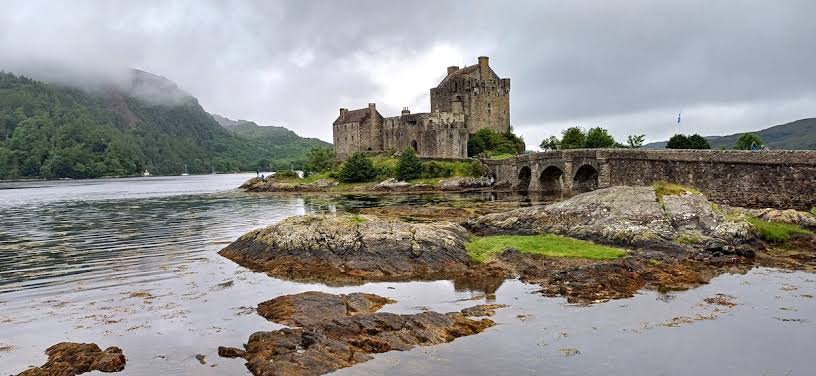
The Orkney Islands, located off Scotland’s northeastern coast, offer a fascinating combination of prehistoric archaeology, rugged shorelines, wildlife, and island culture. The Heart of Neolithic Orkney includes internationally significant sites such as Skara Brae, an exceptionally well-preserved prehistoric settlement, and the Ring of Brodgar, a monumental stone circle set within an open landscape. These places reveal how communities lived, built, and organized their world thousands of years ago.
Beyond archaeology, Orkney offers coastal walks, birdwatching, traditional food, and a distinctive local identity shaped by its maritime location and Norse heritage. Kirkwall, the main town, is home to St Magnus Cathedral and provides accommodation, shops, and visitor services. Small communities across the islands offer opportunities to experience local crafts and quieter coastal scenery.
Orkney requires more logistical planning than destinations connected by major roads. Visitors can travel by ferry or air, depending on their route, and should check seasonal schedules before finalizing accommodation. Two or three days is a useful starting point for seeing the main historic attractions without rushing, although travelers interested in remote islands and wildlife may want longer.
Best Places to Visit in Scotland at a Glance
The best itinerary depends on how much time you have, whether you prefer cities or nature, and how you plan to travel. The table below compares major destinations by their standout experiences and suggested minimum stays.
| Destination | Best known for | Suggested time | Ideal for |
|---|---|---|---|
| Edinburgh | Castle, Royal Mile, museums, festivals | 2–3 days | First-time visitors and history lovers |
| Scottish Highlands | Mountains, glens, scenic drives | 2–4 days | Hikers and road-trippers |
| Isle of Skye | Old Man of Storr, Quiraing, Fairy Pools | 2–3 days | Nature lovers and photographers |
| Loch Ness and Inverness | Loch cruises, castles, Highland history | 1–2 days | Families and history enthusiasts |
| Glasgow | Museums, architecture, music, dining | 1–2 days | Culture seekers and city explorers |
| Loch Lomond and the Trossachs | Lakes, walking trails, boating | 1–2 days | Outdoor enthusiasts |
| Stirling | Castle, medieval history, Wallace Monument | 1 day | History lovers |
| Orkney Islands | Prehistoric sites, wildlife, coastal scenery | 2–3 days | Archaeology enthusiasts and slow travelers |
These time estimates are planning suggestions, not fixed requirements. Travel between regions, weather disruptions, and seasonal transport schedules can affect how much you can realistically see. For a first visit of seven days, focusing on Edinburgh, the Highlands, and either Skye or Loch Ness usually creates a more satisfying journey than trying to cover every destination.
Best Time to Visit Scotland and Practical Travel Advice
Scotland can be visited throughout the year, but each season creates a different travel experience. Late spring and summer generally offer longer daylight hours, making them attractive for road trips, hiking, and island exploration. July and August are popular months, particularly in Edinburgh during festival season, so accommodation and rental cars should be booked well in advance.
Autumn brings changing foliage and quieter conditions in some areas, while winter offers atmospheric cities, seasonal celebrations, and snow-covered mountain scenery. However, daylight hours are shorter in winter, and some rural attractions or transport services operate on reduced schedules. Mountain weather can become severe, so hiking plans should reflect current forecasts and the experience of everyone in the group.
A few practical habits make a significant difference. Pack waterproof outerwear and layers even in summer, because weather can change quickly. When driving in rural areas, remember that some roads are narrow single-track routes with passing places; drive patiently and allow faster vehicles to pass safely. Public transport is useful between major cities, but a rental car can provide greater flexibility in remote areas. Travelers should also reserve popular accommodation early and verify ferry schedules before visiting the islands.
Frequently Asked Questions About the Best Places to Visit in Scotland
What are the best places to visit in Scotland for first-time travelers?
Edinburgh, the Scottish Highlands, the Isle of Skye, and Loch Ness are excellent starting points because they combine historic landmarks, dramatic scenery, and recognizable Scottish experiences. Glasgow is a strong addition for museums, architecture, and music. The ideal combination depends on your trip length, transport arrangements, and whether you prefer cities, outdoor activities, or a mixture of both.
How many days are enough to explore Scotland?
A long weekend is enough to enjoy Edinburgh and perhaps take a short excursion, while seven days can accommodate a city stay and a Highland adventure. Ten to fourteen days allows a more relaxed route with additional destinations such as Skye, Glasgow, or Orkney. Scotland’s winding roads and scenic stops make it important to avoid planning too many long journeys in a single day.
What is the most beautiful part of Scotland?
Beauty is subjective, but the Highlands and Isle of Skye are especially celebrated for rugged mountains, deep valleys, waterfalls, and dramatic coastal scenery. Loch Lomond offers gentler lakeside landscapes, while Orkney combines open coastal views with ancient archaeological sites. Travelers who enjoy historic architecture may find Edinburgh and Stirling equally memorable for their atmosphere and heritage.
What is the best month to visit Scotland?
May, June, and September can be appealing because they often provide a balance of daylight, outdoor opportunities, and conditions outside the busiest peak periods. July and August offer long days and major festivals but can be crowded and expensive. Weather remains unpredictable in every season, so the best month depends on your activities, budget, and flexibility.
Is Scotland expensive for tourists?
Costs depend on the season, accommodation, transport, and dining choices. Edinburgh during major festivals and remote island destinations can be expensive, especially when accommodation is limited. Travelers can manage expenses by booking early, using trains or buses between cities, choosing guesthouses, and combining paid attractions with free museums, walking trails, and public viewpoints.
Can you explore Scotland without a car?
Yes. Trains and buses connect major cities and many towns, while organized tours can reach destinations that are difficult to access independently. However, remote Highland locations and some island attractions are easier to explore by car. Travelers without a vehicle should check local bus frequencies, seasonal services, and ferry connections before choosing accommodation in rural areas.
Is the Isle of Skye worth visiting?
Yes, the Isle of Skye is worth considering for its distinctive rock formations, coastal landscapes, hiking opportunities, and small-town atmosphere. The Old Man of Storr, Quiraing, and Fairy Pools are among its most popular attractions. Visitors should allow enough time for driving and walking, carry waterproof clothing, and plan around changing weather rather than expecting every viewpoint to be clear.
Conclusion: Plan a Scottish Journey Filled With History and Natural Beauty
Scotland offers an exceptional variety of experiences, from Edinburgh’s medieval streets and Glasgow’s creative neighborhoods to the Highlands’ towering mountains, Skye’s dramatic formations, and Orkney’s ancient archaeological wonders. Each destination reveals a different aspect of the country’s history, landscapes, and cultural identity.
The best places to visit in Scotland are not necessarily the ones you can fit into the shortest itinerary. A more rewarding trip balances famous attractions with time to explore local communities, enjoy scenic walks, sample regional food, and appreciate the changing landscape. Choose destinations that match your interests, account for realistic travel times, and leave room for unexpected discoveries.
The final insight: Scotland’s greatest attraction is the contrast between its places. A historic city, a quiet loch, a rugged mountain road, and a remote island can feel like entirely different worlds within one country. Give yourself enough time to experience those contrasts, and your Scottish journey will become much more than a checklist of landmarks.