



The Lake District is one of England’s most beautiful destinations, celebrated for its sparkling lakes, rugged mountains, stone-built villages, and peaceful countryside. Located in Cumbria in northwest England, this celebrated national park attracts hikers, photographers, families, nature lovers, and travelers seeking a relaxing escape. From the famous waters of Windermere to the dramatic peaks surrounding Great Langdale, its landscapes offer something special in every season.
What makes the region so memorable is the variety packed into a relatively compact area. You can take a boat across a lake in the morning, hike to a mountain viewpoint in the afternoon, and finish the day in a traditional village pub. Historic houses, literary landmarks, waterfalls, wildlife, and outdoor activities add depth to a destination often associated primarily with walking.
Planning is important because mountain roads can be narrow, weather conditions change quickly, and popular lakeside towns become busy during holidays. Choosing a convenient base, checking walking conditions, and allowing time to explore at a relaxed pace will help you enjoy the scenery without spending your entire trip in the car.
Windermere: England’s Most Famous Lake
Windermere is the largest natural lake in England and one of the region’s best-known attractions. Its long stretch of water, wooded shores, surrounding hills, and picturesque waterfront communities create a classic Lake District landscape. The town of Bowness-on-Windermere is a popular base for boat trips, lakeside dining, independent shops, and family activities, while nearby Windermere town offers railway connections and accommodation.
A lake cruise is one of the easiest ways to appreciate the scenery without undertaking a strenuous walk. Depending on the service and route, visitors can enjoy views of wooded islands, distant hills, and lakeside houses from the water. Those who prefer to stay on land can explore shoreline paths, visit cafés, or combine the lake with attractions such as the World of Beatrix Potter in Bowness.
Windermere is particularly suitable for first-time visitors because it has a broad range of accommodation, restaurants, and transport connections. However, its popularity means traffic and parking can become challenging during peak season. Consider arriving by train, using local buses where practical, or booking accommodation within walking distance of the waterfront to reduce the need for driving.
Derwentwater and Keswick: Lakeside Walks and Mountain Views
Derwentwater, close to the market town of Keswick, is known for its wooded islands, dramatic surrounding fells, and peaceful atmosphere. The lake provides an excellent setting for walking, kayaking, paddle sports where permitted, and boat trips. On clear days, the mountain scenery creates beautiful reflections across the water, making the shoreline especially appealing to photographers and visitors who enjoy gentle outdoor activities.
The Derwentwater lakeshore circuit is a rewarding option for walkers who want to experience varied scenery without climbing a major mountain. The route passes through woodland, open lakeside sections, and viewpoints across the water, although terrain and total walking time depend on the chosen path. Visitors can also use lake launches to shorten or vary their journey when services are operating.
Keswick makes a convenient base because it offers outdoor equipment shops, cafés, accommodation, and access to nearby attractions. The town is also a good starting point for more demanding hikes, including routes around Catbells and the higher fells. If you are new to hillwalking, begin with a shorter trail and build up to steeper routes as your confidence and fitness improve.
Ullswater: Scenic Boat Trips and Beautiful Walking Trails
Ullswater is often admired for its dramatic mountain setting and quieter atmosphere compared with some of the region’s busiest destinations. Stretching between steep hills and open valleys, the lake offers opportunities for scenic cruises, lakeside picnics, photography, and walking. Traditional passenger vessels operated by Ullswater Steamers connect several locations along the lake when services are running, allowing visitors to combine a boat journey with a walk.
One of the area’s best-known walks leads to Aira Force, a waterfall surrounded by woodland managed by the National Trust. The paths offer a pleasant outing through trees and along streams, with viewpoints overlooking the falling water. Conditions can become slippery after rain, so footwear with reliable grip is important, particularly if you plan to explore the steeper sections.
Ullswater also suits travelers who want a quieter base for exploring the eastern part of the national park. Villages and lakeside communities provide access to scenic routes, while nearby valleys offer more challenging mountain walks. Check boat timetables and local transport before planning a day around a specific departure, especially outside the main summer season.
Scafell Pike: A Challenge for Experienced Hikers
Scafell Pike is the highest mountain in England, rising to approximately 978 metres above sea level. It attracts hikers looking for a demanding outdoor challenge and panoramic views across the surrounding mountains. Reaching the summit can be a rewarding experience, but it requires more preparation than a casual countryside walk because the terrain is rocky, the route can be difficult to navigate, and weather conditions can deteriorate rapidly.
Several routes lead toward the summit, including popular approaches from Wasdale Head and Great Langdale. Each has different distances, gradients, and terrain, so the best choice depends on fitness, experience, and the weather forecast. A route that feels manageable on a clear day can become significantly more difficult in low cloud, strong winds, or heavy rain.
Preparation should include suitable hiking boots, warm and waterproof layers, a map, a compass, navigation skills, food, water, and a realistic turnaround time. Do not rely entirely on a mobile phone because signal and battery life can be unreliable in remote areas. If you are inexperienced with mountain navigation, consider choosing a guided walk or a less demanding route instead.
Grasmere: Literary Heritage and Traditional Village Charm
Grasmere is a charming village associated with the poet William Wordsworth and the landscapes that inspired generations of writers and artists. Surrounded by hills and close to Grasmere lake, it combines literary heritage, traditional architecture, independent shops, and access to scenic walking routes. Its compact centre makes it easy to explore on foot, while the surrounding countryside offers a peaceful alternative to busier lakeside resorts.
Wordsworth Grasmere, which includes Dove Cottage and a museum, provides insight into the poet’s life, work, and relationship with the landscape. St Oswald’s Church and the nearby Wordsworth family graves are also important places for visitors interested in literary history. The village is famous for Grasmere gingerbread, a distinctive local specialty that makes a popular treat after a walk.
Grasmere works well for travelers who want a mixture of culture and outdoor activity. You can spend the morning exploring literary landmarks and the afternoon following a local walking route or enjoying views across the surrounding valley. Because village streets and parking areas are limited, visiting early or using public transport can make the experience more relaxed.
Buttermere: Peaceful Scenery and a Classic Lakeside Walk
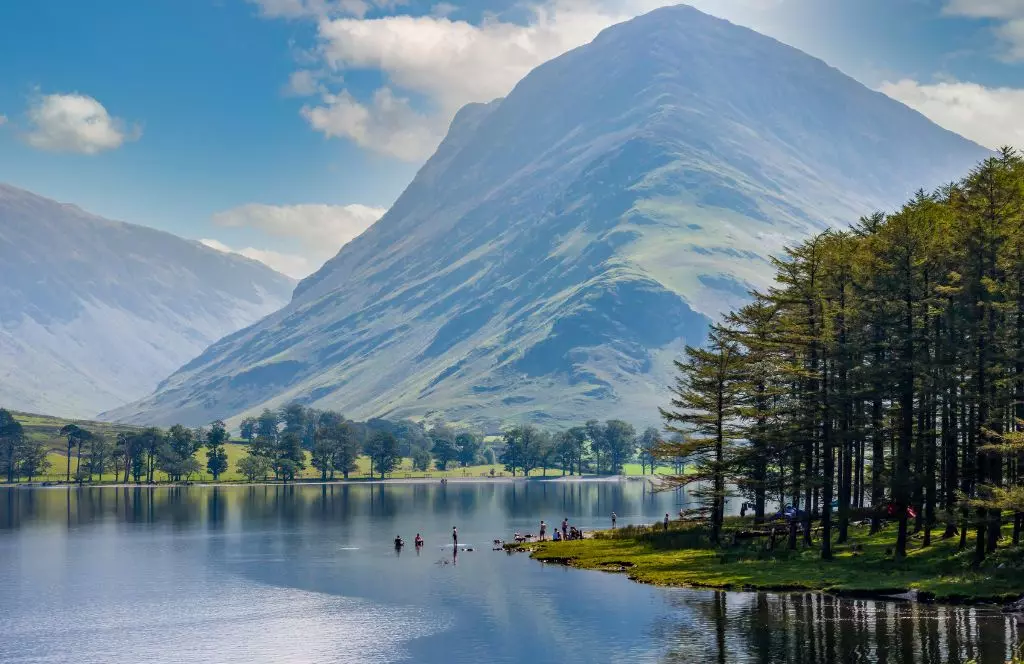
Buttermere is an excellent choice for visitors who want a quieter setting surrounded by striking mountain scenery. The lake lies within a dramatic valley where steep slopes descend toward the water, creating a landscape that feels remote despite being accessible by road. Its reflective surface, traditional stone walls, and surrounding fells make it particularly attractive to photographers and walkers.
The Buttermere lakeshore walk is a popular route that circles the water, passing through woodland, open shoreline, and sections close to the surrounding mountains. The relatively modest distance makes it accessible to many walkers, although uneven ground, narrow paths, and wet conditions can still make sections challenging. Allow extra time to stop for photographs and enjoy the scenery rather than treating the route as a race.
The surrounding area has fewer facilities than larger destinations such as Windermere or Keswick. Bring water and snacks, check parking arrangements, and plan your journey before arriving. This limited development is part of Buttermere’s appeal, but it also means visitors should not assume that cafés, shops, or public transport will always be available when needed.
Castlerigg Stone Circle: Ancient History With Mountain Views
Castlerigg Stone Circle is one of the region’s most distinctive historical landmarks, set on elevated ground near Keswick. The prehistoric monument consists of large standing stones arranged in an open landscape with views toward surrounding mountains. Its exact original purpose remains uncertain, but it is generally associated with the ceremonial and social practices of Neolithic communities.
The setting is a major part of the attraction. Unlike monuments surrounded by modern buildings, Castlerigg sits within an expansive rural landscape that makes it easy to appreciate the relationship between ancient people and their environment. Visitors can walk around the stone circle, observe the mountain views, and learn about the area’s early human history.
The site can be visited in a relatively short time and fits well into an itinerary focused on Keswick and Derwentwater. Conditions are exposed, however, so wind and rain can make even a brief visit uncomfortable. Treat the stones respectfully, follow site guidance, and avoid climbing on the monument.
Tarn Hows: Easy Walks and Family-Friendly Views
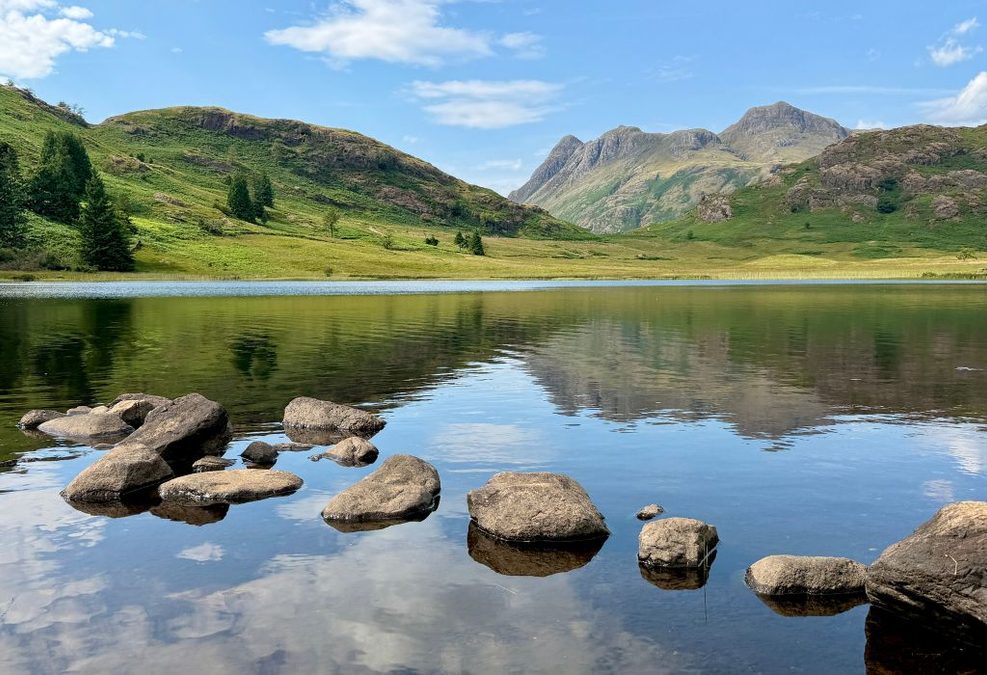
Tarn Hows is a celebrated beauty spot near Coniston, known for its calm water, wooded slopes, and accessible viewpoints. Unlike a demanding mountain summit, the area offers a gentler way to experience the region’s scenery. Its paths attract families, casual walkers, and photographers who want beautiful views without committing to a long or strenuous hike.
A circular route around the tarn is a popular choice, although walking conditions and accessibility vary across sections. Benches and viewpoints provide places to pause, while changes in light can transform the appearance of the water and surrounding trees. The landscape is particularly appealing during autumn, when woodland colors add another layer of interest.
Tarn Hows can become busy on weekends and during school holidays. Arriving early can make parking easier and give you a more peaceful walk. Check current access and parking information before travelling, and remember that even accessible routes may have uneven or muddy sections after rain.
Best Places to Visit in the Lake District at a Glance
The right itinerary depends on whether you prefer gentle lakeside walks, historic attractions, mountain challenges, or quieter countryside. This comparison can help you choose places that suit your interests and available time.
| Destination | Best known for | Suggested time | Ideal for |
|---|---|---|---|
| Windermere | Boat cruises, beaches, visitor attractions | Half to full day | First-time visitors and families |
| Derwentwater | Lakeside walks, Keswick, mountain views | Half to full day | Walkers and photographers |
| Ullswater | Scenic cruises and Aira Force waterfall | Half to full day | Nature lovers and couples |
| Scafell Pike | England’s highest mountain | Full day | Experienced hikers |
| Grasmere | Wordsworth heritage and gingerbread | Half day | Culture seekers and relaxed explorers |
| Buttermere | Mountain scenery and lakeside circuit | Half to full day | Photographers and walkers |
| Castlerigg Stone Circle | Prehistoric monument and panoramic views | 30–60 minutes | History enthusiasts |
| Tarn Hows | Accessible scenery and circular walking | 1–2 hours | Families and casual walkers |
These are approximate planning times and exclude some travel between locations. Weather, parking, trail conditions, and seasonal transport can affect how long each visit takes.
Best Time to Visit the Lake District
Late spring and summer are popular for walking, boating, and exploring villages because daylight hours are longer and many seasonal services operate more frequently. May, June, and September can be attractive for visitors seeking a balance between outdoor opportunities and potentially lighter crowds than the busiest school holiday periods. Summer weather is not guaranteed to be dry, however, and mountain conditions can change quickly even when valleys appear sunny.
Autumn brings colorful woodland and quieter paths in some areas, while winter offers dramatic landscapes and peaceful village stays. Snow, ice, shorter daylight hours, and reduced visibility can make mountain routes considerably more challenging during colder months. Some boat services and seasonal attractions also operate on reduced schedules, so check details before travelling.
The best time depends on your plans. For a boat-focused break, choose a period when the services you want are operating. For mountain hiking, prioritize a suitable forecast and sufficient daylight over a particular month. Whatever the season, pack waterproof clothing, comfortable footwear, and extra layers because the region’s weather is famously changeable.
Travel Tips for a Smooth Lake District Holiday
Choosing the right base can save considerable time. Windermere and Bowness are convenient for lake cruises and a wide choice of accommodation, while Keswick provides easy access to Derwentwater, northern mountain routes, and local shops. Grasmere suits visitors interested in literature and central walking routes, while smaller villages may provide a quieter atmosphere but fewer services.
Driving offers flexibility, especially when visiting remote valleys, but many roads are narrow and winding. Allow more time than a standard map estimate suggests, drive carefully, and use designated passing places on single-track roads. Public buses and trains can reduce the need for a car on some itineraries, although service frequency varies by route and season.
Responsible travel helps preserve the landscape. Stick to established paths, take litter home, respect livestock and private land, and avoid disturbing wildlife. Check official forecasts before walking in the fells, tell someone your planned route when heading into remote areas, and carry suitable navigation equipment. As a useful guiding principle, “Leave the landscape as you found it” reflects the care needed to protect the region for future visitors.
Frequently Asked Questions About the Lake District
What is the Lake District famous for?
The region is famous for its lakes, mountains, scenic walking routes, historic villages, and literary connections. Windermere, Derwentwater, Ullswater, Scafell Pike, and the village of Grasmere are among its best-known attractions. Its combination of natural beauty and cultural heritage makes it popular with hikers, families, photographers, and travelers seeking a countryside escape.
How many days do you need to explore the Lake District?
Two or three days are enough to experience a few major lakes and villages, while five to seven days allows a more relaxed itinerary with longer walks and additional destinations. Travelers planning demanding hikes should allow full days for mountain routes and avoid scheduling several strenuous activities back-to-back. The best length of stay depends on your interests, transport, and fitness.
What is the best lake to visit in the Lake District?
Windermere is a strong choice for first-time visitors because it offers boat trips, visitor facilities, and nearby attractions. Derwentwater appeals to walkers and photographers, while Ullswater offers dramatic scenery and scenic cruises. Buttermere is especially attractive to those who prefer a quieter atmosphere and classic mountain views.
Can you visit the Lake District without a car?
Yes. Trains connect towns such as Windermere, and buses serve many popular destinations, including Keswick and surrounding communities. However, remote valleys and some walking trailheads can be difficult to reach without a car. Check local timetables before booking accommodation and consider a base with good transport connections if you prefer not to drive.
Is the Lake District suitable for families?
Yes, families can enjoy lake cruises, gentle walks, historic attractions, wildlife watching, and village cafés. Tarn Hows and some lakeside routes provide relatively easy outings, while visitor attractions around Windermere offer additional activities. Check route gradients, weather, parking, and accessibility details before choosing a walk for younger children.
When is the best month to visit the Lake District?
May, June, and September are often good choices for combining walking, scenery, and village visits, although conditions vary from year to year. July and August offer long daylight hours but can be busy. Autumn is appealing for colorful woodland, while winter requires more careful planning because of shorter days and potentially difficult mountain conditions.
Is Scafell Pike suitable for beginners?
Scafell Pike is a demanding mountain walk and is not an ideal first hike for someone without suitable fitness, equipment, or navigation skills. Rocky terrain, steep sections, and rapidly changing weather can make the climb challenging. Beginners should consider easier routes first or join an experienced guide before attempting the summit.
Conclusion: Experience the Best of the Lake District
The Lake District combines spectacular natural scenery with a rich cultural heritage, offering everything from peaceful lakeside strolls and boat journeys to challenging mountain hikes and historic discoveries. Windermere and Derwentwater provide classic lake experiences, Ullswater and Buttermere reveal quieter landscapes, and destinations such as Grasmere and Castlerigg add fascinating connections to literature and ancient history.
A rewarding visit does not require rushing between every famous landmark. Choose a convenient base, build your itinerary around realistic travel times, and leave room for a spontaneous walk or an unplanned stop beside the water. Check the forecast, prepare appropriately for outdoor activities, and respect the environment throughout your journey.
Ultimately, the region’s greatest appeal lies in the way its landscapes encourage you to slow down. Whether you watch the morning mist lift from a lake, discover a village’s literary past, or reach a mountain viewpoint after a challenging climb, the experience becomes more memorable when you take time to appreciate the details.