


What Is the Caribbean? Geography, Islands, and Regional Identity
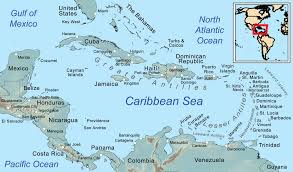
The Caribbean is a tropical region of the Americas known for its turquoise waters, white-sand beaches, lush mountains, colorful coastal towns, and remarkable cultural diversity. Located mainly between North and South America, it includes the Caribbean Sea, thousands of islands and cays, and nearby coastal territories. The region attracts travelers seeking relaxation, adventure, history, wildlife, and unforgettable culinary experiences.
Although many people picture beach resorts and palm trees, the Caribbean is far more diverse than a typical holiday postcard suggests. Its geography ranges from the mountainous interior of Jamaica to the limestone landscapes of the Bahamas, the volcanic peaks of Saint Lucia, and the coral reefs surrounding Belize. These differences influence local weather, wildlife, food production, outdoor activities, and the experiences available to visitors.
The region also has a complex history shaped by Indigenous communities, European colonization, African heritage, migration, and international trade. These influences are visible in its languages, music, architecture, religious traditions, and cuisine. Spanish, English, French, Dutch, and numerous Creole languages are spoken across different islands, making the region culturally rich rather than uniform.
Best Caribbean Islands to Visit for Different Travel Experiences
Choosing the right island depends on your budget, travel style, interests, and available time. Some destinations are especially suitable for all-inclusive holidays, while others appeal to independent travelers who want hiking trails, local markets, historic neighborhoods, or quieter beaches. Researching these differences before booking can help you find an island that matches your expectations.
The Bahamas is popular for clear water, boating, snorkeling, and spectacular marine environments. Jamaica combines beaches with reggae music, waterfalls, mountain scenery, and distinctive cuisine. Barbados offers beautiful coastlines, historic attractions, and a strong food culture, while Saint Lucia is famous for its dramatic Pitons, rainforest landscapes, and romantic resorts. The Dominican Republic provides a broad choice of accommodations and excursions, from Punta Cana’s resort beaches to the historic streets of Santo Domingo.
Travelers interested in French Caribbean culture might consider Martinique or Guadeloupe, where French influences meet Caribbean traditions and lush natural scenery. Aruba, Bonaire, and Curaçao offer a different experience in the southern Caribbean, with colorful architecture, dry landscapes, diving opportunities, and generally less exposure to the main Atlantic hurricane track than many northern islands. However, weather conditions can vary, so no destination should be treated as completely risk-free.

Best Time to Visit the Caribbean for Weather and Value
The best time to visit depends on whether you prioritize dry weather, lower prices, fewer crowds, or specific activities. Many islands experience their most popular travel season from December through April, when conditions are often relatively dry and temperatures remain warm. This period is attractive to travelers escaping colder climates, but flights and accommodation can be more expensive around Christmas, New Year, and school holidays.
The Atlantic hurricane season officially runs from June 1 through November 30. Tropical storms are not equally likely every day or in every location, but the period requires additional attention to forecasts, flexible bookings, and travel insurance. September and October are often particularly active months in the Atlantic basin. Travelers planning summer or autumn trips should check official weather guidance and understand cancellation policies before paying for nonrefundable reservations.
| Travel period | Typical advantages | Possible drawbacks | Best suited for |
|---|---|---|---|
| December–April | Often drier weather and comfortable beach conditions | Higher prices and larger crowds | First-time visitors and winter escapes |
| May–June | Shoulder-season deals and warm seas | Increasing humidity and rainfall | Budget-conscious travelers |
| July–August | Summer holidays and lively island events | Heat, humidity, and storm risk | Families with fixed school holidays |
| September–November | Potentially lower accommodation prices | Greater tropical storm and hurricane concerns | Flexible travelers monitoring forecasts |
These are general regional patterns rather than guarantees for every island. Local rainfall, trade winds, elevation, and ocean conditions can produce meaningful differences even between neighboring destinations. For a trip built around hiking, sailing, diving, or wildlife watching, check the seasonal conditions for your specific destination instead of relying on a regional average.
Best Beaches, Coral Reefs, and Natural Attractions
The region’s beaches are among its most recognizable attractions, but they offer very different experiences. Grace Bay in Turks and Caicos is known for its clear water and soft sand, while Seven Mile Beach in Grand Cayman combines swimming opportunities with resort facilities and restaurants. In Antigua, numerous coves and bays provide alternatives for visitors who prefer exploring smaller stretches of coastline rather than spending every day at one major beach.
Beyond the shoreline, coral reefs support colorful fish, sea turtles, and other marine life. Snorkeling and scuba diving are popular around Bonaire, the Cayman Islands, and many other destinations with accessible reefs. Responsible visitors should avoid touching coral, feeding wildlife, collecting shells from protected areas, or standing on reef structures. Coral grows slowly, and careless contact can damage habitats that support both biodiversity and local tourism.
Nature lovers can also explore rainforest trails, waterfalls, volcanic landscapes, and protected national parks. Dominica is especially appealing for hiking and rainforest scenery, while Saint Lucia offers mountain trails and panoramic views around the Pitons. On Jamaica, visitors can combine beach time with inland excursions to waterfalls and the Blue Mountains. These activities provide a useful alternative when travelers want a break from resort life or prefer active holidays.
Caribbean Culture, History, Music, and Local Traditions
The region’s cultural identity reflects centuries of Indigenous heritage, African traditions, European influence, Asian migration, and exchanges between neighboring islands. These histories are expressed through Carnival celebrations, storytelling, dance, religious practices, traditional crafts, and community gatherings. Cultural experiences can be just as memorable as the beaches, especially when travelers take time to learn about local history rather than treating an island as simply a resort destination.
Music is central to many Caribbean communities. Jamaica is internationally associated with reggae and dancehall, Trinidad and Tobago with calypso and soca, and the Dominican Republic with merengue and bachata. These genres developed in distinct historical and social settings, and their rhythms continue to shape festivals, nightlife, and everyday life. Attending a local performance or community event can provide a deeper appreciation of a destination than visiting only commercial entertainment venues.
Historic towns also reveal the region’s complex past. Old San Juan in Puerto Rico features colorful streets and colonial-era fortifications, while Bridgetown in Barbados reflects centuries of maritime commerce and colonial history. Santo Domingo contains one of the oldest European-established colonial districts in the Americas. Visitors should approach these places with curiosity, recognizing that historic architecture can represent both cultural achievement and difficult histories involving enslavement, displacement, and colonial rule.
Caribbean Food: Traditional Dishes and Flavors to Try
Food is one of the most rewarding ways to experience the region’s cultural diversity. Ingredients such as plantains, cassava, rice, beans, coconut, seafood, tropical fruit, and aromatic spices appear in many local cuisines, although preparation methods vary considerably. African, Indigenous, European, South Asian, and other culinary traditions have influenced recipes across different islands.
Jamaican jerk chicken is known for its bold seasoning and smoky cooking style, while ackee and saltfish is a traditional Jamaican dish often served for breakfast. Trinidad and Tobago is famous for doubles, a popular street food made with curried chickpeas and soft fried flatbread. Barbados offers flying fish and cou-cou, while Puerto Rico is associated with mofongo, often prepared with mashed fried plantains and served with savory accompaniments.
Travelers can explore local cooking through food markets, family-run restaurants, roadside vendors, and organized culinary tours. Ask about ingredients when allergies or dietary restrictions matter, and choose food vendors who handle and store ingredients carefully. Trying regional specialties can also help travelers support local businesses, particularly when they choose locally owned establishments rather than relying exclusively on international resort chains.
Caribbean Travel Costs, Accommodation, and Transportation
Trip costs vary significantly depending on the destination, season, accommodation, and travel style. Some islands have extensive all-inclusive resorts, while others offer guesthouses, vacation rentals, small hotels, and locally operated tours. Flights, restaurant meals, ferry tickets, excursions, and imported goods can add up quickly, so the most useful budget is one that includes more than the nightly hotel rate.
| Expense category | What affects the cost | Practical budgeting advice |
|---|---|---|
| Flights | Departure city, season, connections, and demand | Compare nearby airports and book around major holiday periods carefully |
| Accommodation | Resort level, location, and room type | Compare the full cost, including taxes and resort fees |
| Food | Resort dining, restaurants, and local eateries | Mix occasional special meals with affordable local options |
| Transportation | Taxis, rental cars, buses, and ferries | Check island distances and transfer prices before booking |
| Activities | Private excursions, boat trips, diving, and park fees | Reserve money for experiences that matter most |
| Travel insurance | Destination, trip cost, coverage, and traveler needs | Read exclusions, including storm-related cancellation terms |
An all-inclusive package can be convenient for travelers who want predictable food and drink expenses, especially at beach resorts. However, independent travelers may get more cultural variety by staying in smaller accommodations and eating at local restaurants. Neither approach is automatically cheaper: compare the full trip cost, including airport transfers, meals outside the resort, activities, tips, and transportation between attractions.
Getting around also differs from island to island. Public buses can be economical in some destinations, while taxis or rental cars may be more practical elsewhere. Ferry schedules and inter-island flights should be checked in advance because connections may be limited, weather-dependent, or more expensive than expected. If visiting several islands, allow enough time for transfers and avoid scheduling a critical international flight immediately after a loosely timed boat connection.
Safety, Health, and Responsible Travel Tips
Most visitors can enjoy a rewarding trip by taking sensible precautions and researching local conditions. Safety varies by destination and neighborhood, so check current government travel advisories rather than assuming every island has the same risk profile. Keep valuables secure, use reputable transportation, follow local advice after dark, and confirm that excursions and water activities are operated by qualified providers.
Sun exposure, dehydration, strong currents, and changing weather are practical concerns in tropical destinations. Use sunscreen, drink enough water, follow beach warning flags, and avoid swimming alone in unfamiliar conditions. Ocean currents can be powerful even when the water appears calm. For hiking or boat trips, check the forecast, bring appropriate footwear and supplies, and follow instructions from local guides.
Travelers should also review entry requirements, passport validity, visa rules, and any applicable health recommendations before departure. Requirements can differ according to nationality, transit route, and destination. Comprehensive travel insurance may help cover eligible medical expenses, delays, or cancellations, but travelers should read the policy carefully because exclusions and coverage limits vary.
Responsible tourism helps preserve the environments and communities that make the region special. Choose reef-safe practices, respect wildlife, reduce single-use plastics where possible, and follow protected-area rules. Supporting local guides, artisans, restaurants, and community-owned businesses can help more tourism income remain within the destination. As one useful travel principle puts it, “Leave the beach as beautiful as you found it.” The same idea applies to forests, historic sites, and marine habitats.
Hidden Gems and Experiences Beyond the Resorts
Popular beaches are worth visiting, but smaller towns, inland villages, local markets, and less-visited nature areas can reveal another side of island life. Depending on the destination, visitors might explore a farmers’ market, take a guided rainforest walk, visit a community craft workshop, or spend an afternoon at a small waterfront restaurant. These experiences often provide a more personal understanding of the place than a schedule filled entirely with major attractions.
Travelers should distinguish between a genuinely quiet destination and a location that is simply less developed for tourism. Smaller islands may have fewer restaurants, limited public transportation, shorter business hours, or less reliable access to supplies. Research accommodation and transport in advance, especially when traveling outside major resort areas. Respect private property and community customs, and ask permission before photographing people.
A balanced itinerary combines iconic sights with unhurried exploration. For example, a week on Saint Lucia might include time at the beach, a guided hike, a visit to a local market, and an excursion to see the island’s volcanic scenery. A trip to Jamaica could combine coastal relaxation with a cultural experience and a mountain or waterfall excursion. Leaving space between activities makes the trip more enjoyable and allows room for unexpected discoveries.
Frequently Asked Questions About the Caribbean
What is the best Caribbean island for first-time visitors?
The best island depends on your interests, budget, and preferred travel style. Barbados, Jamaica, the Bahamas, and the Dominican Republic offer a range of accommodation and activity choices, while Saint Lucia is particularly attractive to visitors seeking dramatic landscapes and romantic scenery. Compare flight connections, transport options, beach conditions, and excursions before deciding.
How many days do you need for a Caribbean vacation?
A stay of five to seven days can provide enough time to enjoy a beach, explore local food, and experience several attractions on one island. Ten to fourteen days may suit travelers who want a slower pace or plan to visit more than one destination. When island-hopping, allow extra time for transfers and potential weather disruptions.
Is the Caribbean expensive to visit?
Costs range from relatively affordable guesthouse-based trips to luxury resort holidays. Flights, imported food, premium accommodation, and organized excursions can make some destinations expensive, while shoulder-season deals and locally owned restaurants may help reduce costs. Compare the total price of transportation, lodging, meals, activities, and fees rather than choosing based on room rates alone.
When is hurricane season in the Caribbean?
The Atlantic hurricane season officially runs from June 1 to November 30. Conditions vary by island and year, and not every destination experiences a storm during that period. Travelers visiting in these months should monitor official forecasts, review cancellation policies, and consider insurance that specifically addresses relevant weather-related disruptions.
Is the Caribbean suitable for families?
Yes, many destinations offer family-friendly resorts, calm-water beaches, wildlife experiences, boat trips, and cultural attractions. However, beach conditions, age restrictions for activities, medical facilities, and transportation options differ between islands. Families should confirm whether swimming areas are suitable for children and check safety equipment and supervision arrangements before booking excursions.
What should you pack for a Caribbean trip?
Pack lightweight clothing, swimwear, comfortable walking shoes, sun protection, insect repellent, and any essential medications. A reusable water bottle, waterproof bag, and light rain jacket can also be useful. If traveling during hurricane season, consider bringing a small emergency kit and keeping digital and printed copies of important travel documents.
Conclusion: Plan a Caribbean Journey That Goes Beyond the Beaches
The Caribbean offers far more than warm weather and beautiful coastlines. Its islands combine extraordinary marine environments, rainforest adventures, distinctive music, layered history, flavorful food, and welcoming local traditions. Whether you prefer an all-inclusive escape, a hiking-focused adventure, a cultural city break, or a relaxed beach holiday, choosing the right destination and season can make a substantial difference.
The smartest approach is to plan around your priorities, research local conditions, set a realistic budget, and leave room for spontaneous experiences. Respecting the environment and supporting local communities can make your visit more meaningful while helping preserve the region’s natural and cultural heritage.
Ultimately, the most memorable Caribbean trip is not necessarily the one with the most activities or the most luxurious resort. It is the one that balances relaxation with discovery and leaves you with a deeper appreciation of the people, places, and ecosystems that make these islands distinctive.