



Luxembourg is a small European country with an extraordinary mix of medieval architecture, dramatic river valleys, modern European institutions, and peaceful countryside. Tucked between Belgium, France, and Germany, it offers a distinctive blend of cultures, languages, and traditions. Visitors can explore centuries-old fortifications in the capital, wander through vineyards along the Moselle River, or hike beneath sandstone cliffs in the forested Mullerthal region.
Despite its compact size, the country offers plenty to experience on a short city break or a longer European holiday. Its efficient public transport, walkable historic districts, and varied landscapes make it particularly appealing to travellers who want to see several different sides of a destination without spending hours travelling between them.
Whether you are planning a weekend in Luxembourg City or a countryside road trip, understanding the country’s regions, seasons, attractions, and practical travel arrangements will help you make the most of your visit.
Where Is Luxembourg and What Makes It Special?
Luxembourg is a landlocked country in Western Europe, bordered by Belgium to the west and north, Germany to the east, and France to the south. Its capital, Luxembourg City, serves as the country’s political, financial, and cultural centre. The nation is one of Europe’s smallest sovereign states, yet it plays an important role in international diplomacy and finance.
One of its most distinctive features is its multilingual culture. Luxembourgish, French, and German are widely used in daily life, while English is common in tourism, business, and international workplaces. This combination reflects the country’s location at the crossroads of Western European traditions. Travellers may notice French influence in restaurants, Germanic character in some architecture and customs, and a uniquely Luxembourgish identity in local festivals and everyday conversation.
The country is also known for its high standard of living, carefully preserved historic sites, and varied scenery. In one trip, visitors can move from sophisticated city squares to quiet villages, vineyard-covered hills, and forest trails. Its small size makes these contrasting experiences relatively easy to combine.
Explore Luxembourg City and Its Historic Old Town
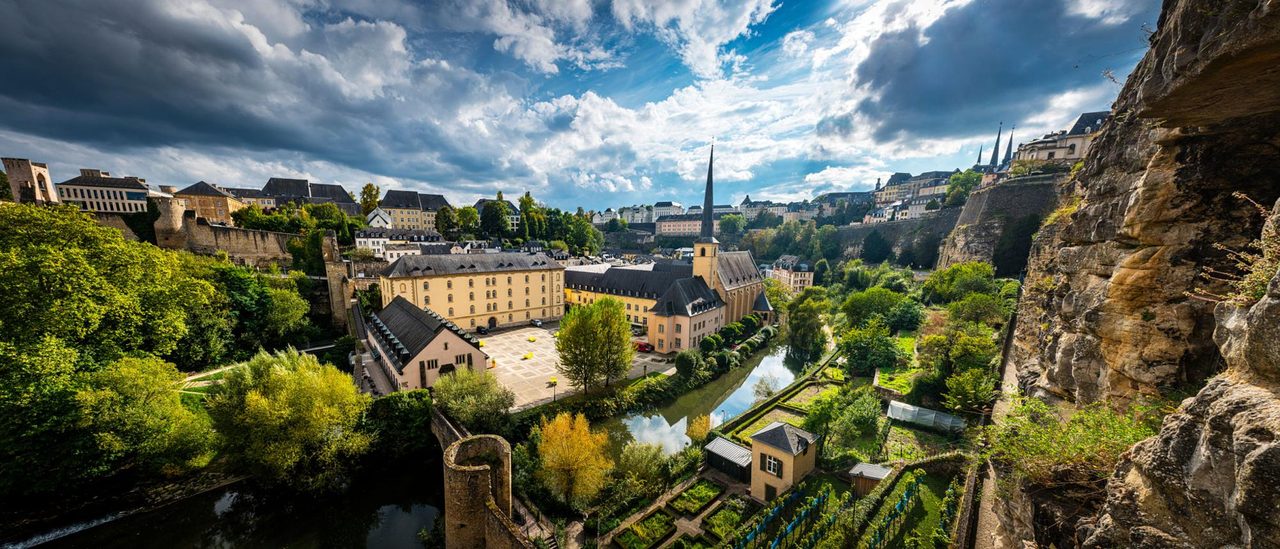

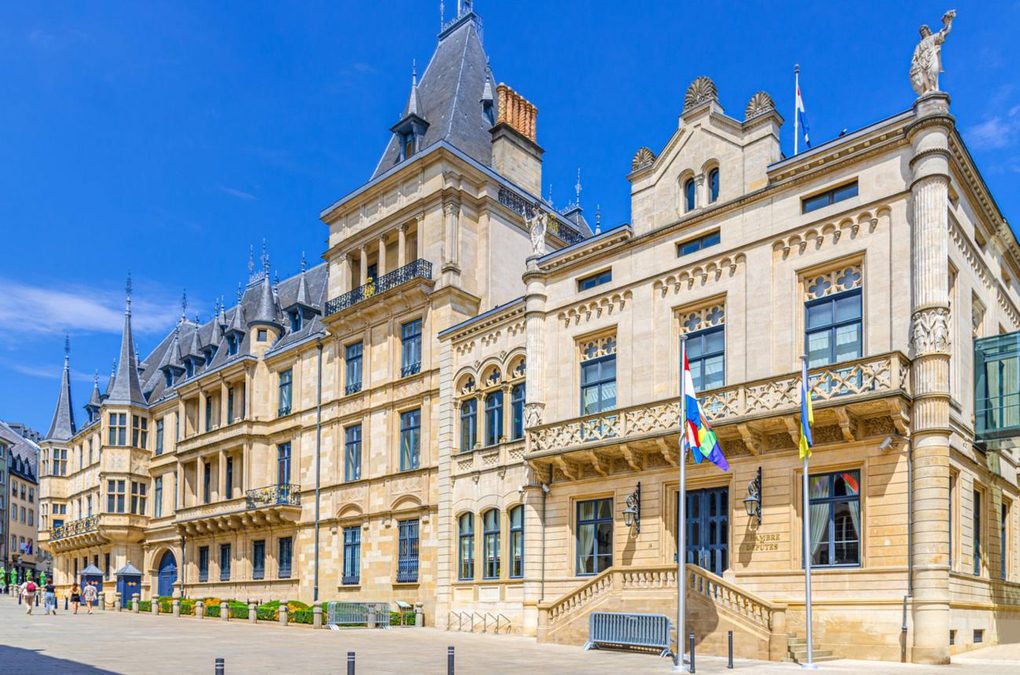
Luxembourg City is the natural starting point for most visitors. Its UNESCO-listed Old Town and fortifications reveal the strategic importance the city held for centuries. Built around deep valleys and rocky plateaus, the capital developed into a formidable fortified settlement, earning a reputation as one of Europe’s significant historic defensive centres.
The Bock Casemates, an extensive network of underground passages carved into rock, are among the city’s most memorable attractions. These tunnels once formed part of the city’s defences and offered shelter and strategic access through the fortifications. The Chemin de la Corniche, often celebrated for its sweeping views, looks over the lower town and the Alzette River. For the best experience, walk slowly through the area and allow time for photographs rather than treating it as a quick stop.
The Grund district sits below the upper city, with narrow streets, riverside paths, and historic buildings that feel worlds away from the modern financial quarter. The Grand Ducal Palace, Notre-Dame Cathedral, and Place Guillaume II are also worth including in a walking itinerary. Together, these landmarks show how the capital combines royal heritage, religious architecture, and contemporary European life.
Discover Vianden Castle and the Country’s Medieval Heritage


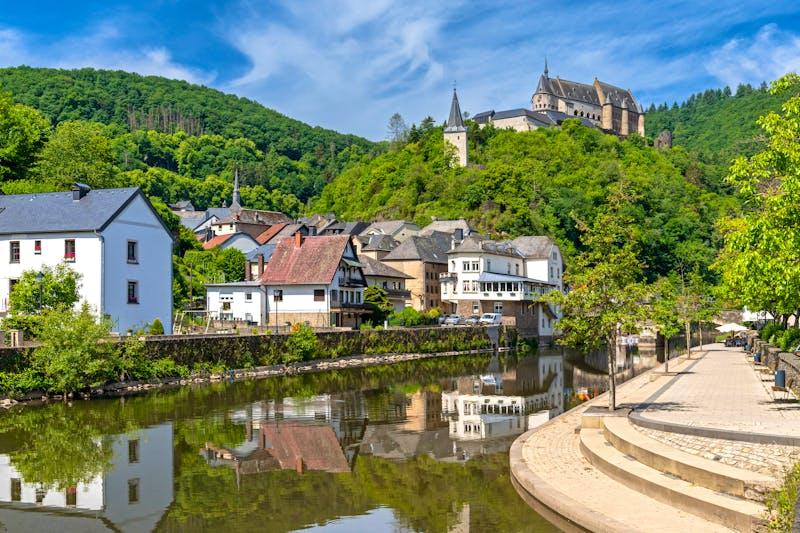
Vianden Castle is one of the country’s most impressive historic landmarks. Rising above the town of Vianden and the Our River valley, the restored medieval fortress features towers, defensive walls, halls, and architectural details that help bring the region’s past to life. Its elevated position also makes it a spectacular viewpoint over surrounding forests and rooftops.
Visitors can explore the castle’s rooms and exhibitions to understand how aristocratic families lived and how defensive architecture evolved over time. The nearby town is equally rewarding, with traditional streets, cafés, and riverside scenery. Travelling by bus or car from the capital is practical for a day trip, although checking local transport schedules in advance helps avoid unnecessary waiting.
The country has other historic sites worth exploring, including Bourscheid Castle, which occupies a dramatic position above the Sûre River, and Beaufort Castle, known for its atmospheric ruins and historic rooms. These locations are especially appealing to travellers interested in medieval history, photography, and quieter countryside experiences.
Experience the Mullerthal Region and Its Natural Trails


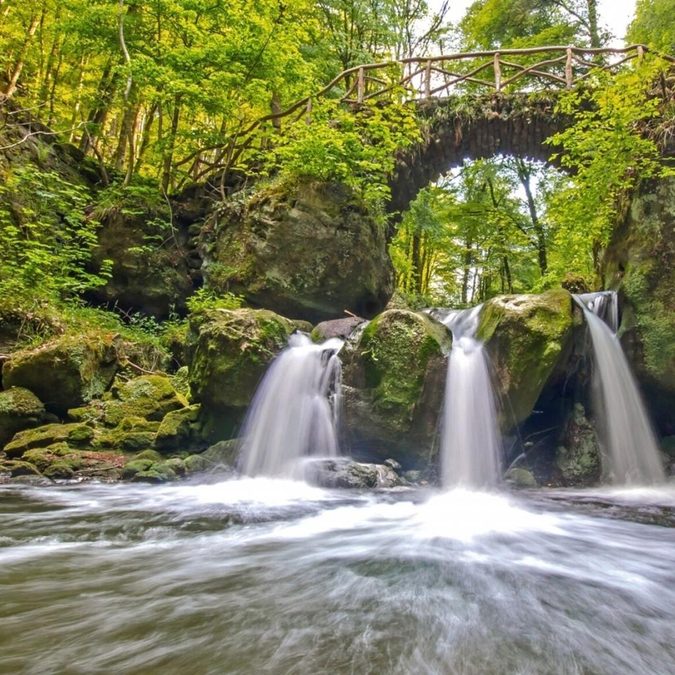
The Mullerthal region, often called Luxembourg’s Little Switzerland, is famous for sandstone formations, wooded valleys, streams, and winding walking paths. Despite its nickname, it is not an Alpine landscape. Instead, its appeal lies in unusual rock shapes, moss-covered forest floors, narrow passages, and peaceful trails that feel far removed from city life.
The Mullerthal Trail connects natural highlights across the region, offering routes for different fitness levels and available time. Some sections involve uneven surfaces, steep steps, or narrow rocky passages, so sturdy footwear is essential. After rain, sandstone and forest paths can become slippery; travellers should check conditions and choose a route that matches their experience.
A popular highlight is the Schéissendëmpel waterfall, where water flows beneath a picturesque stone bridge surrounded by greenery. The site is ideal for a short walk and photography, while longer routes allow hikers to discover more secluded rock formations and villages. If you have only one day, focus on a single trail area rather than attempting to cover the entire region.
Visit the Moselle Valley for Vineyards and Riverside Villages

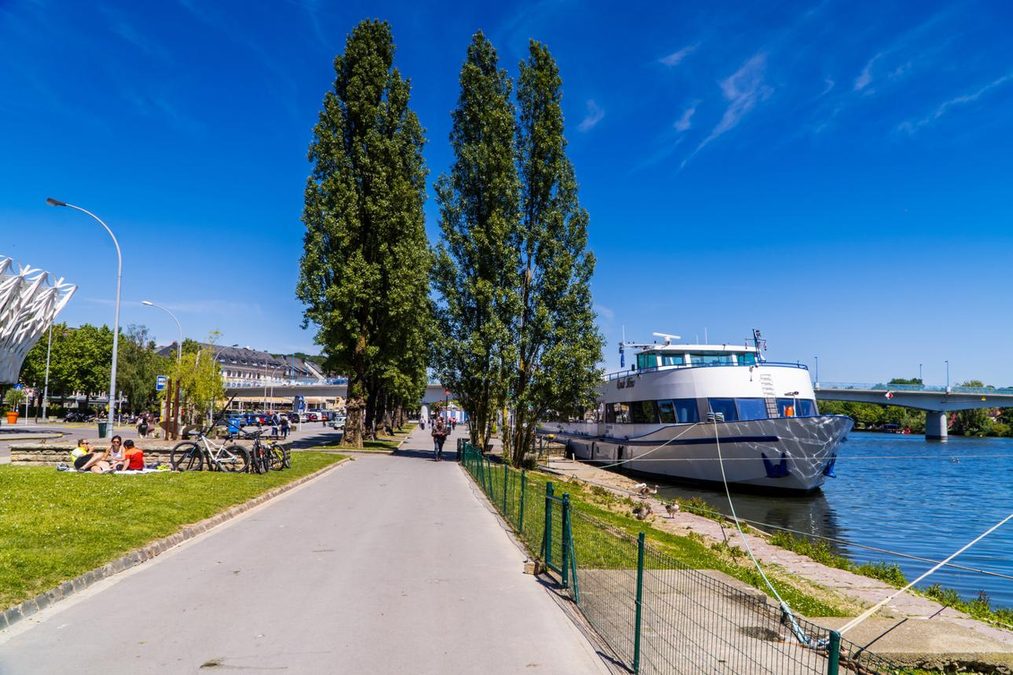
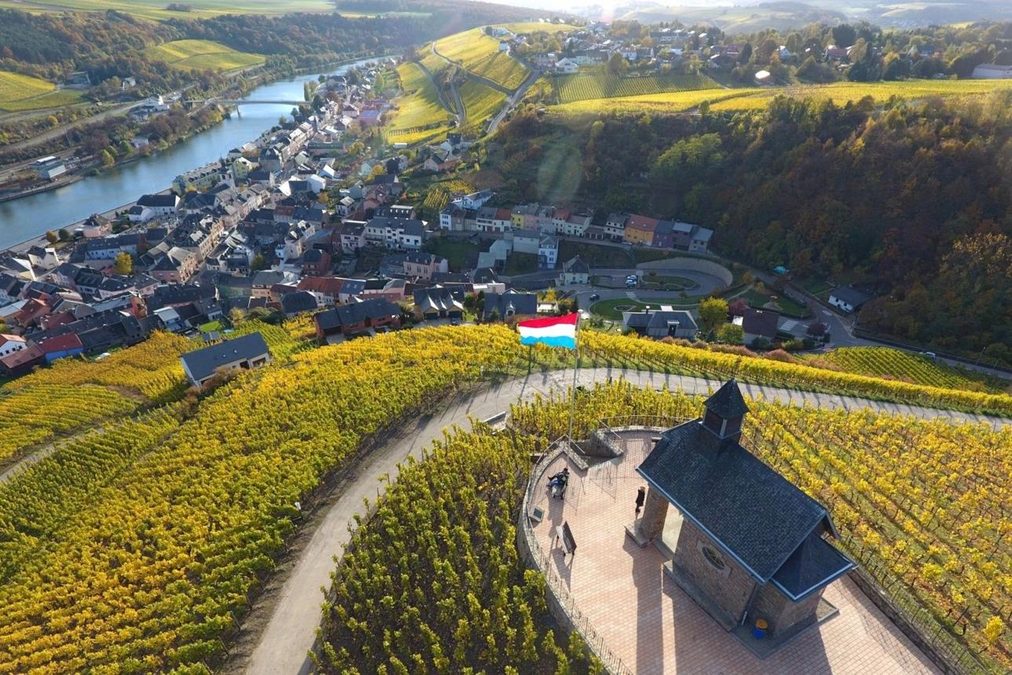
The Moselle Valley, along the country’s southeastern border with Germany, offers a gentler landscape of vineyards, riverside villages, and rolling hills. It is the heart of Luxembourg’s wine-producing region, where local producers make white wines and sparkling Crémant. The area is a welcome contrast to the capital’s historic streets and the rugged trails of Mullerthal.
Remich is a popular base for a leisurely visit. Its riverside promenade is suited to walking, cycling, and relaxing over a meal, while nearby wineries may offer tastings by appointment or during scheduled opening hours. Grevenmacher is another useful stop, with cultural attractions and access to the wider wine region. If you are driving between villages, decide in advance who will be the designated driver or choose alcohol-free tasting options.
A visit to the Moselle works well for couples, food enthusiasts, and travellers who prefer slower-paced sightseeing. Spring and summer bring green vineyard slopes, while autumn can add golden colours and a harvest-season atmosphere. Since winery schedules vary, check opening times before making a special journey.
Taste Luxembourgish Cuisine and Local Specialities
Luxembourgish food reflects the country’s position between French and German culinary traditions. Traditional cooking often features potatoes, pork, seasonal vegetables, freshwater fish, and hearty sauces. Regional dishes are especially satisfying after a day of walking, while contemporary restaurants in the capital offer everything from casual international food to sophisticated dining.
Look for Judd mat Gaardebounen, smoked pork collar served with broad beans, and Bouneschlupp, a green bean soup often prepared with potatoes and other vegetables. Gromperekichelcher, crisp potato fritters, are a popular market and festival snack. In the Moselle region, Crémant and local white wines are part of the area’s culinary identity, while bakeries and cafés provide easy stops between sightseeing.
Menus may vary by restaurant and season, so it is worth asking about ingredients and preparation if you have dietary requirements. Travellers seeking vegetarian food will generally find more choices in the capital than in small rural establishments. A practical approach is to enjoy traditional dishes when available while checking menus ahead of countryside excursions.
Best Time to Visit Luxembourg
The best time to visit depends on what you want to do. Spring brings fresh greenery, blooming parks, and comfortable conditions for city walks. Summer usually offers longer days and a busy calendar of outdoor events, making it a good season for castle visits, hiking, and exploring villages. Autumn adds colourful foliage to the forests and valleys, while winter brings festive markets and a quieter atmosphere outside the holiday period.
Weather can change quickly, particularly on exposed trails and in wooded valleys. Pack layers, a waterproof jacket, and comfortable walking shoes regardless of season. Some rural attractions and seasonal activities may operate on reduced schedules during colder months, so confirm opening times before travelling.
| Season | What to expect | Best activities |
|---|---|---|
| Spring (March–May) | Fresh greenery and mild days, with changeable weather | Old Town walks, gardens, early hikes |
| Summer (June–August) | Longer daylight and generally warmer weather | Castle visits, cycling, vineyard trips |
| Autumn (September–November) | Colourful forests and cooler temperatures | Scenic walks, photography, wine-region visits |
| Winter (December–February) | Cold weather and shorter daylight | Museums, cafés, seasonal markets |
Getting Around, Costs, and Practical Travel Tips
One of the biggest advantages for visitors is the country’s free domestic public transport. Since 2020, second-class journeys on national buses, trams, and trains have been free for residents and tourists. First-class train travel and journeys crossing the national border are exceptions, so check the applicable fare when travelling to or from neighbouring countries. Official route planning is available through Mobiliteit.lu.
For international arrivals, Luxembourg Airport is close to the capital, and rail connections link the country with cities in Belgium, France, and Germany. A car can be useful for reaching scattered rural sights, but it is not essential for a capital-focused trip. Free public transport can also help reduce the overall cost of a visit, although accommodation, restaurant meals, and some attractions can still be expensive compared with destinations elsewhere in Europe.
| Travel consideration | Useful advice |
|---|---|
| Currency | Euro (€) |
| Languages | Luxembourgish, French, and German; English is widely used in visitor settings |
| Domestic transport | Buses, trams, and second-class trains are free |
| Airport access | Public transport connects the airport with the capital |
| Accommodation | Book early for major events and busy summer dates |
| Walking | Wear comfortable shoes for hills, cobblestones, and uneven trails |
| Rural excursions | Check bus schedules and attraction opening times before setting out |
A common planning mistake is trying to fit every region into a single day. Although distances are short, hikes, castle visits, and village stops take time. For a first visit, allow two or three days for the capital and add extra days if you want to explore the Mullerthal, Vianden, or the Moselle Valley.
Where to Stay and How Long to Spend
Luxembourg City is the most convenient base for first-time visitors because it offers hotels, restaurants, museums, and easy connections to other regions. Staying near the central railway station can simplify day trips, while accommodation in the Old Town places you closer to historic landmarks and evening dining. The Kirchberg district suits visitors interested in modern architecture, museums, and the European institutions.
For a longer trip, consider spending a night in Vianden or the Mullerthal region to enjoy the countryside without rushing back to the capital. A two- or three-day visit is enough to see the major city highlights, while four to six days allows time for castles, hiking, vineyards, and smaller towns. Choose your base around your priorities rather than changing hotels every night, especially when travelling by public transport.
Frequently Asked Questions About Luxembourg
Is Luxembourg worth visiting?
Yes. The country offers a distinctive combination of medieval castles, UNESCO-listed heritage, scenic forests, vineyard landscapes, and a multilingual European culture. Its compact size makes it particularly attractive for a short break, while hiking routes, museums, and rural towns provide enough variety for a longer stay.
How many days do you need in Luxembourg?
Two or three days are suitable for exploring the capital’s Old Town, major viewpoints, museums, and nearby attractions. Plan four to six days if you also want to visit Vianden Castle, hike in Mullerthal, or explore the Moselle wine region. Travellers who enjoy walking and slower-paced sightseeing may prefer a full week.
Is public transport free in Luxembourg for tourists?
Yes. Domestic buses, trams, and second-class train services are free for tourists as well as residents. However, first-class train travel and journeys that cross the country’s borders may require paid tickets. Check the route details before boarding an international service.
What is Luxembourg famous for?
It is known for its historic fortifications, picturesque castles, financial sector, European Union institutions, multilingual population, and beautiful countryside. Popular visitor highlights include Luxembourg City’s Old Town, Vianden Castle, the Mullerthal hiking trails, and the Moselle Valley’s vineyards.
Is Luxembourg expensive for tourists?
It can be relatively expensive for accommodation, dining, and some visitor attractions. However, free domestic public transport helps travellers control their budget. Booking accommodation early, eating at casual local restaurants, and prioritising free walking routes and viewpoints can make a trip more affordable.
What language should tourists speak?
Luxembourgish, French, and German are widely used, and English is common in hotels, tourist attractions, and many restaurants. Learning a few polite phrases in French or Luxembourgish can be appreciated, but English is generally sufficient for many common travel situations.
What is the best area to stay in for a first visit?
Luxembourg City is usually the most practical choice because it offers the broadest range of accommodation, dining, and transport connections. Stay near the railway station for convenient regional travel or in the historic centre for easy access to landmarks. For a nature-focused holiday, consider accommodation near Mullerthal or Vianden.
Conclusion: A Small Country With Remarkable Variety
Luxembourg rewards travellers who look beyond its size. Its capital combines dramatic fortifications and riverside neighbourhoods, while the countryside reveals medieval castles, forested sandstone formations, vineyard-covered slopes, and charming towns. Free domestic public transport makes it easier to connect these experiences without relying on a car for every journey.
For the most rewarding trip, balance historic sightseeing with time outdoors, sample regional food, and leave room for unplanned walks through quieter streets and villages. The biggest takeaway is simple: Luxembourg is best experienced at a relaxed pace, allowing its rich history, varied landscapes, and cross-cultural character to unfold naturally.