


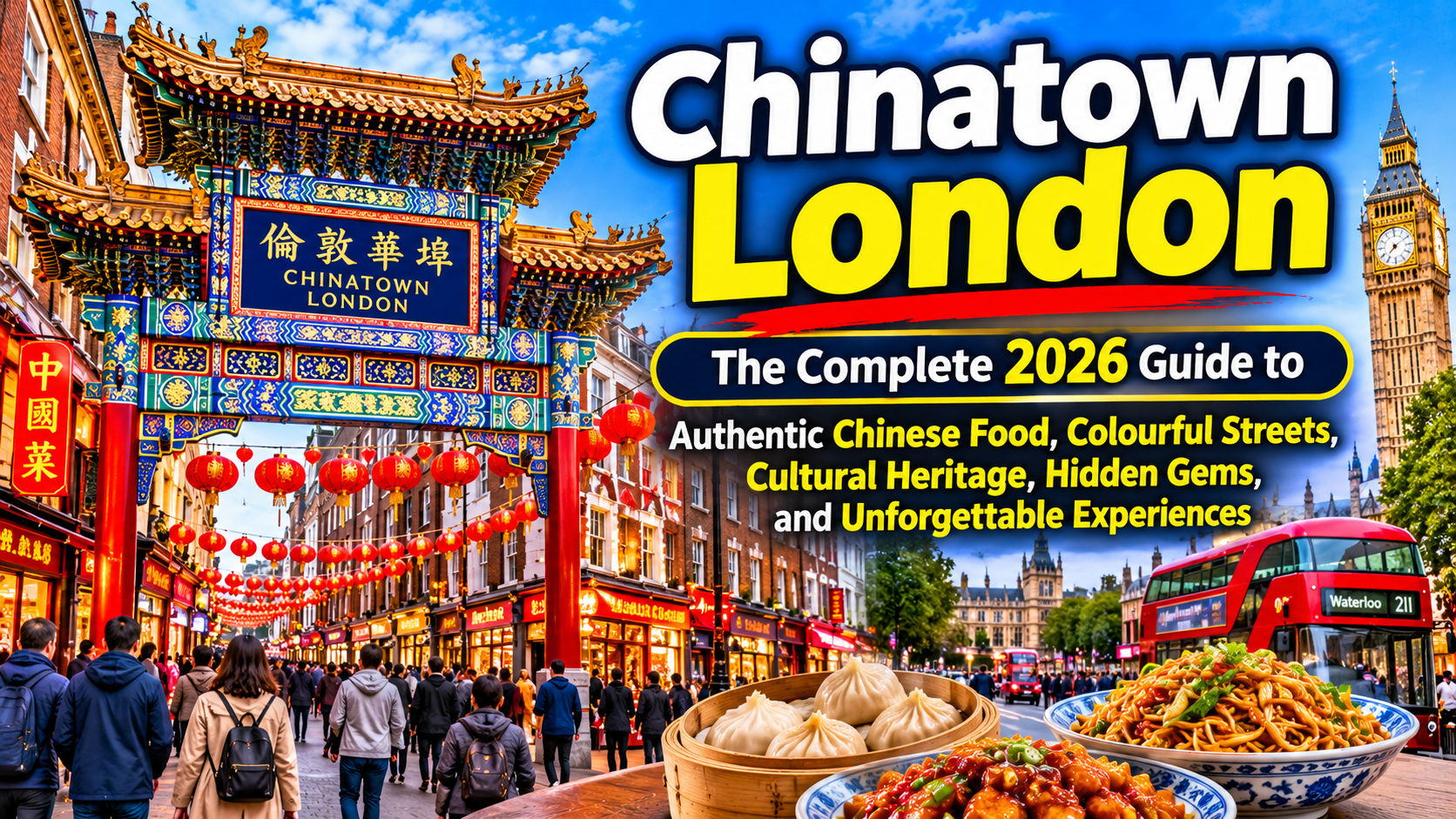
Chinatown London is one of the capital’s most recognisable neighbourhoods, famous for its colourful Chinese gates, traditional restaurants, lively bakeries, specialist supermarkets, and vibrant atmosphere. Located in the heart of the West End, between Soho and Leicester Square, this compact district offers visitors an opportunity to experience Chinese culture, cuisine, and traditions without leaving central London.
Whether you are planning a food-focused afternoon, looking for an interesting place to explore before a theatre performance, or simply hoping to discover a different side of the city, the neighbourhood has plenty to offer. Its narrow streets combine traditional Chinese influences with the energy of modern London, creating an experience that feels distinctive throughout the year.
Where Is Chinatown London and Why Is It Famous?
Chinatown London is situated in the City of Westminster, close to Leicester Square, Piccadilly Circus, and Soho. Gerrard Street forms its central thoroughfare, while surrounding streets such as Lisle Street, Wardour Street, and Newport Place contain restaurants, food shops, bakeries, and cultural businesses.
Its convenient location makes it easy to include in a wider sightseeing itinerary. Visitors can walk from Leicester Square Underground Station in just a few minutes, while Piccadilly Circus and Tottenham Court Road provide additional transport connections.
The district is particularly famous for its Chinese restaurants, decorative lanterns, traditional architecture, and annual Lunar New Year celebrations. However, its significance extends beyond tourism. It is also a place where Chinese communities, businesses, and cultural traditions contribute to London’s multicultural identity.
The History and Cultural Heritage of Chinatown
The area’s development reflects the changing history of London’s Chinese community. London’s early Chinese population was associated with the East End, particularly the Limehouse area, where Chinese sailors and workers established businesses and social connections during the nineteenth and early twentieth centuries.
The modern West End district developed more prominently after the Second World War. Chinese restaurants and businesses gradually established themselves around Gerrard Street, attracting customers interested in Chinese cooking and culture. By the later twentieth century, the area had become an established destination for residents and international visitors.
Today, traditional Chinese symbols sit alongside modern restaurants, contemporary businesses, and entertainment venues. This combination reflects a neighbourhood that continues to evolve while maintaining important cultural connections.
A useful way to understand its character is to think of it as more than a collection of restaurants. It is a living cultural district where food, language, festivals, architecture, and everyday commerce come together.
Gerrard Street and the Iconic Chinese Gates
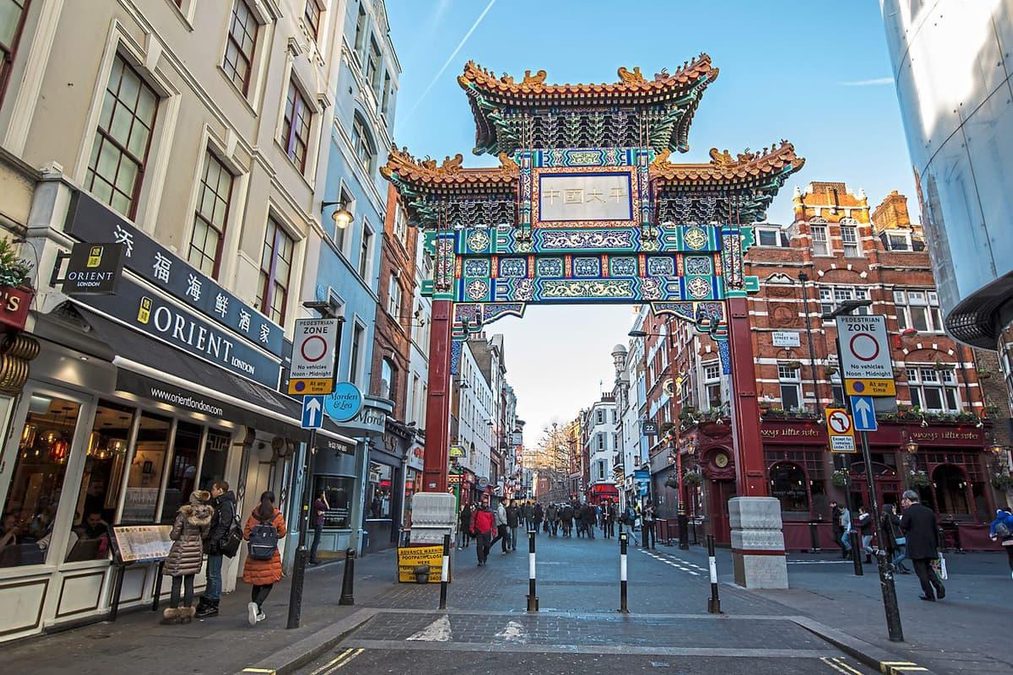
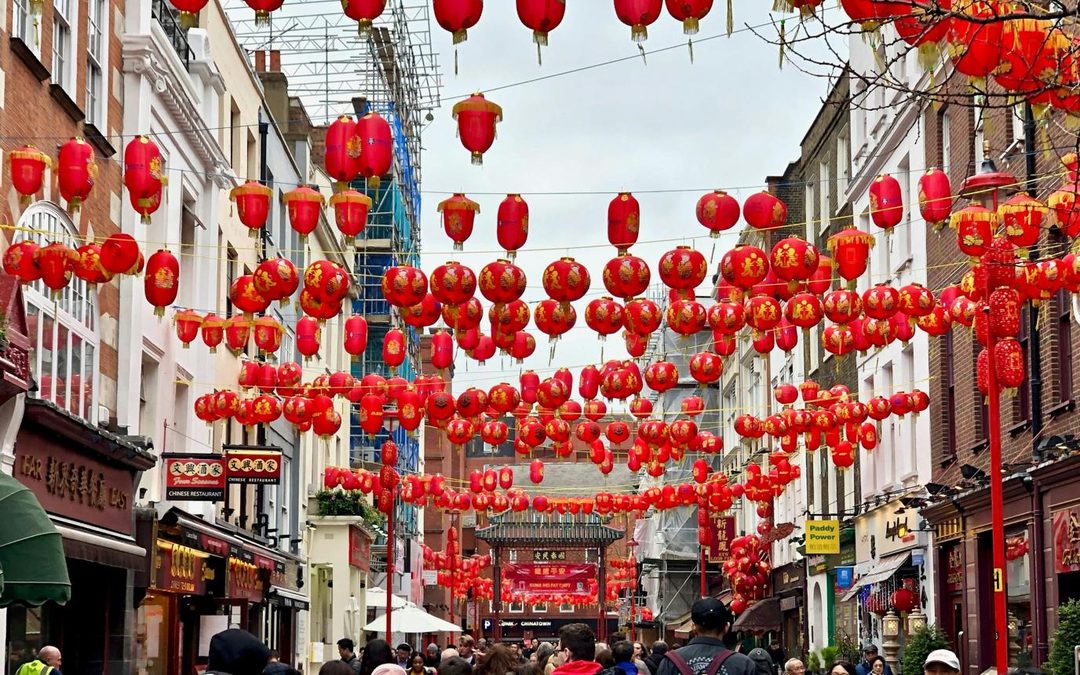
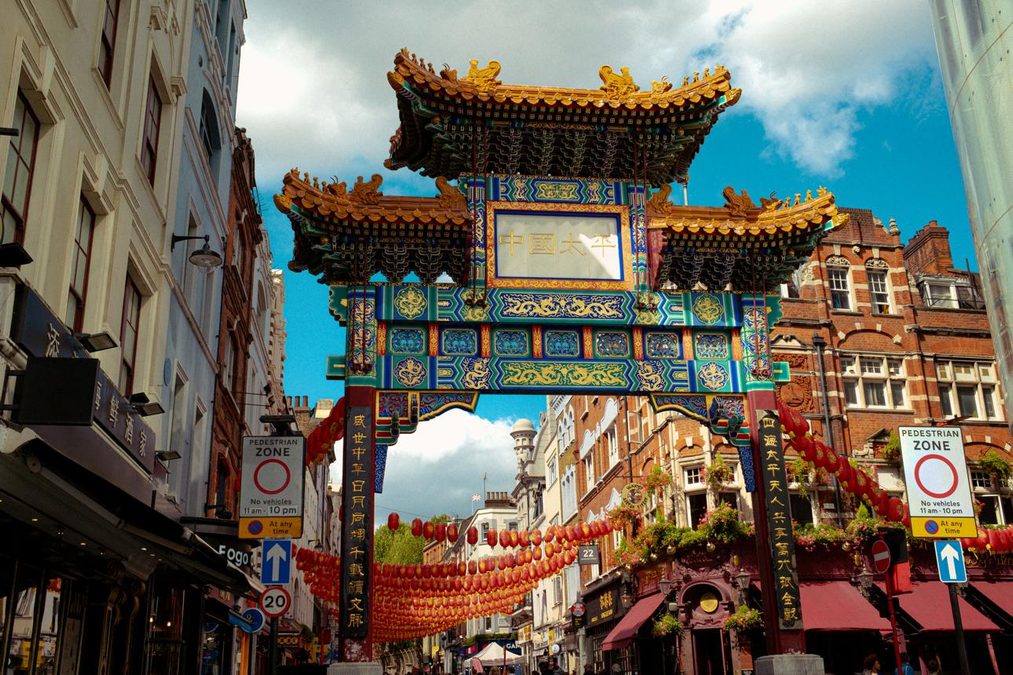
Gerrard Street is the centrepiece of Chinatown London and one of the most photographed streets in the West End. Its traditional Chinese gate, decorative lanterns, colourful shopfronts, and restaurant signs create an instantly recognisable setting.
The ornate paifang entrance is particularly significant. Traditional Chinese gates are architectural features associated with ceremonial entrances, cultural identity, and important public spaces. Their detailed decoration makes them popular photography locations and an important part of the neighbourhood’s visual character.
Walking along Gerrard Street is an experience in itself. You can browse restaurant menus, watch chefs prepare food, visit specialist shops, and enjoy the lively atmosphere. During busy evenings, the street becomes especially energetic as diners gather before or after visiting nearby theatres.
For photography, daytime offers clearer views of the architecture, while evening brings illuminated signs and lanterns that create a different atmosphere.
Best Chinese Restaurants and Authentic Food Experiences
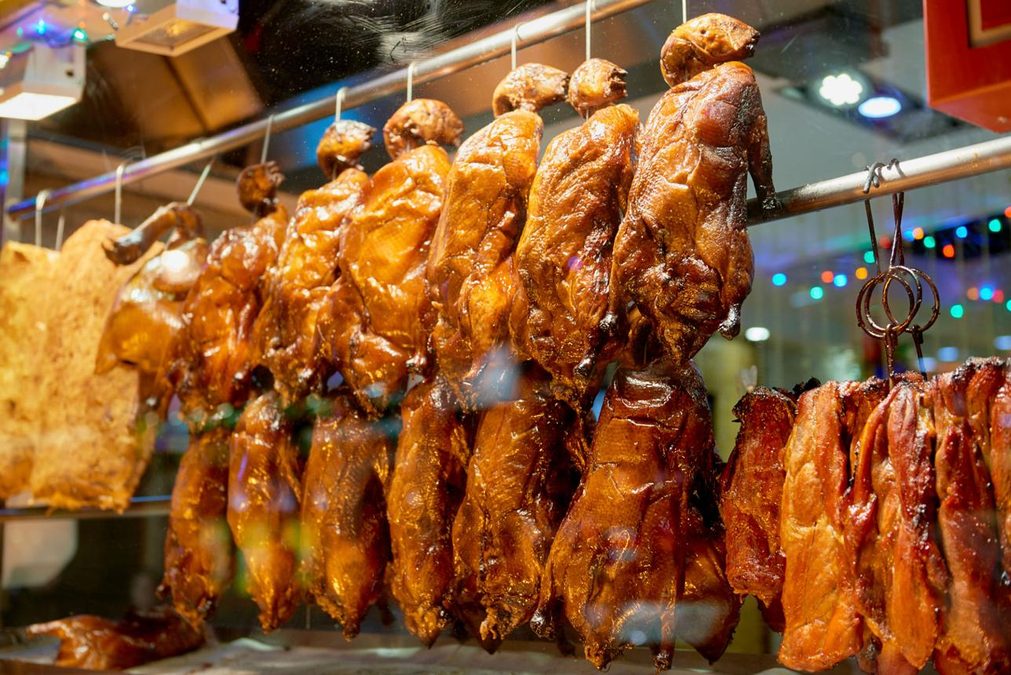
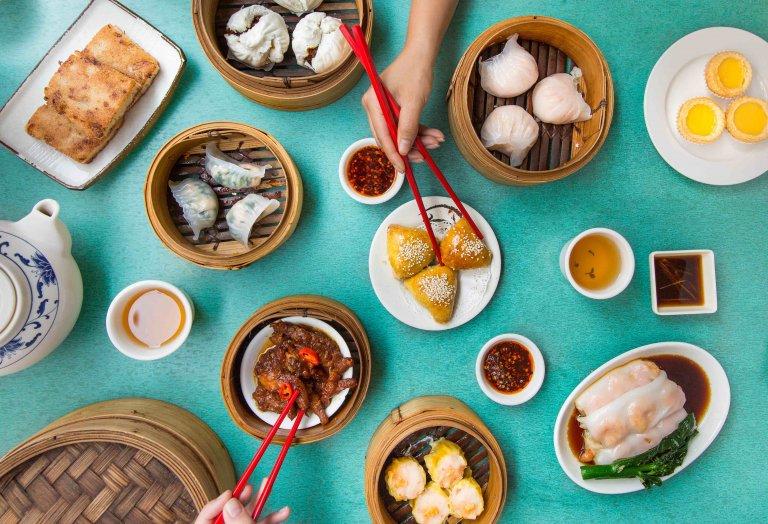
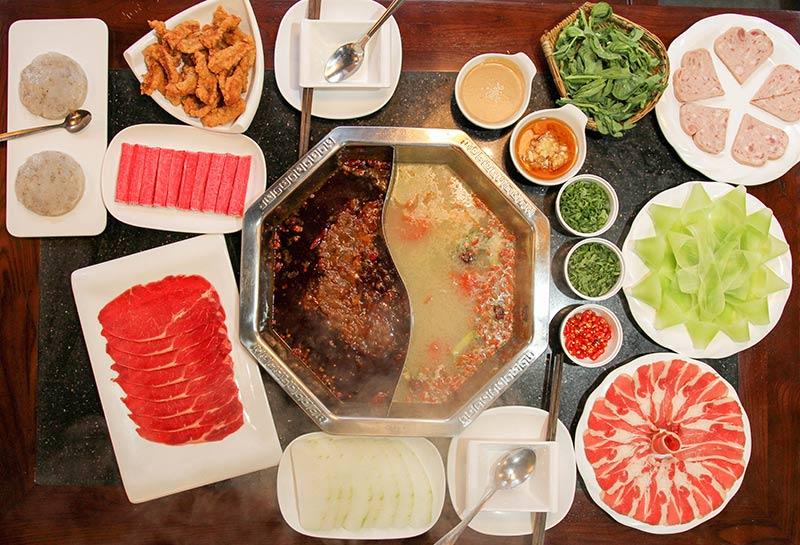
Food is one of the biggest reasons people visit Chinatown London. The neighbourhood offers a wide range of Chinese regional cooking, from Cantonese roast meats and dim sum to Sichuan dishes, hot pot, noodles, and dumplings.
Cantonese cuisine is particularly visible, with restaurants serving roast duck, char siu pork, wonton noodle soup, and steamed dumplings. These dishes offer a good introduction to the flavours and techniques associated with southern China. Visitors interested in stronger flavours can also look for Sichuan cooking, which often combines chilli heat with the distinctive numbing sensation of Sichuan peppercorns.
Dim sum is another popular choice. Traditionally enjoyed as a social meal, it includes small dishes such as har gow (prawn dumplings), siu mai, steamed buns, and rice rolls. Ordering several plates for the table allows everyone to sample different flavours.
The best approach is to choose a restaurant based on the type of food you want rather than assuming every establishment offers the same experience. Check menus, prices, portion sizes, and dietary information before ordering, particularly during busy dining periods.
Popular Chinese Dishes to Try
First-time visitors may find the variety of menus overwhelming. Understanding a few classic dishes makes ordering easier and helps you explore different styles of Chinese cooking.
| Dish | What to Expect | Why Try It |
|---|---|---|
| Peking-style roast duck | Crisp skin and tender meat | A celebrated Chinese speciality |
| Dim sum | Small steamed or fried dishes | Ideal for sharing |
| Char siu | Cantonese-style barbecued pork | Sweet, savoury, and richly flavoured |
| Wonton noodles | Noodles with delicate filled dumplings | A comforting meal |
| Mapo tofu | Tofu in a spicy Sichuan sauce | A good choice for bold flavours |
| Xiao long bao | Soup-filled dumplings | A distinctive dumpling experience |
| Egg tarts | Pastry filled with smooth custard | A popular bakery treat |
Food preferences vary, so visitors should check ingredients and preparation methods if they have allergies or follow vegetarian, vegan, or halal diets. Some dishes contain seafood, meat-based stocks, or sauces that may not be immediately obvious from their names.
Chinese Bakeries, Supermarkets, and Traditional Shops
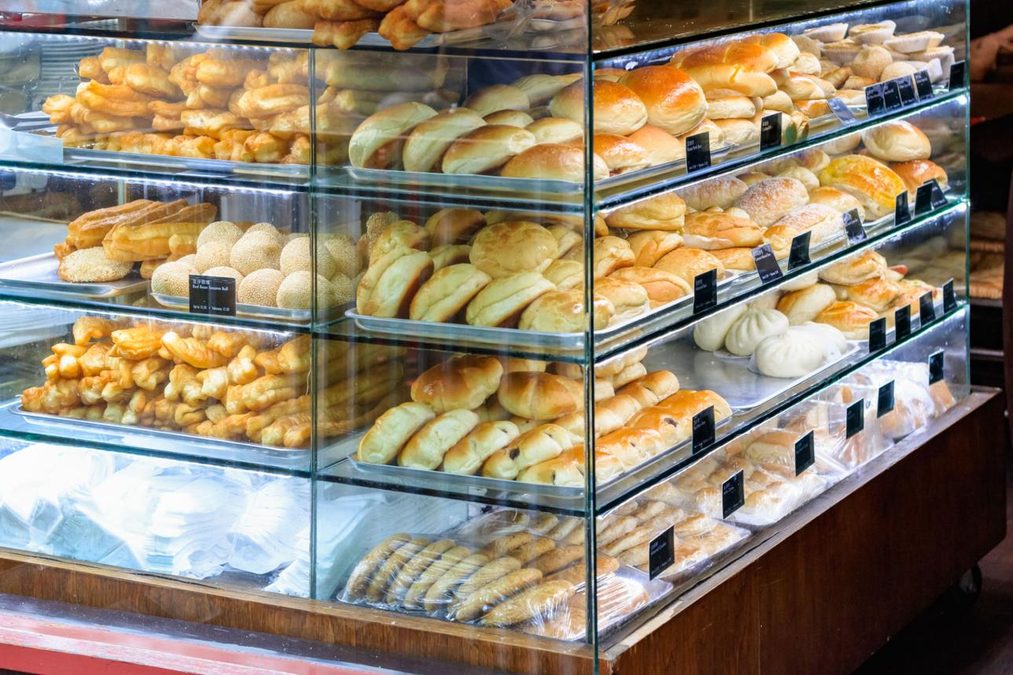
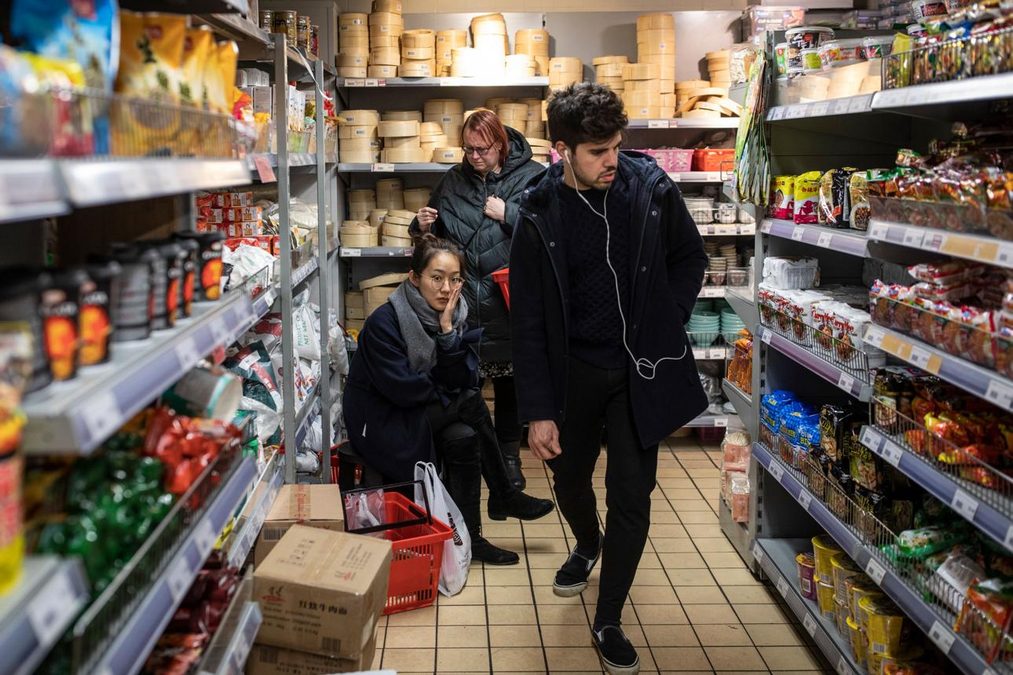
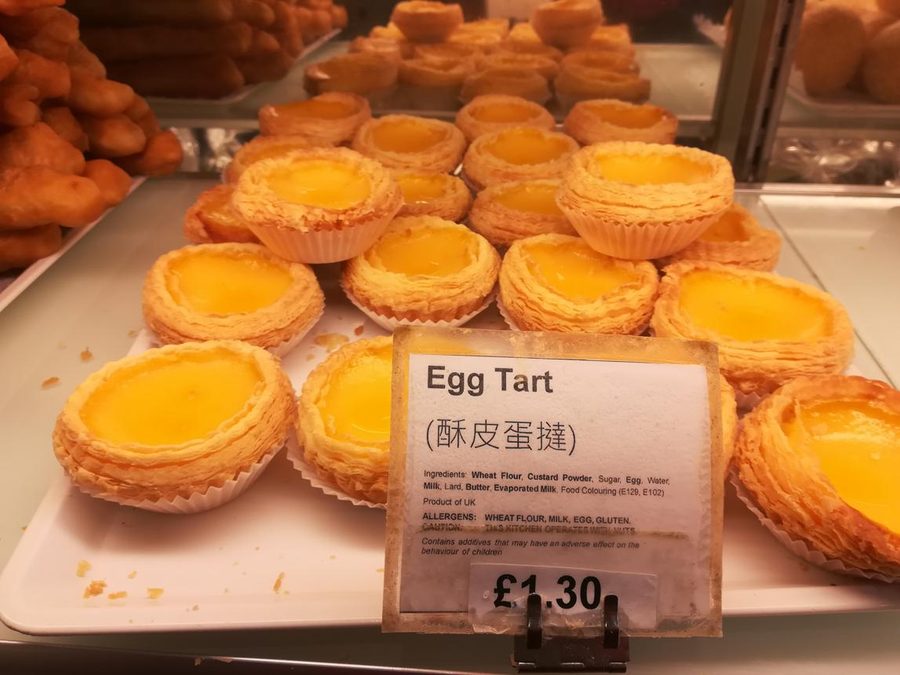
Restaurants are only part of the experience. The neighbourhood also contains bakeries, grocery stores, tea shops, and specialist retailers that provide a closer look at everyday Chinese food culture.
Chinese bakeries are particularly appealing for visitors who want a quick snack. Common choices include egg tarts, pineapple buns, cocktail buns, sesame pastries, and sweet or savoury filled breads. Their selection makes them useful stops between sightseeing and shopping.
Specialist supermarkets stock ingredients that may be difficult to find in ordinary British grocery stores. Visitors can browse Chinese sauces, dried mushrooms, noodles, rice, tea, snacks, spices, and frozen dumplings. These shops are also useful for travellers staying in accommodation with kitchen facilities.
Tea products, decorative items, kitchen accessories, and packaged sweets make interesting souvenirs. If you are buying food to take home, check customs restrictions and packaging requirements for your destination.
Lunar New Year Celebrations and Cultural Events
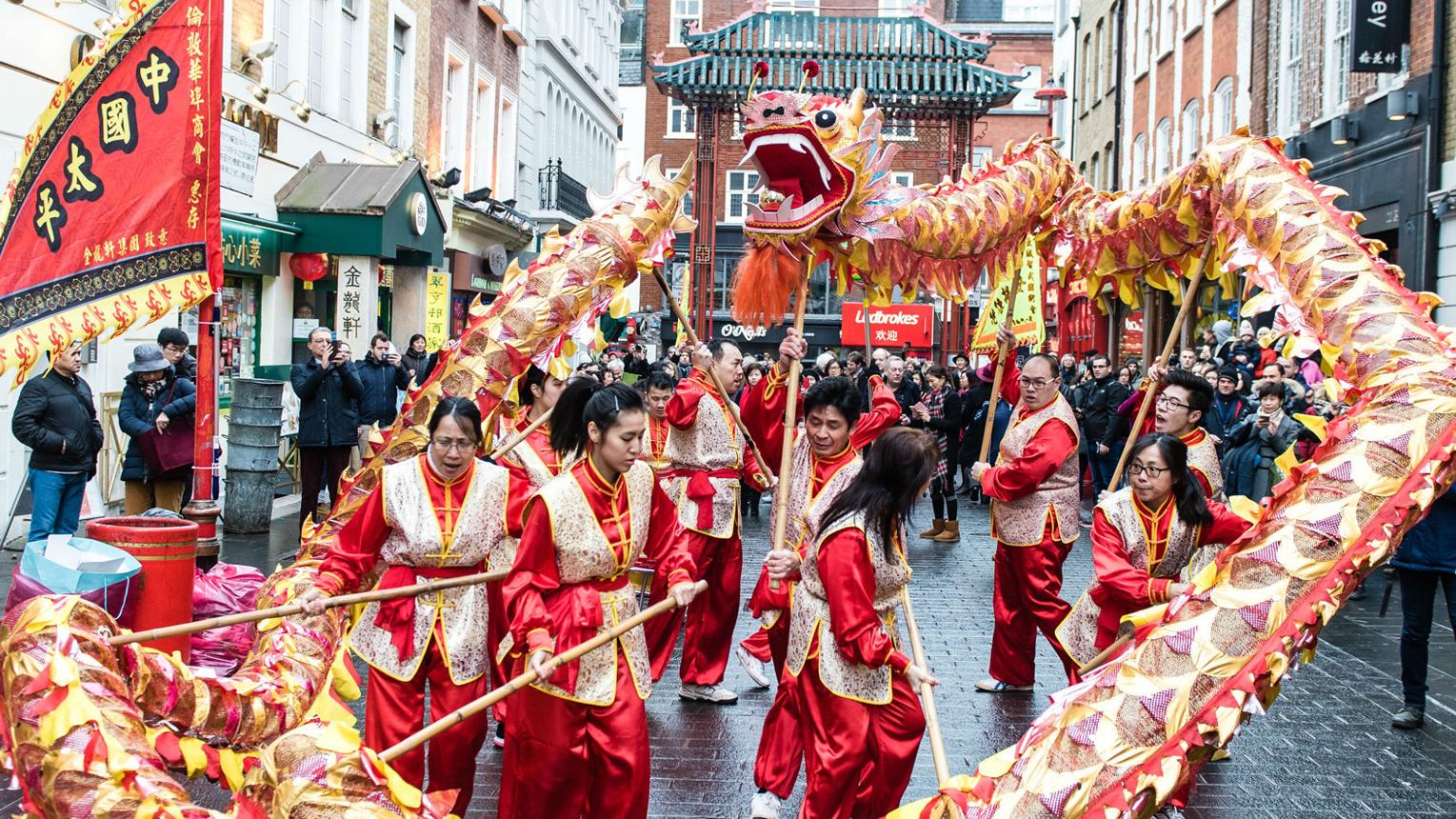
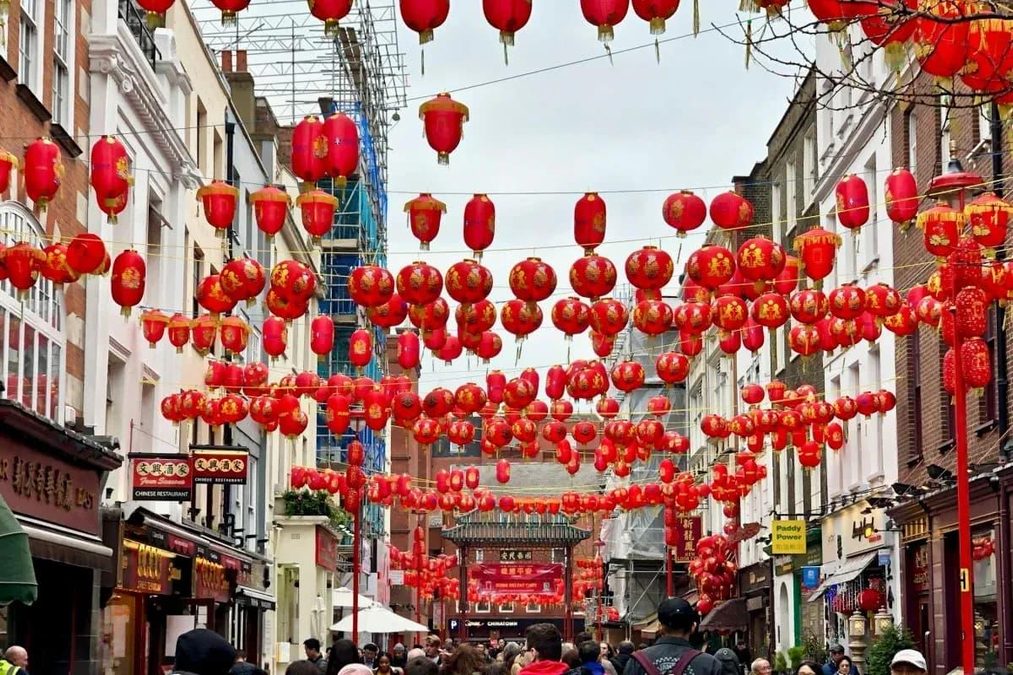
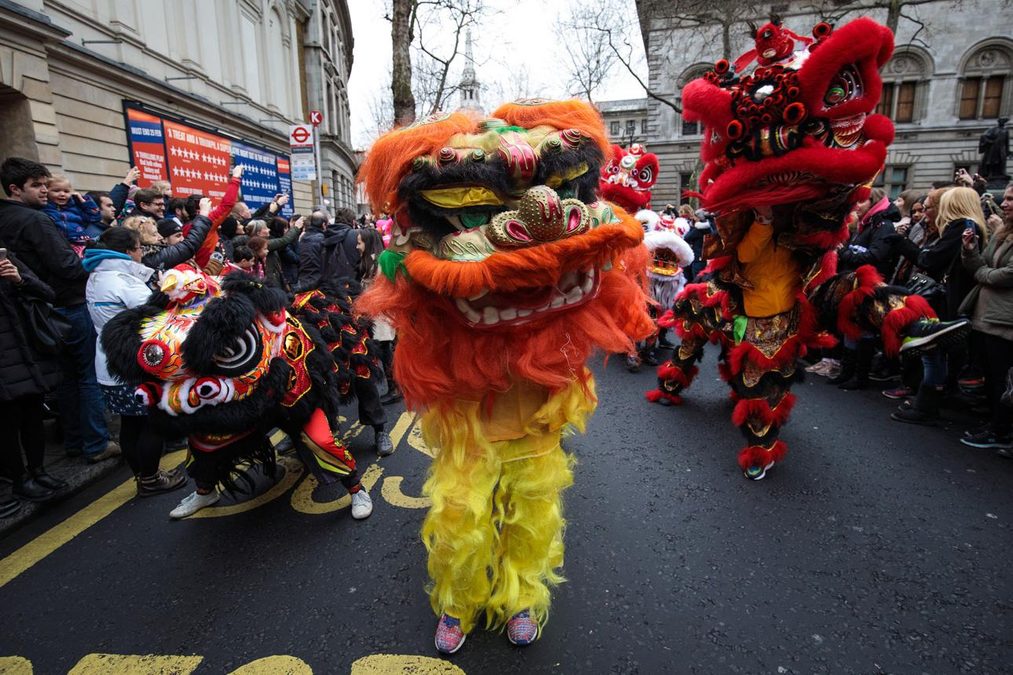
Lunar New Year is one of the most exciting times to visit Chinatown London. Celebrations typically include lion dances, dragon performances, traditional music, cultural activities, and colourful decorations. The festivities attract large crowds and create an energetic atmosphere throughout the surrounding West End streets.
The festival marks the beginning of a new year in the traditional lunisolar calendar. Celebrations are associated with family gatherings, good fortune, prosperity, and fresh beginnings. Red decorations are especially prominent because the colour is traditionally connected with happiness and good luck.
Events often extend beyond Gerrard Street into nearby central London locations, with performances and public celebrations organised around the festival period. Dates change each year, so visitors should check official event announcements before travelling.
If you plan to attend, arrive early, expect crowded streets, and allow additional time for public transport. Families with young children and visitors with mobility requirements may prefer quieter visiting hours outside major performances.
Things to Do Near Chinatown
One advantage of visiting Chinatown London is its proximity to several major attractions. You can explore the neighbourhood and then continue to other parts of the West End without needing a long journey.
Leicester Square is just around the corner and is known for its cinemas, entertainment venues, and public events. It is a convenient place to continue an evening out or visit before a film screening.
Piccadilly Circus offers another popular stop, with its illuminated advertising screens and access to Regent Street. Visitors interested in shopping can continue towards Oxford Circus, while those looking for theatre performances can explore nearby Shaftesbury Avenue.
Soho is also within easy walking distance. Its independent restaurants, cafés, music venues, and nightlife make it a natural extension of a Chinatown visit. For a more traditional sightseeing experience, Trafalgar Square and the National Gallery are also accessible on foot.
Combining these attractions creates a flexible itinerary, especially for travellers who have limited time in central London.
Best Time to Visit and How to Get There
Chinatown London can be visited throughout the year, but the best time depends on what you want to experience. Weekday afternoons are often suitable for a more relaxed walk, browsing shops, and taking photographs. Evenings are livelier, particularly when restaurants fill with diners and nearby theatres attract audiences.
Lunar New Year offers the most distinctive cultural atmosphere, although it is also one of the busiest periods. Summer generally brings longer daylight hours, while winter evenings create an appealing atmosphere with illuminated decorations and seasonal activity.
Public transport is the easiest way to reach the area. Leicester Square Underground Station is the closest option for many visitors, while Piccadilly Circus and Tottenham Court Road are convenient alternatives.
| Transport Option | Useful Information |
|---|---|
| Underground | Leicester Square is a short walk away |
| Underground | Piccadilly Circus provides another nearby connection |
| Elizabeth line | Tottenham Court Road offers access to the West End |
| Bus | Several central London bus routes serve nearby streets |
| Walking | Easy to combine with Soho, Covent Garden, and Trafalgar Square |
Driving is generally less convenient because central London has congestion, parking restrictions, and limited parking availability. Public transport or walking is usually the more practical choice.
Practical Tips for an Enjoyable Visit
A little planning can make Chinatown London easier and more enjoyable to explore. If you want to eat at a particularly popular restaurant, consider visiting outside the busiest lunch and dinner periods or checking whether reservations are available.
Carry a contactless payment card or a compatible mobile payment option for transport and everyday purchases. Many businesses accept card payments, although it is sensible to check payment methods before ordering or buying something.
Visitors should also be aware that the streets can become crowded, particularly on weekends and during festivals. Keep personal belongings secure, be considerate when taking photographs, and avoid blocking restaurant entrances or pedestrian routes.
Food allergies deserve particular attention. Ask restaurant staff about ingredients and cross-contamination rather than relying solely on menu descriptions. If you have specific dietary requirements, checking menus before arrival can help you choose suitable places.
Frequently Asked Questions About Chinatown London
Where exactly is Chinatown London?
Chinatown is located in London’s West End, within the City of Westminster. Gerrard Street is its main street, and the neighbourhood sits close to Leicester Square, Soho, and Piccadilly Circus.
Is Chinatown London worth visiting?
Yes. It is worth visiting for its Chinese restaurants, traditional architecture, bakeries, specialist supermarkets, cultural atmosphere, and convenient location. Even a short visit can provide an enjoyable introduction to Chinese food and traditions in central London.
What food is Chinatown London famous for?
The area is known for Cantonese roast duck, char siu pork, dim sum, wonton noodles, dumplings, Sichuan dishes, and Chinese bakery products. Restaurant menus vary, so visitors can explore several regional styles.
How long should I spend in Chinatown?
Around one to two hours is enough for a short walk, shopping, and a meal. Visitors who want to explore several restaurants, browse specialist shops, and visit nearby attractions may prefer to spend half a day in the area.
When is the best time to visit Chinatown London?
Weekday afternoons are generally suitable for a quieter experience, while evenings offer a livelier dining atmosphere. Lunar New Year is especially exciting for cultural celebrations, but it attracts significantly larger crowds.
Is Chinatown London suitable for families?
Yes. Families can enjoy the colourful streets, Chinese bakeries, food shops, and nearby attractions. During major festivals, however, crowds can be substantial, so quieter visiting hours may be more comfortable for families with young children.
Which Underground station is closest to Chinatown?
Leicester Square Underground Station is one of the closest stations, with Piccadilly Circus also within convenient walking distance. Tottenham Court Road is another useful option, particularly for Elizabeth line connections.
Conclusion
Chinatown London is one of the West End’s most distinctive neighbourhoods, bringing together Chinese cuisine, cultural heritage, traditional architecture, and modern city life. From exploring Gerrard Street and sampling dim sum to browsing specialist supermarkets and enjoying Lunar New Year celebrations, visitors can discover plenty within a relatively small area.
Its location also makes it easy to combine a visit with Leicester Square, Soho, Piccadilly Circus, and other central London attractions. Whether you are a first-time visitor or a London resident looking for a different dining experience, the neighbourhood offers something worth exploring.
The biggest takeaway is that this district should not be treated simply as a place to eat. Its real appeal lies in the combination of food, community, cultural traditions, and everyday experiences that make it an important part of London’s diverse identity.