



Milan Cathedral, known locally as the Duomo di Milano, is one of Italy’s most remarkable architectural landmarks. Standing at the center of Piazza del Duomo, this immense Gothic masterpiece combines centuries of craftsmanship, religious history, sculpture, stained glass, engineering, and civic identity.
What makes a visit special is the way the building changes as you explore it. The vast interior, colorful windows, intricate exterior sculptures, and extraordinary rooftop create completely different experiences within the same monument. It is far more than a landmark to photograph from the square.
For travelers planning a first visit, understanding its history, architecture, rooftop access, ticket arrangements, dress expectations, and practical tips can make the experience smoother and more rewarding.
The history and evolution of Milan Cathedral
Construction of Milan Cathedral began in 1386 during the rise of the Visconti dynasty. Its designers embraced northern European Gothic influences, including pointed arches, elaborate tracery, flying buttresses, and an emphasis on dramatic verticality. The project was extraordinary for its time and required generations of architects, sculptors, engineers, and craftsmen.
Construction continued for centuries, with the Veneranda Fabbrica del Duomo di Milano playing an important role in the building’s development and preservation. Napoleon Bonaparte was crowned King of Italy inside the cathedral in 1805, while restoration and finishing work continued long afterward. Its long construction history explains why the monument reflects several artistic periods rather than the vision of one individual.
A useful analogy is to imagine a medieval city attempting to build a skyscraper without modern technology. That ambition explains the cathedral’s upward-reaching design and incredible amount of decorative detail.
What makes the architecture so remarkable
The exterior is largely faced with pale Candoglia marble, giving the building its distinctive appearance. Its façade is covered with statues, reliefs, pinnacles, gargoyles, tracery, and ornamental details. The central spire is topped by the Madonnina, a gilded copper statue of the Virgin Mary that has become one of Milan’s defining symbols.
Inside, enormous columns support dramatic vaulted ceilings, while stained-glass windows bring color into the vast space. Gothic architecture here is not simply about decoration; it is about creating a sense of height, movement, light, and transcendence.
The sheer quantity of detail can be overwhelming. Instead of trying to photograph everything, visitors often get more from examining a few doors, sculptures, windows, or architectural details closely. The building rewards patience because many of its most fascinating features are easy to miss from a distance.
The Milan Cathedral rooftop experience
The rooftop is arguably the most distinctive part of a visit. Rather than looking at the Gothic architecture from ground level, visitors can walk among pinnacles, statues, marble terraces, stairways, and structural elements that create a remarkable landscape above the city.
The views are another major attraction. On clear days, Milan’s modern skyline stretches beyond the historic center, creating a striking contrast between medieval craftsmanship and contemporary architecture. Standing near the Madonnina gives the experience an especially strong connection with the city’s identity.
Rooftop access can involve stairs or an elevator depending on the ticket and route available. Conditions and access arrangements can change, so checking official visitor information before traveling is important. Weather should also be considered because rain and strong winds can affect the rooftop experience.

Tickets, entrances, and practical planning
A common mistake is treating the cathedral as a quick stop between other attractions. The complex offers different experiences and ticket types, so visitors should decide whether they mainly want the interior, rooftop, or a broader Duomo experience before purchasing admission.
| Visitor consideration | Practical guidance |
|---|---|
| Cathedral interior | Allow time for architecture, chapels, and stained glass |
| Rooftop | Reserve additional time for views, stairs, and photographs |
| Clothing | Wear respectful attire suitable for a place of worship |
| Security | Expect screening and restrictions on certain items |
| Weather | Check conditions before planning rooftop time |
| Busy periods | Early or later visits can be more comfortable |
| Tickets | Confirm exactly which areas are included |
Official information should always be checked for current opening times, admission rules, and special restrictions. Religious celebrations, restoration work, security measures, or events can occasionally affect access.
The artwork, symbolism, and religious importance
Beyond its architecture, Milan Cathedral contains an extensive collection of religious art, including sculptures, altars, stained glass, paintings, and decorative elements from different periods. The huge interior can make individual works easy to overlook, so slowing down and focusing on selected details can make the visit much richer.
The stained-glass windows are particularly important. Their colorful scenes were created as visual storytelling as well as decoration, and changing daylight gives them a constantly shifting appearance. Light effectively becomes part of the artwork.
Its religious role is equally important. A thoughtful visitor should approach the building simultaneously as a historic monument, architectural masterpiece, and functioning sacred space. That perspective encourages respectful behavior and creates a deeper understanding of why the site matters.
Best time to visit and how to explore comfortably
Early morning can suit travelers who prefer a calmer atmosphere, while late afternoon may provide attractive light around Piazza del Duomo. Weekends, holidays, and major tourist seasons generally bring heavier visitor numbers.
It is worth separating the interior and rooftop experiences rather than rushing through both. The rooftop demands attention because of its views and stonework, while the interior benefits from a slower pace. Comfortable footwear is particularly useful if your itinerary involves substantial walking or stairs.
Travelers with children or older family members should also avoid creating an overly tight schedule. The central location makes it easy to combine the cathedral with nearby attractions, but allowing breathing room usually produces a better experience than trying to see everything quickly.
Milan Cathedral and Piazza del Duomo
The cathedral’s location in the heart of Milan makes the surrounding Piazza del Duomo an important part of the visit. The square provides one of the best places to appreciate the full scale and vertical composition of the façade before entering.
Nearby, the Galleria Vittorio Emanuele II offers a completely different architectural experience, with its monumental glass-and-iron roof, mosaics, elegant interiors, and luxury stores. The contrast between Gothic religious architecture and nineteenth-century commercial design demonstrates how Milan layers different periods of history within a compact area.
The piazza also changes throughout the day. Morning can feel more relaxed, while afternoon and evening bring greater movement, photography, shopping, and social activity. Seeing the cathedral from several distances helps reveal details that are difficult to appreciate from directly underneath the façade.
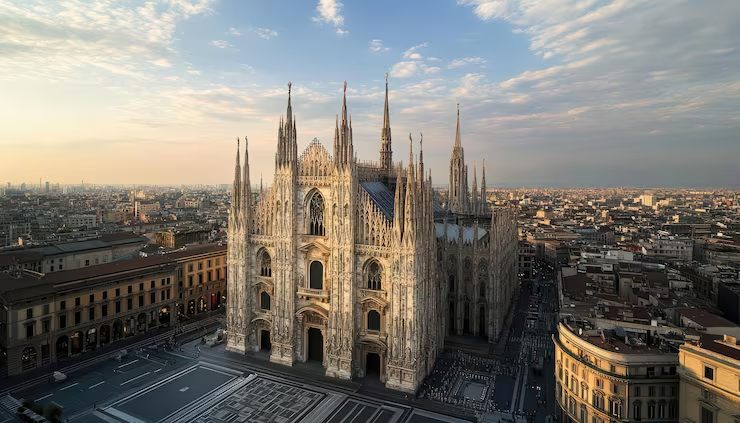
Common visitor problems and practical solutions
One frequent problem is arriving without understanding that the Duomo experience includes different areas and access arrangements. The solution is straightforward: identify the main priorities before visiting and check the relevant admission details beforehand.
Another common issue is underestimating time for security, crowds, stairs, and photography. A rushed visit can leave travelers feeling that they saw the landmark without really experiencing it. Giving yourself enough time to pause and observe the architecture makes a significant difference.
Photography can also become a distraction. Rather than taking dozens of rushed pictures, choose several deliberate viewpoints: one broad image from the piazza, a close architectural detail, an interior composition, and a rooftop city view. These photographs will usually tell a better story of the visit.
Why Milan Cathedral remains a must-see landmark
Milan Cathedral has endured because it represents much more than a spectacular façade. It is a record of medieval ambition, religious devotion, artistic development, engineering skill, civic identity, and centuries of conservation.
Its greatest strength for travelers is the variety of experiences contained within one place. You can study Gothic architecture, admire sculpture, observe stained glass, explore the rooftop, and then return to the lively center of Milan within minutes.
The phrase “forest of marble” is particularly fitting when describing the rooftop, where pinnacles and statues surround visitors from every direction. That physical experience is something photographs rarely communicate fully.
FAQs about Milan Cathedral
How old is Milan Cathedral?
Construction began in 1386, giving the cathedral a history spanning more than six centuries. Although major construction continued for generations, restoration and conservation have remained important parts of its story.
Can you go onto the rooftop of Milan Cathedral?
Yes. Rooftop access is available through designated visitor routes and ticket types. Depending on current arrangements and admission, visitors may use stairs or an elevator. Access details should be confirmed before traveling.
How much time should you spend at Milan Cathedral?
Several hours is a useful timeframe if you want to explore the interior, rooftop, surrounding square, and photography opportunities without rushing. Architecture enthusiasts may want longer, while visitors focusing mainly on the exterior can spend less time.
What should you wear to Milan Cathedral?
Visitors should wear respectful clothing appropriate for a Catholic place of worship. Modest attire is the safest choice, particularly because entry procedures can include clothing checks.
What is the Madonnina on Milan Cathedral?
The Madonnina is the gilded copper statue of the Virgin Mary positioned on the cathedral’s central spire. It has become one of Milan’s most recognizable symbols and holds strong cultural significance for the city.
Is Milan Cathedral worth visiting?
Absolutely. Its combination of Gothic architecture, sculpture, stained glass, religious history, rooftop views, and central location makes it one of Italy’s most distinctive landmarks. The experience is especially rewarding when visitors take time to explore rather than simply photograph the façade.
Conclusion
Milan Cathedral is one of those rare landmarks that becomes more impressive the closer you get. From the monumental marble façade and intricate sculpture to the atmospheric interior and panoramic rooftop, every level reveals another part of its extraordinary history.
For a first-time visitor, the best approach is to slow down, plan access carefully, respect the site as a sacred space, and leave enough time for both architectural details and city views. The final takeaway is simple: Milan Cathedral is not merely an attraction to check off a travel itinerary. It is a living monument where art, faith, history, craftsmanship, and modern Milan meet in one unforgettable experience.
Meta Description: Explore Milan Cathedral in 2026 with this complete guide to Gothic architecture, history, rooftop views, tickets, art, and essential visitor tips.