



Indonesia’s capital is a city of contrasts, where historic colonial buildings stand alongside modern skyscrapers, traditional markets operate near luxury shopping centres, and street-food stalls bring neighbourhoods to life after sunset. As one of Southeast Asia’s largest urban centres, Jakarta offers a fascinating introduction to Indonesian culture, history, business, and everyday life.
Many travellers initially see the city as a busy transport hub before continuing to Bali or other Indonesian destinations. Yet spending time here reveals a rewarding mix of museums, religious landmarks, culinary traditions, waterfront attractions, and contemporary entertainment. Exploring it requires some planning because traffic can be challenging and attractions are spread across a large metropolitan area, but a thoughtful itinerary can make the experience enjoyable and memorable.
Why Jakarta Is Worth Visiting
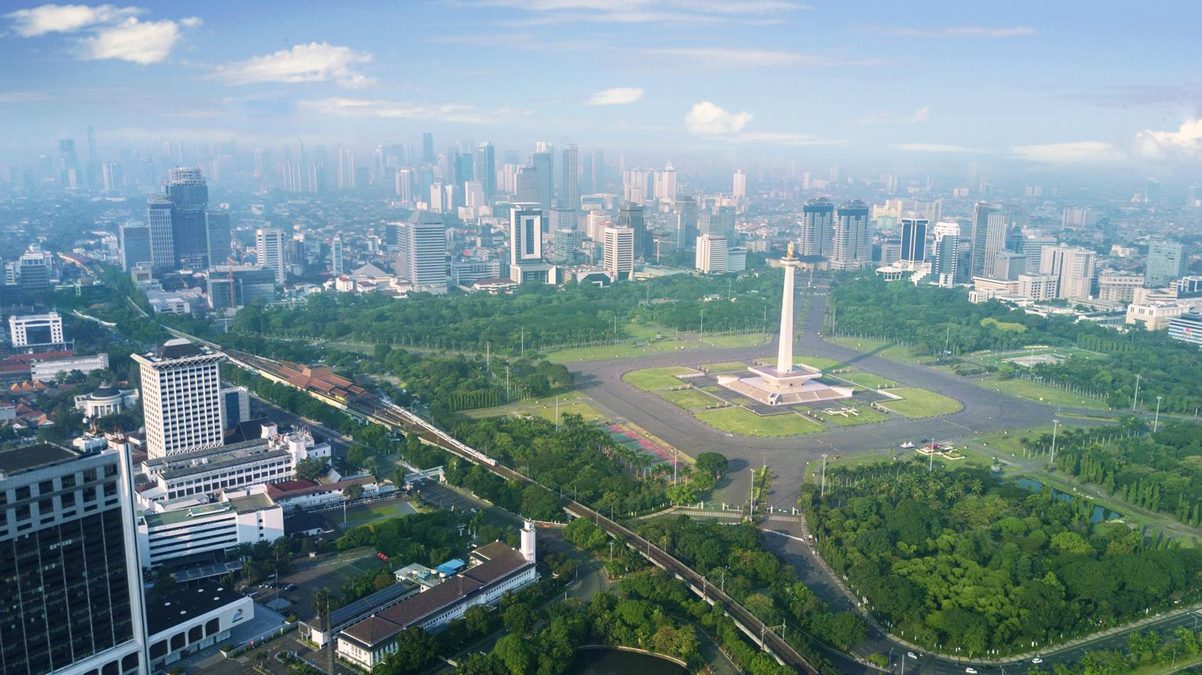
The capital offers a different experience from Indonesia’s famous island destinations. Instead of focusing on beaches and tropical resorts, visitors encounter a dynamic metropolitan environment shaped by centuries of trade, migration, colonial history, and rapid economic development. Its neighbourhoods reflect the country’s cultural diversity, with influences from Javanese, Sundanese, Chinese Indonesian, Betawi, and other communities.
The city’s appeal lies in its variety. History enthusiasts can explore museums and colonial architecture, food lovers can discover regional Indonesian dishes, and shoppers can visit traditional markets or contemporary malls. Families can enjoy theme parks and interactive attractions, while travellers interested in modern architecture can experience the city’s growing skyline. It is particularly rewarding for visitors who want to understand Indonesia beyond its best-known holiday destinations.
Historic Landmarks and Cultural Attractions


One of the most recognisable landmarks is Monas, or the National Monument, located in Merdeka Square. Its tall structure symbolises Indonesia’s struggle for independence, and visitors can explore the surrounding park and, when operating, access the observation platform for views across the city. The monument is an excellent starting point for understanding the country’s national identity and modern history.
Nearby, Kota Tua, the Old Town, preserves the atmosphere of the Dutch colonial period. Fatahillah Square is surrounded by historic buildings, museums, cafés, and streets popular with photographers. The Jakarta History Museum, housed in the former city hall of Batavia, provides context about the city’s development as an important trading centre.
Religious architecture also reflects the capital’s diversity. Istiqlal Mosque, one of Southeast Asia’s largest mosques, is an impressive modern structure, while the nearby Jakarta Cathedral is known for its neo-Gothic design. Visitors should dress respectfully and check local access arrangements before entering places of worship.
Museums, Art, and Indonesian Heritage

The National Museum of Indonesia, often called Museum Gajah, is an important stop for visitors interested in the country’s archaeological, historical, and cultural heritage. Its collections cover subjects such as traditional art, sculpture, textiles, inscriptions, and the diverse communities that make up the Indonesian archipelago. Checking current opening arrangements before visiting is advisable, as museum facilities and exhibitions can change.
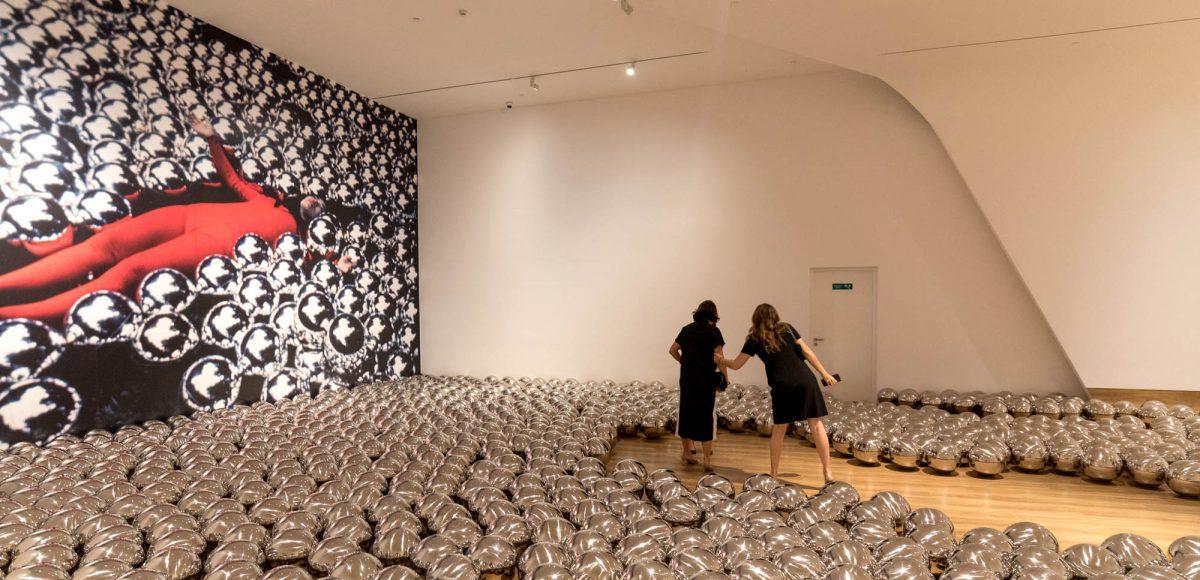
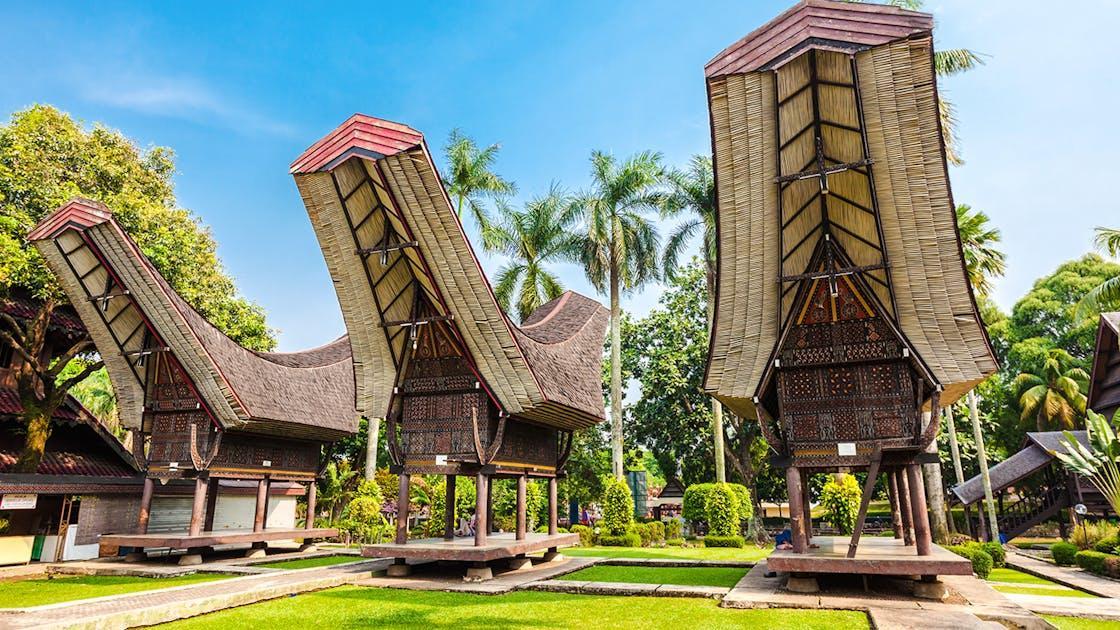
For a more specialised experience, the Museum Bank Indonesia explores the history of money, banking, and trade in the region. Contemporary art enthusiasts can visit Museum MACAN, which presents modern and contemporary works from Indonesia and international artists. Meanwhile, Taman Mini Indonesia Indah offers a broad introduction to the country’s regional architecture, traditions, and cultural diversity through themed displays and pavilions.
These attractions help visitors understand why Indonesian identity cannot be reduced to one island or tradition. A museum visit can provide useful background before exploring local neighbourhoods, where food, language, religious practices, and architecture reveal the country’s diversity in everyday settings.
Indonesian Street Food and Local Cuisine
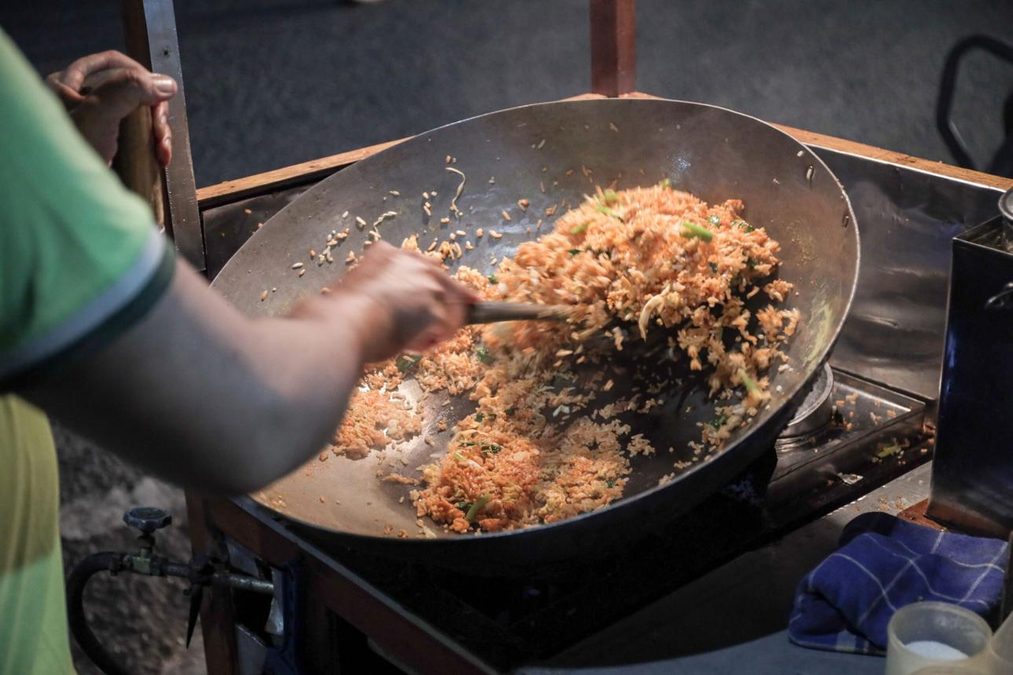

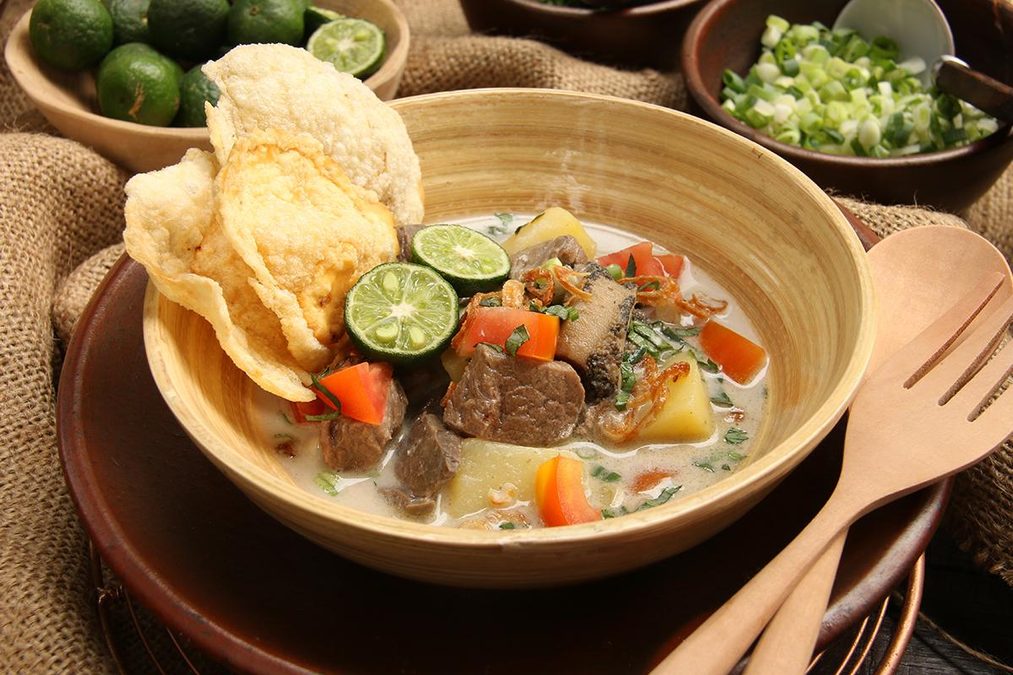
Food is one of the most rewarding reasons to explore the capital. Local favourites include nasi goreng, Indonesia’s popular fried rice; sate ayam, grilled chicken skewers served with peanut sauce; and soto Betawi, a rich traditional soup associated with the city’s Betawi community. These dishes offer different combinations of spices, textures, and cooking techniques.
A particularly distinctive local speciality is kerak telor, a traditional Betawi snack prepared with glutinous rice, egg, toasted coconut, and seasonings. Visitors may also encounter gado-gado, a vegetable dish with peanut dressing, and martabak, a popular filled pancake available in sweet and savoury versions.
Food stalls and neighbourhood eateries often provide excellent opportunities to sample local flavours, but hygiene should guide your choices. Look for busy stalls with freshly prepared food, observe how ingredients are handled, and choose bottled or properly treated drinking water. As a useful culinary principle, “A city’s food tells the story of the people who call it home.” In this capital, that story is particularly diverse.
Shopping, Markets, and Modern Entertainment

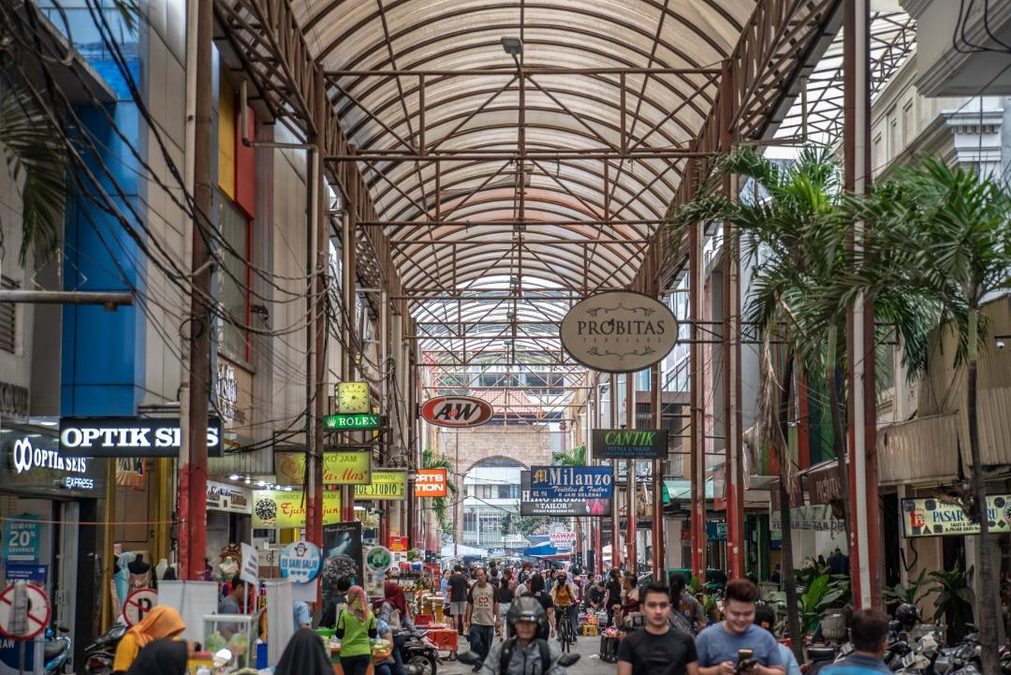
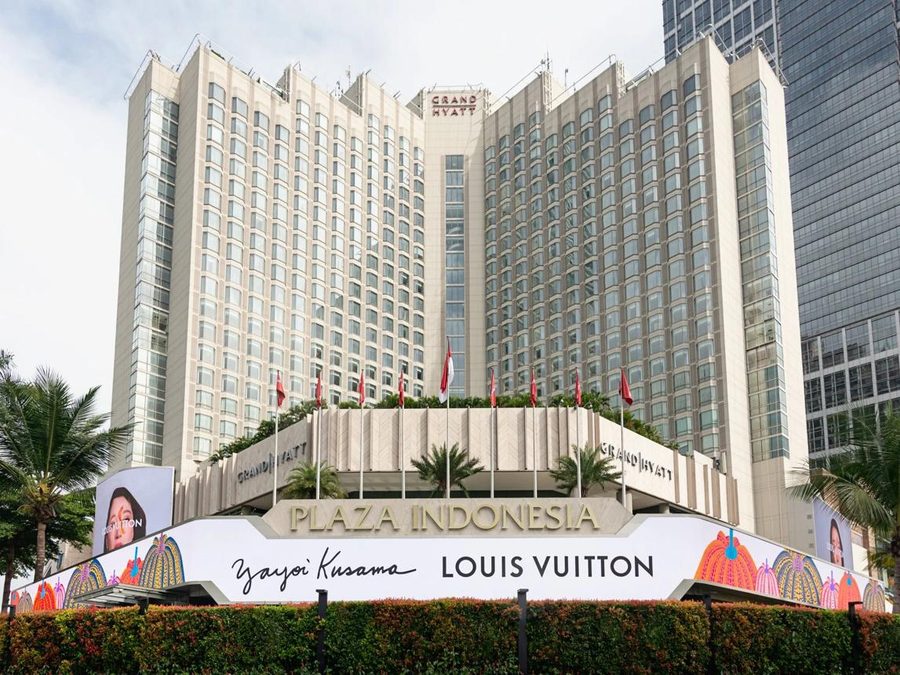
Shopping ranges from traditional markets to some of Southeast Asia’s largest modern malls. Grand Indonesia and Plaza Indonesia are popular for international brands, restaurants, cafés, and entertainment, while Pasar Baru offers a more traditional shopping atmosphere with clothing shops, local products, and long-established businesses. These contrasting places show how the city combines everyday commerce with modern consumer culture.
For family entertainment, Ancol Dreamland is a large waterfront recreation area featuring attractions such as Dunia Fantasi theme park, beaches, and marine-themed experiences. It can be a full-day outing, particularly for families travelling with children. Visitors should check individual attraction schedules and ticket arrangements before setting out, especially during weekends and public holidays.
Green Spaces, Waterfront Attractions, and Day Trips


Despite its dense urban landscape, the capital has green spaces and outdoor attractions worth exploring. Ragunan Zoo provides a large, tree-filled setting where visitors can learn about wildlife, while Setu Babakan offers insight into Betawi culture through traditional houses, performances, food, and a lakeside environment. These locations provide a welcome change from busy commercial districts.
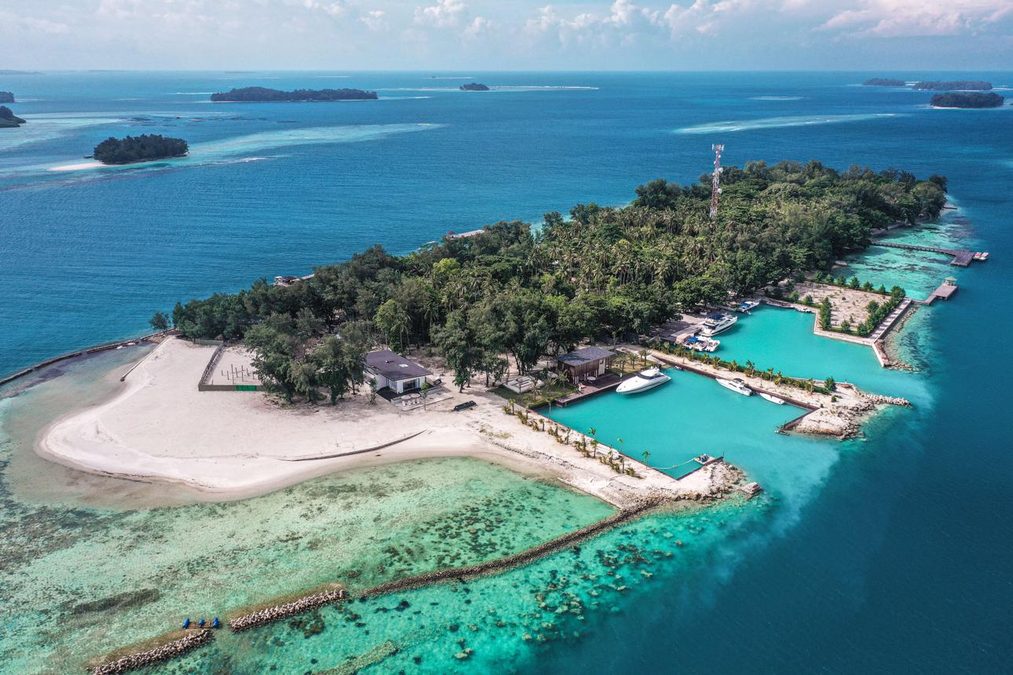
For a more substantial escape, consider the Thousand Islands (Kepulauan Seribu), an island group in the Java Sea north of the mainland. Selected islands offer beaches, boat trips, snorkelling, and overnight accommodation. Travel requires advance planning because boat schedules, sea conditions, and island facilities vary. It is important to confirm departure points and return services rather than assuming every island is easily accessible.
Getting Around and Choosing Where to Stay
Traffic is one of the biggest practical challenges for visitors. Distances that appear short on a map can take considerably longer during rush hour, so grouping attractions by neighbourhood is more effective than crossing the metropolitan area repeatedly. The MRT Jakarta, commuter rail, TransJakarta bus network, and app-based ride services provide alternatives to private cars, although the most convenient option depends on your route and time of travel.
Choosing accommodation near a transport connection can make sightseeing easier. Central areas such as Menteng and the Sudirman–Thamrin corridor provide access to business districts, restaurants, shopping, and major attractions. Staying around Kota Tua may suit travellers prioritising colonial history, while areas near major malls offer convenient dining and entertainment. Check recent reviews, transport access, and airport transfer arrangements before booking.
Best Time to Visit and Practical Travel Tips
Jakarta has a tropical climate, with warm temperatures and humidity throughout the year. The drier months, generally from around June to September, can be more convenient for walking tours and outdoor sightseeing. The wetter period, commonly from November to March, brings heavier rainfall that may affect road journeys and outdoor plans. Weather patterns can vary, so check forecasts close to your travel dates.
For a first visit, allow around two to four days to explore the main landmarks, museums, food districts, and shopping areas. Keep some flexibility in your schedule because traffic and sudden rain can disrupt plans. Carry light clothing, comfortable walking shoes, a reusable water bottle, and sun protection. Visitors should also check current Indonesian entry requirements, local transport arrangements, and attraction opening hours before travelling.
| Attraction or experience | Suggested time | Best for |
|---|---|---|
| Monas and Merdeka Square | 1–2 hours | National history and city views |
| Kota Tua | 2–3 hours | Colonial architecture and museums |
| Istiqlal Mosque and Cathedral | 1–2 hours | Religious architecture |
| National Museum | 2–3 hours | Indonesian heritage |
| Grand Indonesia | 2–3 hours | Shopping and dining |
| Ancol Dreamland | Half or full day | Family entertainment |
| Thousand Islands | Full day or overnight | Beaches and marine activities |
Frequently Asked Questions About Jakarta
Is Jakarta worth visiting for tourists?
Yes. The city offers historic landmarks, museums, diverse Indonesian cuisine, contemporary shopping, religious architecture, and access to nearby islands. It is especially worthwhile for travellers interested in Indonesian history and urban culture rather than a conventional beach holiday.
How many days are enough to explore Jakarta?
Two to four days is a practical starting point for first-time visitors. This allows time for Monas, Kota Tua, museums, local food, shopping, and selected entertainment attractions. A longer stay is useful if you plan to visit the Thousand Islands or explore more neighbourhoods.
What is the best time to visit Jakarta?
The drier period, generally June to September, is often more convenient for sightseeing and outdoor activities. The rainy season can bring heavy showers and traffic delays, but indoor attractions, museums, and shopping centres remain useful alternatives.
Is Jakarta easy to explore using public transport?
The city has several public transport options, including MRT, commuter trains, and TransJakarta buses. These can be efficient for suitable routes, although some attractions require an additional walk or ride-hailing journey. Planning around stations and avoiding peak traffic can save time.
What food should visitors try in Jakarta?
Popular dishes include nasi goreng, sate ayam, soto Betawi, kerak telor, gado-gado, and martabak. Trying traditional Betawi food is particularly worthwhile because it reflects the city’s distinctive local heritage alongside wider Indonesian culinary influences.
Is Jakarta suitable for family holidays?
Yes. Families can visit museums, Ancol Dreamland, Ragunan Zoo, shopping centres, and cultural attractions. It helps to plan shorter travel days, choose accommodation with convenient transport access, and allow extra time for traffic.
Can visitors take a day trip to the Thousand Islands?
Yes, selected islands can be visited on organised day trips from the mainland. Boat schedules, departure locations, weather, and journey times vary, so confirm arrangements with a reputable operator before travelling. An overnight stay may be more relaxing for islands farther from the coast.
Conclusion: Discover the Many Sides of Jakarta
From the national symbolism of Monas and the colonial streets of Kota Tua to the flavours of Betawi cuisine and the modern energy of its shopping districts, Jakarta offers a varied introduction to Indonesia. Its museums reveal the country’s history, its religious landmarks reflect cultural diversity, and its surrounding islands provide opportunities to experience a different pace of life.
The most enjoyable visit comes from balancing major attractions with local experiences. Plan journeys around neighbourhoods, use public transport where practical, allow extra time for traffic, and make room for traditional food and cultural discoveries. Jakarta may be busy and sprawling, but its history, creativity, and everyday character make it a rewarding destination for travellers willing to explore beyond the obvious sights.